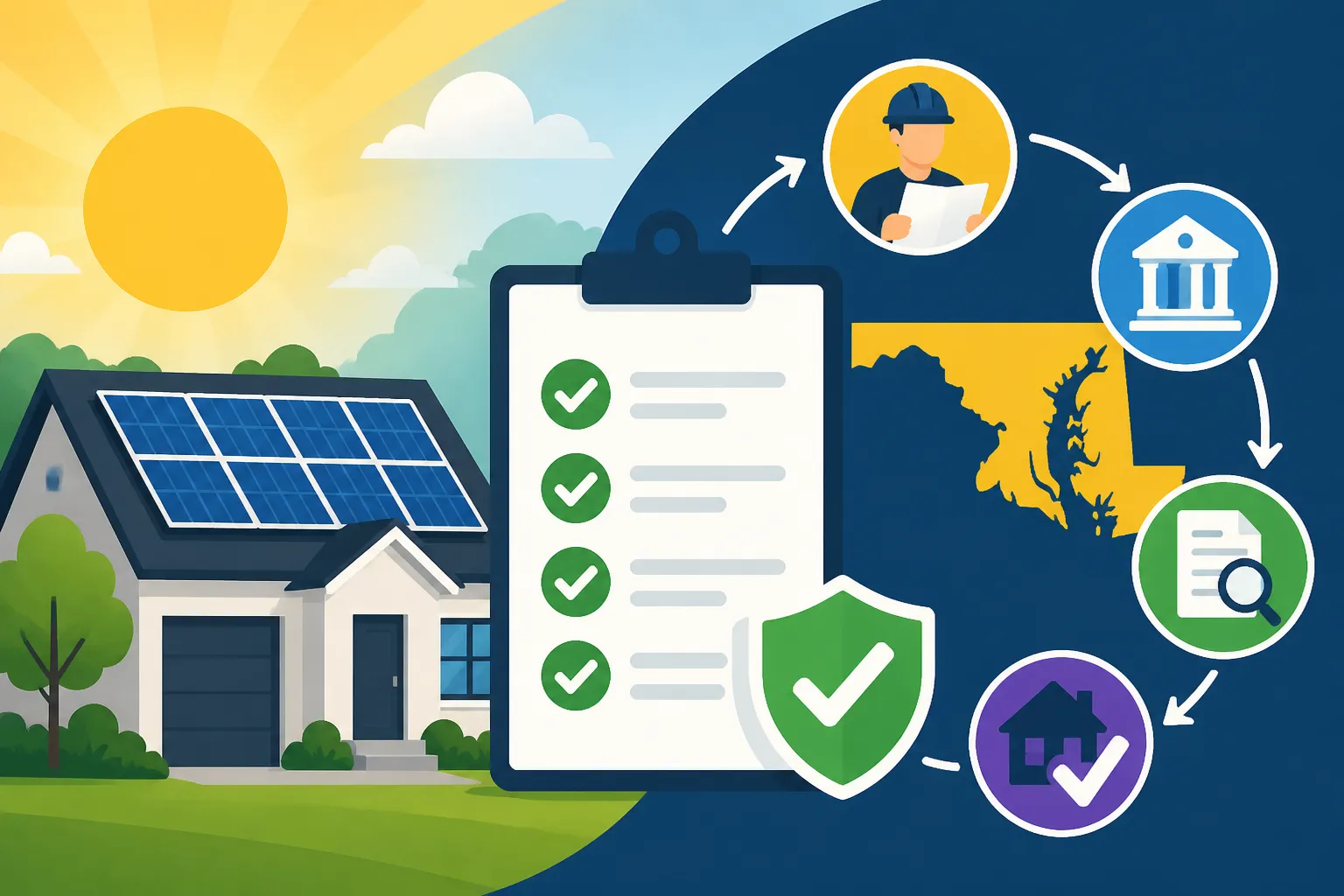
Solar Permit Process in Maryland
Getting solar panels for your home is an exciting step towards energy independence and lower utility bills, but the path to harnessing that sunshine often feels like navigating a dense thicket of paperwork and regulations. Many Maryland homeowners find themselves overwhelmed by the sheer volume of permits, inspections, and utility approvals required before their system can even flip on. This guide is here to untangle the complexities of the solar permit process in Maryland, offering a clear, step-by-step roadmap so you can feel confident and prepared on your journey to renewable energy.
Understanding the Maryland Solar Permit Maze
Before we dive into the nitty-gritty, it’s important to understand why there’s a permit process at all. It might feel like a bureaucratic headache, but these permits are put in place for crucial reasons, primarily safety and ensuring your system integrates correctly with the electrical grid. In Maryland, like many states, the specifics can vary significantly depending on where you live, adding an extra layer of complexity.
Why Permits Are Essential for Your Solar Project
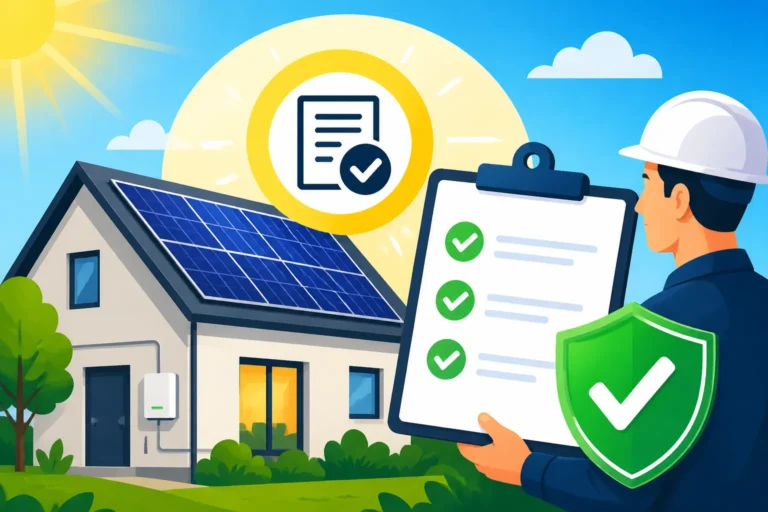
Think of solar permits as your official stamp of approval that your installation meets all local and state building, electrical, and structural codes. Without them, you're not only risking potential fines and forced removal of your system, but you're also putting your home and family at risk. Improperly installed solar panels can lead to electrical fires, structural damage, or even electrocution hazards for utility workers. These regulations ensure that certified professionals are doing the work, using approved equipment, and adhering to strict safety standards.
Beyond safety, permits also protect you as the homeowner. They provide a clear framework for what needs to be done, giving you leverage if an installer tries to cut corners. Furthermore, an unpermitted solar system can cause major headaches down the road when you try to sell your home, as it won't be considered a legal improvement. Most importantly, without the proper permits and utility approvals, you won't be able to connect your system to the grid or take advantage of crucial programs like net metering, which are vital for maximizing your savings. If you're wondering, "Is Solar Worth It in Maryland?", navigating these permits correctly is a key part of realizing that value.
Key Players in Maryland's Permitting Process
The solar permitting process in Maryland isn't a single entity but rather a coordinated effort involving several key players. Understanding who does what will help you anticipate steps and potential bottlenecks.
First up are your local Authorities Having Jurisdiction (AHJs). This usually means your county or city building department. They are responsible for reviewing your plans against local building, electrical, and zoning codes. For instance, a homeowner in Baltimore County will navigate a different set of local rules than someone in Montgomery County. These local jurisdictions dictate the specific documents required, the fees involved, and the types of inspections needed. Sometimes, these rules can even include aesthetic considerations or height restrictions, especially in historic districts. This is often where homeowners experience the most frustration due to localized variations.
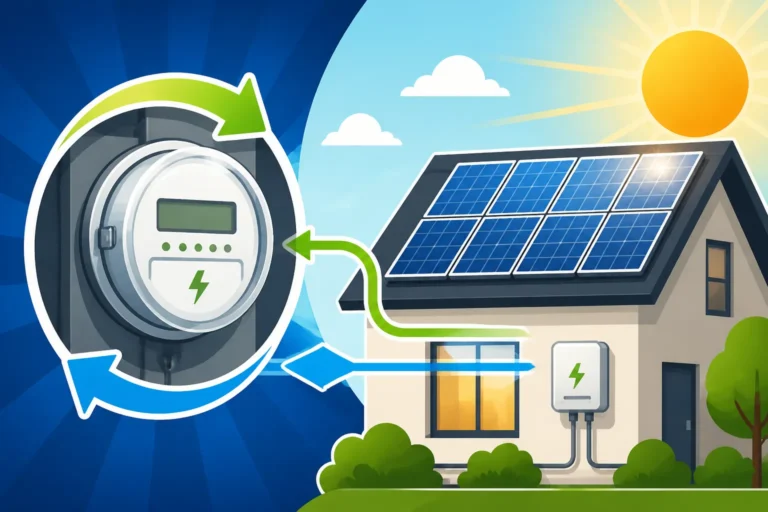
Next, and equally crucial, are the utility companies. In Maryland, major utilities like BGE (Baltimore Gas and Electric) and Pepco play a significant role. Even after your local municipality approves your plans and performs inspections, your system still needs to be approved by your utility provider before it can operate and connect to the grid. This is called the "interconnection process." They need to ensure your system won't negatively impact grid stability or safety. Without their explicit "Permission to Operate (PTO)," your system cannot be turned on. The utility's process often involves its own application, technical review, and sometimes an additional meter installation. Navigating these two separate but interconnected processes is where many installations face delays.
Navigating the Solar Permitting Steps in Maryland
While the exact forms and fees might differ from one Maryland county to another, the overall sequence of the solar permitting process tends to follow a predictable path. Your chosen solar installer will typically handle the bulk of this, but knowing what's coming will help you stay informed and proactive.
The Initial Application and Documentation Phase
This is where the journey officially begins. Once you've selected an installer and finalized your system design, your installer will prepare a comprehensive application package for submission to your local AHJ. This package is far more than just a few forms; it typically includes detailed engineering schematics, electrical diagrams, a site plan showing where the panels will be located on your property, structural analysis of your roof, and equipment specifications. For example, if you live in Frederick County, you might need specific drawings demonstrating compliance with their zoning setbacks, while a homeowner in Anne Arundel County might have slightly different requirements for structural load calculations.
The paperwork often includes proof of your installer's licensing and insurance, ensuring they are qualified to perform the work. You'll also typically need to provide a property survey or a clear diagram of your property lines and existing structures. This is where a reputable installer truly earns their keep, as assembling a complete and accurate submission package is key to avoiding immediate rejections and delays. Many homeowners use services like Modernize to connect with installers who are well-versed in Maryland's diverse local requirements. A complete application means less back-and-forth, saving valuable time in the overall Solar Installation Timeline.
Technical Review and Potential Revisions
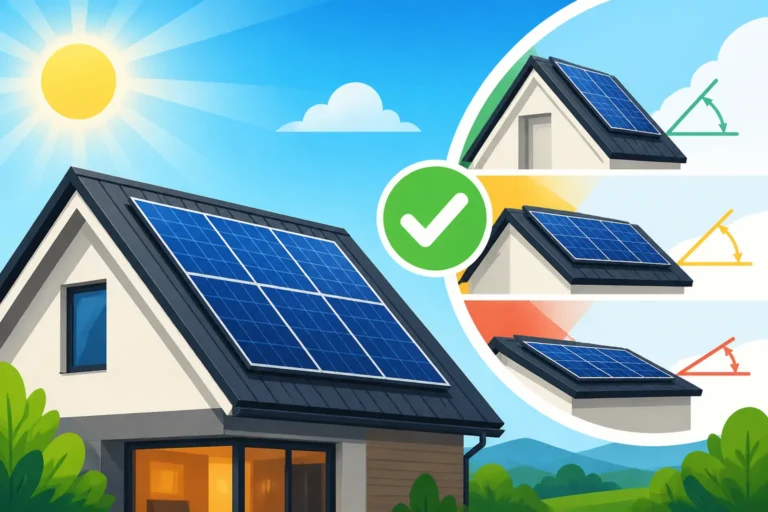
Once your application is submitted, it enters the technical review phase. This is where inspectors and engineers at your local building department meticulously examine every detail of your plans. They're checking for compliance with the National Electrical Code (NEC), local building codes, fire codes, and zoning ordinances. For example, they’ll verify that the weight of the panels won't overstress your roof, that the electrical wiring is safe, and that emergency shut-off switches are correctly designed and accessible.
It's quite common for plans to come back with requests for revisions, even from experienced installers. This isn't necessarily a bad sign; it just means the reviewers found something that needs clarification or adjustment to meet specific local standards. For instance, a reviewer in Prince George's County might require a slightly different conduit routing than originally planned, or perhaps they'll ask for additional information regarding specific inverter models. Your installer will address these comments and resubmit the revised plans. This back-and-forth can add a few days or even weeks to the process, so patience is key. Once everything is approved, you'll receive your building permit, which usually needs to be visibly posted at your property during the installation.
Inspections and Permission to Operate (PTO)
With the permits in hand, your solar installation can begin! However, the permitting journey isn't over yet. After the physical installation of your solar panels, wiring, and inverters is complete, your system will undergo several inspections. First, your local AHJ will send an inspector to your home. They’ll check that the actual installation matches the approved plans, verifying everything from the mounting hardware on the roof to the electrical connections in your main service panel. This inspection is critical for ensuring safety and code compliance.
Once your local municipality signs off, the next crucial step is securing Permission to Operate (PTO) from your utility company. This involves a separate application and review process, where the utility (like BGE or Pepco) ensures your system is safely interconnected to their grid. They'll confirm that your new meter is installed correctly (often a bi-directional meter for net metering) and that all safety protocols are in place. Without this PTO, your system cannot legally generate and send power to the grid. Turning it on prematurely could lead to safety hazards or even penalties. Understanding what is "Permission to Operate (PTO)" is vital, as it's the final green light to begin enjoying your solar power.
Common Challenges and Smart Solutions for Maryland Homeowners
Even with the best installer, the solar permitting journey in Maryland can sometimes hit a few snags. Understanding these common challenges beforehand can help you and your installer navigate them more effectively.
Varying Local Requirements Across Counties
One of the biggest frustrations for both homeowners and installers in Maryland is the sheer diversity of local requirements. What flies in one county might be a non-starter in another. For example, St. Mary's County might have different setback rules from property lines compared to Howard County, or specific aesthetic guidelines might apply in a community near Annapolis. This means installers need to be intimately familiar with the specific ordinances of each jurisdiction they serve, and it's a huge reason why choosing a local, experienced installer is so important.
Sometimes, these local regulations can even include specific aesthetic requirements or restrictions on visible conduit. A good installer, perhaps found through platforms like Modernize, will have a dedicated permitting team that understands these nuances and can proactively address potential issues. For homeowners, this means being prepared for the possibility that the process might take a bit longer than expected if your county has particularly stringent or unique requirements. Don't be afraid to ask your installer about their specific experience with your local AHJ during the "How to Choose a Solar Installer" phase.
Avoiding Delays in the Interconnection Process
While local permits can be a hurdle, delays often crop up during the utility interconnection process. Utility companies are dealing with hundreds, if not thousands, of solar applications, and their internal review processes can sometimes be slow. Issues can arise if the utility company finds discrepancies in the electrical diagrams submitted by the installer or if their grid infrastructure in your specific neighborhood needs an upgrade to handle the new solar capacity. For instance, a homeowner in a rural part of Carroll County might experience longer interconnection times if the local grid infrastructure is older compared to a more urbanized area.
To mitigate these delays, ensure your installer has a strong track record of successful utility interconnections in your area. They should be submitting complete and accurate paperwork the first time around and proactively communicating with the utility. Some utilities might also require specific components or system designs, so confirming these upfront is crucial. It’s also wise to understand your utility's specific process for "Solar Inspection & Permission to Operate (PTO)" to set realistic expectations for your project's timeline.
Red Flags to Watch For with Installers
While most solar installers are professional and diligent, it's wise to be aware of potential red flags that could complicate your permitting process. One major red flag is an installer who promises an unrealistic timeline for permitting or downplays the complexity of local regulations. If they tell you, "Permits are just a formality, we'll have them in a week!" in Maryland, be skeptical. Another red flag is an installer who asks you to handle the permitting paperwork yourself, or who seems unfamiliar with your specific county's requirements. This is a specialized task that experienced solar companies should manage entirely.
You should also be wary of installers who push you to sign contracts before a thorough site assessment or without providing detailed system designs. A legitimate company will complete a comprehensive site survey and provide clear schematics before submitting anything for permitting. Avoid any company that pressures you to start installation before all necessary permits are officially issued. These are all signs of "Solar Installer Red Flags to Watch For" that could lead to significant delays, costs, and headaches for you down the line. Always do your due diligence and check reviews and references.
Insider Tips for a Smooth Solar Permitting Experience
Navigating the solar permit process in Maryland doesn't have to be a complete nightmare. With the right approach and a little bit of foresight, you can significantly smooth out the journey from sunny aspiration to solar reality.
Choosing the Right Solar Partner
This is perhaps the single most important decision you'll make when going solar. A top-notch solar installer will be your guide, advocate, and expert through the entire permitting labyrinth. Look for companies with extensive experience specifically in Maryland and, ideally, in your particular county or city. They should have a deep understanding of local building codes, zoning ordinances, and utility interconnection rules. For instance, an installer routinely working in Gaithersburg will be intimately familiar with Montgomery County's specific permit portal and review procedures.
When you're comparing quotes and talking to potential installers, ask them detailed questions about their permitting process, their average timelines for your area, and how they handle revisions or delays. A transparent installer will be happy to walk you through each step and explain the potential challenges. Platforms like Modernize can help you find pre-vetted installers who have a strong local presence and a proven track record. Remember, a good installer will handle all the documentation, submission, and follow-up, freeing you from the bureaucratic burden. They should also be able to clearly explain how your system will take advantage of programs like "Maryland Solar Incentives & SREC Guide".
Proactive Communication and Preparation
While your installer will manage the bulk of the permitting process, staying engaged and prepared can make a big difference. Be responsive to any requests for information from your installer, whether it's an updated property survey or details about your home's electrical history. Make sure your property is accessible for site visits and inspections when scheduled. Sometimes, simple things like ensuring gate access for inspectors or having your previous utility bills readily available can prevent unnecessary delays.
It's also a good idea to understand the overall "Solar Installation Timeline: What to Expect" so you have realistic expectations for when permits might be issued and when your system will be ready for activation. Don't hesitate to ask your installer for updates on the permit status. While you shouldn't constantly pester them, a periodic check-in shows you're engaged and allows them to communicate any emerging issues. Being prepared and communicative helps everyone keep the project moving forward efficiently.
Leveraging Resources and Advocacy
If you find yourself facing unusual delays or roadblocks, remember that you're not entirely alone. Many Maryland counties have dedicated staff or online resources to help homeowners understand permit requirements. Some larger counties like Baltimore County or Prince George's County even have online portals where you can track the status of your permit application. Don't be afraid to look up your local building department's website; sometimes, they publish checklists or FAQs specifically for solar installations.
| Jurisdiction (Example) | Common Permit Requirements | Estimated Timeline (Review) | Typical Challenges |
|---|---|---|---|
| Montgomery County | Building, Electrical, Zoning, Structural, Fire. Site plan, electrical schematics. | 2-4 weeks (initial) | High volume, detailed structural review. |
| Baltimore County | Building, Electrical, Zoning. Property plat, engineering drawings. | 3-5 weeks (initial) | Specific historical district rules, utility coordination. |
| Anne Arundel County | Building, Electrical, Zoning. Roof plans, line diagrams. | 2-3 weeks (initial) | Floodplain considerations, HOA approvals. |
| Frederick County | Building, Electrical, Zoning. Survey, system specs. | 2-4 weeks (initial) | Rural zoning, potential agricultural district overlays. |
Note: Timelines are estimates and can vary widely based on application completeness, departmental workload, and the complexity of the project.
You can also reach out to the Maryland Energy Administration (MEA) or other state-level solar advocacy groups if you encounter systemic issues. While they can't personally expedite your individual permit, they can offer guidance or help you understand broader policy. Furthermore, remember that you can always explore "Can I Combine State and Local Solar Incentives?" once your system is up and running. A well-informed homeowner is an empowered homeowner, even in the face of bureaucracy!
Disclaimer
The information provided in this guide is for general informational purposes only and does not constitute professional advice. Solar permitting rules and regulations in Maryland are subject to change and can vary significantly by local jurisdiction. Always consult with a qualified solar professional and your local authorities for the most accurate and up-to-date information regarding your specific solar project.