How to Install Solar Panels on a Metal Roof
Thinking about going solar, but got a metal roof? Maybe you've heard some conflicting information or worried about whether it's even possible to install panels on what seems like a sleek, but potentially tricky, surface. Rest assured, not only is it entirely feasible, but metal roofs can actually be an excellent foundation for a solar energy system. This comprehensive guide will walk you through everything you need to know about successfully installing solar panels on your metal roof, from the initial considerations to the final flip of the switch.
Why Metal Roofs are a Great Fit for Solar
It’s easy to assume that metal roofs might be a challenge for solar, given their unique construction and often slick surfaces. However, quite the opposite is true! Metal roofs offer several inherent advantages that make them particularly well-suited for solar panel installations, often outperforming other roofing materials in the long run. Many homeowners are surprised to learn just how harmonious solar and metal roofs can be.
Understanding Metal Roof Types for Solar
Not all metal roofs are created equal, and understanding the type you have is the first step in envisioning your solar future. The most common types you'll encounter are standing seam, corrugated, and exposed fastener metal roofs. Each type has its own set of characteristics and, crucially, specific methods for secure solar panel attachment. A standing seam metal roof, for instance, features raised seams that run vertically up the roof, creating natural attachment points without penetrating the roof surface itself. This is often considered the ideal scenario for solar.
Corrugated metal roofs, with their distinctive wavy pattern, and exposed fastener roofs, where screws are visible on the surface, require different mounting approaches that typically involve penetrating the roof. While this might sound daunting, with the right hardware and experienced installers, these methods are perfectly safe and reliable, ensuring your roof remains watertight and your panels stay put for decades. Knowing your roof type upfront helps you and your potential installers prepare for the most efficient and secure installation.
Longevity and Durability Advantages
One of the biggest unsung heroes of solar on metal roofs is the incredible lifespan of the roof itself. Most metal roofs are designed to last 40 to 70 years, sometimes even longer, which perfectly aligns with or even exceeds the typical 25 to 30-year lifespan of modern solar panels. This synergy means you're unlikely to face the costly and disruptive task of replacing your roof underneath your solar array anytime soon. Imagine the headache of having to uninstall, store, and then reinstall your entire solar system just to get a new roof – with a metal roof, that concern is often dramatically reduced.
This longevity contributes significantly to the overall return on investment of your solar system. You're not just investing in clean energy, but in a long-term, stable energy solution that won't be interrupted by premature roof degradation. The robust nature of metal also means it can withstand harsh weather conditions, from heavy snow loads to high winds, providing a solid, stable platform that protects your solar investment year after year.
Energy Efficiency Benefits Beyond Solar
Before your solar panels even start generating electricity, your metal roof is likely already saving you money on your energy bills. Many modern metal roofs feature reflective coatings that bounce sunlight away from your home, significantly reducing heat absorption. This "cool roof" effect can lower your indoor temperatures, especially during hot summer months, and subsequently decrease your reliance on air conditioning. When you combine this inherent cooling capability with the power-generating prowess of solar panels, you’re creating a super-efficient home energy ecosystem.
The insulation provided by metal roofs can further enhance this efficiency. By reducing the overall thermal load on your home, you're starting from a more energy-efficient baseline. This means that the solar energy you do generate goes further, potentially allowing for a slightly smaller system than you might need on a less efficient roof, or giving you even greater energy independence. It's a double win for your wallet and the planet.
Key Considerations Before Installing Solar on a Metal Roof
While metal roofs are fantastic candidates for solar, it’s not quite as simple as just slapping panels on. There are several crucial factors you need to evaluate before you even think about calling an installer. Being prepared and understanding these elements will not only streamline your installation process but also ensure the long-term success and safety of your solar investment. This proactive approach helps avoid costly surprises down the road.
Assessing Roof Condition and Age
Just because your roof is metal doesn't mean it's ready for solar without a thorough inspection. Even a metal roof, with its impressive longevity, can have underlying issues if it wasn't installed correctly or has suffered damage over the years. You'll want to ensure there's no significant rust, loose panels, or compromised fasteners that could affect its structural integrity or watertightness. A professional roofer or solar installer, ideally one with experience in metal roofing, should conduct a detailed assessment.
The age of your metal roof is also a factor. While it's true they last a long time, if your roof is nearing the end of its projected lifespan (say, 30-40 years old for a typical installation), it might make more sense to consider a replacement or significant repairs before installing solar. The cost and hassle of removing and reinstalling panels for a new roof would far outweigh the benefit of delaying roof work. Think of it as preparing a strong foundation for a new, valuable addition to your home.
Navigating Local Regulations and Permits
The permitting process for solar can feel like a labyrinth, and it varies significantly from one municipality to another, and even between states. This is especially true when dealing with specific roof types like metal. Before any work begins, you'll need to secure the necessary permits from your local building department. This often involves submitting detailed plans, including structural load calculations, electrical diagrams, and information on how the solar system will be integrated with your metal roof.
It’s not just about the permits themselves; you'll also need to understand local zoning laws, historical district restrictions if applicable, and any specific requirements your utility company might have for grid interconnection. For instance, some areas might have strict rules about the visual impact of solar panels, especially in historic neighborhoods. A reputable solar installer will typically handle most, if not all, of this permitting legwork for you, but it’s always good to be aware of the process. You can learn more about the overall process in our guide on Solar Permitting & Interconnection (PTO) Explained.
Choosing the Right Mounting System
This is perhaps the most critical technical decision when installing solar on a metal roof. The wrong mounting system can lead to leaks, roof damage, or inadequate panel security. For standing seam roofs, specialized clamps are often used that grip the raised seams without drilling any holes, preserving the roof’s integrity entirely. Brands like S-5! are well-known for their non-penetrating clamps designed specifically for this purpose.
For corrugated or exposed fastener metal roofs, a penetration-based system is usually necessary. This involves drilling into the roof, but don't panic! Reputable installers use flashing and sealant, often multiple layers, to create an absolutely watertight seal around each penetration point. These systems are incredibly durable and designed to prevent any water ingress, protecting your home for decades. Be sure to discuss the specific mounting hardware and weatherproofing techniques your installer plans to use, as this is a key area where quality truly matters. The cost of such components can influence your overall Solar Panel Cost Per Watt Explained.
Step-by-Step Installation Process on Metal Roofs
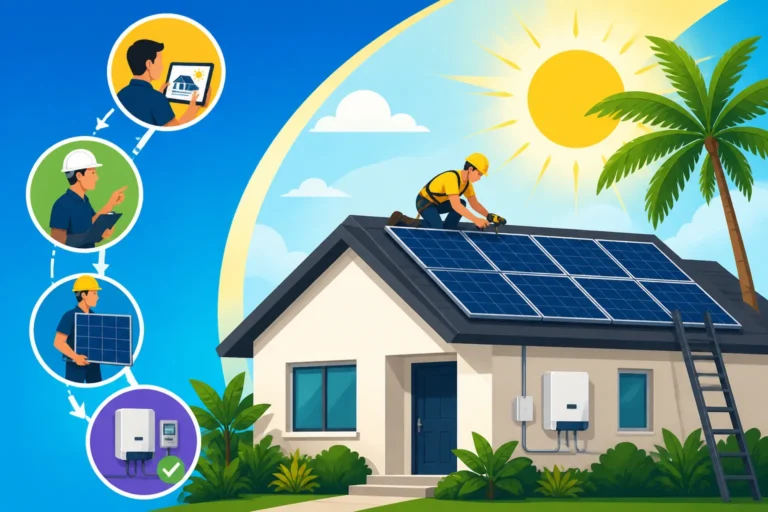
Once you've done your homework and chosen a reliable installer, the actual installation process for solar panels on a metal roof will typically follow a well-defined series of steps. While every project has its unique nuances, understanding the general flow can help you feel more comfortable and informed as your home transforms into a clean energy powerhouse. It’s exciting to see your solar vision come to life!
Site Assessment and System Design
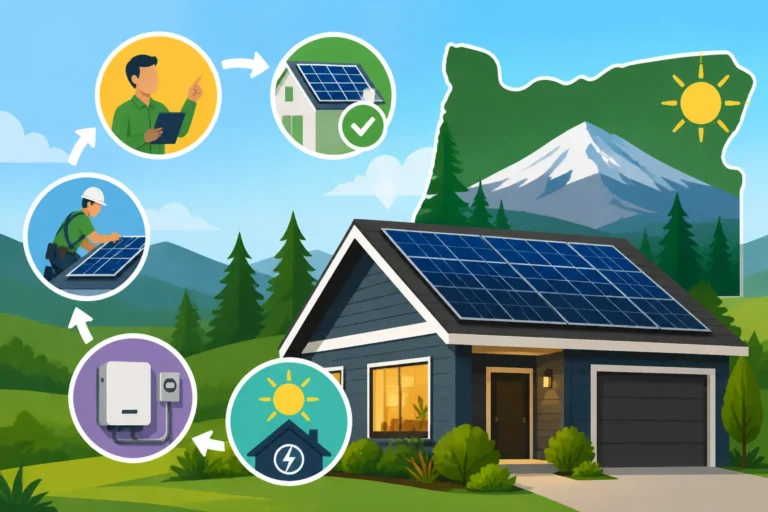
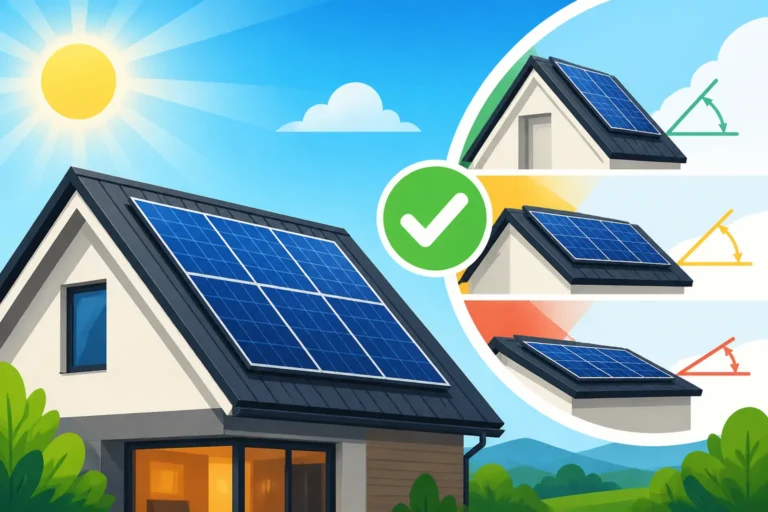
Before a single panel is ordered or a drill is even contemplated, your chosen solar company will conduct a thorough site assessment. This isn't just a quick look at your roof; it's a detailed evaluation of your home's unique characteristics. They'll assess your roof's exact dimensions, pitch, and orientation, noting any shading from nearby trees or other structures. They'll also inspect the electrical infrastructure of your home to ensure it can handle the new solar load and seamlessly integrate with the system.
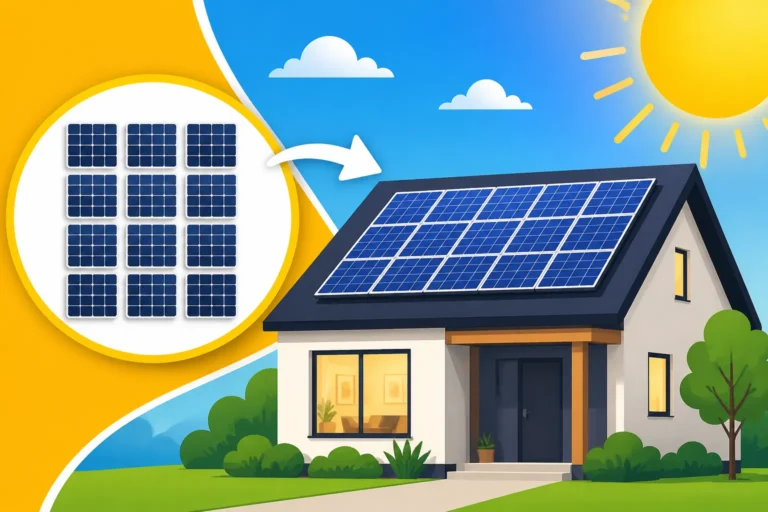
During this phase, they'll also gather information on your historical electricity usage. This data is crucial for designing a system that meets your energy needs efficiently. Using specialized software, they'll then create a customized solar array layout, determining How Many Solar Panels Do I Need for My Home? and the optimal placement of panels, inverters, and any battery storage. This design will be presented to you for approval and will be the blueprint for the entire project.
Preparing the Roof and Installing Mounts
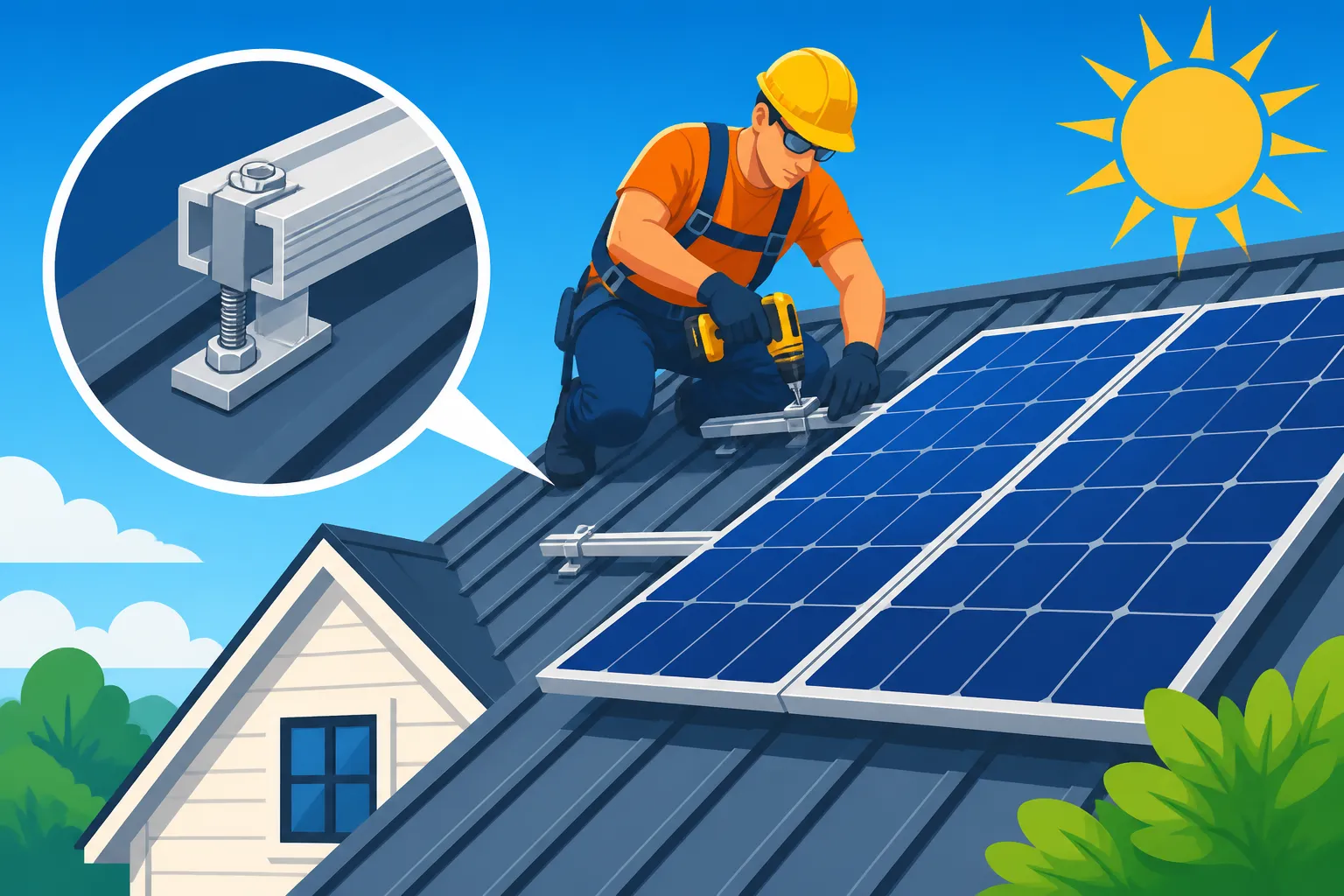
With the design finalized and permits secured, the physical work begins. The installation team will first prepare your metal roof, ensuring it's clean and clear of debris. Safety measures, such as harnesses and edge protection, will be put in place to protect the crew. For standing seam roofs, this is where specialized clamps, like those from S-5!, are precisely aligned with the roof's seams and tightened. These clamps provide a robust anchor point without needing to drill into the roof itself, which is a huge advantage for preserving the roof's warranty and integrity.
If you have a corrugated or exposed fastener metal roof, the process will involve carefully locating the structural members underneath the metal sheeting. Small pilot holes are drilled, and then standoffs or L-feet are securely bolted through the roof and into the rafters or purlins. Crucially, each penetration point is meticulously waterproofed using high-quality sealant and flashing materials, often specific to metal roofs, to prevent any leaks. This step is where an experienced installer truly shines, ensuring a watertight and durable connection.
Panel and Wiring Installation
Once the mounting hardware is firmly in place, the racking system—the framework that holds the solar panels—is installed. This framework is typically made of aluminum rails that attach to the mounting points. The solar panels are then carefully hoisted onto the roof and secured to these rails. Each panel is connected to the next using specialized cables, forming either a series (string inverter system) or individually connected to microinverters or power optimizers (module-level power electronics systems).
The wiring is then routed safely across the roof and down to the ground, usually through a conduit to protect it from the elements. This wiring connects to your inverter, which converts the DC electricity from the panels into usable AC electricity for your home. This entire process requires careful handling of the panels and meticulous attention to electrical codes and safety standards. If you're wondering about the timing of all this, our article on Solar Installation Timeline: What to Expect provides a detailed breakdown.
Inverter Connection and Grid Interconnection
The inverter is the brain of your solar system, and its installation is a pivotal step. For string inverter systems, a single large inverter is typically mounted on a wall in a cool, dry place, like a garage or basement. For microinverter or power optimizer systems, these smaller devices are usually mounted directly on the back of each solar panel. All the electrical conduits from the panels lead to this inverter (or directly to your main electrical panel for microinverters).
Once the inverter is connected, it’s wired into your home’s main electrical panel. This allows the solar-generated electricity to power your home and, if you have net metering, send any excess power back to the grid. Finally, after all electrical connections are complete, the system undergoes rigorous testing. The local utility company will also perform a final inspection and grant "Permission to Operate" (PTO), after which you can officially flip the switch and start generating your own clean power. This final step is often when you finally feel the full impact of your investment.
Common Challenges and Solutions for Metal Roof Solar
Even with all the advantages, installing solar on a metal roof isn't entirely without its specific hurdles. However, for every challenge, there's usually a well-established and effective solution. Understanding these potential issues upfront means you can discuss them with your installer and be confident that your system will perform optimally and safely for decades to come. Don't let these minor obstacles deter you from embracing solar energy.
Mitigating Thermal Expansion Issues
Metal roofs are renowned for their ability to expand and contract with temperature fluctuations. While this is a normal characteristic of the material, it poses a unique consideration for solar installations. If the solar racking system is rigidly fixed without accounting for this movement, it can put stress on the roof, the mounts, and even the solar panels themselves, potentially leading to damaged seals or structural fatigue over time.
The solution lies in specialized mounting hardware designed with thermal expansion in mind. For standing seam roofs, non-penetrating clamps are often engineered with flexible components or specific attachment methods that allow the roof panels to move independently beneath the solar array. For penetration-based systems, installers use specific flashing and sealing techniques that accommodate movement while maintaining a watertight barrier. Reputable solar installers are well-versed in these nuances and will select components that are appropriate for the local climate and your specific roof type, ensuring the system remains stable and secure.
Ensuring Watertight Seals and Preventing Leaks
The biggest fear homeowners often have with any roof penetration, especially on a metal roof, is leaks. After all, the primary job of a roof is to keep water out! While the fear is understandable, modern solar installation techniques and materials are incredibly effective at preventing leaks. The key is meticulous attention to detail during the installation of any penetration-based mounting hardware.
This means using high-quality EPDM or silicone sealants that can withstand extreme temperatures and UV exposure. More importantly, it involves layering flashing—thin sheets of metal or rubber—around each mounting point. These flashings are designed to divert water away from the penetration, much like shingles overlap to shed water. A crucial point of prevention is choosing an installer who offers robust warranties on their workmanship, particularly concerning roof integrity, giving you peace of mind that their seals are built to last. It’s also wise to inquire about Solar Panel Warranties Explained for the equipment itself.
Aesthetics and Visual Integration
Let's be honest, solar panels are a significant addition to your home's exterior, and their appearance matters to many homeowners. With the distinct lines and often industrial look of metal roofs, some people worry that solar panels might detract from their home's curb appeal. The good news is that advancements in solar technology and installation practices have made aesthetic integration a much higher priority.
Many homeowners opt for sleek, all-black solar panels (monocrystalline panels are great for this) that blend seamlessly with darker metal roofs, creating a cohesive, modern look. The way the racking is installed can also impact aesthetics, with some systems offering low-profile designs that keep the panels closer to the roof surface. Furthermore, strategic placement of the array, considering visibility from the street, can help. You can discuss these options with your solar designer to ensure the final look is something you're proud of, making your home a beacon of sustainability without sacrificing visual appeal.
Finding the Right Professional for Your Metal Roof Solar Project
Choosing a solar installer is one of the most critical decisions you'll make when going solar, and it's especially important when dealing with a specialized surface like a metal roof. The quality of your installation directly impacts the performance, safety, and longevity of your system. You wouldn’t trust just anyone with a significant home improvement project, and solar is no different. Take your time, do your research, and find a partner who understands the intricacies of metal roof installations.
Qualities of a Reputable Solar Installer
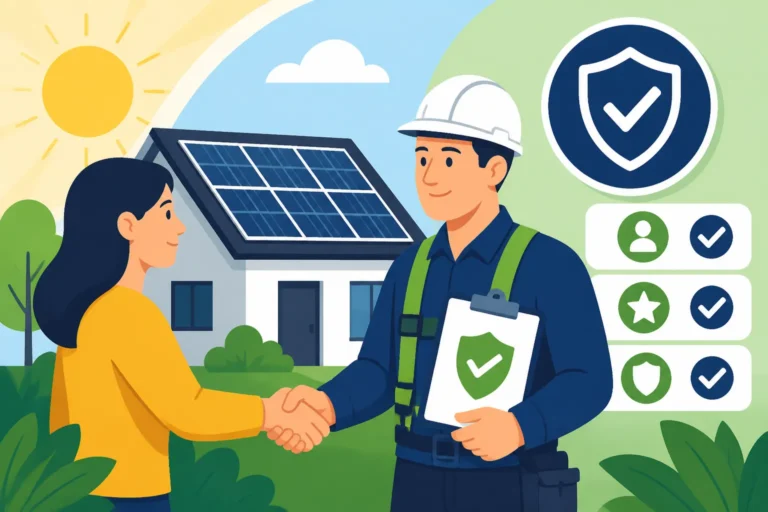
A reputable solar installer, particularly one experienced with metal roofs, will demonstrate several key qualities. First and foremost, they'll have a proven track record of successful installations on metal roofs, and they'll be happy to provide references or show you examples of their work. They should be transparent about their processes, including how they plan to address thermal expansion and ensure watertight seals. Look for installers with certifications like those from the North American Board of Certified Energy Practitioners (NABCEP), which indicates a high level of industry knowledge and expertise.
They should also be fully licensed and insured, protecting both their workers and your property. Beyond technical expertise, customer service is crucial. A good installer will communicate clearly, answer all your questions patiently, and provide a detailed, easy-to-understand contract. They won't pressure you into quick decisions but instead educate you on your options, including different panel brands like Qcells or REC, and inverter types such as those from Enphase or SolarEdge. For more insights, check out our guide on How to Choose a Solar Installer.
Getting and Comparing Quotes
This step is essential for both finding the best value and truly understanding the different approaches installers might take for your metal roof. Don't settle for just one quote. Reach out to at least three different solar companies. When you're talking to them, specifically ask about their experience with metal roofs. How do they handle the mounting? What kind of flashing and sealing do they use? How do they account for thermal expansion? These detailed questions will help you gauge their expertise.
When comparing quotes, don't just look at the bottom-line price. Dive into the details: what specific equipment are they proposing (panels, inverters, batteries)? What are the warranties on the equipment and their workmanship? What is the estimated production of the system, and what is the projected payback period? Reputable platforms like Modernize can help connect you with multiple qualified installers in your area, making the process of gathering and comparing quotes much easier. This ensures you get a comprehensive understanding of what you're paying for and helps you identify the best solution for your unique metal roof. For context on costs, you might also be interested in our guide on How Much Do Solar Panels Cost? 2026 Guide.
| Metal Roof Type | Mounting System Recommended | Key Advantages for Solar | Potential Considerations |
|---|---|---|---|
| Standing Seam | Non-penetrating clamps | No roof penetrations, preserves roof warranty, quick install | Specific clamps needed for seam profile, higher initial cost for clamps |
| Corrugated | Penetrating (L-feet/standoffs with flashing) | Secure attachment into purlins/rafters, widely available hardware | Requires roof penetrations, meticulous sealing crucial |
| Exposed Fastener | Penetrating (L-feet/standoffs with flashing) | Very common and robust mounting options | Requires roof penetrations, careful sealing around fasteners |
| Stone-Coated Steel | Penetrating (specific to tile profile) | Durable roof, good aesthetic blend | Complex mounting to avoid tile damage, may increase labor cost |
Maintaining Your Metal Roof Solar System
Once your solar panels are installed and happily generating power on your metal roof, the maintenance aspect is surprisingly minimal. Both metal roofs and solar panels are designed for durability and low upkeep. However, a little proactive care can go a long way in ensuring your system performs at its peak for its entire lifespan. Most of the maintenance involves keeping an eye on things rather than getting up on the roof yourself.
Periodically, it's a good idea to visually inspect your system from the ground. Look for any obvious debris, like leaves or branches, that might be shading panels, or signs of loose wiring. While solar panels generally self-clean with rain, if you live in a particularly dusty area or notice a significant buildup of grime (like bird droppings), a gentle cleaning might be beneficial. Most homeowners opt for professional cleaning services every few years, especially if they have a steep roof. Remember, your metal roof underneath is also low-maintenance, but annual checks for any signs of wear or tear at attachment points are a great idea during any professional solar inspection. Our article on Solar Panel Maintenance & Cleaning delves deeper into this topic.
Disclaimer
Please note that the information provided in this guide is intended for general informational purposes only and does not constitute professional advice. Solar system design, installation, and permitting requirements vary significantly by location and specific circumstances. Always consult with qualified and licensed solar professionals, structural engineers, and your local authorities before making any decisions related to solar panel installation on your home.