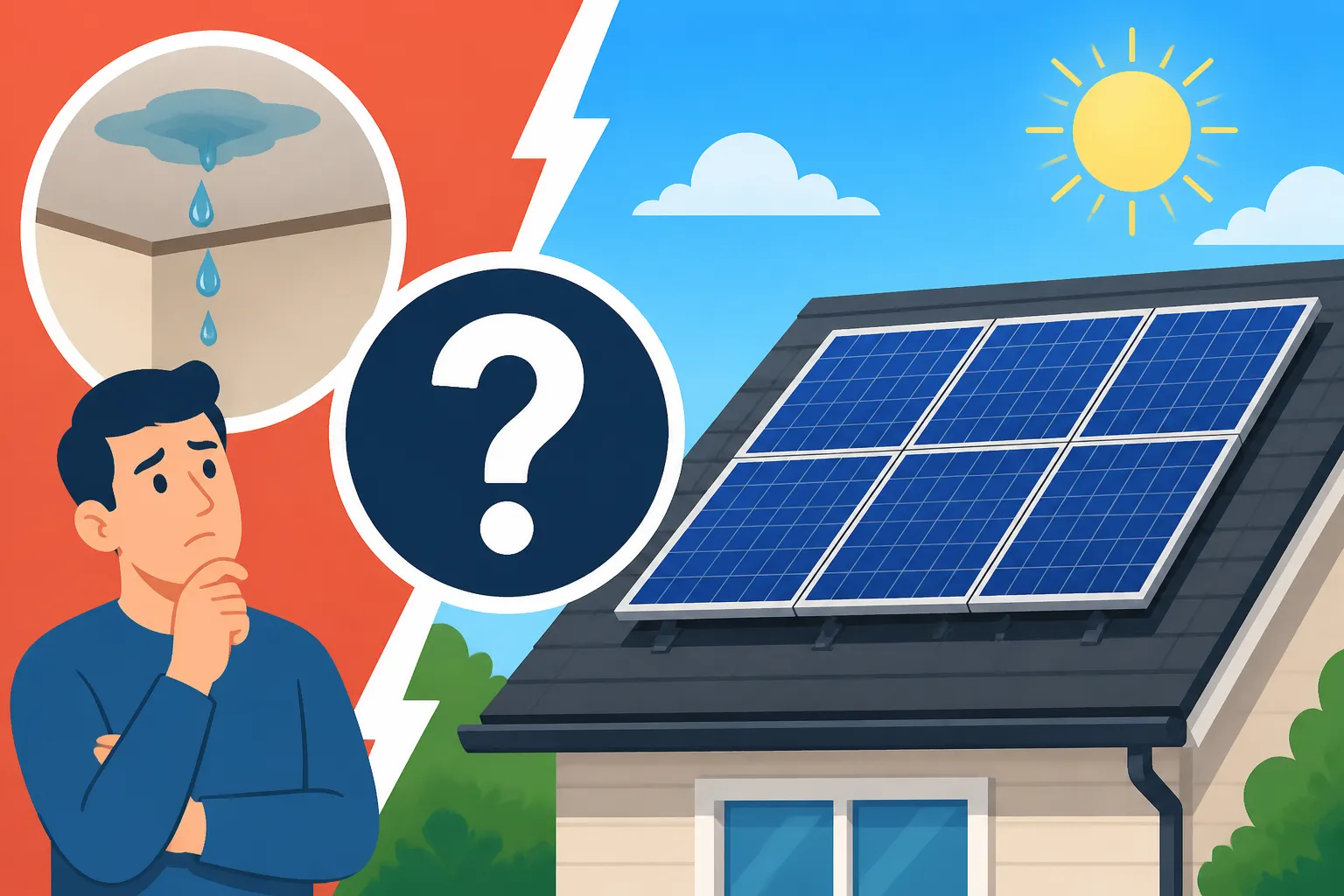
Do Solar Panels Cause Roof Leaks?
The thought of going solar is exciting: lower electricity bills, energy independence, and a smaller carbon footprint. But for many homeowners, a nagging fear creeps in – the dreaded roof leak. It's a completely understandable worry. After all, installing solar panels means making penetrations into your roof, and the idea of water finding its way into your attic can be enough to make anyone pause. This guide will thoroughly address that very real concern, clarifying if solar panels actually cause roof leaks, outlining how professionals prevent them, and giving you peace of mind about protecting your home while embracing solar energy.
Addressing the Core Fear: Do Solar Panels Actually Cause Leaks?
It's a common fear, and honestly, a valid one. You look up at your roof, usually a solid, uninterrupted surface, and picture dozens of bolts going through it. Naturally, your mind jumps to water intrusion. However, the short answer is: solar panels themselves do not inherently cause roof leaks when installed correctly. The concern isn't about the panels, but the quality of the installation and the preparedness of your roof.
The Truth About Solar Installations and Roof Integrity
Modern solar panel installations are a far cry from a DIY project with a drill and some caulk. They are engineered systems designed to withstand the elements and maintain your roof's integrity for decades. When a reputable, certified installer handles your project, they follow strict industry standards and utilize specialized equipment and techniques specifically developed to create watertight seals around every roof penetration. Think of it like a new skylight or a plumbing vent – these also require holes in your roof, but when installed by a professional, they don't cause leaks. Solar installations operate on the same principle, but often with even more redundancy in their waterproofing measures.
The components used in a solar installation, from the racking system to the flashing and sealants, are all designed to work in concert to protect your roof. These materials are built to resist UV degradation, extreme temperatures, and heavy rainfall. They don't just put a dab of caulk and call it a day; they create multiple layers of protection that effectively divert water away from any openings. This meticulous approach is what ensures your roof remains watertight, allowing you to enjoy the benefits of solar power without the worry of water damage.
Common Misconceptions vs. Reality
Let's tackle some of those persistent myths head-on. One major misconception is that any hole in your roof is an open invitation for a leak. In reality, every component that penetrates your roof – be it a mounting bracket for a solar panel, a vent pipe, or a chimney – is designed with a system to prevent water ingress. For solar, this system typically involves metal flashing that slides under your shingles, directing water over the penetration, much like shingles themselves. Then, a weather-resistant sealant adds another layer of protection. This layered approach is far more robust than simply filling a hole with sealant.
Another misconception is that the sheer number of mounting points increases leak risk. While a larger system will naturally have more mounting points, a professional installer doesn't just randomly drill holes. They meticulously plan the layout to minimize penetrations while ensuring the structural integrity of the array. Furthermore, each penetration is treated with the same high standard of waterproofing. It's not about the quantity of holes, but the quality of the seal around each one. A properly installed system, even with many mounting points, is designed to be just as waterproof as an untouched roof, if not more so in some areas due to added flashing.
How Professional Solar Installers Prevent Roof Leaks
The key to preventing roof leaks with solar panels lies squarely in the hands of the professionals you hire. A top-tier solar installer prioritizes your home's integrity just as much as they do your solar production. They follow a comprehensive process that is designed to mitigate any risks of water intrusion.
Meticulous Planning and Site Assessment
Before a single panel is ordered or a tool is brought to your property, a thorough site assessment is conducted. This isn't just about figuring out how many solar panels you need for your home or where the sun hits best. It's also a deep dive into the health of your roof. Installers look at everything from the age and condition of your roofing materials (shingles, tiles, metal, etc.) to the underlying structure. They'll check for any pre-existing damage, weak spots, or areas that might be prone to future leaks.
If your roof is older and nearing the end of its lifespan, a good installer will often recommend that you consider a roof replacement before solar installation. This isn't just an upsell; it's sound advice. Installing solar panels on a failing roof means you'll likely have to remove and reinstall them when the roof needs work, which is a significant added expense and inconvenience. Companies like Modernize can connect you with experienced solar professionals who conduct these comprehensive assessments, ensuring your roof is ready to host a solar array for decades to come. Understanding your roof's condition upfront is crucial for a smooth and leak-free solar journey.
Industry-Standard Mounting and Flashing Techniques
This is where the rubber meets the road, or rather, where the mounting hardware meets your roof, and waterproofing becomes paramount. Professional solar installers adhere to stringent industry standards for securing solar panels, and at the heart of this is the flashing system. Flashing refers to thin pieces of impervious material, usually metal (aluminum or copper), installed to prevent water penetration at junctions or protrusions in a roof, such as around skylights, chimneys, or in this case, solar panel mounts.
For solar, specialized flashing is used with the mounting hardware. For example, an L-foot bracket (a common mounting component) might be secured directly to a rafter, but before it's bolted down, a piece of flashing is installed. This flashing is carefully slid under the row of shingles above the penetration and lays over the shingles below it. This creates a waterproof "apron" that sheds water away from the bolt hole, just like your shingles do. Think of it as creating a mini-roof over each point of penetration. After the flashing is in place and the bracket is secured, a durable, weather-resistant sealant—often an industrial-grade silicone or butyl rubber—is applied around the base of the flashing and the bolt. This sealant provides an extra layer of defense, sealing any tiny gaps and preventing water from wicking upwards. This dual-layer protection of flashing and sealant is the cornerstone of a leak-proof solar installation. It's a critical part of the overall How Are Solar Panels Installed? Step by Step process.
Here's a quick look at common flashing components:
| Component Type | Description | Key Function |
|---|---|---|
| L-Foot with Flashing | A metal bracket (L-shaped) that attaches to the roof, often directly into a rafter. It comes with an integrated or separate metal flashing piece that slides under shingles. | Primary attachment point for racking system; flashing directs water over the penetration. |
| Standoff Mounts | Taller posts that elevate the racking system further from the roof surface, often used on tile roofs or to ensure adequate airflow. Includes a robust flashing skirt. | Elevates array, allows for tile roof integration; flashing seals the base securely. |
| Deck Mounts | Simpler, lower-profile mounts that attach directly to the roof decking (not rafters), suitable for certain roof types or if rafters are hard to locate precisely. | Lower profile, fewer penetrations; still requires proper flashing and sealant application. |
| Sealants | High-grade, UV-resistant silicones or butyl rubber applied around the flashing and penetration points. | Provides an additional watertight barrier, filling micro-gaps and preventing capillary action. |
Factors That Can Contribute to Roof Leaks (Even With Solar)
While professionally installed solar panels are highly unlikely to cause leaks, it would be disingenuous to say the risk is absolutely zero. There are specific circumstances and common culprits that can lead to water intrusion, even with a solar array on your roof. Understanding these factors is crucial for homeowners to make informed decisions and take proactive steps.
Poor Installation Practices
This is, by far, the leading cause of roof leaks associated with solar panel installations. Unfortunately, not all installers are created equal. Some companies, particularly those offering unusually low prices or pushing quick, aggressive sales tactics, might cut corners. This could mean using subpar materials, skipping critical flashing steps, or employing inexperienced crews who don't understand the nuances of roof waterproofing. For example, if flashing isn't correctly tucked under existing shingles, or if the sealant isn't applied liberally and properly, water can find a path. If the mounting bolts aren't drilled precisely into rafters, they might shift over time, compromising the seal.
The consequences of poor installation can be devastating, leading to water damage to your ceiling, insulation, and even structural components. This is why thorough research and choosing a highly reputable, certified installer is the single most important step you can take. Companies like Modernize help connect homeowners with vetted installers in their area, reducing the risk of encountering these "fly-by-night" operations. Always check an installer's credentials, read customer reviews, and ensure they offer comprehensive warranties that cover both parts and labor. Learning What Questions to Ask a Solar Installer can save you a lot of headaches down the line.
Existing Roof Damage or Age
Solar panels are designed to last 25-30 years, often longer. Your roof, however, might have a different lifespan. If you install solar panels on a roof that's already old, damaged, or nearing the end of its useful life, you're essentially setting yourself up for potential problems. Solar panels don't cause existing leaks, but they can certainly reveal or exacerbate them. For instance, if your roof has brittle shingles, missing granules, or compromised underlayment due to age, the minor disturbances during installation or the added weight of the panels could accelerate its deterioration.
Furthermore, if a leak does occur on an old roof, it can be much harder to pinpoint the source and repair it without disturbing the solar array. This is why many reputable installers will strongly recommend a roof inspection and, if necessary, a full roof replacement before installing solar. While this adds to the upfront cost, it's a wise investment that ensures your roof can support and protect your solar system for its entire lifespan. Neglecting this crucial step is a common oversight, and it's covered in more detail in articles like Do I Need a New Roof Before Solar?
Extreme Weather Events
Even the most impeccably installed solar system on a brand-new roof can face challenges from Mother Nature. Extreme weather events like severe thunderstorms, powerful hailstorms, hurricane-force winds, or exceptionally heavy snow loads can put immense stress on any roof, with or without solar. While solar panels are designed to be robust and withstand significant weather, no system is entirely impervious to extraordinary forces. For instance, a direct hit from very large hail could damage a panel or, more pertinently to this discussion, compromise a flashing seal. Similarly, unprecedented wind uplift could potentially strain mounting hardware.
While rare, such events can lead to vulnerabilities. This isn't necessarily a fault of the solar installation itself, but rather a testament to the power of nature. In these cases, the damage might be covered by your homeowner's insurance. It also underscores the importance of choosing quality solar panels and mounting hardware that are rated for severe weather conditions in your region. Many modern panels are designed to resist impacts and high wind loads, offering an additional layer of protection.
What to Do If You Suspect a Roof Leak After Solar Installation
Even with the best planning and installation, the unexpected can sometimes happen. If you suspect a roof leak after your solar panels have been installed, it's crucial to act quickly and methodically. Panic won't help, but swift, informed action can prevent minor issues from becoming major disasters.
Identifying the Signs of a Leak
First, you need to be sure you're dealing with a leak and not something else. Water intrusion often manifests in clear, observable ways. The most obvious sign is visible water dripping from your ceiling or walls, usually in an attic space or on the top floor. However, leaks can be subtle. Look for water stains or discoloration on your ceiling or drywall, which often appear as yellowish or brownish patches. Pay attention to any bubbling or peeling paint on your ceiling, as this can indicate moisture trapped behind the surface.
Beyond visual cues, trust your nose. A persistent musty or earthy odor in a particular room or area of your home, especially if it worsens after rain, can be a strong indicator of hidden mold or mildew growth from a slow leak. In some cases, you might notice increased utility bills if insulation in your attic has become saturated and lost its effectiveness. If you have attic access, a visual inspection after a heavy rain can reveal damp spots on insulation, wooden rafters, or even standing water in less visible corners. Documenting these signs with photos or videos will be invaluable for the next steps.
Steps for Investigation and Resolution
Once you suspect a leak, the very first step is to contact your solar installer immediately. Do not attempt to fix anything yourself, especially if it involves getting on the roof near your panels. Not only is it dangerous, but you could accidentally void your warranty. A reputable installer will have a warranty that covers installation workmanship, including protection against roof leaks caused by their work. This is where a strong Solar Panel Warranties Explained article can offer further guidance. They should send a team out promptly to assess the situation. Be ready to share your documentation (photos, observations) with them.
If the installer confirms it's related to their work, they should be responsible for repairing both the roof and any interior damage caused by the leak. If, for any reason, your installer is unresponsive, or you're unsatisfied with their assessment or proposed solution, you might consider getting an independent roof inspection. A qualified third-party roofer can often pinpoint the exact source of a leak, regardless of whether it's solar-related or a pre-existing condition. They can provide an unbiased report that can be used if you need to escalate the issue with your installer or involve your home insurance. Remember, prompt action is key to minimizing damage and resolving the problem effectively.
Proactive Measures and Long-Term Roof Health
Preventing roof leaks isn't just about choosing a good installer initially; it's about being proactive throughout the lifespan of your solar system and your roof. By taking a few key steps, you can significantly reduce the risk of future problems and ensure your solar investment continues to pay off without any unwelcome surprises.
Choosing the Right Solar Installer
We've touched on this multiple times, but it bears repeating: your choice of solar installer is the single most critical factor in preventing roof leaks. Do not just go with the cheapest bid or the first company that knocks on your door. Dedicate time to thorough research. Look for installers with a long-standing reputation in your community, positive customer reviews (check multiple sources like Google, Yelp, and industry-specific forums), and proper certifications. For example, a certification from NABCEP (North American Board of Certified Energy Practitioners) indicates a high level of expertise and adherence to industry best practices.
Ask potential installers about their specific installation process for waterproofing and what type of flashing and sealants they use. Inquire about their workmanship warranty – how long does it last, and what exactly does it cover regarding roof leaks? A strong warranty, often 10 years or more on workmanship, provides significant peace of mind. Getting multiple quotes from different highly-rated companies, perhaps through services like Modernize, allows you to compare not just price, but also their proposed solutions, experience, and customer service. This diligent approach helps you avoid Solar Installer Red Flags to Watch For and ensures a reliable installation.
Regular Roof and Solar System Maintenance
Once your solar panels are installed and happily generating electricity, it's easy to forget about your roof. However, regular maintenance is vital for both your solar system's performance and your roof's long-term health. While solar panels themselves generally require minimal upkeep, it's a good idea to periodically inspect your roof. This doesn't necessarily mean climbing up there yourself (which can be dangerous and is best left to professionals). Instead, you can often do a visual inspection from the ground with binoculars. Look for any loose or missing shingles around the array, debris accumulation, or anything that seems out of place.
Consider scheduling a professional inspection every few years, especially after severe weather events. Many solar companies offer maintenance packages, or you can hire a local roofing professional. They can check the integrity of your mounting hardware, flashing, and sealants, ensuring everything is still secure and watertight. They can also perform Solar Panel Maintenance & Cleaning, removing any accumulated dirt or leaves that might impede water flow or reduce panel efficiency. Addressing small issues like a loose piece of flashing or a deteriorating sealant early on can prevent them from escalating into major roof leaks down the road. Proactive care truly is the best defense.
Disclaimer
This article is intended for informational purposes only and does not constitute professional advice. While we strive for accuracy, solar technology and regulations are constantly evolving. Always consult with certified solar professionals and roofing experts for assessments and recommendations specific to your home and local conditions.