Roof Age: When to Replace Before Solar
Deciding to go solar is a huge step, but for many homeowners, a nagging question immediately pops up: "What about my roof?" It's a valid concern. You don't want to invest thousands in a shiny new solar energy system only to find out a few years down the line that your roof needs major repairs, forcing you to remove and reinstall those panels. This guide will walk you through everything you need to consider about your roof's age and condition before making the leap to solar, helping you avoid costly surprises and ensure your investment truly pays off.
Why Your Roof's Age Is Crucial for Solar Panel Installation
It might seem like a minor detail, but your roof's age and condition are absolutely paramount when considering solar panels. Think of your solar array as a long-term investment, typically lasting 25 years or even more. If your roof isn't in comparable shape, you're setting yourself up for a potential headache and significant unplanned expenses down the road. This isn't just about aesthetics; it's about the very foundation your clean energy system will rest upon for decades.
Aligning Roof and Solar Lifespans
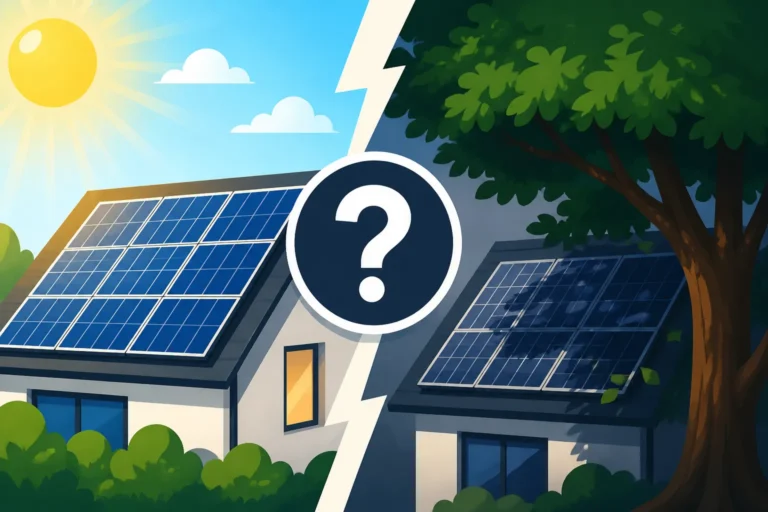
Imagine spending $20,000-$30,000 on a solar panel system, only to discover five years later that your roof is leaking, or shingles are failing. Suddenly, you're faced with the daunting task of having those panels carefully removed by the solar installers, your roof repaired or replaced, and then the panels reinstalled. Each step incurs its own cost – and believe me, removing and reinstalling solar panels is not cheap. It can easily add thousands of dollars to an already expensive roof project, diminishing your solar savings significantly. The goal is to install solar panels on a roof that has at least another 15-20 years of life left in it, ideally aligning its remaining lifespan with that of your solar panels. This ensures you get the maximum value and benefit from your solar investment without interruption.
Structural Integrity and Warranty Considerations
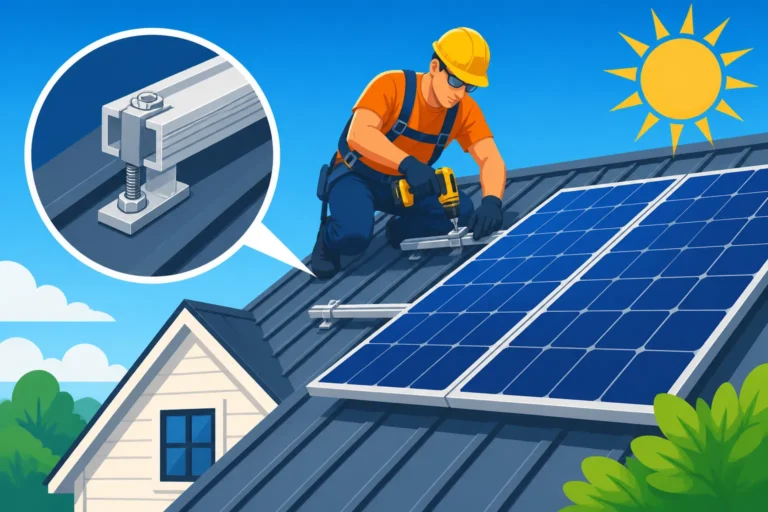
Beyond just leaks, an aging roof can also compromise the structural integrity needed for solar panels. While solar panels themselves aren't excessively heavy, the racking system, the panels, and the potential for snow load in colder climates add weight. A reputable solar installer will always perform a structural assessment, but if your roof decking or trusses are already weakened by age or prior damage, it could lead to complications. Furthermore, installing solar panels often involves penetrating the roofing material to secure the racking. If your roof is old and brittle, these penetrations could inadvertently cause damage or void existing roof warranties. Most solar installers offer their own roof penetration warranty, but if the underlying roof material itself is compromised, even a perfect installation won't prevent problems arising from the roof's inherent issues. It’s important to understand the full scope of what your solar panel warranties cover.
Assessing Your Existing Roof's Health
Before you even start getting solar quotes, taking an honest look at your roof's condition is a smart first step. Many of us don't really think about our roof until there's a problem, but being proactive here can save you a lot of stress and money. You want to make sure the canvas is ready for the masterpiece of solar panels.
Visual Inspection and Common Red Flags
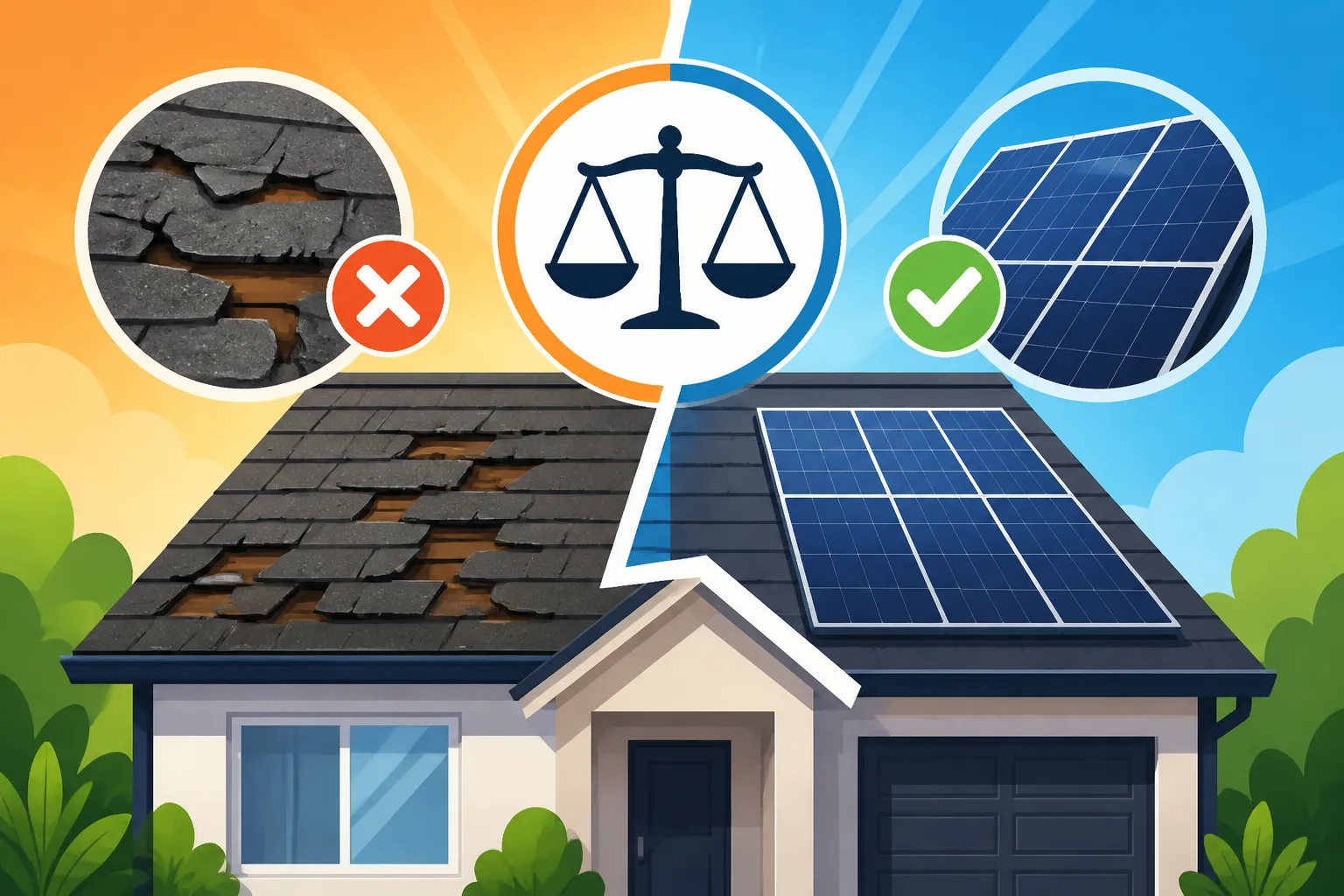
Start with a simple visual check, safely from the ground or using binoculars. What do you see? Are there any missing, cracked, or curling shingles? Are there dark streaks or moss buildup, especially on the north side or in shaded areas? Pay attention to any sagging sections, particularly near the eaves or valleys, as this could indicate underlying structural issues. Look for granules from asphalt shingles accumulating in your gutters – this is a tell-tale sign that your shingles are nearing the end of their life as the protective layer wears away. If you have a metal roof, are there signs of rust or loose panels? For tile roofs, check for cracked or broken tiles. These are all common red flags that suggest your roof might need attention sooner rather than later. Even small issues can escalate once solar panels are installed, making repairs more complicated and expensive.
Professional Roof Inspection
While a visual inspection is helpful, it's really just the tip of the iceberg. To truly understand your roof's health, you'll need a professional roof inspection. This is where an experienced roofer can come in, climb up there, and give you a detailed assessment of your roof's remaining lifespan, its structural integrity, and any necessary repairs. They can identify subtle wear and tear, evaluate the flashing around chimneys and vents, and check the condition of your decking underneath. This step is non-negotiable if your roof is older than 10-15 years, or if you've noticed any of the red flags mentioned above. A thorough inspection will give you peace of mind and concrete information to make your decision. Many solar companies might offer a basic roof assessment, but it's often best to get an independent opinion from a dedicated roofing contractor, especially if significant repairs or replacement are on the table.
The Financial Side of Roof Replacement and Solar
Let's be real, nobody enjoys thinking about the cost of a new roof. It's a major home expense, and it's easy to want to push it off. However, when combined with solar, there are strategies that can make the financial burden more manageable and even beneficial in the long run. Understanding the financial implications upfront can help you plan your budget effectively.
Average Costs and Combining Projects
The cost of a roof replacement varies wildly depending on your location, the size and pitch of your roof, and the material you choose. Asphalt shingle roofs might range from $8,000 to $20,000, while metal or tile roofs can easily exceed $30,000. When you're also looking at solar panel costs, which can range from $15,000 to $30,000 or more before incentives, the combined figure can feel overwhelming.
However, there's a silver lining. If you know your roof needs replacing soon, doing it before solar installation is often the most cost-effective approach. Some homeowners have successfully rolled the cost of a new roof into their solar financing, especially if the solar loan is unsecured or if the loan provider is flexible. Always discuss these options with potential lenders and solar installers. Combining these projects can sometimes streamline the process and even potentially qualify for some financing benefits, though it's less common for the roof itself to receive direct solar incentives. It's also worth investigating the specifics of roof replacement costs in your area.
Financing Options for a Combined Project
If you're facing both a roof replacement and a solar installation, it might feel like you're staring down a financial mountain. But there are pathways to make it happen. Many homeowners choose to finance their entire solar system, and sometimes, a portion of the roof work can be included in that solar loan, particularly if the roof is a direct prerequisite for the solar installation. Another option is a home equity loan or a HELOC (Home Equity Line of Credit), which can cover both home improvements at a lower interest rate than a personal loan. Some specialized programs, like PACE (Property Assessed Clean Energy) financing, also exist in certain states and localities. These programs attach the loan to your property taxes, which can be beneficial for some, but they also come with their own set of considerations and risks you need to thoroughly understand. Engaging with a service like Modernize can connect you with contractors who understand these financing complexities for both roofing and solar.
Timing Your Roof Replacement with Solar Installation
The logistics of getting both a new roof and solar panels can seem like a complex dance. Should you do one, then the other? Or can they happen almost simultaneously? The good news is that with careful planning and coordination, you can manage both projects efficiently, ensuring a smooth transition to your solar-powered home.
The "Roof First" Approach
For the vast majority of homeowners whose roofs are nearing the end of their useful life, the consensus among experts is clear: replace the roof before installing solar panels. This might seem obvious, but sometimes homeowners try to cut corners or delay the inevitable, only to regret it later. Installing solar panels on a brand-new roof, or one with many years of life left, offers numerous advantages:
- Longevity: Your solar panels will sit on a robust, warrantied surface for their entire lifespan, minimizing the risk of having to remove them for roof repairs.
- Seamless Installation: Installers can work on a fresh, clean surface without worrying about damaging existing, fragile roofing materials. They can also ensure all necessary flashing and seals are properly integrated with the new roof, enhancing water protection.
- Warranty Preservation: A new roof comes with its own warranty, which is far less likely to be impacted by solar installation when the roof is new and in pristine condition.
- Cost Efficiency: While the upfront cost is higher, avoiding a future "remove and reinstall" fee (which can range from $2,000 to $6,000, or even more, depending on system size and complexity) makes this approach more cost-effective in the long run.
Think about it like this: you wouldn't paint over peeling, rotten wood and expect it to last. The same principle applies here. Get the foundation right first.
Coordinating with Your Solar Installer
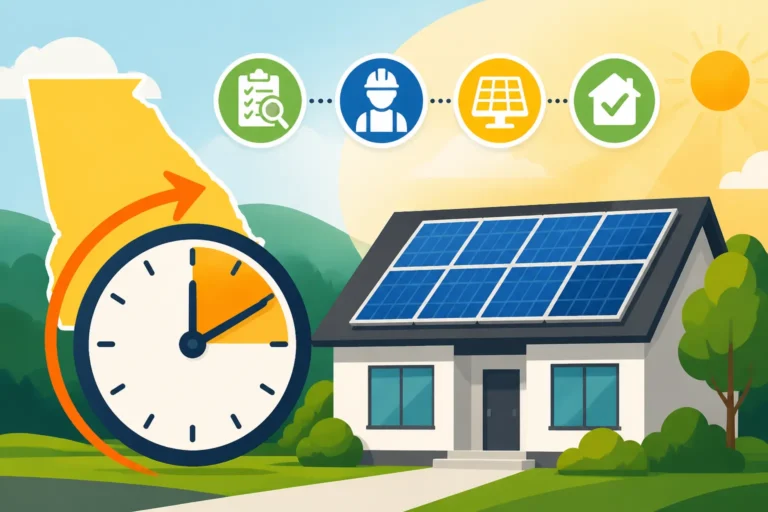
Once you've decided to replace your roof, the next step is to coordinate closely with your chosen solar installer. Many solar companies have partnerships with local roofing contractors, or they can recommend reputable ones they've worked with before. This can simplify the process, as the companies are often accustomed to coordinating schedules and project requirements.
Ideally, your roofing project should be completed just before the solar installation begins. This ensures the roof is ready and inspected, allowing the solar crew to move in without delay. Communicate openly about timelines and expectations. Some homeowners even opt to have their solar installer oversee the roofing aspect as part of a larger project, which can streamline project management and ensure that all roof upgrades necessary for solar—like any electrical conduit runs or structural reinforcements—are handled correctly. Don't be afraid to ask important questions about how they handle roof-related issues, as their approach can vary significantly.
What Happens if You Don't Replace Your Roof?
It's tempting to think you can just slap solar panels on an older roof and hope for the best, especially if you're trying to save money upfront. However, this decision comes with its own set of risks and potential future costs that homeowners often overlook. Understanding these downsides is crucial for making an informed choice.
Warranty Implications and Risks
One of the biggest concerns with installing solar panels on an older roof is the impact on warranties. Your roofing warranty, if it's still active, could be partially or entirely voided by the installation of solar panels, especially if the roofing material is already compromised. While solar installers typically offer a workmanship warranty that covers any leaks specifically caused by their penetrations, this won't cover general roof failure due to age. If your roof gives out in an area not directly related to a solar panel penetration, you're on your own, and the presence of panels will make future repairs far more complicated and expensive.
Moreover, if your roof starts leaking due to age under the solar panels, you could be facing a double whammy: the cost of removing the panels, the cost of roof repair, and then the cost of reinstalling the panels. This unforeseen expense could easily wipe out years of solar savings. The risk escalates significantly if your roof is already showing signs of wear and tear, like curling shingles or excessive granule loss.
Future Removal and Reinstallation Costs
Let's assume the best: your older roof holds up for a while after solar installation. But what happens when it eventually does need replacing? You'll still have to contend with the panels. As mentioned earlier, the process of removing solar panels for a roof replacement and then reinstalling them is an additional, often significant, expense. This isn't usually covered by your solar warranty, nor is it typically included in your new roofing contract.
These costs are often calculated per panel or per system size and can vary based on your installer, the complexity of your roof, and the type of equipment. It's an extra layer of hassle and expense that could have been avoided by proactively replacing the roof beforehand. This is a common frustration for homeowners who discover their solar installation process didn't account for immediate roof needs.
Alternative Solutions and Considerations
If a full roof replacement simply isn't feasible right now due to budget constraints, are there any other options? Sometimes, minor roof repairs can extend the life of your existing roof enough to justify solar installation. This might involve replacing a few damaged shingles, repairing flashing, or reinforcing weak spots. However, this is usually only a viable solution for roofs that are still relatively young (e.g., 10-15 years old) and have isolated issues, not systemic aging. A qualified roofer can advise if this is a realistic short-term fix.
Another consideration for homeowners with older roofs or complex situations might be community solar. With community solar, you subscribe to a share of a local solar farm and receive credits on your electricity bill, without needing to install anything on your own roof. This completely bypasses the roof age dilemma. While not available everywhere, it's an excellent option for renters, condo owners, or those with unsuitable roofs.
Making the Smart Decision for Your Home
The decision to replace your roof before going solar isn't always easy, especially with the significant investment involved. But by weighing all the factors and thinking long-term, you can make a choice that truly benefits your home and your wallet. This is about more than just panels; it's about the entire ecosystem of your home's energy future.
Long-Term Savings vs. Short-Term Budget
It's natural to focus on the immediate costs. A new roof and solar panels upfront can feel daunting. However, consider the total cost of ownership over 25-30 years. Investing in a new roof now, alongside your solar system, can prevent future costs associated with panel removal, roof repairs, and reinstallation, which can easily add up to thousands of dollars in unforeseen expenses. These potential future costs can significantly eat into your expected solar savings.
By tackling both projects simultaneously, or at least consecutively, you maximize the uninterrupted lifespan of your solar system and the peace of mind that comes with a robust, new roof. This combined approach often leads to greater overall savings and a better return on your solar investment in the long run. When calculating your potential solar panel payback period, don't forget to factor in these long-term roof considerations.
Peace of Mind and Home Value
Beyond the financial calculations, there's the invaluable factor of peace of mind. Knowing that your solar panels are installed on a reliable, new roof eliminates a major source of potential stress and worry. You won't have to constantly wonder if the next storm will expose a weakness in your old roof under those panels. This peace of mind is truly priceless.
Moreover, a new roof combined with solar panels can significantly boost your home's value. Buyers are often hesitant about purchasing a home with an old roof or a leased solar system. A new, owned solar system on a new roof makes your home incredibly attractive, as it represents decades of low energy bills and minimal maintenance for the new owners. It's a double upgrade that signals quality and future-proofing. Many resources, including those from Modernize, highlight how these upgrades can positively impact your property value.
Key Factors in Your Decision-Making Process
To help you organize your thoughts, here’s a table summarizing the typical lifespan of common roofing materials and how their age should influence your solar decision.
| Roofing Material | Average Lifespan (Years) | Solar Compatibility Notes | Recommended Action for Solar |
|---|---|---|---|
| Asphalt Shingles | 15-30 | Most common, relatively easy for solar installation. Lifespan depends on quality (3-tab vs. architectural). Granule loss is a key indicator of age. | If >15 years old, consider replacement. If <10 years, likely fine. |
| Metal | 40-70+ | Excellent for solar, very durable. Solar panels can often be installed without penetrating the metal itself. | Usually excellent, often outlasts solar panels. |
| Tile (Clay/Concrete) | 50-100+ | Very durable but can be fragile. Installation may require removing and replacing tiles. Can add to labor costs. | Excellent, but ensure tiles are not brittle or cracked. |
| Wood Shake/Shingle | 20-40 | Aesthetic but prone to rot, moss, and fire risk. Installation requires careful planning. | If >20 years old, strongly consider replacement due to wear. |
| Flat/Low-Slope (TPO, EPDM, PVC) | 20-30 | Often require ballasted systems (no penetrations) or special mounting. Material age is crucial for water integrity. | If >15 years old, consider replacement due to potential for leaks. |
Ultimately, the best approach is to be proactive. Get a professional roof inspection. Gather quotes for both a new roof (if needed) and solar. Compare the costs and projected savings over the full lifespan of the solar system. Don't be afraid to combine forces and coordinate with a reliable solar installer, perhaps one found through services like Modernize, who can help you navigate both aspects of this significant home improvement. Your home, and your wallet, will thank you for it.
Disclaimer
The information provided in this guide is intended for general informational purposes only and does not constitute professional advice. Homeowners should consult with qualified roofing contractors and solar professionals to assess their specific roof conditions, structural requirements, and solar installation needs. Costs and incentives vary by location and time.