What Is the Best Solar Panel for a Large Home?
If you’ve got a sprawling home, you understand the unique challenge of keeping those energy bills in check. The sheer size of your property often translates to higher electricity consumption for heating, cooling, and all the modern conveniences that make a large house feel like home. Choosing solar panels for such a significant energy demand isn't just about picking any panel; it's about finding the right blend of power, efficiency, and reliability to truly make a dent in those costs and provide lasting energy independence. This guide will walk you through everything you need to know to select the best solar panels for your large residence.
Understanding the Unique Needs of a Large Home for Solar
Let's be real, a larger home isn't just more square footage; it often means more appliances, more lighting, and more space to climate control. This higher baseline energy usage fundamentally changes how you approach solar power. It's not just about offsetting a portion of your bill; it's about generating a substantial amount of electricity to cover your extensive needs.
High Energy Consumption and System Sizing
For many homeowners with larger properties, the biggest hurdle is simply how much electricity they use. Think about it: multiple HVAC zones, often a second refrigerator or freezer, perhaps a home office with several computers running all day, maybe even an electric vehicle charging station. All of this adds up quickly, pushing your monthly kilowatt-hour (kWh) usage far above the national average. When considering solar, your first step isn't looking at panels, it's looking at your past utility bills. You'll likely find consistent usage in the upper hundreds or even thousands of kWh per month.
This high consumption dictates that you’ll need a larger solar energy system overall. Instead of a standard 6-8 kW system that might suffice for a smaller home, you could easily be looking at a 10 kW, 12 kW, or even 15 kW system to cover your needs adequately. This means more solar panels, potentially more robust inverters, and a greater overall investment. Understanding how to accurately determine your power needs is crucial, and you can learn more about this by exploring resources like how many solar panels do I need for my home?. Without a system appropriately sized for your demand, you might end up still relying heavily on grid power, diminishing your savings.
Roof Space and Aesthetic Considerations
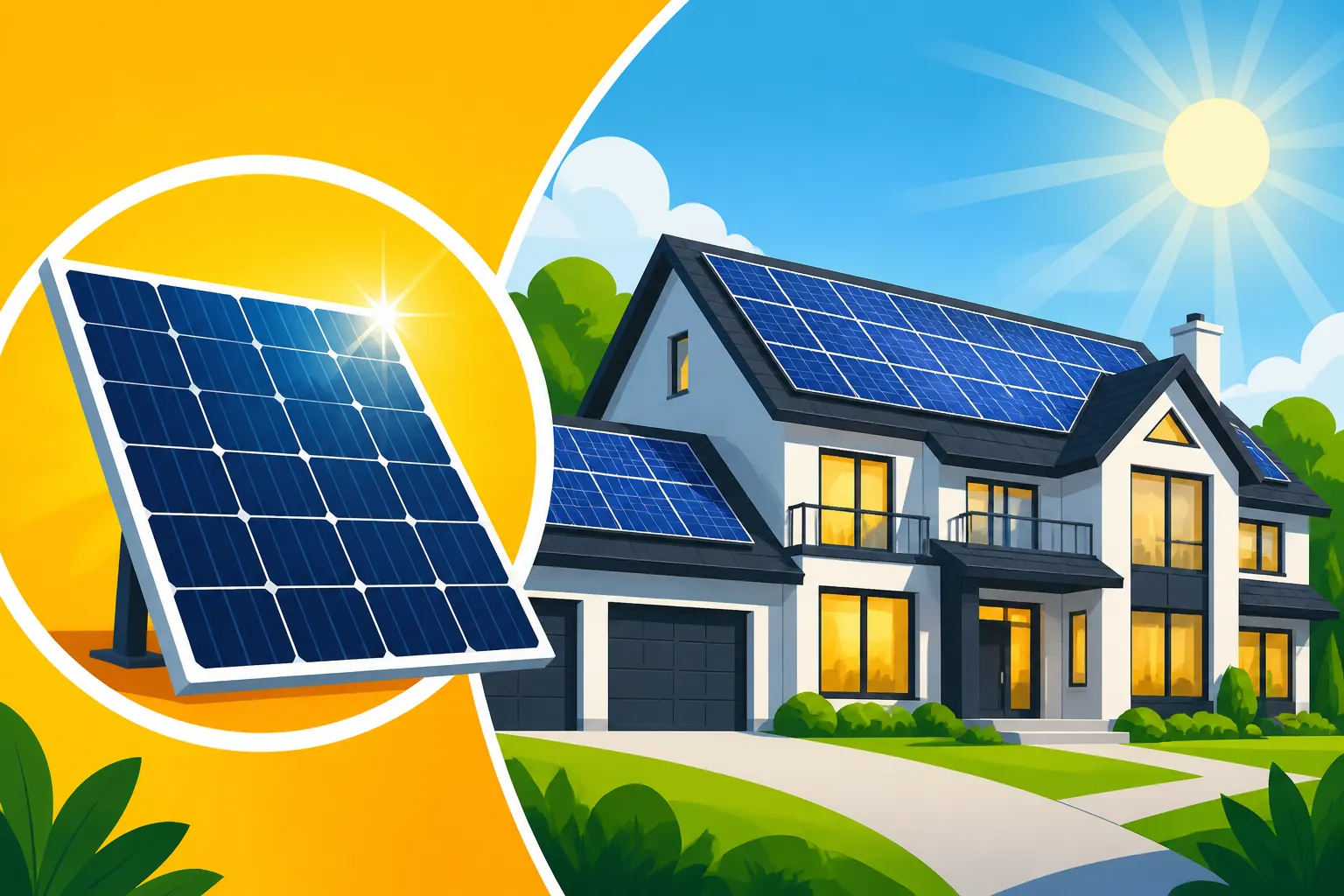
One advantage a larger home often offers is ample roof space. This might seem obvious, but it’s a huge plus for solar. More roof area means you have greater flexibility to accommodate the higher number of panels required for a larger system. You might even have multiple roof sections with ideal sun exposure, allowing for an optimized layout. However, it also means that the solar array will be a more prominent feature of your home's exterior.
For many, the aesthetics of their home are incredibly important. With a large roof, the visual impact of solar panels is magnified. This is where panel choice matters beyond just efficiency. Do you prefer sleek, all-black monocrystalline panels that blend seamlessly with your roof? Are you looking for panels with a low profile? Considerations like frame color, mounting hardware visibility, and even the uniformity of the panel array become more critical. You want a system that not only performs exceptionally but also complements your home's architecture, especially if your property is a significant investment in itself.
Long-Term Performance and Durability
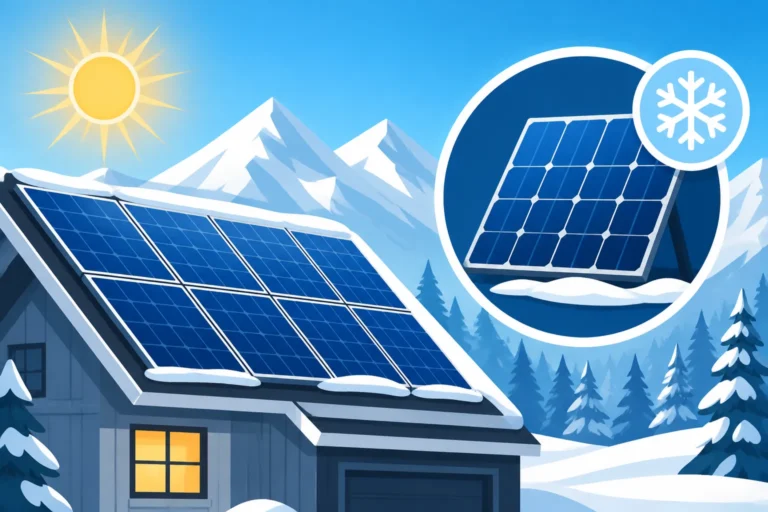
Installing solar on a large home is a significant long-term investment. You're not just thinking about the next five years; you're planning for decades of energy production. This makes the longevity and consistent performance of your chosen panels paramount. You need panels that can withstand the elements – be it scorching summer heat in Florida, heavy snow loads in the Northeast, or the relentless sun of Arizona – without significant degradation in output.
The goal is to install a system that will reliably produce power for 25 years or more, reducing your dependence on fluctuating utility rates and increasing your home’s value. This means prioritizing quality materials, robust construction, and manufacturers with a proven track record of durability and excellent customer service. You don't want to invest in a large system only to find panels failing or significantly losing efficiency well before their expected lifespan.
Key Factors When Choosing Solar Panels for High Energy Consumption
When your energy demands are substantial, every watt counts. Choosing the right solar panels isn't just about finding the cheapest option; it's about optimizing for efficiency, resilience, and long-term value.
Panel Efficiency and Power Output
For large homes, efficiency is often the name of the game. A higher efficiency rating means that each individual solar panel can convert a greater percentage of sunlight into usable electricity. Why is this so crucial for a large residence? Because even if you have a vast roof, you still want to make the most out of every square foot of available space. More efficient panels mean you can generate more power with fewer panels, or achieve your desired system size in a more compact footprint.
Modern solar panels typically range from 17% to over 23% efficiency. For a large home aiming to offset a significant portion of its electricity bill, targeting panels in the 20-23% range or higher is highly advisable. This translates directly to higher power output per panel, often ranging from 400W to 450W or even more. A 450W panel, for instance, will produce more electricity than a 370W panel in the same amount of sunlight, requiring fewer physical panels to reach your target system size, say 12 kW. This also ties into understanding your solar panel cost per watt, as higher efficiency panels sometimes have a slightly higher upfront cost per panel, but can be more cost-effective overall due to requiring fewer units and less labor for installation.
Temperature Coefficient and Performance in Various Climates
It might surprise you, but solar panels don't always perform their best on the hottest, sunniest days. In fact, excessive heat can actually decrease a panel's efficiency. This is where the "temperature coefficient" comes into play. This metric tells you how much a panel's power output will decrease for every degree Celsius rise above 25°C (77°F). A lower (closer to zero or less negative) temperature coefficient indicates better performance in hot conditions.
For large homes, especially those in warmer climates like Texas, Florida, or Arizona, a good temperature coefficient is incredibly important. You want your system to maintain strong performance even when the summer sun is beating down. Panels with excellent temperature coefficients ensure that your electricity production remains consistent and robust, preventing a significant drop in output when you need it most – often during peak air conditioning usage. Researching this specification can make a noticeable difference in your actual annual energy production and overall savings, year after year.
Product and Performance Warranties
A solar energy system is a 25-year-plus investment, and for a large home, that investment is substantial. This makes understanding and evaluating solar panel warranties absolutely non-negotiable. You're primarily looking at two types of warranties:
- Product Warranty: This covers defects in manufacturing, materials, and workmanship. It's essentially an assurance that the physical panel itself won't fail prematurely. For high-quality panels, you should expect a product warranty of at least 12-15 years, with some premium brands offering 25 years or even more.
- Performance Warranty: This guarantees that the panels will produce a certain percentage of their original rated power output over time. Solar panels naturally degrade slightly over their lifespan. A typical performance warranty might guarantee 90% of original output after 10 years and 80-85% after 25 years. Look for panels that offer a higher retained percentage of power over time, as this directly impacts your long-term energy savings.
For a large home, where consistent output over decades is key to realizing your return on investment, robust warranties provide critical peace of mind. They protect your substantial investment against unforeseen issues and ensure that your system continues to generate the expected amount of electricity for the duration of its life. You can dive deeper into this topic with our guide on solar panel warranties explained.
Top Solar Panel Technologies and Brands for Large Homes
When you're equipping a large home, you're looking for the best of the best—panels that deliver consistent, high-output performance. This means turning to advanced technologies and reputable brands known for their cutting-edge innovations and reliability.
Monocrystalline PERC, TOPCon, and HJT Technologies
Gone are the days when all solar panels were created equal. Today's market offers highly sophisticated technologies that are particularly well-suited for high-demand applications like large homes.
- Monocrystalline PERC (Passivated Emitter Rear Cell): This is still a dominant high-performance technology. PERC technology allows solar cells to capture more sunlight, even from indirect sources, by adding a passive layer on the back of the cell. This boosts efficiency and improves performance in low-light conditions and higher temperatures. Most high-efficiency panels you see on the market today incorporate PERC technology.
- TOPCon (Tunnel Oxide Passivated Contact): This is an evolution of PERC, taking efficiency even further. TOPCon cells feature an ultra-thin silicon dioxide layer and a doped polysilicon layer, which significantly reduces electron recombination losses, leading to higher open-circuit voltage and improved module efficiency. Panels utilizing TOPCon can push efficiencies well beyond 22-23%, making them fantastic for maximizing output from a given roof area.
- HJT (Heterojunction Technology): HJT combines the best aspects of monocrystalline silicon with thin-film technology. These cells boast exceptional efficiency, excellent temperature coefficients, and strong performance in diffuse light. HJT panels often have a bifacial design, meaning they can capture light from both the front and back surfaces, further increasing energy yield – a potential boon for certain mounting configurations or lighter-colored roofs.
For a large home, investing in these advanced technologies means you're getting the most power from each panel, ensuring your substantial energy needs are met efficiently and reliably over the long haul. When you're looking for the best solar panels of 2026, these technologies are at the forefront.
Leading Brands Known for High Performance
When it comes to outfitting a large home, you want to partner with brands that have a proven track record of quality, innovation, and strong customer support. These manufacturers consistently produce panels with high efficiency, excellent durability, and robust warranties.
- Maxeon (SunPower): Often considered the gold standard for residential solar, Maxeon panels (formerly SunPower) consistently lead the industry in efficiency and boast an incredibly low degradation rate. Their unique cell design makes them highly durable and resistant to cracking and corrosion. Many homeowners are willing to pay a premium for Maxeon's industry-leading 40-year combined warranty and exceptional performance, especially for larger systems where long-term reliability is paramount.
- REC Solar: A Norwegian company known for its commitment to quality and sustainable manufacturing, REC offers high-performance panels, particularly their Alpha series which utilize HJT technology. These panels feature impressive efficiency ratings and a solid 25-year product and performance warranty, making them a very strong contender for large residential projects.
- Qcells: A global leader, Qcells (Hanwha Qcells) panels offer a fantastic balance of high efficiency, reliability, and value. Their Q.PEAK DUO series, for example, utilizes half-cut cell technology to improve performance, especially in shaded conditions. They are a popular choice for homeowners seeking robust performance without the absolute top-tier price point of some other premium brands.
- Jinko Solar: As one of the largest solar panel manufacturers globally, Jinko Solar consistently produces high-quality, high-efficiency panels, including those with N-type TOPCon technology. Their panels are known for their strong performance, especially in hot climates, and represent a reliable option for large-scale residential installations.
Choosing panels from these reputable brands ensures you’re getting a product that can stand up to the demands of a large household for decades. Here’s a quick comparison:
| Brand | Typical Efficiency Range | Product Warranty | Performance Warranty (Year 25) | Key Technology Focus |
|---|---|---|---|---|
| Maxeon (SunPower) | 22.8% – 23.6% | 40 years | 92.0% | Maxeon cell, Interdigitated Back Contact (IBC) |
| REC Solar | 21.7% – 22.3% | 25 years | 92.0% | Alpha HJT, Twin-Panel design |
| Qcells | 21.0% – 22.0% | 25 years | 86.0% | Q.ANTUM DUO (PERC, half-cut cells) |
| Jinko Solar | 21.5% – 23.2% | 25 years | 87.4% | N-type TOPCon, Hot 2.0 Technology |
(Note: Efficiency and warranty details can vary by specific model and year. Always check the latest specifications.)
Integrated Systems and Energy Storage Options
For large homes, thinking beyond just panels and considering an integrated solar energy system can lead to even greater savings and energy independence. This means pairing your high-performance panels with smart inverters and robust battery storage.
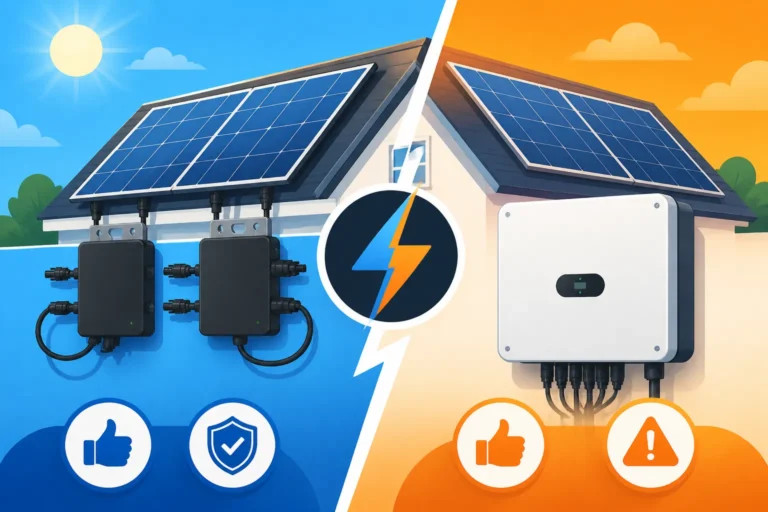
- Inverter Technology: For larger systems with many panels, especially across different roof facets or with potential shading issues, microinverters (like those from Enphase) or power optimizers (like those from SolarEdge) are often superior to traditional string inverters. They allow each panel to perform independently, maximizing overall system output and providing panel-level monitoring. This is particularly beneficial for large, complex roofs. If you're weighing your options, our guide on Enphase vs SolarEdge: which inverter is better? can offer more insight.
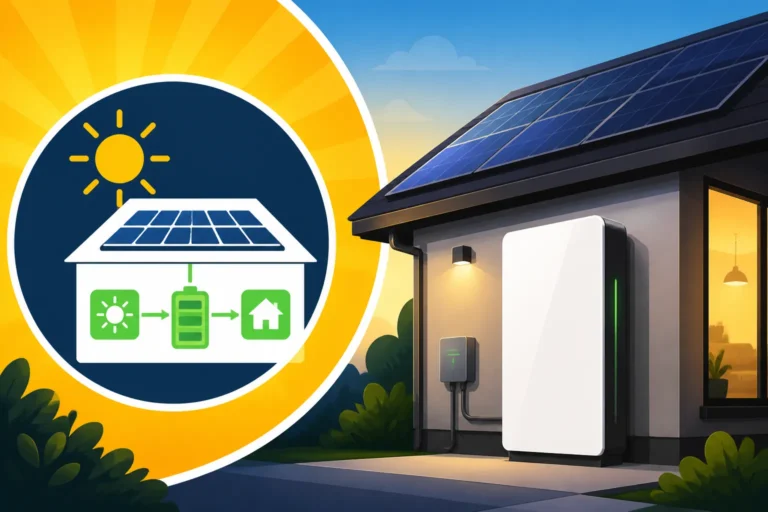
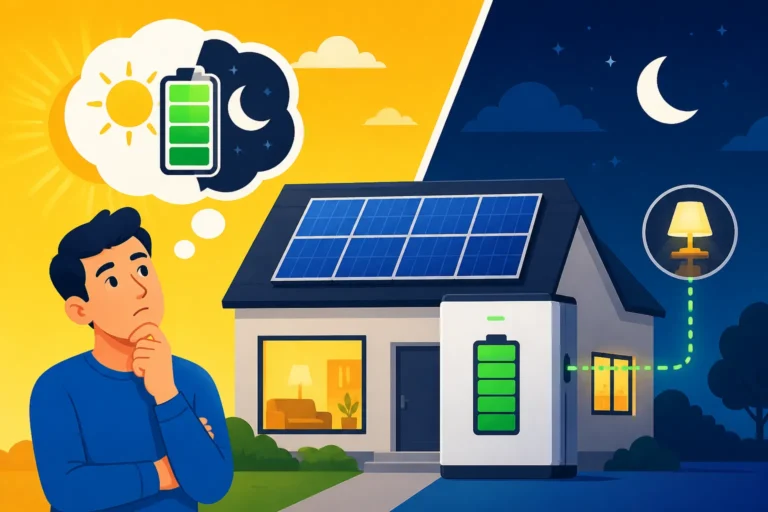
- Energy Storage: With high energy consumption, a solar battery becomes an incredibly valuable asset. Brands like Tesla Powerwall and Enphase IQ Battery can store excess electricity generated during the day for use at night or during grid outages. For a large home, a single battery might not be enough, and you might need multiple units or a larger capacity system to cover your needs for extended periods. This not only enhances your energy resilience but can also allow you to participate in advanced net metering programs or Time-of-Use rate structures more effectively, potentially saving you even more money. You can learn more about the benefits of specific storage solutions in our overview of the best solar batteries of 2026.
An integrated approach ensures that every component of your solar system works together seamlessly, providing maximum efficiency, reliability, and peace of mind for your large residence.
Maximizing Your Solar Investment for a Large Residence
Going solar on a large home is a substantial undertaking, but with careful planning and execution, it can lead to monumental savings and increased property value. Maximizing your investment means paying attention to design, financial planning, and ongoing care.
Strategic System Design and Installation
The sheer scale of a solar installation on a large home means that meticulous system design is not just a nice-to-have, it's a critical requirement. A reputable solar installer will conduct a thorough site survey, meticulously analyzing your roof's orientation, pitch, and any potential shading from trees or nearby structures throughout the year. For a sprawling roof, they might need to design the array across multiple roof planes to capture optimal sunlight. This strategic placement ensures that your many panels are working at peak efficiency, maximizing their collective energy production.
Furthermore, a professional installation ensures that the system is not only generating power effectively but is also securely mounted, properly wired, and compliant with all local building codes and utility requirements. Choosing an experienced installer who specializes in larger residential systems is paramount. They’ll have the expertise to handle the complexities of a larger array, from structural considerations to electrical integration. Don't underestimate the value of asking detailed questions and checking references when you're looking at how to choose a solar installer.
Understanding Incentives and Financing Options
Even with a larger upfront cost, the financial benefits of solar for a high-consumption home are significant, especially when you leverage available incentives. The federal solar tax credit (Investment Tax Credit, or ITC), while it has seen changes, continues to be a powerful incentive for homeowners to go solar. This credit allows you to deduct a percentage of your system's cost from your federal taxes. Beyond federal programs, many states and local municipalities offer their own incentives, such as property tax exemptions, sales tax exemptions, or state-specific rebates. For instance, some states have programs like SRECs (Solar Renewable Energy Credits) where you can earn money for the clean energy your system produces.
Navigating the various financing options is also key. While paying cash for your system offers the highest long-term ROI by avoiding interest, it's not feasible for everyone. Solar loans are a popular option, allowing you to own the system over time. You might also encounter solar leases or Power Purchase Agreements (PPAs), though for a large home, owning the system typically provides the greatest financial benefit over the long run, especially considering the higher production capacity. Understanding these financial avenues, along with federal solar incentives that still exist in 2026, will help you make the most economically sound decision for your household.
Monitoring and Maintenance for Optimal Performance
Once your large solar system is installed and operational, the journey isn't over. Proactive monitoring and occasional maintenance are vital to ensure your system continues to perform at its best for decades to come. Most modern solar systems come with monitoring apps or online portals that allow you to track your real-time energy production, consumption, and even identify any potential issues with individual panels. For a large array, this level of detailed oversight is incredibly valuable, allowing you to catch and address problems quickly before they impact your overall output.
In terms of maintenance, solar panels are generally low-maintenance. However, for a large home, keeping the array clean from dirt, dust, pollen, and debris can make a noticeable difference in performance, especially if you live in an area prone to such build-up. While rain often does a good job, a gentle rinse with a hose a few times a year, or professional cleaning, can help maintain peak efficiency. Regular visual inspections for any physical damage or loose wiring are also a good idea. By staying on top of your system's health, you ensure you're getting the maximum possible energy savings and extending the lifespan of your investment. Our guide on solar panel maintenance & cleaning can give you more specific tips on how to care for your system.
Disclaimer
Please note that the information provided in this guide is intended for general informational purposes only and does not constitute professional advice. Solar incentives, technologies, and market conditions are subject to change. It is highly recommended to consult with qualified solar professionals and financial advisors to assess your specific energy needs, eligibility for incentives, and the best solutions for your home.