Will Solar Raise My Property Taxes?
Solar panel installations affect property taxes through state exemptions, home value assessments, and local government tax policies.
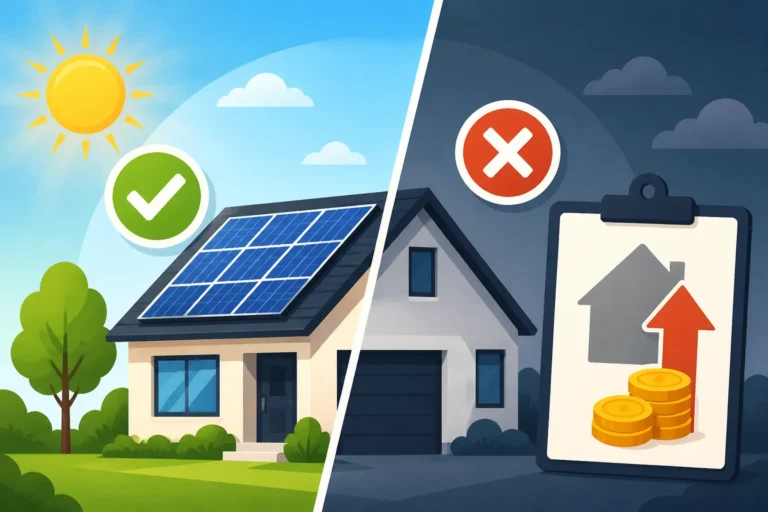
Solar panel installations affect property taxes through state exemptions, home value assessments, and local government tax policies.
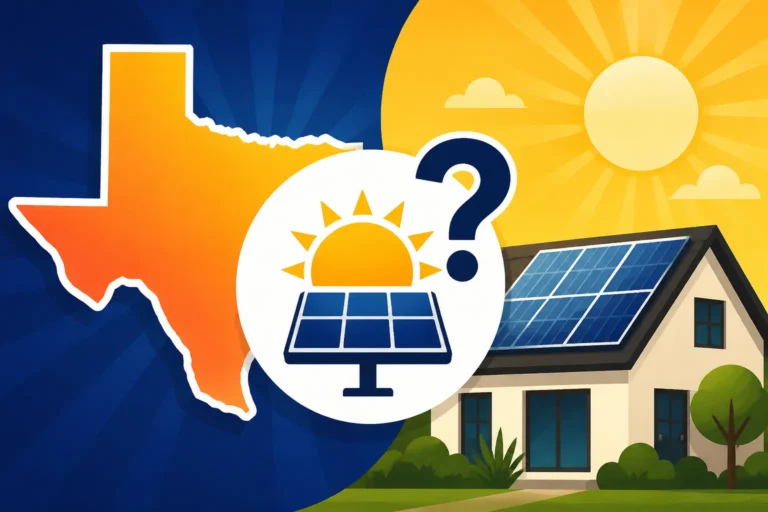
Texas property tax exemptions and local utility rebates help lower solar panel installation costs for homeowners in 2026.
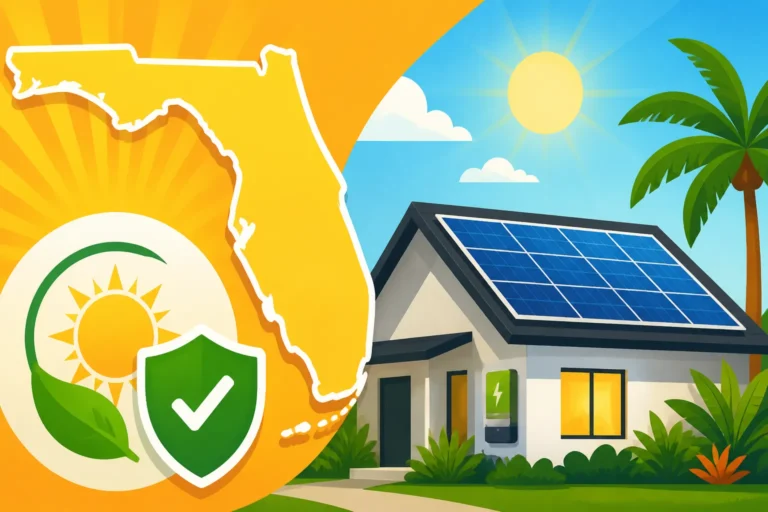
Florida sales tax exemptions and property tax abatements protect homeowners from paying extra costs on renewable energy systems.

Home solar system owners can register, track production data, and sell renewable energy credits to state utilities for cash.
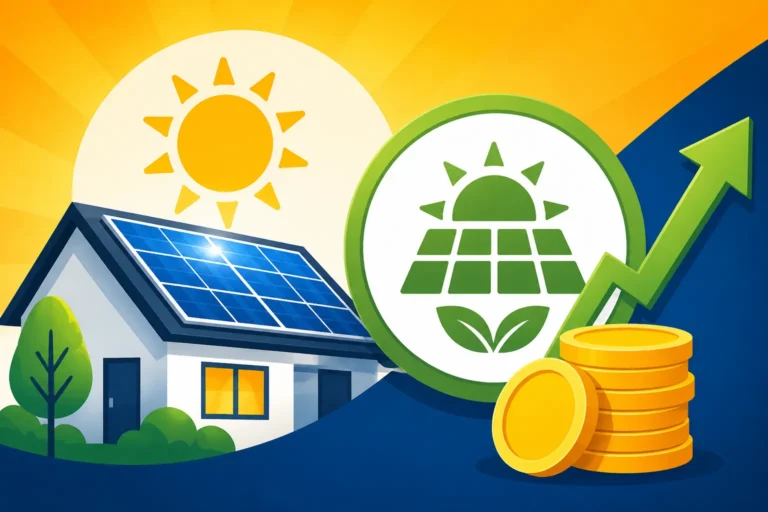
Solar Renewable Energy Credit values in 2026 across various states, driven by Renewable Portfolio Standards and market oversupply.

Solar leases reduce monthly utility bills without residential tax credits by letting companies use commercial incentives.
The federal solar investment tax credit was worth thirty percent of total home installation costs, including labor and wiring.
The thirty percent federal solar tax credit remains fully available for residential systems placed in service in January 2026.
Technology-neutral credits and state programs like the New York tax credit replacing the federal solar tax credit in 2026.
The 30 percent residential clean energy credit remains active through 2032, reducing installation costs for modern homeowners.