Are REC Solar Panels Worth the Price?
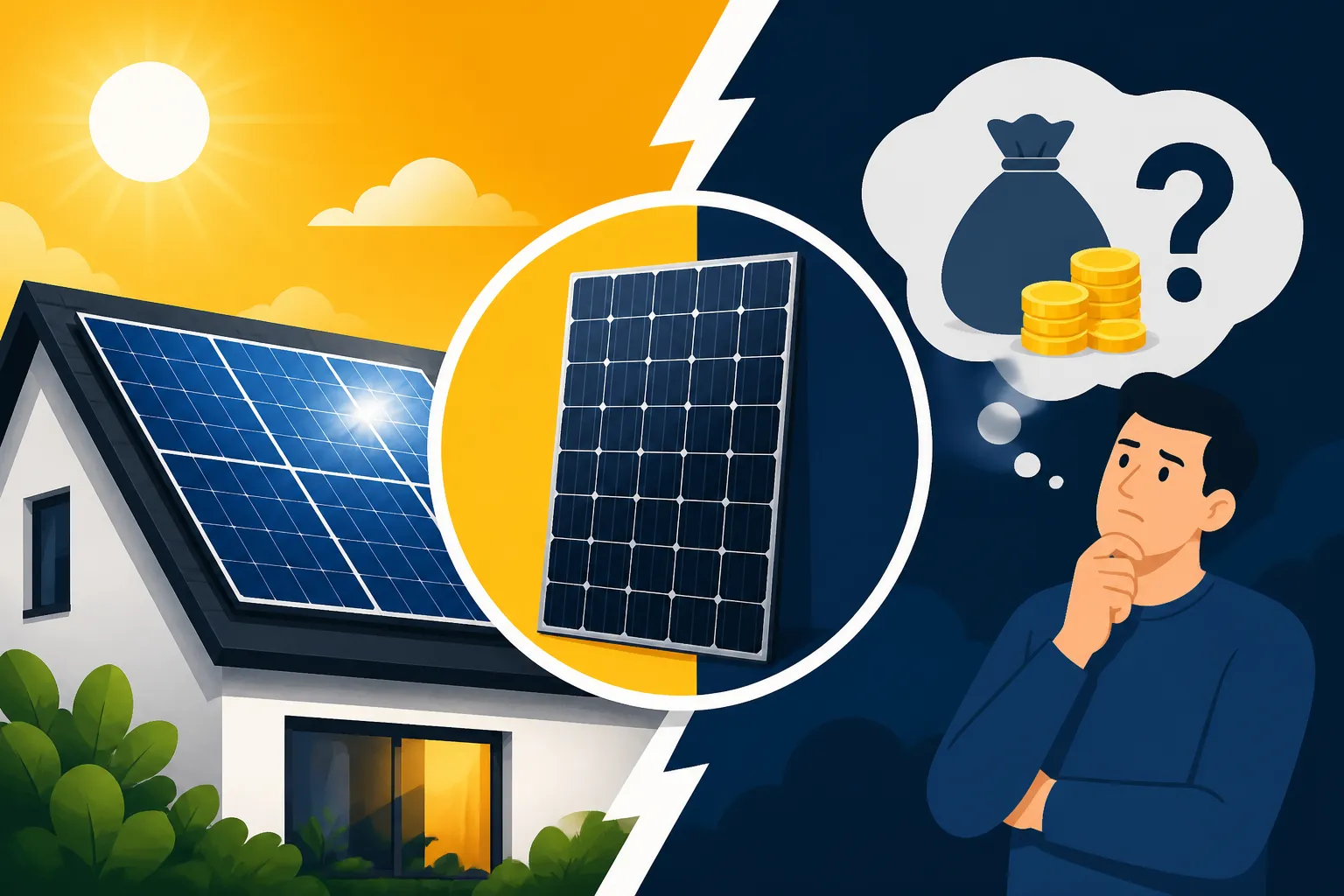
Choosing solar panels for your home can feel like navigating a maze of technical jargon and price tags, especially when you're hoping to finally escape those ever-increasing electricity bills. You've probably heard about different brands, and perhaps REC Solar has popped up, leaving you wondering if their panels, often positioned at a higher price point, are truly worth the investment. This guide is here to break down what makes REC panels unique and help you decide if they're the right fit for your solar journey.
Understanding REC Solar Panels: A Deep Dive into Quality
REC Solar isn't just another name in the crowded solar market. They've built a reputation over decades for producing high-quality, reliable solar panels. When you're looking at a long-term investment like home solar, understanding the brand behind the panels is just as important as the panels themselves.
A Legacy of Innovation and Quality
REC Group, headquartered in Norway, has been a significant player in the solar industry since 1996. While their roots are European, their primary manufacturing facility is located in Singapore, where they oversee a highly integrated production process. This means they control almost every step, from silicon purification to the final module assembly. This vertical integration is a big deal because it allows for stringent quality control at every stage, minimizing defects and ensuring consistency. They aren't just slapping together components from various suppliers; they're crafting them. This meticulous approach contributes directly to the durability and performance you expect from a premium product.
Their commitment to quality extends beyond just manufacturing. REC panels consistently perform well in independent tests and real-world conditions. This focus on reliability and longevity is a key reason why many solar installers, like those specializing in high-performance systems, often recommend REC. For homeowners looking to maximize their solar return, understanding this foundational quality is crucial. You want panels that will keep producing clean energy efficiently for decades, and REC's track record speaks volumes in that regard.
Key Features and Advanced Technology
What truly sets REC panels apart are the innovative technologies they pack into their modules. They've been at the forefront of several advancements that improve both efficiency and durability.
One of their standout technologies is the use of half-cut cells, which you'll find in many of their popular series like the REC Alpha Pure-R and REC N-Peak. Instead of full-sized solar cells, these panels use cells cut in half. Why does this matter? Well, smaller cells experience less internal electrical resistance, which means higher power output and greater efficiency. It also makes the panels more resilient to shading. If a part of your panel gets shaded by a tree branch or a chimney, a half-cut cell design can still allow the unshaded portions to produce power, reducing the impact on overall system performance. This is a crucial consideration for homeowners, especially if your roof isn't perfectly exposed to the sun all day.
Another game-changer for REC is their adoption of Heterojunction Technology (HJT) in their Alpha series panels, and more recently, n-type TOPCon in their N-Peak series. HJT combines the best aspects of monocrystalline silicon with thin-film technology, resulting in exceptionally high efficiency and excellent performance even in hotter temperatures. Most solar panels lose some efficiency as temperatures rise, but HJT panels like the Alpha Pure-R have a very low temperature coefficient, meaning they perform better on those scorching summer days in places like Phoenix, Arizona, or Austin, Texas.
The n-type TOPCon technology is another cutting-edge approach that promises even higher efficiency and better degradation rates over the panel's lifespan. This means your panels will produce more power initially and maintain that high production capacity for longer. These technological advancements are not just marketing buzzwords; they translate into tangible benefits: more electricity generated, higher savings on your utility bill, and a quicker Solar Panel Payback Period Explained.
The "Price" Factor: What Makes REC Panels Cost More?
It's no secret that REC panels often come with a higher price tag than some of their competitors. This isn't just arbitrary pricing; it's a reflection of several factors that contribute to their premium status in the solar market. Understanding these elements can help you weigh the initial cost against the long-term value.
Premium Efficiency and Performance
When you pay more for an REC panel, a significant portion of that cost goes directly into its superior efficiency and performance capabilities. As we discussed, their use of advanced technologies like HJT and n-type TOPCon allows them to achieve some of the highest efficiencies in the residential solar market. For example, some REC Alpha Pure-R panels can reach efficiencies exceeding 22%, which is well above the industry average.
Why does higher efficiency matter? Primarily, it means you can generate more power from a smaller footprint. If your roof space is limited, or you have a specific aesthetic in mind where fewer panels are preferred, then a highly efficient panel like REC is invaluable. You might need fewer panels to meet your energy needs, which can also reduce labor costs and simplify installation. This efficiency also translates to better energy production even in sub-optimal conditions, such as during cloudy days or early mornings/late afternoons. This consistent, higher output means greater overall electricity generation over the system's lifespan, leading to more substantial savings on your electricity bill and a faster return on your investment. It can even impact your ability to qualify for Net Metering Explained: How It Works by State programs by maximizing your export credits.
Robust Warranties and Longevity
Another key differentiator contributing to REC's price is their comprehensive warranty package. Most solar panels come with two main types of warranties: a product warranty (covering manufacturing defects) and a performance warranty (guaranteeing a certain output over time). REC often goes above and beyond the industry standard, offering some of the best warranties available.
For instance, many REC Alpha series panels boast a 25-year product warranty and a 25-year performance warranty, guaranteeing an impressive 92% power output after 25 years. This is significantly better than the standard 10-12 year product warranty and 80-85% performance warranty typically offered by many other brands. A longer, more robust warranty provides homeowners with immense peace of mind. It means you're protected against material defects for a quarter-century and assured that your panels will continue to produce close to their original capacity for just as long. This commitment to longevity demonstrates the manufacturer's confidence in their product, and that confidence is built into the panel's initial cost. When evaluating the Solar Panel Payback Period Explained, a strong warranty ensures your system performs optimally throughout that period and beyond.
Sustainable Manufacturing Practices
Beyond the direct performance and warranty benefits, REC also invests heavily in sustainable and ethical manufacturing processes. They are often recognized for their efforts in reducing their carbon footprint, using responsible sourcing for materials, and maintaining high labor standards. For environmentally conscious consumers, this commitment to sustainability adds significant value.
REC’s manufacturing facility in Singapore uses hydropower to produce its silicon wafers, significantly lowering the embodied carbon in their panels compared to those made with fossil fuel-powered production. They also have certifications like the EcoVadis Platinum medal for sustainability performance. While these practices might add to their operational costs, they align with the values of many homeowners who are choosing solar not just for economic reasons but also for environmental impact. Knowing your solar panels were produced with a focus on sustainability can be a major selling point and a reason to invest a little more upfront. This holistic approach to their business, from initial silicon to the final product, reinforces their premium positioning and justifies their price point for a segment of the market.
Real-World Performance and Customer Satisfaction
When you're thinking about investing in solar panels, what really matters is how they perform once they're on your roof. All the specs and warranties in the world mean little if the panels don't deliver when the sun shines (or doesn't shine). REC Solar has a strong reputation for living up to its promises in real-world scenarios.
Performance in Diverse Climates
One of the truly impressive aspects of REC solar panels is their consistent performance across a wide array of climatic conditions. Unlike some panels that might struggle in extreme heat or dim light, REC's advanced technology helps them excel.
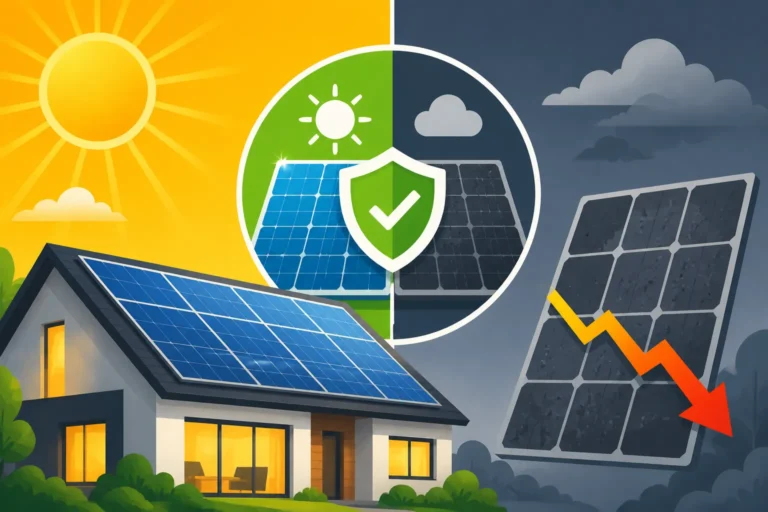
Take, for instance, a homeowner in a scorching hot state like Florida or Texas. The high temperatures can significantly reduce the efficiency of many solar panels due to their temperature coefficient. However, REC panels, particularly those with Heterojunction Technology (HJT) like the Alpha series, have a notably low temperature coefficient. This means they lose less power output as the mercury rises, performing closer to their rated capacity even on the hottest days. This resilience is a major advantage, ensuring more consistent energy production year-round. Similarly, in cooler, cloudier regions like the Pacific Northwest or parts of the Northeast, REC panels also shine. Their excellent low-light performance ensures they capture more usable energy during overcast days, foggy mornings, or even during winter months when daylight hours are shorter. This ability to perform robustly, whether it's bright and hot or cool and cloudy, makes REC a versatile choice for nearly any location, maximizing your daily energy harvest and ultimately contributing to higher Solar ROI & 25-Year Savings Breakdown.
Customer and Installer Feedback
When you talk to solar professionals and homeowners who have experienced REC panels firsthand, a clear picture emerges: high satisfaction and consistent reliability. Installers often appreciate REC panels for their build quality and ease of installation, leading to fewer issues during the setup process and beyond. They also frequently highlight the strong support from REC should any questions or issues arise, which is a testament to the company's customer service.
Homeowners, on the other hand, frequently report that their REC systems meet or exceed their expected energy production. They often speak to the panels' durability and their ability to withstand harsh weather, from heavy snow loads in states like Colorado to strong winds in coastal areas. While the initial investment might be higher, many customers feel it's justified by the peace of mind that comes with a robust, reliable system and the knowledge that they're getting what they paid for. This positive word-of-mouth and real-world validation contribute significantly to REC's reputation as a premium solar brand. If you're comparing solar installer quotes, you'll often find that installers who emphasize quality over the lowest price point will include REC as an option. You can learn more about how to choose a solar installer to ensure you're getting the best service and products for your specific needs.
Are REC Solar Panels Worth It for Your Home?
So, after diving deep into what makes REC panels tick, the million-dollar question remains: are they worth the extra cost for your home? The answer, as with most things in solar, isn't a simple yes or no. It really depends on your specific circumstances, priorities, and budget.
When REC is a Smart Investment
For certain homeowners and situations, the premium price of REC panels is absolutely a smart investment that pays dividends over the system's lifetime.
- Limited Roof Space: If your roof has limited usable space due to dormers, skylights, or shading, then highly efficient REC panels can be a game-changer. Their ability to generate more power per square foot means you might achieve your energy production goals with fewer panels than you would with a less efficient brand. This can make solar viable for homes that might otherwise struggle to produce enough power.
- High Energy Demands: Homeowners with high electricity consumption who are looking to offset a significant portion, if not all, of their utility bill will benefit from REC's consistent, high output. Over 25-30 years, that extra percentage of efficiency and lower degradation adds up to substantial additional energy produced, translating into greater financial savings.
- Long-Term Ownership and Peace of Mind: If you plan to live in your home for many years and value reliability, durability, and a strong warranty above all else, REC panels offer excellent peace of mind. Their industry-leading warranties and proven performance mean less worry about issues down the line and a greater assurance of consistent energy production for decades. This aligns perfectly with the goal of maximizing your long-term Solar ROI & 25-Year Savings Breakdown.
- Environmental Conscience: For those who prioritize sustainable manufacturing and a lower carbon footprint in their product choices, REC's commitment to ethical production methods makes them a strong contender, justifying the higher cost through their environmental stewardship.
- Maximizing Incentives: In some regions, certain State Solar Incentives: Complete 2026 Guide or Utility Solar Rebates: How to Find Yours might favor high-efficiency systems or those with longer warranties, indirectly making a premium panel like REC more attractive by enhancing your overall financial benefits.
Considering Alternatives
While REC panels are fantastic, they aren't the only option, and they might not be the best fit for every homeowner.
- Budget-Conscious Projects: If your primary concern is minimizing upfront costs, and you have ample roof space, then there are many other reputable solar panel brands that offer good performance at a lower price point. These might include companies like Jinko Solar, Canadian Solar, or Trina Solar. While their efficiencies and warranties might not match REC's top tier, they can still provide excellent value and significant savings on your energy bills.
- Lesser Energy Demands: If you only need to offset a smaller portion of your electricity usage, or your current energy bills aren't excessively high, the added efficiency and cost of REC panels might not yield a significantly faster payback period compared to a slightly less expensive, good-quality panel. In these cases, it's always smart to analyze your projected Solar Panel Cost Per Watt Explained and overall system size.
- Short-Term Ownership: If you anticipate moving in the next few years, the extended payback period for a premium system might not align with your timeline. While solar panels do increase home value, a higher initial investment might not fully recoup itself in a short window, even with a premium brand like REC. However, it's worth noting that Do Solar Panels Increase Home Value? and a high-quality system can be a significant selling point.
Ultimately, the decision comes down to balancing cost, performance, and your personal priorities. REC panels are an excellent choice for those who value top-tier quality, high efficiency, and long-term reliability and are prepared for a higher upfront investment.
Here's a quick comparison of REC panels to generic solar panels to help frame the value proposition:
| Feature | REC Solar Panels (e.g., Alpha Series) | Standard Solar Panels (Industry Average) |
|---|---|---|
| Efficiency Range | 21.0% – 22.3% | 18.0% – 20.0% |
| Product Warranty | 25 Years | 10-12 Years |
| Performance Warranty | 25 Years (Guaranteed 92% output after 25 yrs) | 25 Years (Guaranteed 80-85% output after 25 yrs) |
| Temperature Coefficient | Very Low (e.g., -0.26%/°C) | Moderate (e.g., -0.35% to -0.40%/°C) |
| Degradation Rate (Year 1) | <2% | 2-3% |
| Annual Degradation Rate | 0.25% (after Year 1) | 0.5% – 0.7% |
| Technology | HJT, n-type TOPCon, Half-Cut Cells | PERC, Half-Cut Cells (common) |
| Price Point | Premium (Often $3.25 – $4.00+ per watt installed) | Mid-range ($2.75 – $3.25 per watt installed) |
| Ideal For | Limited roof space, high energy needs, long-term owners, quality-focused | Budget-conscious, ample roof space, good value |
Remember, the actual installed Solar Panel Cost Per Watt Explained can vary significantly based on your location, installer, system size, and other factors, so always get multiple quotes and compare them thoroughly. For instance, the Solar Panel Cost in California can differ from the Solar Panel Cost in Texas due to market conditions, incentives, and labor rates. When evaluating quotes, look beyond just the panel brand and consider the entire system, including the inverter technology (like Enphase vs SolarEdge: Which Inverter Is Better?) and the installer's reputation.
Ultimately, REC solar panels offer a compelling package of high efficiency, robust warranties, and proven reliability. While they come at a higher price, for many homeowners, these benefits translate into greater long-term savings, enhanced system performance, and valuable peace of mind, making them a worthy investment.
Disclaimer
This guide provides general information about REC solar panels and the solar industry. Specific product details, warranties, and incentive programs can change. It is essential to consult with qualified solar professionals and financial advisors to assess the best solar solutions for your individual needs and circumstances. The information presented here should not be considered financial or installation advice.