Is Solar Worth It on an Older Roof?
It's a common dilemma: you're excited about the idea of harnessing the sun's power for your home, but then you look up at your roof and a wave of doubt washes over you. "Is my roof even ready for solar panels?" you wonder, especially if it's seen a few decades of sun and storms. Many homeowners fear that their older roof will complicate the process, add unexpected costs, or even make solar an unviable option. This guide is here to break down whether installing solar panels on an older roof is a good idea, what you need to consider, and how to approach it without unnecessary stress or expense.
Understanding Your Roof's Readiness for Solar
Before you even start looking at solar panel types or installers, the very first step is to get intimately acquainted with your roof's current condition. Think of your roof as the foundation for your entire solar investment; if the foundation isn't solid, anything you build on it will be at risk. This is especially true for older roofs, where age can bring a host of hidden issues.
Assessing Roof Age and Material Lifespan
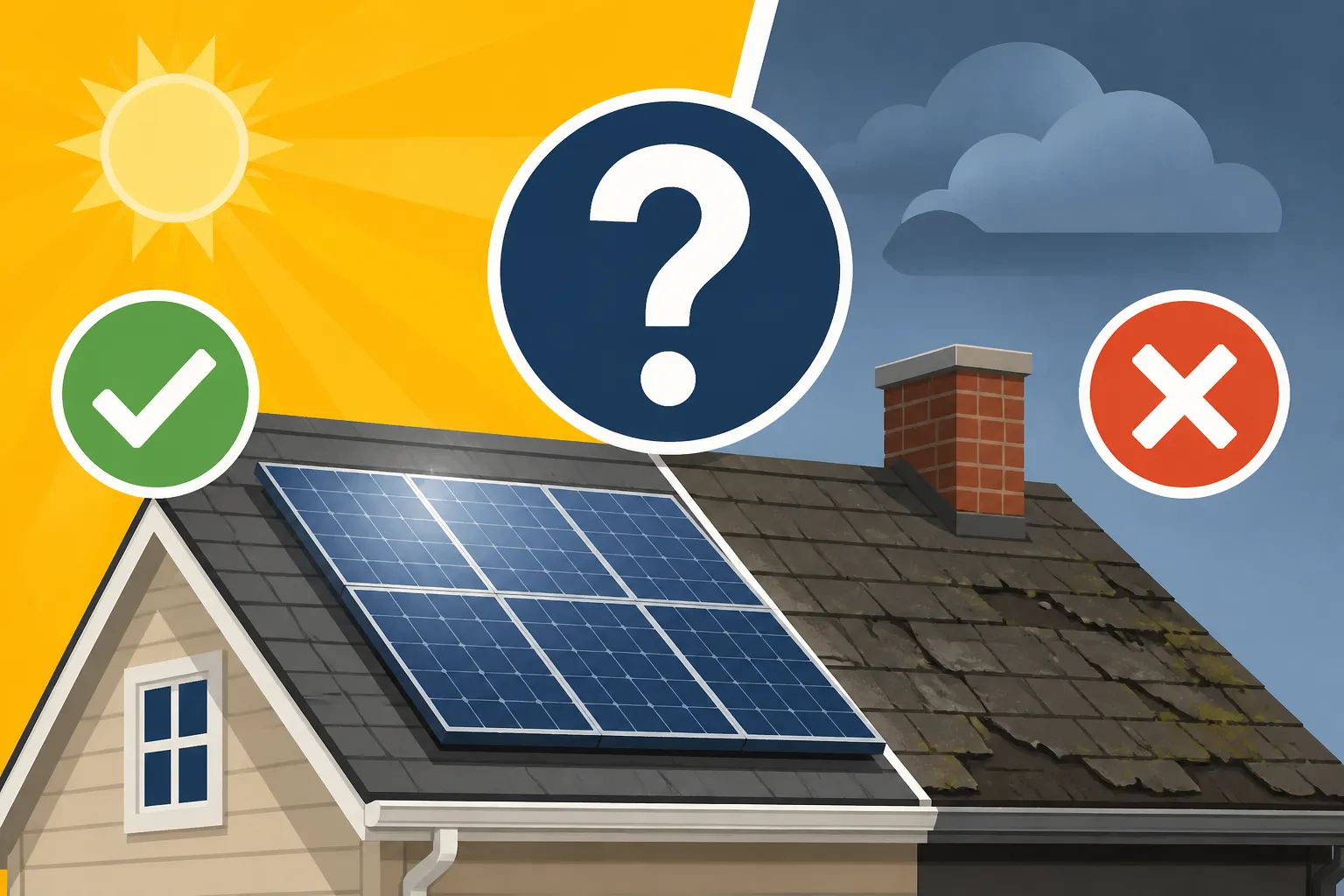
The age of your roof is arguably the most critical factor. Most asphalt shingle roofs, which are common across the United States, have an expected lifespan of 20 to 30 years, though this can vary significantly based on climate, installation quality, and maintenance. Other materials like metal roofs can last 40-70 years, while tile or slate roofs can exceed 50-100 years. If your asphalt shingle roof is already 15-20 years old, installing solar panels on it means that you're likely going to face a roof replacement long before your solar panels reach the end of their 25+ year lifespan.
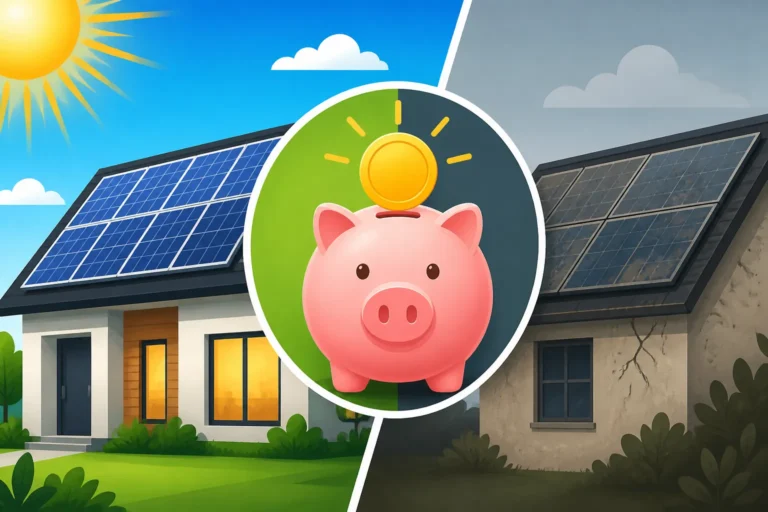
Imagine this scenario: you install a beautiful new solar system on a 15-year-old asphalt roof. Five years later, your roof starts leaking or shows significant wear. Now you're faced with the costly and complicated process of removing all the solar panels, having the roof replaced, and then reinstalling the panels. This "remove and re-install" process can easily add thousands of dollars to your expenses, sometimes negating a good portion of your solar savings. It's a logistical nightmare that's best avoided by planning ahead. A good rule of thumb is that if your roof has less than 10-15 years of estimated life left, it's usually more economical in the long run to consider a roof replacement first. For a detailed look at how different factors impact solar costs, you might want to check out our guide on what affects the cost of solar panels.
Structural Integrity and Load-Bearing Capacity
Beyond just the surface material, the underlying structure of your roof needs to be sound. Solar panels, while lighter than you might imagine, still add significant weight. A typical solar panel weighs around 40-50 pounds, and a full system for an average home could mean dozens of panels. Add in the mounting hardware, and that's a considerable load. Older homes, especially those built to older building codes, might not have rafters designed to support this extra weight, particularly if they've experienced any water damage, rot, or termite issues over the years.
A qualified solar installer or a structural engineer will need to assess your roof's load-bearing capacity. They'll look for signs of sagging, water damage, or compromised trusses. This isn't just about preventing a collapse; it's also about ensuring the system remains stable and safe for decades. Ignoring structural concerns could lead to major safety hazards, costly repairs, and even void your homeowner's insurance if an issue arises from an improperly installed system. Understanding Can My Roof Hold Solar Panels? is a crucial step in this evaluation.
Identifying Signs of Deterioration
Walk around your house and take a good, hard look at your roof. What do you see? Obvious signs of deterioration on an older roof include:
- Curling, cracking, or missing shingles: These are clear indicators that your shingles are nearing the end of their life. Sun exposure causes them to lose their flexibility and protective granules.
- Granule loss: If you see dark, sandy grit accumulating in your gutters, those are the protective granules from your asphalt shingles. Once these are gone, the shingles are much more susceptible to UV damage and wear.
- Moss or algae growth: While not always a structural issue, widespread moss or algae can trap moisture, accelerate deterioration, and obscure underlying problems.
- Water stains on your ceiling: This is a red flag that your roof is already leaking, meaning it absolutely needs repair or replacement before solar installation.
- Sagging or uneven spots: These could indicate underlying structural problems, possibly due to rot or framing issues, and must be addressed immediately.
Even if you don't see these obvious red flags, a comprehensive professional inspection is non-negotiable. Many solar companies will include a roof assessment as part of their initial site survey, but it's often wise to get an independent opinion from a reputable roofing contractor, especially if you have concerns about the roof's age or condition.
The Financial Equation: Roof Replacement vs. Solar Installation
Deciding whether to replace your roof before going solar is a significant financial decision. It can feel overwhelming to consider two major home improvement projects at once, but approaching it strategically can save you a lot of headache and money in the long run.
Cost-Benefit Analysis of Pre-Solar Roof Work
Let's be realistic: replacing a roof is a big expense, often ranging from $10,000 to $20,000 or more for an average home, depending on size, materials, and location. Adding solar panels on top of that seems like a massive upfront cost. However, delaying a necessary roof replacement until after solar installation can prove even more expensive. As mentioned, the cost to remove and reinstall solar panels for a roof replacement can range from $2,000 to $6,000 or even higher, depending on the system size and complexity. This doesn't even account for the potential damage to panels during removal and reinstallation, or the loss of solar production while your system is offline.
By replacing your roof before solar, you gain several advantages:
- Streamlined installation: The solar installers have a pristine, even surface to work with, which can make the installation quicker and potentially reduce labor costs.
- Long-term peace of mind: You won't have to worry about another major roof project for 20-30 years, allowing your solar system to perform optimally without interruption.
- Potential tax benefits: While the federal solar tax credit primarily applies to the solar equipment and installation, some states or local incentives might offer benefits that indirectly help with the combined project cost. It's crucial to understand Federal Solar Incentives That Still Exist in 2026 to maximize your savings.
- Increased home value: A new roof combined with solar panels is a powerful selling point, significantly boosting your home's appeal and value.
Ultimately, the cost-benefit analysis often leans heavily towards addressing the roof first if its lifespan is questionable. It's an investment in the longevity and efficiency of both your roof and your solar system.
Maximizing Solar Investment on a Newer Roof
When you install solar panels on a brand-new roof, you're setting yourself up for the best possible return on investment. The solar panels are designed to last 25-30 years, and by ensuring your roof has a similar lifespan, you create a harmonious system. This allows you to reap the benefits of solar energy for the entire warranty period of your panels without interruption.
Consider the economics: a typical solar panel payback period can be anywhere from 6 to 12 years, depending on your electricity rates, system cost, and available incentives. If you have to incur significant re-installation costs five or ten years into that payback period, you effectively reset or greatly extend the time it takes for your solar system to pay for itself. A new roof ensures a stable platform for your panels, optimizing their performance and protecting your investment for the long haul. This synergy makes for a far more attractive proposition, allowing you to truly understand Solar ROI & 25-Year Savings Breakdown over the entire system life.
Navigating Warranties and Insurance
Warranties become a crucial factor when combining an older roof with a new solar installation. Most solar panel manufacturers offer performance warranties of 25 years or more, and installers typically provide a workmanship warranty for their installation. However, if your roof is old and develops issues after solar installation, your solar warranties likely won't cover roof-related problems. In fact, if a roof issue leads to a problem with your solar system, it could even void parts of your solar warranty.
Similarly, homeowner's insurance can be complicated. While most policies cover solar panels as part of your home structure, they might have clauses regarding pre-existing conditions of the roof. If your older roof leaks and damages the solar system, your insurer might deny the claim if they can prove the roof's condition was a contributing factor. Getting a new roof before solar simplifies insurance claims and ensures you're fully covered. It also helps avoid conflicts between your roofing warranty and your solar panel warranty, ensuring clearer responsibility if an issue arises. Always discuss these scenarios with both your solar installer and your insurance provider.
Practical Steps for Going Solar with an Older Roof
If you've determined that your older roof might need some attention, don't despair! There's a clear path forward that minimizes hassle and maximizes your solar investment. Taking these practical steps ensures a smooth transition to clean energy.
Getting a Professional Roof Inspection
This is the non-negotiable first step. Don't rely solely on your own assessment, no matter how handy you are. Contact at least two reputable roofing contractors in your area for a thorough inspection. Many will offer free estimates. Ask them to:
- Assess the current condition: What's the overall health of your roofing material? Are there any visible signs of wear, damage, or leaks?
- Estimate remaining lifespan: Given its current condition and material, how many years does your roof realistically have left?
- Evaluate structural integrity: Can your roof handle the additional weight of solar panels, especially considering local snow loads or wind conditions? This might involve looking in the attic.
- Provide repair vs. replacement options: If your roof has minor issues, can they be repaired to extend its life sufficiently for solar? Or is a full replacement the wiser option?
Be transparent with the roofing contractors about your solar plans. Let them know you're considering solar, as this might influence their recommendations, especially regarding materials that are good for solar, like certain asphalt shingle types or metal roofs. Companies like Modernize can help connect you with reputable local roofing and solar professionals who understand these intertwined projects.
Coordinating Roof Replacement with Solar Installation
If a roof replacement is recommended, the next step is to coordinate it seamlessly with your solar project. The ideal scenario is to have the new roof installed first, then the solar panels. This eliminates the "remove and re-install" costs entirely.
Here's how to manage the coordination:
- Inform your solar installer early: Let your chosen solar provider know your roof replacement plans. They can advise on the timing and even recommend roofing contractors they've worked with successfully.
- Consider a combined project: Some solar companies also offer roofing services or partner closely with roofing companies. This can sometimes streamline the process, as one point of contact manages both projects. However, always compare quotes to ensure you're getting the best value for both aspects.
- Factor in lead times: Both roofing and solar installations have their own timelines for permits, material delivery, and scheduling. Plan accordingly to avoid unnecessary delays. Getting How Long Does Solar Installation Take? can give you a good idea of the time commitment involved.
- Choose durable roofing materials: If you're getting a new roof, consider materials that are highly durable and have a long lifespan, such as standing seam metal, architectural asphalt shingles with a 30-year warranty, or even some composite materials. These choices will better match the longevity of your solar panels.
By planning these two projects together, you ensure that your solar panels are installed on the best possible foundation, ready to generate clean energy for decades to come.
Choosing the Right Solar Mounting System
The type of roof you have, especially if it's an older or unique material, might influence the best solar mounting system. While standard rail-based systems are common, some situations call for specific solutions.
- Asphalt Shingles: The most common type, typically using penetration mounts that attach directly to the roof rafters, sealed with flashing to prevent leaks. If you're getting a new shingle roof, ensuring the roofer is aware of your solar plans allows them to use high-quality shingles and potentially prepare the roof deck.
- Metal Roofs: Often an excellent choice for solar. Standing seam metal roofs can use clamp-on mounts that don't penetrate the roof, which is ideal for maintaining the roof's integrity and waterproofing. Corrugated metal roofs might require specialized fasteners.
- Tile Roofs: Installing solar on tile roofs can be more complex and expensive, as tiles often need to be carefully removed, mounting hardware installed, and then tiles replaced or flashed around the mounts. This is where a knowledgeable installer is crucial.
- Flat Roofs: While less common for residential, flat roofs can use ballasted systems that rely on weight to hold panels in place, reducing penetrations, or tilted rack systems that require some penetrations.
A good solar installer will recommend the most appropriate and secure mounting system for your specific roof type, ensuring longevity and protection against weather elements. They will be well-versed in How Are Solar Panels Attached to a Roof? for various materials.
Key Considerations and What to Ask Your Installer
Approaching a solar installation, especially with an older roof, requires diligence and clear communication with your potential installers. Asking the right questions and understanding the details of your proposal can save you from unexpected costs and future headaches.
Questions to Ensure a Seamless Project
When you're gathering quotes and speaking with solar companies, don't be shy about asking detailed questions, especially concerning your roof. This is your investment, and you deserve complete transparency. Here are some essential questions:
- "What is your assessment of my roof's current condition and estimated remaining lifespan?" Even if you've had a roofer inspect it, get the solar company's take. This helps you compare opinions.
- "Will my roof require any repairs or upgrades before solar installation, and can you include those costs in the quote, or recommend a reliable roofing partner?" This clarifies responsibilities and helps budget accurately.
- "What specific mounting system will you use for my roof type, and how does it prevent leaks?" Listen for details about flashing, sealants, and their warranty against roof leaks caused by the installation.
- "What is your policy and cost for solar panel removal and reinstallation if my roof needs replacement in the future?" Knowing this upfront is critical for long-term financial planning.
- "How do your warranties (equipment, performance, workmanship) interact with my roof's age or any pre-existing roof conditions?" Get clarity on any limitations or exclusions.
- "Can you provide references from customers with similar roof situations?" Hearing directly from others who have gone through this can provide invaluable insights.
Be wary of any installer who downplays your roof's age or condition without a thorough inspection. A reputable company will address these concerns head-on. If you're looking for multiple quotes to compare, resources like Modernize can connect you with pre-vetted solar installers in your area who understand these kinds of complexities.
The Importance of a Detailed Solar Proposal
A comprehensive solar proposal should outline not just the cost of the panels and inverters, but also every aspect of the installation process, especially if roof work is involved. When reviewing proposals, look for:
- Itemized Costs: Beyond the "total cost," see a breakdown of equipment, labor, permitting fees, and any associated roof work. If a roof replacement is recommended, it should be clearly separated or explicitly detailed as part of the overall project. Understand Solar Panel Cost Per Watt Explained in this context.
- System Design: A detailed diagram showing where panels will be placed, taking into account roof planes, shading, and any obstructions.
- Estimated Production: A projection of how much electricity your system will generate annually, which helps you calculate your potential savings.
- Warranties: Clear documentation of all warranties—product, performance, and workmanship. Ensure the workmanship warranty specifically addresses roof penetrations and potential leaks caused by the installation.
- Timeline: An estimated schedule from contract signing to Permission to Operate (PTO) from your utility.
- Financing Details: If you're taking out a loan, ensure all terms, interest rates, and fees (including any hidden Solar Dealer Fees Explained) are transparently listed.
Don't sign anything until you fully understand every line item and feel confident that all your roof-related concerns have been addressed.
Long-Term Maintenance and Performance
Once your solar system is up and running on your new or adequately prepared older roof, consider the long-term aspects. While solar panels require minimal maintenance, it's not entirely hands-off.
- Monitoring System Performance: Most solar systems come with monitoring apps that allow you to track your energy production in real-time. Keep an eye on this data. A sudden drop in production could signal an issue, either with the panels or, potentially, a new shading issue from growing trees or even a roof problem.
- Periodic Inspections: Even with a new roof, it's a good idea to have your roof and solar system inspected every few years by a professional. They can check the integrity of the mounts, look for any signs of wear on the roof around the panels, and ensure everything is functioning optimally.
- Cleaning: While rain often takes care of most dust and debris, you might consider occasional cleaning, especially if you live in a dusty area or notice significant buildup. This can sometimes be combined with a roof inspection. Our guide on Solar Panel Maintenance & Cleaning offers more tips.
A well-maintained system on a healthy roof ensures you get the most out of your solar investment for its entire lifespan.
Common Roof Types and Solar Suitability
Different roof materials handle solar installations differently. Knowing your roof type can help you anticipate potential challenges or advantages when considering solar.
Asphalt Shingle Roofs
Asphalt shingles are the most common roofing material in the U.S. and are generally well-suited for solar.
- Pros: Relatively easy to install mounting hardware on, widely understood by roofers and solar installers, and cost-effective.
- Cons: Shorter lifespan compared to other materials, making pre-solar roof replacement more likely if your roof is older. Granule loss and curling can reduce a roof's integrity over time.
- Considerations: If your asphalt roof is nearing 15-20 years old, strongly consider replacement before solar. Use high-quality flashing and sealants to prevent leaks around penetrations.
Metal Roofs
Metal roofs are increasingly popular and are often an excellent candidate for solar panels.
- Pros: Exceptionally long lifespan (30-70 years), high durability, and some types (like standing seam) allow for clamp-on mounts that don't penetrate the roof, preserving its waterproof integrity.
- Cons: Can be more expensive initially than asphalt shingles. Installation on corrugated metal can be more complex.
- Considerations: If you have a metal roof, especially a standing seam, and it's in good condition, you likely have an ideal surface for solar that will outlast your panels.
Tile Roofs (Clay, Concrete)
Tile roofs offer unique aesthetics and durability, but they present specific challenges for solar installation.
- Pros: Very long lifespan (50-100+ years), excellent durability.
- Cons: Brittle material that can break during installation, making the process more labor-intensive and potentially more expensive. Specialized mounting systems are often required, involving removing and replacing tiles.
- Considerations: Work with an installer experienced in tile roof solar installations. Ensure they have a clear plan for tile removal, reinstallation, and waterproofing. Expect higher labor costs due to the complexity.
Flat Roofs
Flat or low-slope roofs are common on commercial buildings but can also be found on residential properties.
- Pros: Offers flexibility in panel orientation (panels can be tilted for optimal sun exposure). Can use ballasted systems that don't penetrate the roof.
- Cons: Water drainage can be a concern if panels obstruct flow. Ballasted systems add significant weight.
- Considerations: Ensure proper drainage is maintained. A structural engineer's assessment is critical for ballasted systems. Can You Put Solar on a Flat Roof? provides more context.
Other Roof Types (Slate, Wood Shake, etc.)
Other materials like slate, wood shake, or composite shingles each have their own nuances.
- Slate: Extremely durable (100+ years) but very expensive and brittle. Requires specialized installers to avoid damage.
- Wood Shake: Shorter lifespan (15-30 years) and prone to fire risk, often not ideal for solar due to the need for penetrations and potential for premature wear.
- Considerations: For less common roof types, it's even more crucial to find a solar installer with specific experience and expertise in working with that material.
| Roof Type | Typical Lifespan | Solar Suitability | Key Considerations for Older Roofs |
|---|---|---|---|
| Asphalt Shingle | 20-30 years | Good | Replace if <15 years remaining to avoid future R&R costs. Check for granule loss, curling. |
| Metal (Standing Seam) | 40-70 years | Excellent | Ideal for clamp-on mounts (no penetrations). Ensure no rust or widespread damage. |
| Metal (Corrugated/Panel) | 30-50 years | Very Good | May require penetrations with specialized fasteners. Inspect for loose panels or rust. |
| Clay/Concrete Tile | 50-100+ years | Good (complex) | Requires skilled installers to remove/replace tiles. Prone to breakage. Higher labor costs. |
| Flat/Low Slope | Varies | Good (with caveats) | Ensure proper drainage. Ballasted systems add weight. Structural assessment is critical. |
| Slate | 100+ years | Good (complex) | Very brittle and costly to repair/install. Requires highly specialized, careful installation. |
| Wood Shake/Shingle | 15-30 years | Poor | Generally not recommended due to short lifespan, fire risk, and potential for moisture issues. |
Conclusion: Making the Right Decision for Your Home
Deciding whether to install solar on an older roof isn't a simple yes or no answer; it's a careful evaluation of your specific circumstances, balancing immediate costs against long-term savings and peace of mind. While the upfront investment might seem larger if you need a new roof, it's almost always the wiser financial and logistical choice to address roof longevity before going solar.
By getting thorough inspections, asking detailed questions, and coordinating your projects efficiently, you can ensure that your home's transition to solar energy is a smooth, rewarding, and truly sustainable one. Don't let an older roof be a barrier to clean energy; simply approach it with a clear strategy.
Disclaimer
This guide provides general information and should not be considered professional financial, tax, or legal advice. Always consult with qualified professionals, including solar installers, roofing contractors, and financial advisors, to discuss your specific situation and make informed decisions.