Cash vs Financing Solar: Which Saves More?
Many homeowners dream of harnessing the sun's power, picturing slashed electricity bills and a smaller carbon footprint. But when those initial solar quotes start rolling in, it's easy to feel overwhelmed by the sheer cost. You're left wondering, "How am I going to pay for this?" This guide is here to unravel the often-confusing world of paying for solar panels, diving deep into the pros and cons of purchasing outright with cash versus various financing options, so you can confidently decide which path truly saves you more in the long run.
Understanding the Upfront Cost of Solar
Before we can even talk about how to pay for solar, we need to acknowledge the elephant in the room: the initial price tag. It’s no secret that going solar is a significant investment, and for many, that number can feel a bit like staring at the price of a new car – only this one’s for your roof!
The Sticker Shock of Solar Panels
When you first get a quote for a full home solar system, it’s completely normal for your jaw to drop a little. We're talking tens of thousands of dollars, sometimes even more, depending on your home's energy consumption and the size of the system you need. This isn't a small appliance purchase; it's a major home improvement project that has a hefty upfront cost. The reason this number feels so large is because it encompasses a lot more than just the solar panels themselves. You're paying for cutting-edge technology, expert installation, and the promise of decades of clean, free energy.
It's easy to get discouraged at this stage, thinking solar is only for the ultra-wealthy. But remember, this initial figure is just that – an initial figure. There are many layers to peel back before you truly understand the net cost of solar, especially when factoring in the various incentives and long-term savings. Don't let the sticker price be the end of your solar journey; consider it the starting point for a conversation about value.
What Goes into the Initial Investment
The total price of your solar system is a culmination of several components, not just the panels you see on the roof. First, there are the panels themselves, which vary in efficiency, brand, and warranty. Then there are the inverters – crucial components that convert the DC electricity from your panels into AC electricity your home can use. You'll also need racking and mounting hardware to secure everything safely to your roof. These are the core material costs.
Beyond the hardware, a significant portion of the investment goes into the "soft costs" and labor. This includes the design of your specific system, electrical work, permitting fees from your local municipality, and the actual installation labor, which requires skilled electricians and roofers. Don't forget the interconnection application process with your utility company to get your system hooked up to the grid. All these elements combined contribute to the comprehensive price you're quoted, making it a multifaceted expense. To get a comprehensive understanding, check out our guide on How Much Do Solar Panels Cost? 2026 Guide.
The Role of Incentives Before You Even Start
Here's where things start to look a bit brighter and less daunting. The sticker price rarely tells the whole story, thanks to a robust landscape of solar incentives designed to make renewable energy more accessible. The biggest player, of course, has been the federal solar tax credit, which historically allowed homeowners to claim a significant percentage of their system's cost as a credit on their federal taxes. While its future can seem uncertain to some, many federal solar incentives still exist.
Beyond federal programs, many states and even local utilities offer their own incentives. These can range from additional state tax credits, cash rebates, or programs like Solar Renewable Energy Credits (SRECs) which allow you to earn money for the clean energy your system produces. These incentives can dramatically reduce your effective net cost, making solar a far more attractive investment than the initial quote suggests. Understanding and leveraging these programs is key to maximizing your savings, no matter how you choose to pay. It’s crucial to research what’s available in your specific area, and a reputable solar installer or a platform like Modernize can often help you navigate these complex offerings.
The Allure of a Cash Purchase
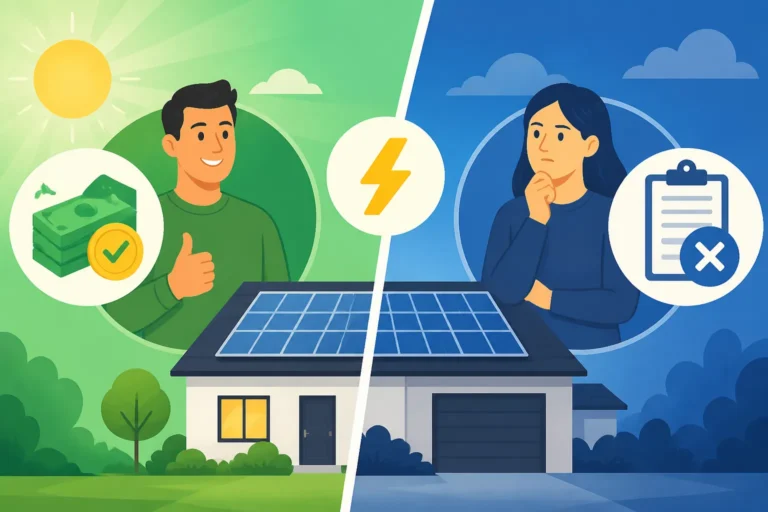
For those who have the means, paying cash for your solar system can be incredibly appealing. It’s often touted as the "best" way to go solar, and in many respects, it offers the most direct financial benefits. But like any major financial decision, it also comes with its own set of considerations.
Immediate Savings and Maximum ROI
When you pay cash for your solar panels, you immediately eliminate interest payments and any financing fees that would be tacked onto a loan or lease. This is the single biggest advantage: every dollar you spend is going directly towards owning the system, not enriching a lender or a third-party company. This means your "effective" cost is lower from day one. Without interest, your total out-of-pocket expense is the lowest possible.
Furthermore, paying cash often leads to the quickest Solar Panel Payback Period Explained. Since you're not making monthly payments, the moment your energy savings exceed what you would have paid in electricity bills, you're officially in the green. For many cash buyers, this payback period can be several years shorter than for those who finance, leading to decades of truly free electricity generation once the system has paid for itself. This accelerated return on investment (ROI) is a major draw, allowing you to enjoy maximum financial benefits over the system's 25+ year lifespan.
Complete Ownership and Control
Buying your solar system outright with cash grants you full ownership. This means the system is a permanent asset on your property, much like any other home improvement. There’s no lien from a lender (other than potentially your mortgage if you rolled it into a refinance, but typically not from the solar provider), no PPA contract to worry about, and no lease agreement to navigate. This complete ownership simplifies things significantly when it comes to maintenance, upgrades, and especially when selling your home.
Having full control also means you benefit directly from all available incentives. The federal solar tax credit, for example, is most straightforward for homeowners who purchase their systems. You claim it directly on your taxes. With leases or PPAs, the third-party owner typically claims these benefits, and while they might pass some savings on to you through lower monthly payments, you don't directly control those valuable incentives. This direct benefit capture is a powerful argument for cash purchases.
Potential Drawbacks of Paying Cash Upfront
While the financial benefits of cash are substantial, it's not without its potential downsides, primarily centered around liquidity and risk. The most obvious drawback is tying up a significant amount of capital. For many homeowners, dropping $20,000-$40,000 (or more) in one go might deplete emergency savings or prevent other crucial investments or home improvements. You need to carefully consider if you have sufficient liquid assets to make such a large purchase without compromising your financial security or other important goals.
Another consideration is that even with full ownership, you're responsible for the initial investment and all potential risks. While solar panels are incredibly durable and come with long warranties, any unforeseen issues or additional costs during or after installation would fall squarely on your shoulders. Of course, a reputable installer will mitigate many of these risks, but it's still a larger upfront commitment than a financed option. For homeowners who prefer to keep their cash readily available or spread out large expenses, financing can offer a more palatable alternative.
Navigating Solar Financing Options
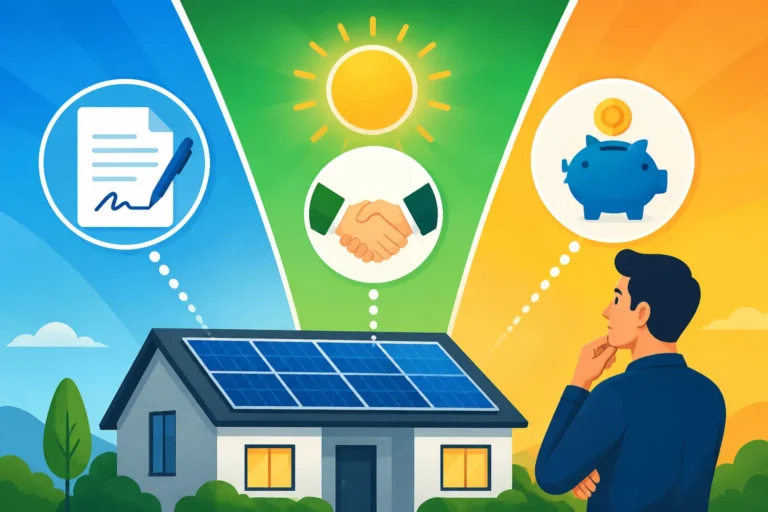
For the vast majority of homeowners, paying cash outright for solar isn't feasible or desirable. This is where solar financing steps in, making clean energy accessible without demanding a huge lump sum. However, the world of solar financing can be complex, with various options, each with its own structure, benefits, and potential pitfalls.
Solar Loans: Breaking Down the Payments
Solar loans are probably the most common way people finance their systems, and they function much like any other home improvement loan. You borrow a specific amount from a bank, credit union, or a solar-specific lender (often facilitated by your installer), and then you pay it back over a set period, usually 10-20 years, with interest. The key here is that you own the system from day one. This means you, as the homeowner, are eligible for incentives like the federal solar tax credit and any state or local rebates.
There are generally two types of solar loans: secured and unsecured. A secured loan might use your home as collateral, often coming with lower interest rates but carrying more risk. Unsecured loans, while having slightly higher interest rates, don't require collateral. Both typically involve monthly payments that, ideally, are lower than your previous electricity bill, allowing you to start saving immediately. It’s vital to scrutinize the terms, interest rates, and any associated dealer fees when considering a solar loan. Our Solar Loans: Complete Guide can help you understand the nuances.
Power Purchase Agreements PPAs and Leases: The Third-Party Model
Power Purchase Agreements (PPAs) and solar leases are similar in that a third-party company (not you) owns the solar system on your roof. With a solar lease, you essentially rent the solar panels for a fixed monthly payment, much like leasing a car. The third-party company is responsible for maintenance and monitoring, and they retain all the incentives like the federal tax credit. You get the benefit of lower electricity bills, but you don't own the equipment.
A PPA operates a bit differently. Instead of paying a fixed monthly lease payment, you agree to buy the electricity generated by the panels at a fixed rate per kilowatt-hour (kWh) that is typically lower than your utility's rate. This rate often escalates by a small percentage (e.g., 2.9%) each year. Again, the third party owns and maintains the system and claims all incentives. Both leases and PPAs offer the benefit of "$0 down" solar, making them attractive for homeowners who want to go solar without any upfront cost. However, they generally offer lower overall savings compared to cash purchases or even solar loans because you don't capture the full value of the system or the incentives. Understanding the differences is crucial, and our article Solar Lease vs PPA vs Buy: Which Is Best? delves into this in more detail.
Hidden Costs and Fees to Watch Out For
While financing can make solar accessible, it's absolutely critical to be vigilant about hidden costs and fees, particularly with solar loans. One of the most common pitfalls is the "dealer fee" or "origination fee" associated with some solar loans. These are fees that the lender charges to the installer for providing the loan, which the installer then rolls into your loan principal. These fees can inflate the total cost of your system by a significant percentage (sometimes 20-30%!), effectively raising your interest rate without it being explicitly stated as such.
Always ask for the cash price of the system, even if you plan to finance. Then compare that to the financed price to uncover any hidden fees. Other costs to watch out for include application fees, closing costs, or even balloon payments at the end of some loan terms. For leases and PPAs, look closely at annual escalation rates; a seemingly low starting rate can become quite expensive over 20-25 years. It’s always wise to get multiple quotes, not just on the solar system itself, but also on the financing options, using platforms like Modernize to ensure transparency and comparison. Checking out our guide on Hidden Costs & Adders in Solar Quotes will help you be prepared.
The True Cost Comparison: Cash vs. Financing
Deciding between paying cash and financing solar panels isn't just about what you can afford upfront; it's about understanding the long-term financial implications. Each method has distinct impacts on your total cost, your immediate budget, and how you interact with valuable solar incentives.
Long-Term Savings: Cash's Clear Advantage
When you look at the total amount spent over the entire lifespan of your solar system (typically 25-30 years), paying cash almost always emerges as the clear winner in terms of maximum savings. By avoiding interest payments on loans, or the profit margins and escalation rates built into leases and PPAs, a cash buyer's total outlay is significantly lower. Imagine a system that costs $25,000 cash. If you finance that same system with a loan at, say, 6% interest over 20 years, you could end up paying closer to $35,000 to $40,000 over the life of the loan. That's a substantial difference.
Moreover, cash buyers realize their savings sooner. Once the federal solar tax credit and any other initial rebates are applied, the remaining cost is what you’ve actually paid. From that point on, every dollar saved on your electricity bill is pure profit. With financed options, a portion of those initial savings goes towards loan payments or lease/PPA fees, pushing out the true break-even point and reducing the cumulative savings over time. The quicker path to profitability and the elimination of ongoing payments make cash the undisputed champion for total lifetime savings.
Monthly Budgeting: Where Financing Shines
While cash offers the best long-term return, financing truly shines when it comes to managing your monthly budget. For most households, finding $20,000, $30,000, or even $40,000+ for an upfront purchase just isn't realistic without draining savings or taking out a high-interest personal loan. Solar loans, leases, and PPAs break down this large investment into predictable, manageable monthly payments.
The goal with many financing options is to structure payments so that your combined solar payment (loan, lease, or PPA) plus any remaining utility charges (if you don't offset 100% of your usage) is less than what you were previously paying for electricity. This means you can go solar with little to no impact on your immediate monthly cash flow, and often even achieve immediate net savings. For families who are budget-conscious and want to enjoy the benefits of solar without a massive upfront expenditure, financing provides an accessible and appealing pathway. This is the core benefit of options like $0 down solar plans.
Impact on the Federal Solar Tax Credit and Other Incentives
The federal solar tax credit (Investment Tax Credit, or ITC) is a major incentive, often covering a significant percentage of your system's cost. How you pay for solar directly impacts how you claim this credit. If you purchase your system outright with cash or through a solar loan, you are the owner, and therefore, you are eligible to claim the full value of the ITC on your federal income taxes. This can result in a direct reduction of your tax liability, effectively lowering your net cost.
However, if you opt for a solar lease or a PPA, the third-party company that owns the system is the one eligible for the ITC, not you. They often factor these savings into the lower monthly payments or PPA rates they offer, but you won't get a direct tax credit yourself. This is a critical distinction, as the ITC can represent thousands of dollars in savings. It's important to understand the full implications of this when comparing total lifetime savings. For more on this, consider reading Solar Tax Credit 2026: What Happened to the Federal Credit. Similarly, most state and utility rebates are typically given to the system owner, so if you don't own the system, those direct benefits are often missed, although again, reflected in the lease/PPA terms.
Here's a quick comparison of the key aspects:
| Feature | Cash Purchase | Solar Loan | Solar Lease/PPA |
|---|---|---|---|
| Upfront Cost | High | Potentially $0-$1,000s (down payment) | Often $0 |
| System Ownership | You (Homeowner) | You (Homeowner) | Third-party company |
| Federal Solar Tax Credit | You claim 100% | You claim 100% | Third-party claims, reflected in your payments |
| Total Lifetime Cost | Lowest | Moderate (includes interest) | Highest (includes profit margin, escalators) |
| Monthly Payment | None (after upfront purchase) | Fixed monthly loan payment | Fixed monthly lease payment OR variable PPA rate |
| Electricity Bill Savings | Immediate and maximized | Immediate, but offset by loan payments | Immediate, but less overall than ownership |
| Home Value Impact | Positive, owned asset (Do Solar Panels Increase Home Value?) | Positive, owned asset | Mixed, can complicate home sale if lease not transferred |
| Maintenance & Warranty | Your responsibility, covered by product warranty | Your responsibility, covered by product warranty | Third-party's responsibility |
| Ease of Transfer (Home Sale) | Very easy | Loan transferred/paid off at sale | Can be complex, requires buyer qualification |
Factors Influencing Your Decision
The choice between paying cash and financing isn't a one-size-fits-all answer. Your personal financial situation, how long you plan to stay in your home, and even the nuances of your local electricity market all play a significant role in determining which option is truly best for you.
Your Financial Situation and Cash Availability
The most immediate factor is simply how much cash you have readily available. If you have a healthy emergency fund, no high-interest debt, and enough disposable income or savings to cover the full cost of a solar system without straining your finances, then a cash purchase will likely yield the best long-term financial returns. It means you’re not sacrificing other important financial goals or putting yourself at risk. However, for many, that kind of cash isn't sitting around.
If you don't have the cash, or if tying up that much capital makes you uncomfortable, then financing becomes the primary route. Your credit score will significantly impact the loan terms you qualify for; a higher score generally means lower interest rates. If your credit isn't stellar, or if you prefer no upfront costs, then a PPA or lease might be the only viable option. It's about realistically assessing your current financial health and comfort level with large expenditures.
How Long You Plan to Stay in Your Home
The length of time you anticipate living in your current home is a critical consideration for your solar investment. Solar systems are designed to last 25-30 years, and the biggest financial benefits (maximum savings, complete payback) often accrue in the later years of that lifespan. If you plan to stay in your home for 15-20 years or more, then investing in a cash purchase or a solar loan makes a lot of sense, as you'll be there to reap the full rewards and see the system pay for itself multiple times over. This longevity supports a strong Solar ROI & 25-Year Savings Breakdown.
However, if you're planning to move in the next 3-7 years, the calculus changes. While solar panels can increase home value, selling a home with a solar lease or PPA can sometimes complicate the sale, as the new buyer has to qualify for and assume the contract. With an owned system (cash or loan), it's a cleaner transfer, often boosting your home's appeal and sale price. For shorter timeframes, a $0 down option might seem appealing, but the long-term benefits might not fully materialize for you personally. Evaluate your future living plans carefully before committing.
Local Electricity Rates and Market Stability
The savings you get from solar are directly proportional to how much you're currently paying for electricity and how those rates are projected to change. In areas with high and rising electricity rates, like California, New York, or parts of New England, the financial benefits of solar are more pronounced, making the investment pay off faster regardless of whether you pay cash or finance. The higher your current bill, the more potential savings you have to offset.
Conversely, in areas with historically low and stable electricity rates, the payback period for solar might be longer, and the overall savings less dramatic. This doesn't mean solar isn't worth it, but it does mean you need to be more strategic in your financial approach. Volatile energy markets and the potential for rate hikes are powerful arguments for locking in your energy costs with solar. This factor plays a crucial role in calculating your Solar Panel Payback Period Explained. It’s also wise to consider any changes to net metering policies in your state, as these can impact your long-term savings significantly.
Making the Smart Choice for Your Household
Ultimately, the "best" way to pay for solar isn't universal; it's deeply personal. It hinges on your unique financial picture, your long-term goals, and your comfort with different types of financial commitments. The good news is that with various options available, there's likely a path to solar that works for you.
When Cash is King: Ideal Scenarios
Paying cash for your solar system is undeniably the most financially advantageous route if you can swing it comfortably. This option is ideal for homeowners who:
- Have ample liquid savings: You have significant funds beyond your emergency savings, retirement contributions, and other investments, and deploying some of it into a solar system won't create financial stress. You’re not sacrificing other crucial financial goals.
- Are debt-free or have minimal high-interest debt: It makes little sense to pay cash for solar if you're carrying credit card debt or other high-interest loans; paying those off first is usually a smarter move.
- Plan to stay in their home for the long haul: If you envision living in your current home for 15-20+ years, you'll be there to fully realize the shortest payback period and maximize decades of free electricity.
- Want maximum control and simplicity: You prefer outright ownership, don't want to deal with monthly payments or third-party contracts, and want to directly claim all available incentives, including the federal tax credit.
- Seek the highest possible return on investment: You're focused on minimizing the total cost over the system's lifetime and achieving the quickest financial break-even point.
In these scenarios, a cash purchase offers the greatest savings and the most straightforward path to solar ownership.
When Financing Makes More Sense
For many households, financing is the bridge that makes solar accessible and sensible. It's often the right choice if you:
- Prefer to preserve cash flow: You want to avoid a large upfront expense and would rather spread out payments over time, keeping your savings liquid for emergencies or other investments.
- Are looking for immediate monthly savings: A well-structured solar loan or PPA can result in monthly payments that are lower than your previous utility bill, offering instant relief to your budget.
- Don't have the upfront capital for a cash purchase: This is the most common reason, and financing opens the door to clean energy even if you don't have tens of thousands of dollars sitting around. This is especially true for homeowners seeking to implement Community Solar: How It Works & Who Qualifies.
- Are comfortable with a loan commitment: You understand the terms of a solar loan, are comfortable with the interest payments, and your credit score allows you to secure favorable rates. You’ll become the system owner and can claim the federal tax credit.
- Want zero upfront cost: Leases and PPAs are excellent for this, allowing you to go solar with no money down. While they offer fewer overall savings than ownership, they can be a great entry point into solar, with the third party handling maintenance and performance.
- Are uncertain about long-term residency: If you might move in the next 5-10 years, financing might feel less daunting than a large cash outlay, though understanding transferability is crucial. Check out What Happens to My Solar Loan if I Sell My House? for more details.
Platforms like Modernize can connect you with qualified solar installers who can walk you through different financing options, including loans, leases, and PPAs, to find what best suits your budget.
Getting Multiple Quotes to Find Your Best Fit
No matter which payment method you lean towards, the single most important piece of advice is to get multiple quotes. This isn't just about finding the cheapest system; it's about comparing system designs, equipment quality, warranties, and, crucially, financing terms from different providers. A robust comparison allows you to:
- See different cash prices: Even if you plan to finance, knowing the base cash price is essential for identifying hidden fees in loan offers.
- Compare loan interest rates and terms: Different lenders will offer varying rates, origination fees, and repayment schedules. Don’t settle for the first offer.
- Evaluate lease/PPA escalation rates: Understand how your monthly payments will change over time with these options.
- Assess overall value: A slightly higher-priced system with superior equipment and a better warranty might offer better long-term value than a cheaper system with less robust components.
Aim for at least three to five quotes from reputable, local installers. Use a service like Modernize to simplify this process, as they can help you connect with vetted professionals in your area. This due diligence ensures you not only get the right solar system for your home but also the most financially sound payment plan for your unique situation. This is a critical step in the entire journey, as detailed in our guide How to Choose a Solar Installer.
Disclaimer
Please note that the information provided in this guide is for general informational purposes only and does not constitute financial, tax, or legal advice. Solar incentives, regulations, and market conditions can change rapidly. We strongly recommend consulting with a qualified financial advisor, tax professional, and multiple licensed solar installers to assess your specific situation and make informed decisions about going solar.