Illinois SREC Market Guide
Many Illinois homeowners are currently feeling the squeeze of rising utility rates from ComEd and Ameren, watching their monthly expenses climb while their paychecks stay the same. It is a frustrating cycle that leaves many wondering if there is a way to take back control. This guide breaks down the Illinois SREC market to show you exactly how to turn your roof into a revenue-generating asset that pays you back for years.
Understanding the Illinois Shines Program and the SREC Market
If you have spent any time looking into solar in the Land of Lincoln, you have likely heard the term SREC. It stands for Solar Renewable Energy Credit, but in Illinois, we do things a bit differently than the "spot markets" you might see in states like Pennsylvania or Ohio. In Illinois, the primary driver for these credits is a program officially known as the Adjustable Block Program, though most of us just call it Illinois Shines.
The concept is relatively simple but deeply impactful for your wallet. For every megawatt-hour (MWh) of electricity your solar panels produce, you earn one SREC. Think of an SREC as a certificate of "greenness" that has a specific monetary value. Utility companies are required by state law to buy these credits to meet renewable energy mandates. This means you aren't just saving money by not buying power from the grid; you are actually creating a product—clean energy—that you can sell back to the system.
The market has matured significantly. While the early days of Illinois Shines were marked by "waitlists" and "lotteries" that left homeowners in limbo for months, the current structure is much more streamlined. The state allocates specific "blocks" of capacity for residential projects. As long as there is room in the current block, you can lock in a price for your credits. This is why it is so important to check the State Solar Incentives: Complete 2026 Guide to see where current capacity stands, as prices can shift once a block fills up and a new one opens.
One major point of confusion for many is how the payment actually reaches your bank account. In many other states, you sell SRECs one by one as you generate them. In Illinois, for small residential systems, the state often pays out the value of 15 or 20 years' worth of SRECs in a much shorter timeframe. This front-loaded payment structure is a massive advantage because it drastically shortens your Solar Panel Payback Period Explained, often by several years.
How Much Can You Earn in the 2026 Illinois SREC Market
The million-dollar question—or more accurately, the several-thousand-dollar question—is what these credits are actually worth today. The value of an SREC in Illinois is determined by the specific "block" your system falls into and the size of your installation. Generally, smaller residential systems receive a higher price per credit than large commercial arrays because the state wants to incentivize individual homeowners to go green.
For a typical 7 kW to 10 kW rooftop system in a suburb like Aurora or Bloomington, the total SREC incentive can often range from $8,000 to over $15,000. This is not a tax credit (though we will talk about those later); this is actual cash or a bill credit that essentially functions as a massive rebate on the cost of your system. When you use a platform like Modernize to find an installer, they will usually handle the complex math of calculating your estimated production over 15 years to give you a clear picture of your SREC payout.
It is also important to note that the Illinois market is divided into groups. Group A covers most of the state (Ameren, MidAmerican, and small co-ops), while Group B covers the northern region primarily served by ComEd. Prices fluctuate between these two groups based on demand and local renewable targets. To help you visualize the potential earnings, here is a breakdown of how SREC values might look for a standard residential system in 2026:
| System Size (kW) | Est. 15-Year MWh Production | Est. Price Per SREC (Group B) | Total Est. Incentive Payout |
|---|---|---|---|
| 5 kW | 90 – 105 | $75 – $85 | $6,750 – $8,925 |
| 8 kW | 145 – 165 | $75 – $85 | $10,875 – $14,025 |
| 10 kW | 180 – 210 | $70 – $80 | $12,600 – $16,800 |
| 12 kW | 215 – 250 | $70 – $80 | $15,050 – $20,000 |
Keep in mind that these numbers are estimates. Factors like the pitch of your roof, the direction it faces (south is usually best), and any shade from nearby oak trees will affect your total MWh production. When you are looking at SRECs Explained: Selling Solar Renewable Energy Credits, remember that in Illinois, your "Approved Vendor" is the one who will facilitate this sale. They take a small fee for managing the paperwork and ensuring the state gets the data it needs to issue your payment.
The Process of Claiming Your Illinois Solar Credits
Navigating the bureaucracy of state incentives can feel like a full-time job, but the Illinois Shines program is designed so that the homeowner does the least amount of heavy lifting. The process starts long before the panels even touch your roof. You must work with an "Approved Vendor." These are companies that have been vetted by the state to ensure they follow consumer protection guidelines and technical standards.
Once you have selected a contractor—perhaps after comparing several vetted options through Modernize—they will submit a Part I application to the Adjustable Block Program. This happens during the design and permitting phase. This application "reserves" your spot in the current block and locks in the price per SREC. This is a critical step because if the block fills up while you are still thinking about it, you might move into a new block with a lower payout.
After your system is installed and you receive what is known as Permission to Operate (PTO) from your utility, your installer will submit the Part II application. This includes proof that the system is built as described and is actually connected to the grid. Once the state verifies this, the payment process begins. For most residential systems, you will receive the first portion of your SREC payment within a few months of going live, with subsequent payments often spread over the first few years of the system's life.
For those who may not have the tax liability to benefit from traditional credits, or for those in lower-income brackets, the state offers even more robust support through Illinois Shines & Solar for All. This specific sub-program, Illinois Solar for All (ILSFA), provides higher SREC values and ensures that participants see significant savings on their energy bills without any upfront costs. This is one of the most progressive Low-Income Solar Programs & Assistance models in the country, specifically designed to ensure that the benefits of the clean energy transition aren't just reserved for the wealthy.
Maximizing Your Investment with Other Incentives
While the SREC market is the "star" of the Illinois solar landscape, it does not exist in a vacuum. To truly see the best return on your investment, you need to layer these credits with other available programs. Even though there have been changes to national policies, you should check Federal Solar Incentives That Still Exist in 2026 to see how you can still reduce your federal tax burden. If you have any leftover credit from previous years, knowing How to Claim Remaining Solar Tax Credit Carryforward can save you thousands during tax season.
Another often overlooked benefit is the property tax situation. In Illinois, adding solar panels can significantly increase the value of your home, but thanks to state law, that added value is often exempt from property tax assessments. This means you get the benefit of a more valuable home without the sting of a higher tax bill every year. You can find more details on this in our guide to Solar Renewable Energy Credit Prices by State which compares how different regions handle the long-term financial benefits of ownership.
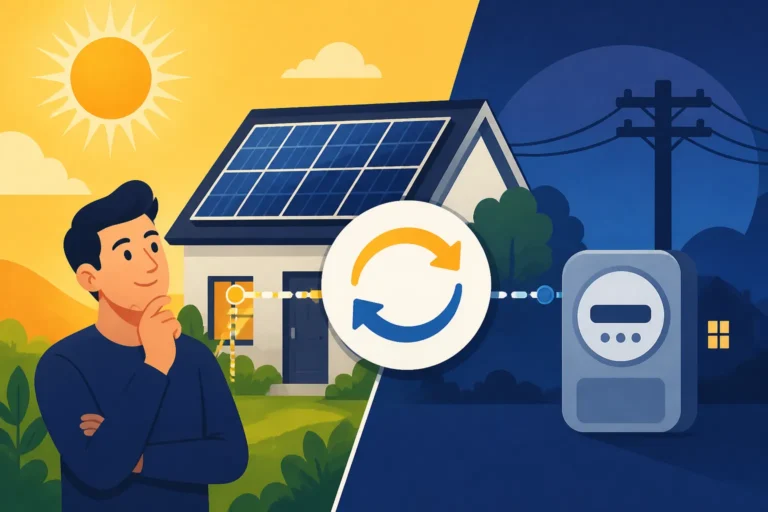
It is also worth noting that the Illinois market is one of the Best States for Solar Incentives in 2026 because of the combination of SRECs and net metering. Net metering allows you to "bank" excess energy you produce during the day and use it at night, effectively using the grid like a giant battery. When you combine the cash from SRECs, the tax savings, and the monthly utility bill reduction from net metering, the math starts to look very attractive for the average homeowner in Springfield or Champaign.
If you are feeling overwhelmed by the technicalities, don't worry. Most people start by simply getting a few quotes to see what their specific roof can do. Using a service like Modernize can help you connect with professionals who understand the nuances of the Illinois market and can help you navigate the How to Sell SRECs (SRECTrade, Sol Systems) process. They can explain the contracts, the timelines, and exactly when you can expect that first check to arrive in your mailbox.
Important Considerations and Potential Pitfalls
While the Illinois SREC market is a fantastic opportunity, it is not without its complexities. One thing to be very careful about is the contract you sign with your SREC provider or installer. Some companies may offer you a lower upfront price on the solar installation in exchange for keeping a larger portion of your SREC payments. Others might offer a "Power Purchase Agreement" where they own the panels and the SRECs, and you simply pay a lower rate for electricity.
You need to decide if you want the immediate gratification of a lower system price or the long-term benefit of owning the credits yourself. For most people who plan on staying in their home for more than five or seven years, owning the system and the credits outright usually results in the highest total savings. This is a common discussion point when people are looking at SRECs Explained: Selling Solar Renewable Energy Credits—who actually owns the "green" value of the power?
Also, keep an eye on the "block" status. The Illinois Power Agency (IPA) publishes regular updates on how much capacity is left in each block. If a block is 99% full, you might want to move quickly to secure that pricing. If a block just opened, you have a bit more breathing room. A knowledgeable installer, which you can find through platforms like Modernize, will be able to tell you exactly which block you are likely to land in and what that means for your bottom line.
Lastly, remember that solar is a long-term play. While the SREC payout is a huge help in the short term, the real value comes over the 25 to 30 years your panels will be generating power. Even as market conditions change, the fundamental reality of the Illinois SREC market guide is that the state is committed to reaching 100% clean energy, and they are willing to pay you to help them get there. By staying informed and working with the right partners, you can turn a confusing market into a clear financial win for your household.
Disclaimer
The information provided in this guide is for educational purposes only and does not constitute financial, legal, or tax advice. Solar incentive programs, including the Illinois Shines (Adjustable Block Program), are subject to change based on state legislation, utility regulations, and market fluctuations. Incentives and SREC values may vary significantly based on your specific location, system size, and date of application. Always consult with a qualified tax professional and a certified solar installer to confirm your eligibility for specific rebates, credits, and programs.