How Do Property Tax Exemptions for Solar Work?
Most homeowners have the same nightmare: you spend years saving up to improve your home, only to have the local tax assessor show up and raise your property taxes because your house is now worth more. When it comes to installing solar panels, this fear is a major roadblock that stops people from going green. This guide explains how solar property tax exemptions protect you from these surprise tax hikes, ensuring your home's value grows while your tax bill stays exactly where it is.
The Appraisal Gap: Why Property Tax Protection is a Game Changer
We have to talk about the "Appraisal Gap" because it is the single most confusing part of the solar journey for most people I talk to. On one hand, real estate data consistently shows that solar panels increase a home's resale value—often by about 4% or more depending on the market. On the other hand, a higher home value usually means a higher property tax bill. It feels like a "damned if you do, damned if you don't" situation. If the panels make your house worth $20,000 more, and your local tax rate is 2%, you’re looking at an extra $400 every single year just for trying to save the planet.
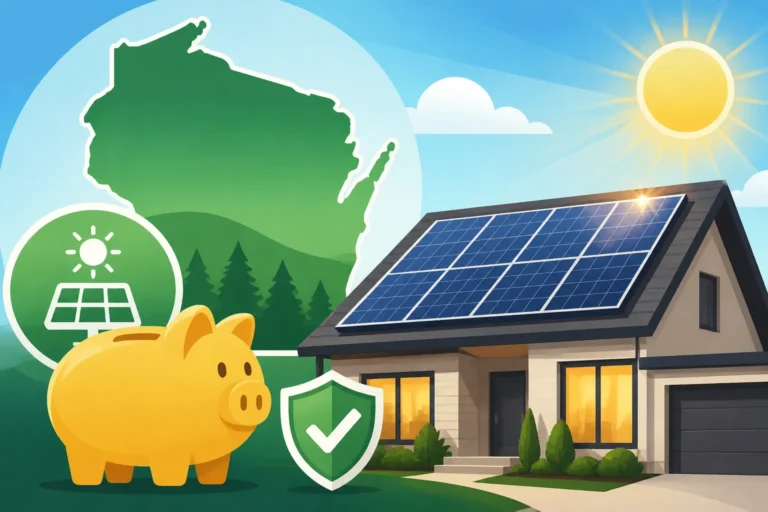
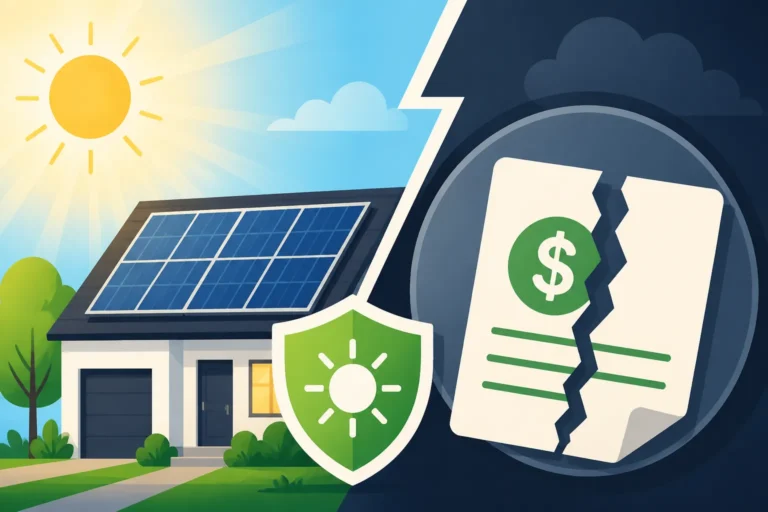
This is where the property tax exemption steps in to save the day. It essentially creates a "valuation shield" around your solar system. When the tax assessor comes by to look at your property, the law tells them they have to act as if those shiny blue panels on your roof don't exist. Your home’s market value goes up, which is great for your net worth and future selling price, but your assessed value—the number they actually use to calculate your taxes—stays the same.
I’ve seen homeowners in places like Austin, Texas, or Phoenix, Arizona, get absolutely paralyzed by this fear. They see their neighbors' property taxes skyrocketing and assume solar will only make it worse. But the reality is that many of these high-growth states have some of the strongest protections in the country. To get a better sense of how this fits into the bigger financial picture, you should check out our guide on Will Solar Raise My Property Taxes? to see the data on how much value panels actually add versus the tax impact.
How Solar Property Tax Exemptions Function in the Real World
Not all exemptions are created equal, and understanding the mechanics of how your local government handles them is vital. Broadly speaking, there are two ways these exemptions are structured: statutory state-level mandates and local-option ordinances. In a mandatory state, the legislature has passed a law that applies to every single county and municipality. If you live in Florida, for example, the state constitution actually forbids local governments from considering the value of a renewable energy source when assessing a residential property. It’s a blanket protection that you don't have to fight for.
Then you have "Local Option" states. These are a bit more of a headache because the state has given permission for cities or counties to offer an exemption, but it’s not required. This means if you live on one side of a county line, your solar might be tax-exempt, but if you move one street over into a different jurisdiction, you could be on the hook for the full tax amount. This is why doing your homework early is so important. Platforms like Modernize can be incredibly helpful here because they connect you with local contractors who deal with these specific county-level codes every day. They often know the quirks of the local assessor's office better than anyone else.
The technical mechanism usually involves a "subtraction" or an "exclusion." When your property is appraised, the appraiser determines the fair market value of the entire property, including the solar system. Then, they apply the exemption by subtracting the value added by the solar equipment before arriving at the "taxable value." If you want to see a full breakdown of which states fall into which category, take a look at our Solar Property Tax Exemptions by State list for the most current 2026 data.
Navigating the Map: State-Specific Variations and Nuances
The landscape for solar property tax exemptions is a patchwork of different rules. Some states are incredibly aggressive about promoting solar, while others are starting to pull back as they look for ways to fill budget gaps. Let's look at a few heavy hitters to see how they handle it. In California, the "Active Solar Energy System Exclusion" has been a staple for decades. It ensures that the initial installation of a solar system doesn't trigger a "change in ownership" reassessment. You can find more about this in our deep dive on California Solar Incentives in 2026.
New York takes a slightly different approach. They have a state-wide exemption (RPTL 487) that lasts for 15 years. However, they allow local jurisdictions and school districts to "opt-out" of this exemption. This creates a confusing map where one town might be 100% tax-free for solar, while the town next door expects you to pay up. If you are in the Empire State, reading up on New York Solar Incentives in 2026 is a must to avoid getting caught in an opt-out zone.
Texas is another interesting case. Despite being an oil and gas powerhouse, Texas has some of the most robust solar protections in the country. The Texas Property Tax Code allows for a 100% exemption on the appraised value of the solar device. However, you do have to fill out Form 50-123 with your local appraisal district to claim it. It’s not always automatic. For more details on the Lone Star State’s rules, check out our guide on Texas Solar Incentives in 2026.
| State Type | Mechanism | Benefit Duration | Example States |
|---|---|---|---|
| Mandatory State-Wide | State law requires all counties to exempt solar value. | Permanent (usually life of system) | FL, TX, NJ, MA |
| Local Option | Counties or Cities decide whether to offer the exemption. | Varies by municipality | MD, VA, CO |
| Time-Limited | Exemption is guaranteed but expires after a set period. | 10 to 20 years | NY (15 years), NH |
| No Exemption | Solar value is fully taxable like any other home improvement. | None | PA, UT (Varies) |
The Application Process: Don't Assume It Is Automatic
One of the biggest mistakes I see homeowners make is assuming that because a state has a solar property tax exemption, they don't have to do anything. In many jurisdictions, the tax assessor’s office has no idea you installed solar until they do a drive-by or see the permit. If you don't file the proper paperwork, they might just add the value to your bill and wait for you to complain.
The first step in protecting yourself is gathering your documentation. You will need your final solar contract, which shows the total cost of the system, and your What Is Permission to Operate (PTO)? letter from the utility company. This proves when the system was actually commissioned. Many states require you to file an application for the exemption by a specific deadline—often March or April of the year following the installation. If you miss that window, you might be stuck paying the higher tax rate for a full year before you can rectify it.
When you're working with a pro from a service like Modernize, ask them specifically if they handle the property tax exemption paperwork or if they provide a "tax packet" for you to submit to the county. A good installer knows that their job isn't done just because the panels are on the roof; they need to help you secure the financial benefits they promised. They should be able to point you toward the exact forms needed for your specific zip code. If you’re still in the research phase and wondering if all this effort is worth it, checking Are Solar Panels Worth It in 2026? can give you a better perspective on the long-term ROI when these tax savings are factored in.
Common Pitfalls and How to Avoid Them
Even with an exemption in place, there are ways to accidentally lose your protection. For example, some states only offer the property tax exemption to homeowners who own their systems. If you have a third-party owned system—like a lease or a Power Purchase Agreement (PPA)—the tax rules can change. In some areas, the solar company is technically the owner, and they might be responsible for the property tax, or the state might not extend the residential exemption to a commercial entity owning panels on a private roof. We cover this in detail in our Solar Lease vs PPA vs Buy: Which Is Best? comparison.
Another pitfall is the "Full Home Reassessment." If you install solar at the same time you do a massive kitchen remodel or add a second story, the tax assessor is going to come out and reassess your entire property anyway. While the solar portion should still be exempt, the "new" value of your home might still result in a higher tax bill because of the other upgrades. People often blame the solar panels for the tax hike when it was actually the new granite countertops and the extra bedroom that triggered the increase.
Finally, keep an eye on "sunset clauses." Some state exemptions are not permanent; they are passed as temporary incentives that have to be renewed by the legislature every few years. While most are renewed without issue, you don't want to be caught off guard if a law expires. Staying informed through resources like How to Find Solar Rebates Near Me? can help you track the pulse of local legislative changes. Using Modernize to find an installer who stays current on these "sunset" dates is a smart move to ensure your 20-year financial plan doesn't have a 5-year expiration date on its tax savings.
Property Tax Exemptions vs. Income Tax Credits
It is very common for homeowners to get "tax-tired" and start blurring the lines between different incentives. I’ve had people tell me, "I already got my 30% credit, so I don't need to worry about property taxes." This is a dangerous misunderstanding. The Federal Solar Tax Credit (ITC) is an income tax credit. It reduces the amount of money you owe the IRS in April. It has absolutely nothing to do with your local property taxes.
You can—and should—claim both. The income tax credit helps you pay off the initial cost of the system, while the property tax exemption protects your monthly budget for the next 25 years. If you live in a state like Florida, you might even have a third layer: a sales tax exemption. When you combine all three, the net cost of going solar drops significantly. If you’re curious about how these local and federal layers stack together, you might find our guide on Florida Solar Incentives in 2026 or California Solar Incentives in 2026 useful for seeing the "stacking" effect in action.
Ultimately, the property tax exemption is one of the most stable and "passive" ways to save money with solar. Once it’s filed and approved, you don't have to think about it again. It just sits there, quietly protecting your investment from the local government’s reach. It’s one of the few times the law explicitly tells the tax collector to look the other way, and as a homeowner, that is a victory you should definitely take advantage of.
Disclaimer
This guide is provided for informational purposes only and does not constitute professional tax, legal, or financial advice. Tax laws and property assessment regulations vary significantly by jurisdiction and are subject to change. Always consult with a qualified tax professional or your local county assessor's office to confirm the specific rules and filing requirements for your property.