Is There a Tax Credit for Adding a Solar Battery?
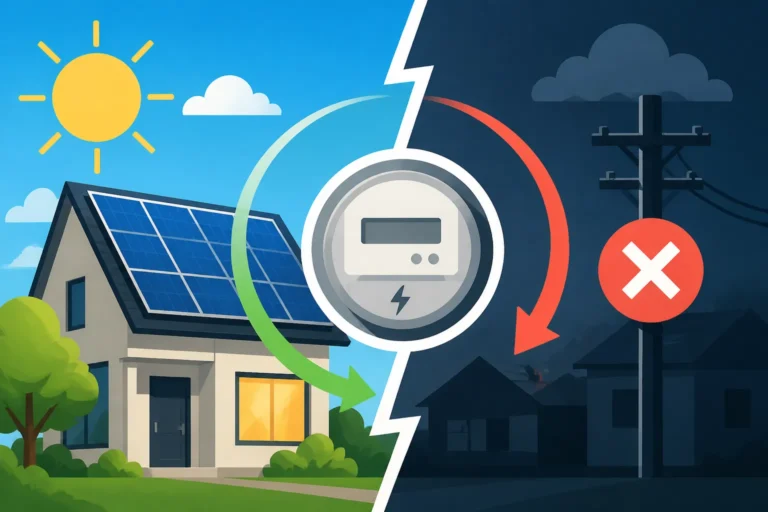
The frustration of watching your neighborhood go dark during a summer storm while you sit with a fridge full of spoiling groceries is a feeling no homeowner forgets. Even if you already have solar panels, you might have realized that without a battery, you are still tied to the grid's failures. This guide clarifies exactly how the 30% federal tax credit applies to adding energy storage to your home in 2026, whether you are starting from scratch or upgrading an existing system.
Understanding the Federal Solar Battery Tax Credit
For years, the rules around tax credits for batteries were incredibly murky. You used to have to prove that your battery was charged almost exclusively by solar panels to qualify for any federal help. If you charged it from the grid during cheap off-peak hours, you risked losing the credit. Thankfully, the Inflation Reduction Act changed the game entirely. Now, the Residential Clean Energy Credit provides a straightforward 30% credit for the cost of the battery and the labor to install it, and the "solar-only" charging requirement has been tossed out the window for residential systems.
This credit is as robust as ever. It covers 30% of the total project cost, with no upper limit on the dollar amount. If you spend $15,000 on a high-end storage setup, Uncle Sam effectively chips in $4,500 in the form of a tax credit. It is important to remember that this is a credit, not a refund. It reduces what you owe in federal income taxes. If your tax bill is lower than your credit amount, you can usually carry the remainder over to the following year, making it a powerful tool for middle-class families who might not have a massive tax liability in a single year.
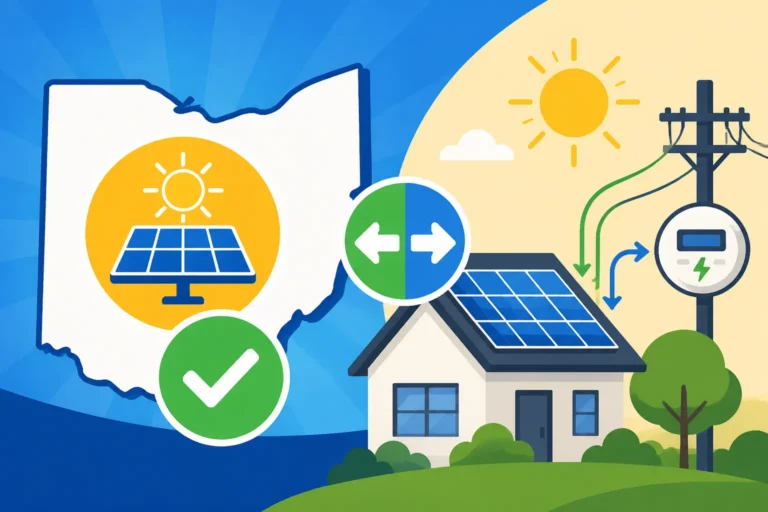
One of the best things about the current law is the "standalone" provision. You do not actually need to own solar panels to get the tax credit for a battery anymore. While most people do pair them, you could theoretically install a large-capacity battery system just to handle backup power or to manage "time-of-use" rates from your utility company. As long as the battery is installed in your residence located in the United States and meets the capacity requirements, the 30% credit is yours to claim. Many homeowners use platforms like Modernize to find installers who understand these nuances and can provide the specific line-item invoices required for a smooth tax season.
Eligibility and Technical Requirements
To qualify for this significant financial break, your battery system must meet a specific capacity threshold. The IRS requires the energy storage property to have a capacity of at least 3 kilowatt-hours (kWh). Most modern home batteries, like the ones you would find when researching a Tesla Powerwall 3 Review & Cost, far exceed this limit, often starting at 10 kWh or more. However, if you are looking at very small "portable power stations" that you plug into a wall outlet, you need to check the specs carefully. Most of those smaller units do not qualify unless they are hardwired into your home’s electrical system and meet that 3 kWh floor.
Location and ownership are the next big hurdles. The battery must be installed at a home you use as a residence. It does not necessarily have to be your "principal" residence—vacation homes can qualify too—but you cannot claim this specific residential credit for a property you use exclusively as a rental for business purposes. Furthermore, you must own the equipment. If you are looking into a lease or a Power Purchase Agreement, the tax credit goes to the company that owns the hardware, not to you. This is a common point of confusion, and many people ask Do Solar Leases Still Save Money Without the Tax Credit? because the upfront savings of a lease often mask the fact that you are leaving that 30% federal incentive on the table.
Beyond the hardware itself, the credit applies to "assembly and original installation." This means the wiring, the sub-panels, the smart gateways, and the hours the electricians spend in your garage all count toward that 30% calculation. When you use a service like Modernize to compare local pros, make sure to ask them for a detailed breakdown of these costs. Having a clean paper trail that separates the battery and installation labor from other unrelated home repairs is essential for defending your claim if the IRS ever decides to take a closer look at your filing.
How to Claim the Credit and Maximize Savings
Claiming the credit is done through IRS Form 5695, titled Residential Energy Credits. When you sit down to do your taxes, or when you hand your documents to a professional, you will need the final invoice from your installer. You will enter the total cost of the battery system on the line for "qualified residential energy storage property costs." The form will then calculate 30% of that total, which flows onto your Form 1040 to reduce your tax liability. It is a relatively simple process, but the impact on your bank account is massive.
To truly maximize your savings, you should look at how the federal credit interacts with local incentives. Many states and utility companies offer their own rebates that can be "stacked" with the federal credit. For example, some utilities will pay you an upfront rebate to help lower the initial cost of the system. In most cases, you subtract the utility rebate from the total cost before calculating the 30% federal credit. It might seem like you are losing a little bit of the federal credit, but the combined savings are almost always higher. You should definitely check out Are Solar Batteries Still Eligible for Incentives in 2026? to see the latest updates on which programs are still active in your specific region.
Detailed planning is the key to not overspending. If you are adding a battery to an older solar system, you might need a new inverter or an electrical panel upgrade. Because these upgrades are necessary for the battery to function, they are often eligible to be included in the 30% credit calculation. This is why the total Solar Battery Cost: Full Breakdown can vary so much from one house to another. One homeowner might just need a simple "bolt-on" installation, while another might need a significant "main lug" upgrade to their home's electrical service.
| Component | Estimated Cost (Pre-Credit) | 30% Federal Credit | Net Cost After Credit |
|---|---|---|---|
| 10kWh Battery Unit | $9,000 | $2,700 | $6,300 |
| Professional Labor | $3,500 | $1,050 | $2,450 |
| Smart Gateway/Permits | $2,000 | $600 | $1,400 |
| Total Project | $14,500 | $4,350 | $10,150 |
State Specific Incentives and Grid Services
While the federal government offers a massive 30% discount, the real "sweeteners" often come from your local state house or utility provider. In states like California, the Self-Generation Incentive Program (SGIP) has historically provided thousands of dollars in additional rebates, especially for those living in high fire-threat districts. Even as rules evolve, like the shift in What Is NEM 3.0 (California Net Billing)?, having a battery has become almost mandatory to make solar financially viable. The battery allows you to store your cheap solar energy and use it when the utility wants to charge you the most, effectively "arbitraging" the rates to your advantage.
In the Northeast, programs like ConnectedSolutions pay homeowners to let the utility "borrow" a bit of their stored energy during times of extreme grid stress. These are often called Virtual Power Plants. By participating, you can earn several hundred dollars a year in performance payments. When you combine these annual checks with the initial 30% tax credit, the Solar Battery Incentives in 2026 become a multi-layered financial strategy rather than just a simple purchase. It turns a piece of hardware in your garage into a small, revenue-generating power plant.
Navigating these local programs can be a headache, which is why working with a knowledgeable partner is so important. Using Modernize to find local contractors who are authorized to participate in these utility programs can save you from missing out on thousands of dollars. An installer who isn't familiar with your specific utility's "bring your own battery" program might not set up the communication hardware correctly, leaving money on the table every month. Always ask for references from neighbors who are already getting those quarterly incentive checks.
Is It Worth Adding a Battery Today
The big question for many is whether they should pull the trigger now or wait for technology to get even better. Honestly, with the 30% credit locked in through 2032, there is no immediate rush from a tax perspective, but the utility rates are a different story. Electricity prices are climbing at an alarming rate in most states. When you look at How Much Is a Solar Battery Installed today versus the projected cost of grid power over the next decade, the "payback period" is shrinking rapidly. The peace of mind during a blackout is just the icing on the cake.
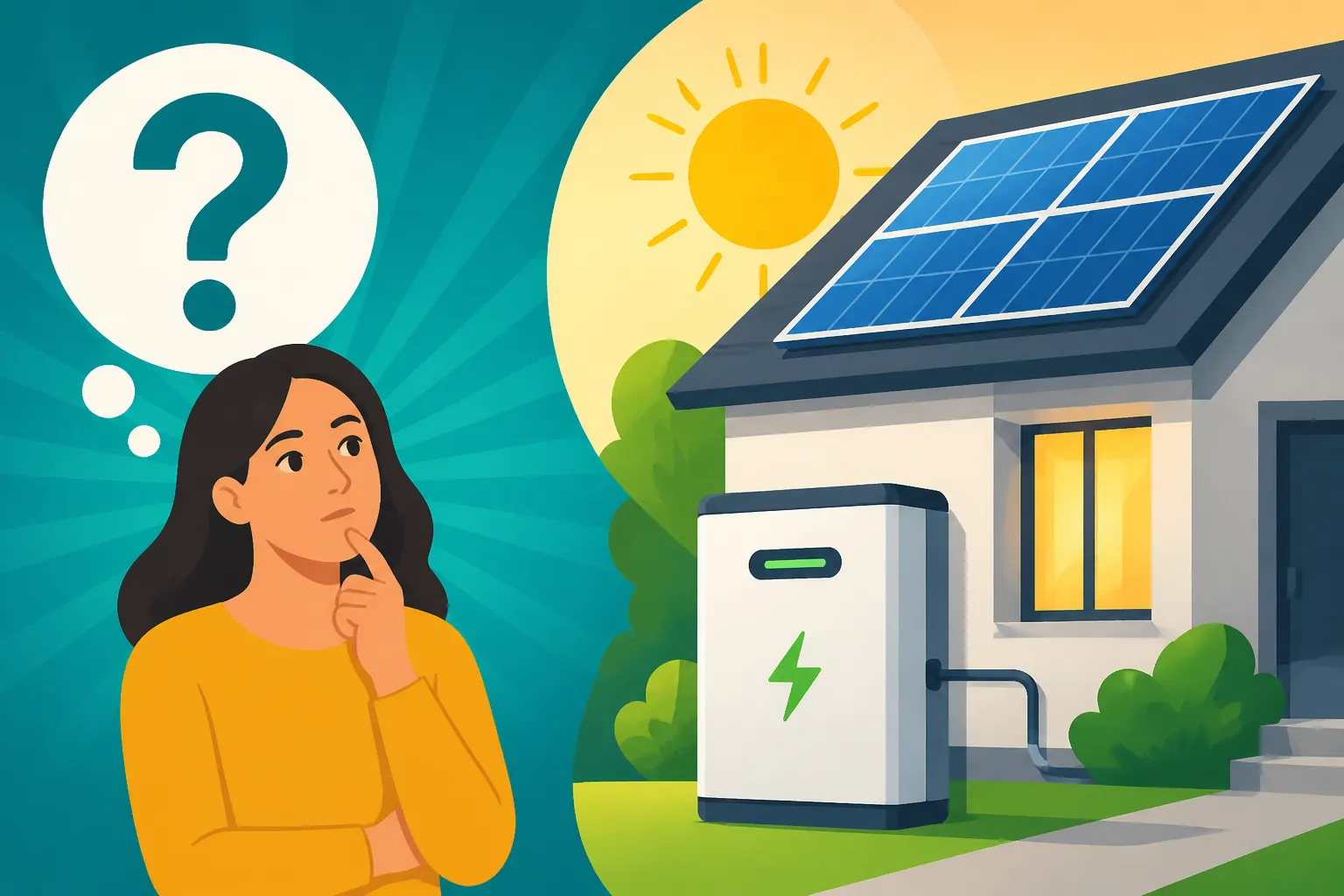
If you are still on the fence, consider the long-term value of your home. Real estate trends show that buyers are increasingly looking for "resilient" homes. A house that can power its own AC and refrigeration during a grid failure is significantly more attractive than one that goes dark with the rest of the block. You might find yourself asking Is It Worth Adding a Battery to My Solar System? and the answer is increasingly a resounding "yes" for anyone who values both financial independence and physical security. The 30% tax credit is the government’s way of making that decision a whole lot easier on your wallet.
Federal Solar Battery Tax Credit Disclaimer
The information provided in this guide is for educational purposes only and does not constitute professional tax, legal, or financial advice. Tax laws, including the Residential Clean Energy Credit (Section 25D), are subject to change and may be interpreted differently based on individual circumstances. Always consult with a qualified CPA or tax professional before making a purchase or filing for credits to ensure you meet all IRS requirements and that your specific equipment qualifies. Your actual savings will depend on your total tax liability and the specific details of your installation.