Colorado Solar Incentives in 2026
Feeling overwhelmed trying to figure out what solar incentives are actually available in Colorado for 2026? It's a common frustration, with policies shifting and information often feeling like a tangled mess. This comprehensive guide is here to untangle all the details, walking you through every federal, state, and local solar incentive designed to make going solar in the Centennial State more affordable and rewarding than ever before.
Understanding Colorado's Solar Landscape in 2026
Colorado has long been a trailblazer in renewable energy, known for its abundant sunshine and a strong commitment to environmental sustainability. For homeowners looking to make the switch to solar, understanding the unique landscape of incentives here is key to maximizing savings and making an informed decision. The state's forward-thinking policies, combined with federal support, create a compelling environment for solar adoption.
Why Colorado is a Prime State for Solar
First off, let's talk about the sun. Colorado, with its high elevation and often clear skies, boasts an impressive number of sunny days each year – far more than the national average. This makes it an ideal location for solar panel efficiency. Just imagine all those clear, crisp days converting into clean energy for your home! Beyond the sheer sunshine, Colorado has set ambitious goals for renewable energy, aiming for 100% clean energy by 2040. This commitment from the state government and utilities translates into robust support mechanisms and a generally favorable regulatory environment for solar energy. It's not just about the sun; it's about a collective vision for a greener future that directly benefits homeowners who invest in solar.
The Evolving Incentive Environment
It's no secret that the world of solar incentives can feel like a moving target. Policies are constantly being evaluated, adjusted, and sometimes, new ones are introduced. What was available last year might have changed this year, and what’s here today could look different tomorrow. This dynamic environment is precisely why staying updated is crucial. For instance, the specifics of net metering policies can evolve, or new rebate programs might launch to encourage particular technologies like battery storage. This guide reflects the most current information for 2026, ensuring you're working with up-to-date knowledge rather than outdated advice.
Federal Solar Incentives Still Available for Colorado Homeowners
While much attention is often given to state and local programs, it's vital not to overlook the foundational federal incentives that continue to provide significant financial relief for homeowners across the U.S., including those in Colorado. These programs are often the largest single incentive you'll encounter and can dramatically reduce the overall cost of a solar energy system.
The Investment Tax Credit (ITC)
The federal solar Investment Tax Credit (ITC), often referred to as the Residential Clean Energy Credit, remains the most powerful incentive for going solar. This incredible credit allows you to deduct a significant percentage of the cost of your solar energy system from your federal taxes. In 2026, the ITC is still set at 30% of the total system cost. This means if your solar installation costs $20,000, you could get $6,000 back as a tax credit. This isn't just a deduction from your income; it's a direct reduction of the taxes you owe, making it incredibly valuable. To qualify, you generally need to own your solar system (purchased with cash or a solar loan) and have it installed on your primary or secondary residence in the U.S. Don't worry, the question of whether the solar tax credit 2026: what happened to the federal credit is a straightforward answer: it's still very much alive and well! This credit also extends to other clean energy upgrades, like solar batteries, making it an excellent opportunity to enhance your home's energy independence.
Other Federal Programs
While the ITC is the big player, there are other federal initiatives that, while not direct cash handouts for residential solar, can still impact the overall solar ecosystem and potentially benefit homeowners indirectly. For example, federal loan programs through agencies like the Department of Energy or the USDA can offer favorable financing terms for energy-efficient home improvements in certain areas, though these are more common for rural properties or specific income brackets. It’s always worth checking for broader federal initiatives that support renewable energy infrastructure, as these can contribute to lower costs for equipment and installation over time. You can dive deeper into other federal solar incentives that still exist in 2026 to see if any apply to your unique situation.
State-Specific Solar Incentives in Colorado for 2026
Beyond the federal push, Colorado has its own set of policies and programs designed to encourage solar adoption. These state-level incentives are often tailored to the local energy market and can provide additional layers of savings, making solar even more appealing for residents.
Net Metering Policies in Colorado
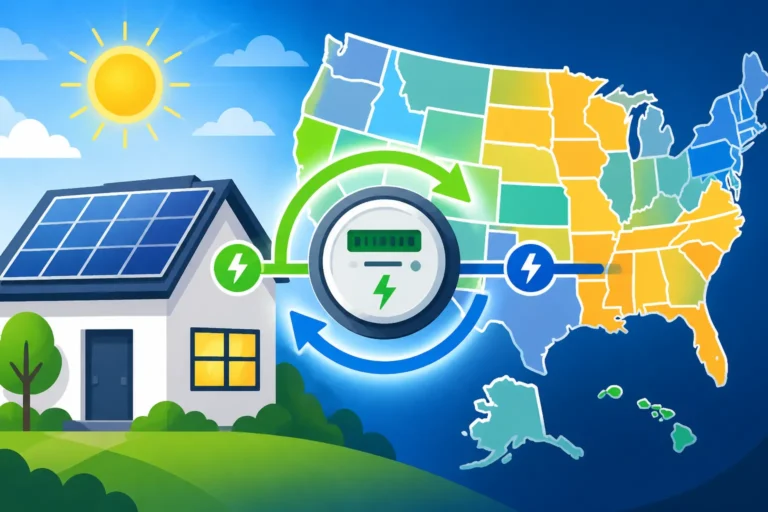
Net metering is a crucial policy that allows homeowners with solar panels to receive credit for the excess electricity they generate and send back to the grid. In Colorado, the availability and specifics of net metering largely depend on your utility provider. Xcel Energy, the largest utility in the state, offers net metering to its customers. Under Xcel Energy's Residential Solar Rewards program, you can receive bill credits for the surplus energy your system produces. These credits can then offset your usage during times when your panels aren't generating enough, like at night or on cloudy days.
It’s not just Xcel, though; many other electric co-ops and municipal utilities across Colorado also offer some form of net metering. The exact credit rate and how excess credits roll over can vary, so it’s essential to check with your specific utility company. Understanding how Net Metering Explained: How It Works by State directly impacts your monthly utility bill is one of the most significant factors in determining your overall solar savings. Without a robust net metering policy, the financial case for solar can be significantly different, highlighting its importance in Colorado.
Property and Sales Tax Exemptions
Nobody wants to see their property taxes jump simply because they've made an eco-friendly upgrade to their home. Thankfully, Colorado offers a fantastic incentive to prevent this: a statewide property tax exemption for the added value of a solar energy system. This means that while installing solar panels might increase your home's market value – often a significant boost, which is excellent news if you ever decide to sell – that increase will not be assessed for property tax purposes. This is a massive relief for homeowners who might otherwise worry about an increase in their annual tax burden. It effectively allows you to enjoy the benefits of increased home value without the corresponding tax hike.
In addition to property tax relief, Colorado also provides a sales tax exemption for renewable energy equipment, including solar panels. This means you won't have to pay state sales tax on the purchase of your solar system. While sales tax rates can vary by locality, avoiding the state portion alone represents a substantial saving on a large purchase like a solar installation. These exemptions make going solar even more financially attractive by reducing upfront and ongoing costs. For more detailed information, you can check out guides on Solar Property Tax Exemptions by State and Solar Sales Tax Exemptions by State.
State Rebates and Programs
While Colorado doesn't have a single, overarching statewide rebate program for residential solar panels, several regional and localized initiatives, often funded through state-level mandates or grants, can provide additional financial benefits. For example, some programs might focus on specific energy efficiency upgrades that pair well with solar, or provide funding for community solar projects that homeowners can subscribe to.
It's also worth noting that Colorado has been a leader in performance-based incentives (PBIs) in the past, where homeowners received payments based on the actual electricity produced by their systems. While large-scale, statewide PBI programs for residential solar are less common in 2026, smaller, more localized versions or grant opportunities may emerge. Keeping an eye on the Colorado Energy Office website and local clean energy organizations can often reveal these more niche programs as they become available.
Local and Utility-Specific Solar Programs
Sometimes, the best incentives are found closest to home, offered directly by your electricity provider or even your city or county government. These localized programs can be significant, stacking on top of federal and state benefits to make solar even more accessible.
Utility Company Rebates
In Colorado, many utility companies offer their own incentives to encourage customers to adopt solar. The largest utility, Xcel Energy, has historically been a significant player here. Through their Solar Rewards program, Xcel Energy customers can receive performance-based incentives or upfront rebates for installing solar, though the specific structure and availability can change. These incentives are designed to promote renewable energy generation within their service territories.
Beyond Xcel, other utilities like Black Hills Energy, Colorado Springs Utilities, and various rural electric cooperatives often have their own unique programs. These might include cash rebates, bill credits, or favorable interconnection agreements. For instance, Colorado Springs Utilities has offered rebates for solar electric systems, sometimes with additional incentives for low-income residents or those installing battery storage. It's truly a patchwork, so contacting your specific utility provider directly is always the best first step. You can also explore general guidance on Utility Solar Rebates: How to Find Yours to get a sense of what questions to ask.
City and County Initiatives
Don't forget to check with your local city or county government! While not every municipality offers direct financial incentives for solar, many are working to streamline the permitting process, offer educational resources, or even provide small grants or low-interest loans for energy efficiency and renewable energy projects.
For example, cities like Denver and Boulder have demonstrated strong commitments to sustainability, which can translate into local support for solar. Boulder County, for instance, has programs like the Climate Action Plan which might offer resources or connections to local installers who can help navigate available incentives. Streamlined permitting processes, while not a direct financial incentive, can save homeowners time and reduce administrative costs, making the path to solar smoother. It’s always a good idea to visit your local government’s website or call their planning department to inquire about any specific local solar programs.
Maximizing Your Solar Savings in Colorado
Navigating the landscape of solar incentives in Colorado can feel like piecing together a complex puzzle, but with a strategic approach, you can maximize your savings and make your investment in solar truly shine. It's about understanding how different incentives interact and planning for the long term.
Combining Incentives Strategically
The key to unlocking the full financial potential of solar in Colorado is to combine incentives. Think of it like building a layered cake: the federal Investment Tax Credit is your foundational layer, offering a substantial upfront saving. On top of that, you add your state-level benefits, such as property and sales tax exemptions, which reduce ongoing costs and initial outlay. Then come the utility-specific rebates or net metering credits, directly impacting your monthly energy bills.
For example, a homeowner in Denver installing a solar system might:
- Claim the 30% federal ITC on their tax return.
- Benefit from Colorado's property tax exemption, ensuring their home value increase from solar doesn't raise their property taxes.
- Avoid state sales tax on the equipment purchase.
- Participate in Xcel Energy's net metering program to get credits for excess electricity.
- Potentially qualify for any specific Xcel Energy or city of Denver rebates that might be active.
This layered approach is how you turn a good investment into a great one. It's also important to remember that some incentives, particularly rebates, might have application deadlines or limited funding, so acting promptly once you've made your decision can be beneficial. Understanding your overall return on investment and how solar panel payback period explained works is crucial here.
Planning for the Future
Going solar is a long-term investment, and planning beyond the initial installation and incentive claims is smart. Keep an eye on your system's performance. Many solar installers provide monitoring apps that allow you to track your energy production in real-time. This helps ensure your system is working optimally and allows you to quickly identify any issues. Regular, albeit minimal, maintenance, such as occasional cleaning, can help your panels maintain their efficiency over their lifespan.
Furthermore, stay informed about potential future changes in energy policy or new incentives. While the federal ITC is stable for a few years, state and local programs can evolve. For instance, while Colorado currently has solid net metering, it's always wise to be aware of legislative discussions, similar to how California's NEM 3.0 sparked changes. Thinking about future needs, such as adding a solar battery, can also be beneficial, especially with the federal ITC also covering solar battery incentives in 2026. Considering how many solar panels do I need for my home and if that might change with future energy needs can help ensure your initial system is well-suited for the long haul. Finally, choosing a reputable solar installer who can offer ongoing support and warranty assistance is paramount to a stress-free solar journey.
Summary of Colorado Solar Incentives
Here’s a quick overview of the key solar incentives available to Colorado homeowners in 2026:
| Incentive Type | Description | Key Benefit |
|---|---|---|
| Federal ITC | 30% federal tax credit for system cost. | Significant reduction in federal tax liability. |
| Net Metering | Receive bill credits for excess electricity sent to the grid. | Lowers or eliminates monthly electricity bills. |
| Property Tax Exemption | Solar system value is exempt from property tax assessment. | Avoids increased property taxes due to solar installation. |
| Sales Tax Exemption | No state sales tax on the purchase of solar equipment. | Reduces upfront system cost. |
| Utility Rebates | Specific programs offered by utilities like Xcel Energy, Black Hills, etc. | Varies by utility; can be upfront or performance-based. |
| Local Programs | City/county specific grants, streamlined permitting, or loans. | Reduces local barriers and potential costs. |
Disclaimer
The information provided in this guide is intended for general informational purposes only and should not be considered financial, tax, or legal advice. Solar incentives and policies are subject to change, and eligibility can vary based on individual circumstances, location, and utility provider. It is highly recommended to consult with a qualified solar installer, tax professional, and your local utility company to verify the most current incentives and to determine your specific eligibility.