Pennsylvania Solar Incentives in 2026
It's incredibly frustrating when you're trying to figure out if solar is a smart move for your home, only to be met with a mountain of confusing information about incentives and programs. You hear about federal credits, state initiatives, and then whispers of things like SRECs, and it all just starts to sound like a foreign language. This guide is here to cut through all that noise, specifically for homeowners in Pennsylvania, giving you a clear, detailed look at the solar incentives available so you can make an informed decision without feeling overwhelmed.
Pennsylvania's Core Solar Incentives in 2026
Pennsylvania, often known for its rich industrial history, is also making strides in renewable energy, and that includes solar. While you might not find a sprawling list of direct state tax credits like some other states, Pennsylvania offers a robust framework that supports solar adoption. Understanding these key programs is crucial for maximizing your savings and making your solar investment truly pay off.
Understanding the Alternative Energy Portfolio Standard (AEPS)
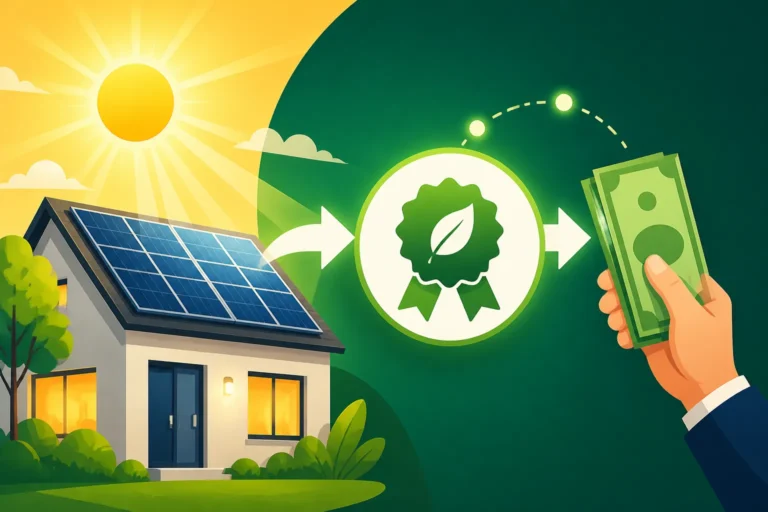
Pennsylvania's commitment to renewable energy is primarily driven by its Alternative Energy Portfolio Standard (AEPS), which mandates that a certain percentage of electricity sold by electric utilities in the state must come from alternative energy sources. This isn't just a regulatory requirement; it directly creates value for homeowners who install solar panels. The AEPS is what gives rise to the market for Solar Renewable Energy Credits, or SRECs, which is often the biggest financial driver for solar in Pennsylvania.
The AEPS has specific tiers and targets, requiring utilities to source a portion of their power from renewable sources. When you install solar panels on your roof, your system helps meet these targets, and in return, your clean energy generation can be monetized. It’s a clever system designed to spur renewable growth by creating a financial incentive for producers, including individual homeowners like you. It's not a direct rebate, but rather an ongoing income stream tied to your system's production.
Net Metering in the Keystone State
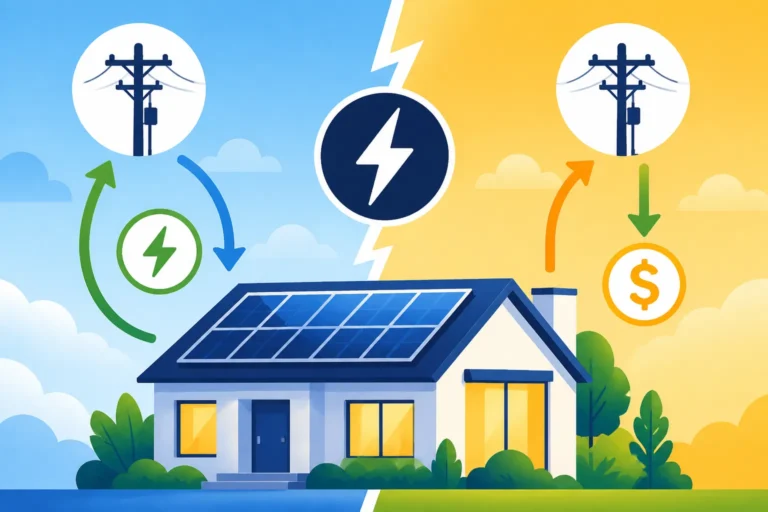
Net metering is another cornerstone incentive that drastically improves the economics of going solar in Pennsylvania. Simply put, net metering allows you to send any excess electricity your solar panels produce back to the grid and receive credits on your utility bill for that power. It’s like your utility company is buying your surplus electricity, preventing it from going to waste and effectively reducing your overall energy costs.
Most electric distribution companies in Pennsylvania, including major players like PPL Electric Utilities, PECO, Met-Ed, and West Penn Power, are required to offer net metering. The specific rates and how credits are applied can vary slightly by utility, but generally, you'll receive a credit at the retail rate for the electricity you export, up to your annual consumption. This means if your panels produce more than you consume in a month, that surplus can offset your usage in a future month, often resulting in a $0 electricity bill for periods. It’s a huge relief not to see those high utility bills, especially during peak summer or winter months, and it helps ensure that every bit of sunshine your panels capture contributes to your savings. To learn more about how this works, you can read our comprehensive guide on Net Metering Explained: How It Works by State.
Maximizing Value with Solar Renewable Energy Credits (SRECs)
For many Pennsylvanians, Solar Renewable Energy Credits, or SRECs, are the unsung hero of their solar investment. While they might sound complicated, understanding how they work is absolutely essential because they represent a significant revenue stream that can dramatically shorten your solar payback period.
How SRECs Are Generated and Traded
When your solar panels generate 1,000 kilowatt-hours (kWh) of electricity, your system creates one SREC. These credits aren't tied to the electricity itself, but rather to the environmental benefit of producing clean energy. Utilities in Pennsylvania are required to meet their renewable energy quotas under the AEPS, and they can do this in two ways: either by generating renewable energy themselves or by purchasing SRECs from others who have. This creates a market where your SRECs have value.
You, as a solar homeowner, can then sell these SRECs. Think of it like a stock market for clean energy. The price of an SREC fluctuates based on supply and demand within the Pennsylvania market. When many people install solar, SREC supply goes up; if demand from utilities remains high, prices can stay strong. Conversely, if demand drops or supply floods the market, prices can decrease. This dynamic means that while SRECs offer excellent value, it's also a market that needs monitoring. If you're wondering How to Sell SRECs (SRECTrade, Sol Systems), there are platforms specifically designed to connect SREC producers with buyers.
The Role of Aggregators in the SREC Market
Navigating the SREC market directly can feel daunting. This is where SREC aggregators come in. These companies specialize in pooling SRECs from many small solar system owners, like individual homeowners, and selling them in larger blocks to utilities or other obligated parties. They essentially act as a broker, handling the registration, tracking, and sale of your SRECs for a fee or a share of the proceeds. This takes a lot of the headache out of the process, ensuring you get paid for your credits without needing to become an expert in energy trading.
Many homeowners find working with an aggregator like SRECTrade or Sol Systems to be the easiest way to participate. They'll help register your system with the Pennsylvania Public Utility Commission (PAPUC) and the PJM Environmental Information Services (PJM-EIS) GATS system, which is where SRECs are generated and tracked. Without proper registration and monitoring, you won't be able to monetize your SRECs, so this step is critical.
Pennsylvania SREC Prices and Potential Earnings
The value of an SREC can vary significantly. In the past, Pennsylvania SRECs have seen periods of high value, providing substantial income for solar owners. In mid-2024, for example, SREC prices were fluctuating, but still contributing meaningfully to overall solar savings. It’s important to research current SREC prices to get a realistic picture of your potential earnings. These earnings, combined with your electricity bill savings from net metering, can drastically reduce your Solar Panel Payback Period Explained.
For a typical 8 kW solar system in Pennsylvania, which might produce around 9,600 kWh per year (or 9.6 SRECs), even a modest SREC price can translate into hundreds of dollars annually. Over the 20-25 year lifespan of your solar panels, this adds up to a considerable sum, often making the difference in the financial viability of your system. This income stream essentially acts as a long-term rebate, making your initial investment more attractive.
Additional Financial Boosts for Pennsylvania Solar Owners
Beyond the AEPS and net metering, there are other financial mechanisms and incentives that can further sweeten the deal for Pennsylvania residents considering solar. While not always direct cash in hand, these can reduce costs or provide ongoing savings that contribute to your overall return on investment.
Property and Sales Tax Exemptions
One common concern for homeowners thinking about solar is whether installing panels will increase their property taxes. Thankfully, Pennsylvania offers a statewide property tax exemption for solar energy systems. This means that the added value your solar panels bring to your home will not be factored into your property tax assessment. This is a huge relief, as it ensures you get the benefits of increased home value without an increased tax burden. This exemption is crucial when evaluating if Do Solar Panels Increase Home Value?.
Additionally, solar energy equipment in Pennsylvania is generally exempt from state sales tax. When you're making a significant investment in a solar system, avoiding a 6% state sales tax (or higher in some local jurisdictions like Philadelphia at 8% or Allegheny County at 7%) can save you hundreds, if not thousands, of dollars right off the bat. These exemptions might not be a direct incentive check, but they represent real savings that lower the upfront cost of your system.
Utility-Specific Rebates and Programs
While statewide programs are important, don't overlook your local utility company! Many utilities across Pennsylvania offer their own specific rebates or incentives to encourage solar adoption within their service territories. These can vary widely, from small cash rebates per watt installed to special loan programs or even community solar initiatives.
It's a smart idea to check directly with your electricity provider—whether it's PPL, PECO, Met-Ed, West Penn Power, or a smaller cooperative. Their websites often have sections dedicated to renewable energy or energy efficiency incentives. Sometimes, these programs are temporary or have specific eligibility requirements, so timing and careful research are key. You can find out more about these types of programs in our guide, Utility Solar Rebates: How to Find Yours. For instance, some utilities might offer grants or low-interest financing for certain energy efficiency upgrades that can complement your solar installation, reducing your overall energy demand.
The Ever-Present Federal Solar Tax Credit
Even though we're talking about Pennsylvania-specific incentives, it's impossible to discuss solar savings without mentioning the federal solar tax credit. As of 2026, the Residential Clean Energy Credit (formerly known as the Investment Tax Credit or ITC) is still going strong at 30% of your total solar installation cost. This is a direct dollar-for-dollar reduction of your federal income tax liability.
This federal credit applies to the cost of your solar panels, inverters, mounting hardware, and even labor costs. If you also decide to add a solar battery to your system for backup power or to optimize your energy usage, those costs are also eligible for the 30% credit! This is a substantial incentive that applies across the entire United States, including Pennsylvania. It significantly reduces the net cost of your system and is typically the largest single incentive available. For more details on its current status, check out Federal Solar Incentives That Still Exist in 2026.
Is Solar Worth It in Pennsylvania? A Financial Perspective
After sifting through all the incentives, the big question remains: Is investing in solar panels truly worth it for homeowners in Pennsylvania in 2026? The short answer for most is a resounding yes, but the long answer involves looking at how these various incentives stack up against your costs and long-term savings.
Calculating Your Return on Investment
Pennsylvania homeowners benefit from a combination of strong SREC values, solid net metering policies, and the substantial federal tax credit. These factors significantly reduce your effective cost and enhance your long-term savings. When calculating your return on investment (ROI) for solar, you need to consider:
- Upfront Cost: The total cost of your system before any incentives.
- Federal Tax Credit: Reduces your net cost by 30%.
- SREC Income: Annual revenue generated from selling your SRECs.
- Electricity Bill Savings: The amount you no longer pay your utility due to your solar production and net metering.
- Property & Sales Tax Exemptions: Direct savings on taxes.
Let's imagine a typical 8 kW solar system in Pennsylvania costs around $28,000 (roughly $3.50 per watt, which is a good target price). The 30% federal tax credit alone would reduce your out-of-pocket cost by $8,400, bringing it down to $19,600. Add in potential SREC earnings and monthly utility bill savings, and your system can pay for itself in a surprisingly short amount of time, often between 8 to 12 years. After that, you're essentially getting free electricity for the remaining 15+ years of your panels' lifespan. This makes a strong case for Is Solar Worth It in Pennsylvania?.
The Long-Term Benefits and Beyond
Beyond the direct financial returns, solar panels offer several other compelling benefits for Pennsylvania homeowners. You gain energy independence, shielding yourself from volatile utility rate hikes. For instance, if you've seen your PPL or PECO bills climb year after year, locking in your electricity costs with solar provides invaluable peace of mind. Your home's value can also increase significantly, and this added value is protected from property tax increases thanks to the state's exemption. To get a better sense of how this impacts overall value, you can review our piece on Do Solar Panels Increase Home Value?.
Furthermore, you contribute to a cleaner environment, reducing your carbon footprint and supporting Pennsylvania's transition to renewable energy. This often resonates deeply with homeowners who are concerned about climate change and want to make a tangible difference.
Here's a quick overview of Pennsylvania's key solar incentives:
| Incentive Type | Description | Applies To | Estimated Value/Benefit |
|---|---|---|---|
| Federal Solar Tax Credit | 30% credit on the cost of your solar system (panels, installation, battery storage). | Homeowners Nationwide | Reduces net system cost by 30% |
| SREC Market | Earn credits for every 1,000 kWh your system produces, which can then be sold to utilities. | PA Solar Owners | Varies by market price, typically hundreds annually for an average system. |
| Net Metering | Get bill credits for excess electricity sent back to the grid, usually at the retail rate. | PA Utility Customers | Significantly reduces or eliminates monthly electricity bills. |
| Property Tax Exemption | Solar system value is exempt from property tax assessments. | PA Homeowners | Avoids increased property taxes due to solar installation. |
| Sales Tax Exemption | Solar energy equipment and installation labor are exempt from state sales tax. | PA Solar Purchasers | 6% (or more) savings on the total system cost. |
| Utility Rebates | Specific programs offered by individual electric utilities (e.g., PPL, PECO). | Varies by Utility | Can include cash rebates, grants, or low-interest loan options. |
Considering the strong federal support, the lucrative SREC market, and robust net metering, Pennsylvania stands out as a state where solar truly makes financial sense for many homeowners. Don't hesitate to gather multiple quotes from reputable local installers. They can help you calculate your specific savings and payback period based on your home's unique energy usage and roof characteristics. Understanding How to Choose a Solar Installer is crucial in this process. You'll want to ensure they handle all the necessary paperwork for SRECs and interconnection, making the process as smooth as possible.
Disclaimer
Please note that incentive programs and regulations are subject to change. While we strive to provide the most current information, it is always recommended to verify details with local authorities, utility providers, and qualified solar professionals before making any decisions. Tax advice should always be sought from a qualified tax professional.