Is Solar Worth It in Pennsylvania?
Are you feeling the squeeze of ever-increasing utility bills in Pennsylvania? It's a common complaint, and many homeowners are looking for ways to take control of their energy costs. Going solar can seem like a daunting decision, especially with all the talk about upfront costs and various incentives. This comprehensive guide will walk you through the specifics of whether investing in solar panels makes financial sense for homes right here in the Keystone State.
The Pennsylvania Solar Landscape: Understanding the Local Scene
When you think of solar power, you might immediately picture sunny states like California or Arizona. But let's be realistic: Pennsylvania, while not a sun-drenched desert, still offers a surprisingly robust environment for solar energy. It’s all about understanding the local conditions and how they play into your potential savings.
Sunshine State? Not Exactly, But Still Good for Solar
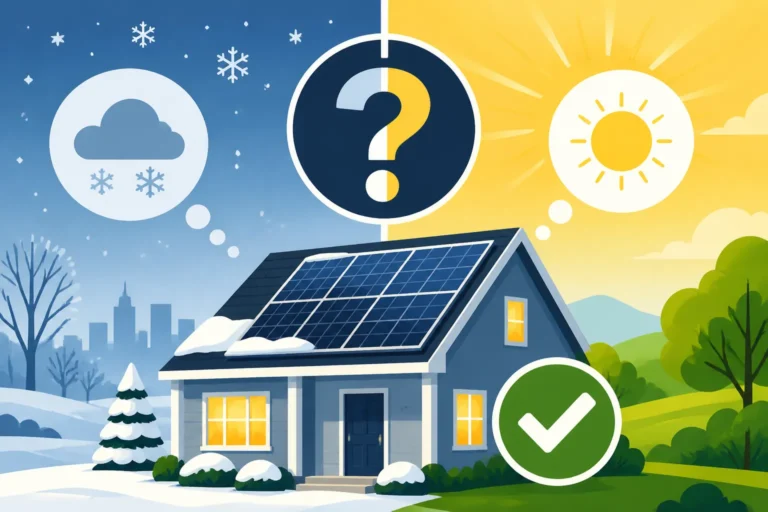
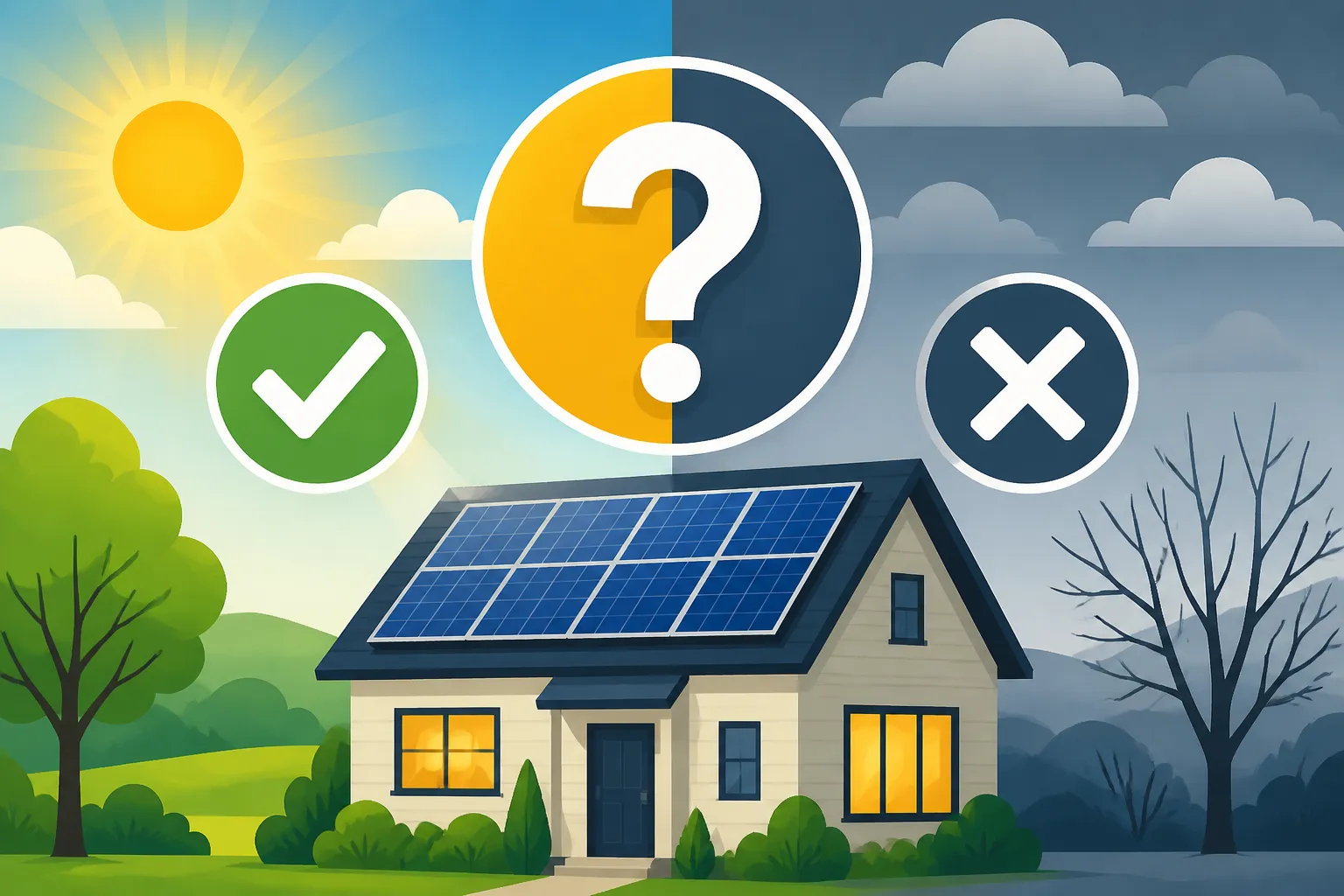
It’s true that Pennsylvania experiences all four seasons, including its fair share of cloudy days and winter snow. This can lead many homeowners to wonder if solar panels are even effective here. The good news is that modern solar technology is incredibly efficient, even on less-than-perfect days. Solar panels don't need direct, blazing sunlight to produce electricity; they can still generate power from diffused light. While you might not get the same peak production as someone in Phoenix, Pennsylvania still receives an average of 4-4.5 peak sun hours per day, which is more than enough to make solar a viable and cost-effective option for many homes.
What's more, the cooler temperatures in Pennsylvania can actually be a boon for solar panel efficiency. Unlike traditional electronics, solar panels often perform better in cooler temperatures, as long as there's adequate sunlight. Extreme heat can slightly decrease a panel's efficiency, so Pennsylvania's moderate climate can sometimes offer an advantage over scorching hot regions in terms of consistent long-term output. Don't let the occasional gray day deter you; your panels will still be working hard.
Electricity Rates and Their Impact on Solar Savings
One of the biggest drivers for going solar in Pennsylvania is the cost of electricity itself. Utility rates here, like in many other states, have been on a steady upward trend. Companies such as PECO, PPL Electric Utilities, and Duquesne Light regularly adjust their rates, and these increases can significantly impact your household budget over time. By installing solar panels, you essentially lock in your electricity costs for decades, giving you predictable expenses and protecting you from future rate hikes.
Imagine signing up for an electricity plan where your rate never changes for 25 years. That's essentially what solar offers. While the initial investment might seem substantial, comparing it to the cumulative cost of paying for utility power for the next quarter-century often reveals a compelling financial argument for solar. Plus, producing your own power means you're less reliant on a grid that can be susceptible to outages due to storms or other issues, providing a sense of energy independence that many homeowners highly value.
Key Factors Driving Solar's Value in Pennsylvania
Beyond just sunlight and rising electricity rates, several other factors contribute to solar's worth in Pennsylvania. The state has a commitment to renewable energy, which has translated into supportive policies. These policies are designed to encourage homeowners to adopt solar by offering tangible financial benefits, making your investment pay off faster and more substantially. Understanding these mechanisms is crucial to evaluating your personal return on investment.
For instance, robust net metering policies ensure that any excess electricity your panels produce is credited back to you on your utility bill, preventing waste and maximizing your savings. Additionally, programs like Solar Renewable Energy Credits (SRECs) provide an additional income stream, turning your clean energy production into a marketable commodity. These layers of support, combined with the federal incentives, create a favorable environment for solar adoption that might not be immediately obvious.
Unpacking the Costs and Incentives for Pennsylvania Homeowners
Let's get down to brass tacks: what will solar panels cost you in Pennsylvania, and more importantly, what financial help is available to bring that price down? This is where many homeowners get overwhelmed, but breaking it down makes it much clearer.
Average Solar Panel Costs in Pennsylvania
The cost of a solar panel system isn't a one-size-fits-all number; it varies based on your home's energy needs, the quality of equipment you choose, and the complexity of the installation. In Pennsylvania, you can expect the average solar panel cost to be competitive with national averages. Most homeowners might see a system cost anywhere from $15,000 to $30,000 before incentives, depending on the size of the system needed to offset their electricity usage. For example, a common 6 kW solar system might cost around $18,000-$24,000 before any financial help. You can learn more about how system size affects costs in our guide on Solar Panel Cost by System Size (kW).
This figure includes everything from the panels themselves to the inverters, mounting hardware, labor, and necessary permits. When comparing quotes, it's really important to look at the "cost per watt" to get a standardized comparison across different proposals. This metric helps you understand the true value you're getting. Keep in mind that these are just starting points; the net cost after incentives is what truly matters for your wallet.
State-Specific Solar Incentives and Rebates
Pennsylvania offers some excellent incentives that sweeten the deal for solar adoption. These programs are specifically designed to make solar more accessible and affordable for its residents.
Solar Renewable Energy Credits (SRECs)
One of the most significant state-specific incentives in Pennsylvania is the ability to earn and sell Solar Renewable Energy Credits, or SRECs. Here’s how it works: for every 1,000 kilowatt-hours (1 MWh) of electricity your solar panels produce, you generate one SREC. Utilities in Pennsylvania are mandated by the state’s Alternative Energy Portfolio Standard (AEPS) to purchase a certain percentage of their electricity from renewable sources, including solar. Since they can't always generate enough themselves, they buy SRECs from homeowners like you to meet their quotas.
This means your solar panels aren't just saving you money on your electricity bill; they're also generating a separate income stream. The value of an SREC fluctuates based on supply and demand, but it can add hundreds, even thousands, of dollars to your savings annually. You can learn all about this system in our comprehensive guide, SRECs Explained: Selling Solar Renewable Energy Credits. Many solar installers can help you set up an account with an SREC aggregator or broker, making the selling process seamless.
Net Metering Policy
Pennsylvania has a robust net metering policy that ensures you get fair credit for any excess electricity your solar panels produce. If your panels generate more power than your home needs during the day, that electricity is sent back to the grid. Your utility meter essentially spins backward, and you receive credits on your bill for that excess energy. These credits can then be used to offset the electricity you draw from the grid at night or on cloudy days.
This "one-for-one" credit system is incredibly valuable, as it effectively turns the grid into a giant battery for your home, without the added cost of a physical battery (though batteries are also a great option!). It ensures that every single kilowatt-hour your system generates contributes to your savings. Understanding Net Metering Explained: How It Works by State is key to maximizing your solar investment.
Property and Sales Tax Exemptions
Good news for homeowners in Pennsylvania: the state offers property tax exemptions for solar energy systems. This means that while adding solar panels can significantly increase your home's value, the added value from the solar installation itself will not result in a higher property tax assessment. This is a huge benefit that many states don't offer, protecting your long-term savings. You can dive deeper into this topic with our article on Solar Property Tax Exemptions by State.
Furthermore, Pennsylvania also provides a sales tax exemption for the purchase of solar energy equipment. This means you won't pay state sales tax on the panels, inverters, and other components of your solar system, which can shave off a significant chunk of the upfront cost, typically around 6% in Pennsylvania. This is another thoughtful incentive that makes going solar more affordable from day one. For more details, see our guide on Solar Sales Tax Exemptions by State.
Federal Incentives and How They Apply
Beyond the state-specific benefits, don't forget the big one: the federal solar tax credit, officially known as the Investment Tax Credit (ITC). This is a nationwide incentive that applies to all qualifying solar installations in the U.S., including those in Pennsylvania.
The ITC allows you to claim a credit equal to 30% of your total solar system cost against your federal income taxes. This isn't a deduction; it's a direct dollar-for-dollar reduction in what you owe the IRS. For example, if your solar system costs $25,000, you could get a $7,500 tax credit. This credit is currently set at 30% for systems installed through 2032, making now an excellent time to invest. It's a powerful incentive that drastically reduces your net out-of-pocket expense, often making the difference between solar being a good idea and a truly phenomenal one. Keep in mind you need sufficient tax liability to claim the full credit.
Calculating Your Return on Investment (ROI) in the Keystone State
Now that we've covered the costs and all the amazing incentives available, let's talk about the bottom line: how long will it take for your solar system to pay for itself, and what kind of long-term financial benefits can you expect as a Pennsylvania homeowner?
Typical Payback Periods for Pennsylvania Solar Systems
The payback period is the time it takes for your cumulative savings from solar to equal the initial investment. In Pennsylvania, thanks to a combination of moderate electricity rates, strong net metering, and valuable SRECs, typical solar payback periods are quite attractive. Most homeowners in the state can expect to see their systems pay for themselves in about 8 to 12 years. This timeframe is often well within the warranty period of your solar panels (which are usually guaranteed for 25 years or more), meaning you'll enjoy many years of "free" electricity once your system has paid off.
Consider a scenario: you install a $20,000 solar system. After the 30% federal tax credit, your out-of-pocket cost drops to $14,000. If you save $1,000 per year on electricity bills and earn another $500 per year from SRECs, your total annual benefit is $1,500. Dividing your net cost ($14,000) by your annual benefit ($1,500) gives you a payback period of approximately 9.3 years. This is a fantastic return on investment, especially compared to other home improvement projects or traditional investments. To understand this further, read our article on Solar Panel Payback Period Explained.
Long-Term Savings and Increased Home Value
Once your solar system has paid for itself, every dollar you save on your electricity bill and every dollar you earn from SRECs is pure profit. Over the typical 25-30 year lifespan of a solar system, homeowners in Pennsylvania can expect to save tens of thousands of dollars. With electricity rates projected to continue rising, these savings will only grow larger over time. Your solar system acts as a hedge against inflation, guaranteeing you a stable energy cost in an unpredictable market.
Beyond direct savings, solar panels significantly increase your home's value. Studies consistently show that homes with solar sell for more and often faster than comparable homes without solar. In Pennsylvania, with its property tax exemption for solar, this added value is pure upside without the burden of increased taxes. This appreciation in home value is a substantial, often overlooked, component of solar's overall financial return. You can explore this further in our guide on Do Solar Panels Increase Home Value?.
What Happens to Excess Energy? Net Metering and SRECs
The combination of Pennsylvania's net metering and SREC programs truly maximizes the value of every ray of sun hitting your panels. Net metering ensures that any power you generate but don't immediately use is effectively stored for you by the utility company, to be used when your panels aren't producing. This seamless integration means you're always getting full value for your production.
The SRECs, on the other hand, transform your environmental impact into a financial asset. By reducing carbon emissions, your system generates credits that can be sold on a marketplace. This dual benefit of bill savings and SREC income accelerates your payback period and boosts your overall ROI. This makes Pennsylvania one of the more favorable states for solar, leveraging market mechanisms to support clean energy growth.
Navigating the Solar Journey: Finding the Right Fit in PA
Deciding to go solar is a big step, but finding the right partners and understanding the local nuances can make the process smooth and rewarding. It's about making informed choices for your specific Pennsylvania home.
Choosing a Reputable Pennsylvania Solar Installer
Finding a reliable and experienced solar installer is paramount to a successful project. You want a company that understands Pennsylvania's regulations, incentive programs, and local permitting processes. Start by getting multiple quotes from different installers. This allows you to compare not just prices, but also equipment options, warranties, and proposed system designs. A good installer will perform a thorough site assessment, explain everything clearly, and be transparent about all costs and potential savings.
It's wise to look for installers with strong local reviews and certifications, such as those from the North American Board of Certified Energy Practitioners (NABCEP). Don't hesitate to ask for references from previous customers in your area. Companies like Modernize can be a great resource to connect you with pre-vetted local solar professionals who understand the Pennsylvania market inside and out. They can help you gather competitive bids efficiently, ensuring you find the best value and service.
Important Considerations for Your Pennsylvania Home
Before committing to solar, there are a few practical considerations specific to your home that are worth reviewing:
- Roof Condition: Is your roof in good shape? Solar panels are designed to last 25-30 years, so if your roof is nearing the end of its life, it might be wise to replace it before installing solar. This avoids the cost and hassle of removing and reinstalling panels later.
- Shading: Are there tall trees or neighboring buildings that cast significant shade on your roof, especially during peak sun hours? Even partial shading can impact system performance. A good installer will use specialized tools to analyze shading and design a system that maximizes energy production despite any obstacles.
- Energy Consumption: How much electricity does your household use? This will determine the size of the solar system you need. Reviewing your past 12 months of utility bills will give an installer the data they need to accurately size your system and project your savings.
- Future Plans: Do you plan to add an electric vehicle, a heat pump, or other major electrical appliances in the future? It's smart to account for potential increases in energy usage when sizing your system to ensure it continues to meet your needs for years to come.
- Aesthetics: While most homeowners prioritize savings, some also consider the visual impact of panels. Discuss different panel types and mounting options with your Modernize-referred installer to ensure you're happy with the look of your system.
Pennsylvania Solar Incentives Overview
To help you visualize the key financial benefits of going solar in Pennsylvania, here's a quick overview:
| Incentive Type | Description | Benefit for PA Homeowners |
|---|---|---|
| Federal Solar Tax Credit (ITC) | 30% credit on total system cost against federal income taxes. | Directly reduces out-of-pocket cost by a significant amount. |
| Solar Renewable Energy Credits (SRECs) | Earn one credit for every MWh (1,000 kWh) of electricity produced. | Provides an additional income stream, enhancing ROI. |
| Net Metering | Receive full retail credit for excess electricity sent back to the grid. | Maximizes savings by crediting all generated power. |
| Property Tax Exemption | Solar system value is exempt from property tax assessment. | Increases home value without increasing property taxes. |
| Sales Tax Exemption | No state sales tax on the purchase of solar energy equipment. | Reduces the upfront cost of the system. |
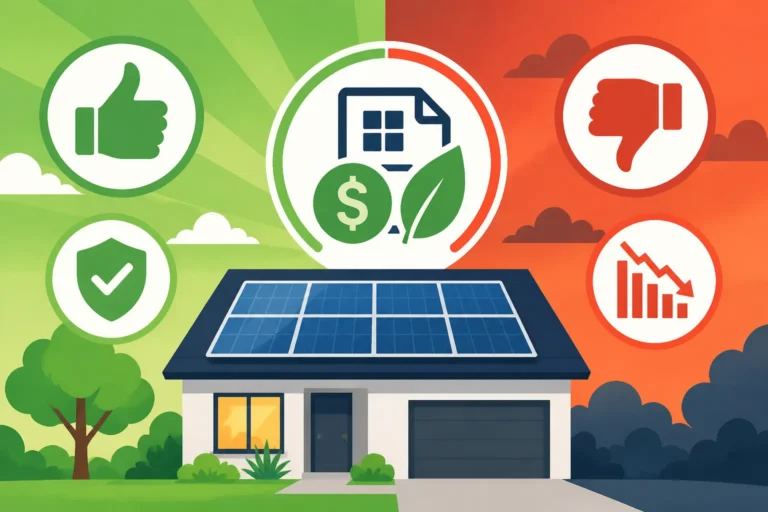
These combined incentives, especially the SREC market and federal tax credit, make solar in Pennsylvania a highly attractive investment. When you connect with a provider through Modernize, they can help you understand how these benefits apply specifically to your installation.
Disclaimer
This article is for general informational purposes only and does not constitute professional advice. Laws, prices and regulations vary by location and change over time. Consult a qualified professional for guidance on your specific situation.