Is the Sonnen Worth It?
Deciding to invest in a home solar battery system is a huge step toward energy independence, but the sheer number of options and confusing technical specs can make anyone's head spin. You're probably looking for reliability, efficient energy management, and peace of mind during grid outages, but you also want to make sure the significant cost is truly worth it. This guide is here to untangle the complexities of the Sonnen battery system, helping you understand its unique offerings and determine if it's the right fit for your solar journey.
What Exactly Is a Sonnen Battery System?
When you first start looking into solar batteries, you might picture a simple box that just holds extra electricity. And while that's certainly part of it, a company like Sonnen takes a much more sophisticated approach. They're not just selling storage; they're offering an entire intelligent energy management ecosystem designed to optimize your home's power consumption and production. This philosophy is really what sets them apart in a crowded market.
Beyond Simple Storage: The Sonnen Philosophy
Sonnen, a German company with a strong reputation for precision engineering and innovation, views home energy storage as a dynamic component of a larger, smarter energy future. Their goal isn't just to store your excess solar power for later; it's to integrate your home into a network of clean energy producers and consumers. This means their systems are built with sophisticated software that learns your usage patterns, anticipates future needs, and reacts to changes in electricity prices or grid demands. It’s about creating a truly "smart" home grid, not just a backup power source.
Imagine your home as its own mini-power plant, not just drawing from the grid but actively managing its energy flow. A Sonnen battery enables this by intelligently deciding when to store solar power, when to use it, and even when to potentially participate in grid services programs where available. This is a far cry from a basic battery that simply charges when the sun shines and discharges when you flick a switch. It's about empowering homeowners to be active participants in the energy transition, offering a level of control and efficiency that many other systems simply don't provide. If you're wondering if a battery is even right for you, diving into the specifics of Do I Need a Battery With Solar? can offer a foundational understanding.
Core Components and How They Work Together
A typical Sonnen battery system, such as their popular eco or core models, is more than just a battery bank. It’s an integrated unit that combines several critical technologies to form a cohesive energy management system. At its heart are the actual battery cells, which Sonnen typically constructs using lithium iron phosphate (LiFePO4) chemistry. This is a key differentiator we'll discuss more, known for its stability and safety.
Beyond the battery modules themselves, each Sonnen system incorporates an advanced inverter and a sophisticated energy manager. The inverter is crucial for converting the DC power from your solar panels and battery into the AC power your home appliances use. The energy manager, often controlled via the intuitive Sonnen app, is the brain of the operation. It constantly monitors your solar production, home electricity consumption, and grid status. Based on pre-set preferences and its self-learning algorithms, it optimizes energy flow. For instance, it might hold back power during the day if it knows your utility offers better rates for discharging stored energy during evening peak hours, or if it anticipates a cloudy spell. This seamless integration ensures that every watt of energy is utilized as effectively as possible, reducing your reliance on expensive grid electricity and providing a robust shield against power outages.
Key Features and Benefits That Set Sonnen Apart
So, what makes a Sonnen battery a premium choice and potentially "worth it" compared to other options on the market? It really boils down to a blend of intelligent technology, an unwavering commitment to safety and longevity, and a design philosophy that considers the aesthetics and practicalities of home integration.
Intelligent Energy Management and Home Automation
One of the most compelling reasons homeowners choose Sonnen is its sophisticated energy management capabilities. Unlike some "set it and forget it" battery systems, Sonnen actively learns and adapts. Its proprietary software employs self-learning algorithms to understand your household's unique energy consumption patterns over time. It recognizes when you typically use the most power – maybe when everyone gets home from school and work, or during dinner prep – and it intelligently plans how to best use your stored solar energy to meet those demands.
This intelligent management is particularly powerful if your utility has time-of-use (TOU) billing, where electricity costs fluctuate throughout the day. The Sonnen system can perform "peak shaving" by discharging stored energy during expensive peak hours, preventing you from buying electricity at the highest rates. It also excels at "load shifting," allowing you to charge the battery during off-peak hours (if you ever need supplemental grid charging) and then use that cheaper energy later. This level of optimization can lead to significant savings on your electricity bill over the long term. While you won't find the full Sonnen system on Amazon, you might find smart home energy monitors or individual components there that illustrate the concept of granular energy tracking. The ability of Sonnen to integrate with certain smart home devices also further enhances this automation, allowing you to prioritize power for critical loads or even automate appliance usage based on available solar energy.
Superior Safety, Longevity, and Environmental Commitment
Safety is paramount when it comes to home energy storage, and Sonnen has made it a cornerstone of their product design. They predominantly utilize Lithium Iron Phosphate (LiFePO4) battery chemistry. Without getting too technical, LiFePO4 batteries are renowned for their inherent stability and resistance to thermal runaway – the fancy term for overheating that can lead to fires. This makes them a significantly safer option for residential installation compared to some other lithium-ion chemistries. This focus on safety provides immense peace of mind, knowing you have a robust and secure energy solution installed in your home.
Beyond safety, Sonnen batteries are engineered for longevity. Their LiFePO4 cells are designed for a high cycle life, often boasting capabilities of 10,000 cycles or more. A "cycle" is one full charge and discharge. This means the battery can be used daily for many years without significant degradation in performance. Most Sonnen systems come with a robust warranty, typically 10 years, which often covers both the product and a certain level of performance throughput or cycle count. This commitment to durability and a comprehensive warranty underscores their confidence in the product's long lifespan, ensuring you get a solid return on your investment. It’s always smart to compare these details when looking at Solar Panel Warranties Explained, as the battery warranty is just as crucial for your overall system. Furthermore, Sonnen is committed to sustainability, emphasizing the recyclability of their battery components and striving for an environmentally conscious manufacturing process.
Sleek Design and Space Efficiency
Let's be honest, while functionality is key, aesthetics also matter when you're installing something new in your home. Many homeowners appreciate that Sonnen systems are designed with a clean, modern, and relatively compact aesthetic. Unlike some industrial-looking battery units, a Sonnen battery often presents as a sleek, wall-mounted cabinet that can blend quite seamlessly into a utility room, garage, or even a finished basement. They aren't an eyesore; they're thoughtfully designed appliances.
The relatively compact footprint of Sonnen systems is another practical benefit, especially for homes where space is at a premium. These units are often designed to be stackable or modular, allowing for future expansion if your energy needs grow. This design philosophy considers not just the technical performance but also the lived experience of having such a system in your home. It reflects a European design sensibility that prioritizes both form and function, making it an attractive option for homeowners who value a sophisticated look as much as high performance.
Navigating the Considerations: Cost, Installation, and Sizing
As with any significant home improvement, especially one involving advanced technology like solar battery storage, there are practical considerations that need careful evaluation. The primary concerns often revolve around the initial investment, the complexities of installation, and ensuring the system is correctly sized for your specific energy demands.
The Upfront Investment: A Premium Product
There's no sugarcoating it: Sonnen battery systems are generally considered a premium product in the home energy storage market. This means the upfront cost will likely be higher than some alternative battery brands. This isn't just because of brand recognition; it's a reflection of the advanced technology, superior safety features (like the LiFePO4 chemistry), robust build quality, extensive warranties, and the integrated intelligent energy management software we've discussed. When you look at the total Solar Plus Battery Cost, a Sonnen unit often falls on the higher end.
However, it's crucial to view this as an investment in long-term value, not just an immediate expense. The intelligent optimization capabilities can lead to greater savings over the battery's lifespan by maximizing self-consumption and reducing reliance on the grid during expensive peak hours. When you compare this to a competitor like How Much Does a Tesla Powerwall Cost?, you'll see different price points and feature sets. Additionally, the enhanced safety and longer cycle life can mean fewer worries and potential replacement costs down the road. Local solar installers who are authorized Sonnen dealers are the best resource for accurate pricing, as they can factor in installation and specific model costs. You won't find the complete systems for purchase directly on a platform like Amazon, but researching different battery components or compatible smart home devices can sometimes offer a glimpse into the price range of advanced tech.
Installation and Integration Specifics
Installing a Sonnen battery system is not a DIY project; it requires certified professional installers. The process involves significant electrical work to integrate the battery with your solar array, your home's electrical panel, and the utility grid. This complexity means that finding a reputable and experienced solar installer is key. They'll conduct a thorough site survey to assess your home's electrical infrastructure, determine the best location for the battery, and ensure all local codes and regulations are met.
The integration process also involves setting up the software and connecting the system to your home's internet for monitoring and remote management. Depending on your current electrical panel, an upgrade might be necessary to accommodate the new loads and circuits associated with the battery system. This is a standard part of many solar-plus-storage installations but adds to the overall Solar Installation Timeline: What to Expect and cost. After installation, the system will need to pass local inspections and receive Permission to Operate (PTO) from your utility before it can be fully activated and begin operating. This entire process, from initial consultation to PTO, can take several weeks or even months, depending on local permitting requirements and utility turnaround times. To navigate this, learning How to Choose a Solar Installer becomes incredibly important.
Sizing Your Sonnen System for Optimal Performance
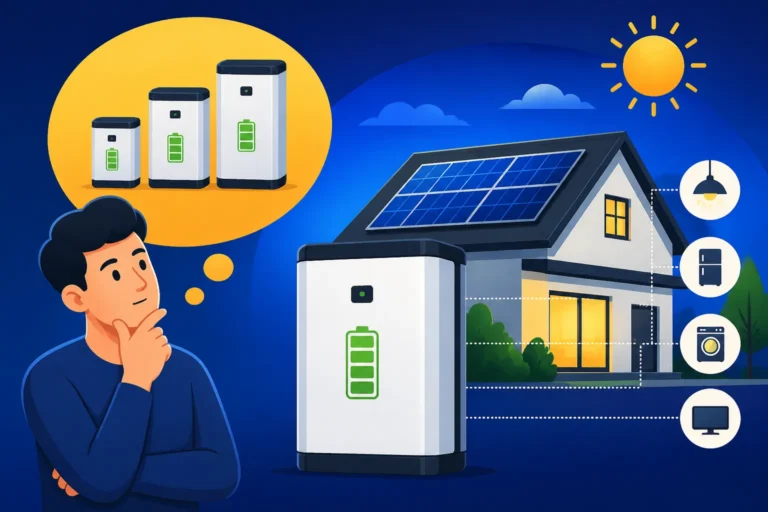
Choosing the right size for your home battery system is one of the most critical decisions you'll make, and it directly impacts the "worth it" factor. An undersized battery won't provide the backup or savings you expect, while an oversized one means you're paying for capacity you don't need. Sonnen, with its modular design, offers flexibility, but getting the initial assessment right is paramount. You'll want to review your past electricity bills to understand your average daily consumption, particularly during peak hours, and assess what critical loads you'd want to power during an outage (lights, refrigerator, well pump, etc.).
Sonnen offers various models, like the eco and core, with different energy capacities and power outputs. An experienced installer will help you analyze your specific energy profile, taking into account your solar panel production, desired backup duration, and any time-of-use rate structures from your utility. They'll also consider if you plan to participate in virtual power plant programs, which might require a certain minimum capacity. Getting this right is so important that we have a whole guide on What Size Solar Battery Do I Need?, which delves into the nuances of matching battery capacity to your household's unique energy footprint. Ultimately, proper sizing ensures you maximize the benefits of the intelligent energy management system and justify the investment.
Is the Sonnen Worth It? Making Your Personal Decision
So, after all this detailed discussion, the million-dollar question remains: is a Sonnen battery system worth it for you? The answer, as with most significant home investments, isn't a simple yes or no. It depends heavily on your priorities, your specific home, your local energy market, and your financial situation.
Scenarios Where Sonnen Shines Brightest
The Sonnen battery truly distinguishes itself in several key situations where its advanced features provide exceptional value:
- High Electricity Rates with Time-of-Use Billing: If your utility charges significantly more for electricity during certain hours (peak rates), Sonnen's intelligent energy management can be a game-changer. It learns your patterns and automatically discharges stored solar energy during these expensive periods, drastically reducing your utility bill. This "energy arbitrage" is where Sonnen excels, often providing a faster payback.
- Prioritizing Safety and Long-Term Reliability: For homeowners who want the absolute safest battery chemistry (LiFePO4) and a system built with German engineering precision for a long, reliable life, Sonnen is a top contender. The robust warranty and durable components offer significant peace of mind.
- Desire for Sophisticated Energy Management and Smart Home Integration: If you're someone who loves data, automation, and optimizing your home's systems, Sonnen's intelligent software and app control will appeal. It's not just backup; it's a dynamic energy hub for your home.
- Living in Areas Prone to Frequent Power Outages: While many batteries offer backup, Sonnen's seamless integration and reliability ensure a smooth transition during outages, providing essential power to your critical loads without a hitch. If you're considering whether the investment makes sense for your backup needs, exploring Is It Worth Adding a Battery to My Solar System? can help clarify your priorities.
- Interest in Grid Services or Virtual Power Plants (VPPs): In some regions, utilities offer incentives for homeowners to allow their batteries to discharge power back to the grid during times of high demand. Sonnen systems are often designed with this capability in mind, allowing you to potentially earn additional income from your battery.
Comparing Sonnen to Other Top Contenders
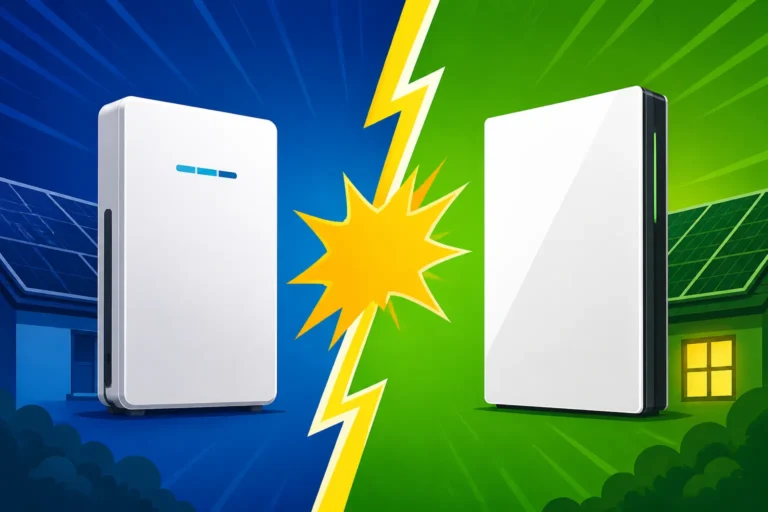
To fully understand if Sonnen is worth it, it helps to see how it stacks up against some of its well-known competitors.
| Feature | Sonnen (e.g., eco) | Tesla Powerwall 3 | Enphase IQ Battery 5P | FranklinWH aPower |
|---|---|---|---|---|
| Battery Chemistry | Lithium Iron Phosphate (LiFePO4) | Lithium-ion (NMC) | Lithium Iron Phosphate (LiFePO4) | Lithium Iron Phosphate (LiFePO4) |
| Focus | Intelligent Energy Management, Grid Services | Whole Home Backup, Integration with Tesla Ecosystem | Modular, Integrated with Enphase Microinverter Systems | Whole Home Energy Management, Fast Backup |
| Safety | Very High (LiFePO4, internal safety features) | Good (advanced thermal management) | Very High (LiFePO4, modular design) | Very High (LiFePO4, robust safety protocols) |
| Warranty | 10 years / 10,000 cycles (or throughput) | 10 years / unlimited cycles (capacity retention) | 10-15 years / 6,000 cycles (or throughput) | 12 years / 12,000 cycles (or throughput) |
| Integrated Inverter | Yes | Yes | Yes (AC-coupled) | Yes (AC-coupled) |
| Scalability | Modular, can add units | Modular, up to 9 Powerwalls | Modular, granular expansion | Modular, up to 15 units |
| Design | Sleek, premium, compact | Minimalist, modern | Sleek, compact | Modern, relatively compact |
| Price Point | Premium | Mid-High | Mid-High | Mid-High |
| Best For | Energy arbitrage, grid services, smart home enthusiasts | Whole home backup, Tesla solar customers | Existing Enphase solar owners, safety-focused, granular control | Fast switching, comprehensive energy control, safety |
As you can see, each battery has its strengths. Tesla Powerwall is often lauded for its high power output and seamless integration within the Tesla solar ecosystem. Enphase IQ Batteries are fantastic for those already using Enphase microinverters and value a modular, AC-coupled system with strong safety. The FranklinWH system, another strong contender, focuses on comprehensive home energy management with quick backup capabilities. Sonnen, however, often leads in the sheer intelligence of its energy management, its superior LiFePO4 safety, and its long cycle life. Delving into a guide like Tesla Powerwall vs Enphase IQ Battery can give you even more context for these comparisons, but remember that Sonnen carved its own niche with its advanced software. When doing your research, you might find articles or reviews on various brands, and sometimes even small parts or accessories for these systems listed on platforms like Amazon, which can help in cross-referencing capabilities or understanding typical consumer expectations.
Final Factors for Your Personal Assessment
Ultimately, the decision of whether the Sonnen battery is "worth it" comes down to your personal evaluation of these factors:
- Your Budget vs. Long-Term Savings: Can you afford the premium upfront cost? If so, will the projected savings from intelligent energy management, especially with high TOU rates, justify that initial investment over the battery's lifespan?
- Your Specific Energy Goals: Is your primary goal whole-home backup during outages, maximizing self-consumption of solar, participating in grid services, or a combination? Sonnen excels at intelligent optimization, which might not be fully utilized if your only concern is basic backup.
- Local Incentives and Utility Programs: Research state and local Solar Battery Incentives in 2026 in your area. Many regions offer rebates, tax credits, or performance-based incentives for battery storage, which can significantly reduce the net cost and improve the ROI for any system, including Sonnen.
- Value of Design and Advanced Features: How much do you value a sleek, integrated design and highly sophisticated software controls? If these premium aspects resonate with your lifestyle and preferences, the extra cost for a Sonnen system becomes easier to justify.
Consider getting multiple quotes from different installers for various battery brands. This will give you a clear picture of installation costs and overall system pricing, allowing you to make a truly informed decision tailored to your home and your wallet.
Disclaimer
Please remember that the information provided in this article is intended for general informational purposes only. While we strive to provide accurate and up-to-date content, the solar energy market, incentive programs, and product specifications are subject to change. It is crucial to consult with certified solar professionals and financial advisors to assess your specific energy needs, understand local regulations, and make informed decisions regarding solar panel and battery installations for your home.