SolarEdge Inverter Review
Thinking about going solar, you're likely overwhelmed by the sheer number of components and technical jargon, especially when it comes to the "brain" of your system – the inverter. Choosing the right inverter can feel like navigating a maze, and SolarEdge, with its unique optimizer-based approach, often comes up as a strong contender. This comprehensive guide is here to break down exactly what a SolarEdge inverter system entails, what makes it stand out, and whether it’s the perfect fit for your home and energy needs.
Understanding the SolarEdge System: More Than Just an Inverter
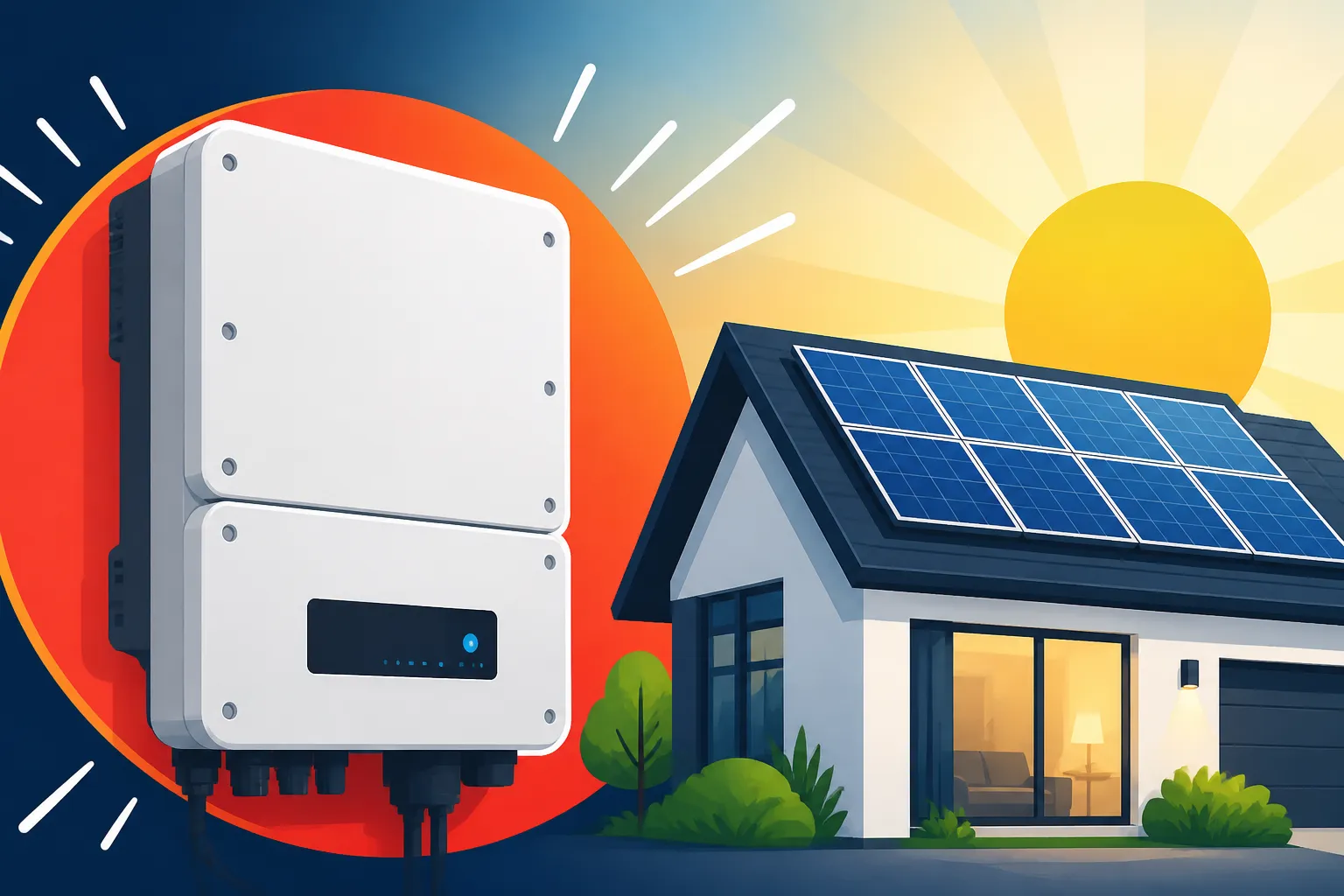
When we talk about a "SolarEdge inverter," we're not just talking about one box in your garage. SolarEdge actually offers an integrated system that includes individual power optimizers installed on each solar panel, which then communicate with a central inverter unit. This two-part approach is what truly sets SolarEdge apart from more traditional string inverters or even microinverter systems. It’s designed to tackle some of the biggest challenges homeowners face with rooftop solar, primarily optimizing performance and enhancing safety.
The Role of Power Optimizers
Imagine each of your solar panels working independently, even if one of them gets shaded by a tree branch or accumulates some dirt. That's essentially what SolarEdge power optimizers do. Instead of connecting all your panels in a "string" where the weakest link can drag down the performance of the entire array, optimizers are tiny, smart devices attached to the back of each individual panel. Their job is to condition the DC (direct current) power coming from that specific panel and send it to the main inverter at a consistent, optimal voltage.
This setup is particularly brilliant for roofs that aren't perfectly uniform or receive partial shading throughout the day. For example, if you have a complex roof with multiple angles or chimneys casting shadows, a traditional string inverter might see a significant drop in overall system output because the weakest panel affects the whole string. With SolarEdge's optimizers, if one panel is underperforming, the others continue to produce at their maximum potential. This means more energy harvested from your roof and, ultimately, more savings on your electricity bill. It also helps mitigate the impact of normal panel degradation over time, as each panel is managed individually.
How the Central Inverter Integrates with Optimizers
The central SolarEdge inverter is the hub where all that optimized DC power from your individual panels converges. It takes the conditioned DC electricity and converts it into usable AC (alternating current) electricity for your home. This conversion process is highly efficient, and because the optimizers have already done a lot of the heavy lifting by maintaining optimal voltage from each panel, the central inverter can operate more effectively.
One of the coolest features of the SolarEdge system is its incredibly detailed monitoring capabilities. Because each optimizer reports on its individual panel's performance, you get a bird's-eye view of your entire system. You can log into an app on your phone or computer and see how much power each specific panel is generating in real-time. This level of insight is invaluable for troubleshooting, confirming performance, and simply enjoying the satisfaction of watching your solar investment work. This holistic approach means that the inverter isn't just converting power; it's also acting as a central communication point for your entire solar array, providing data that was previously difficult to obtain.
Key Features and Benefits of a SolarEdge Inverter System
Beyond the fundamental design, SolarEdge systems come packed with features that directly benefit homeowners. These advantages often make them a compelling choice, especially for those who want peace of mind and maximum energy harvest.
Maximized Energy Production from Challenging Roofs
Let's face it, not every home has a perfectly south-facing, shade-free roof. Most homes in urban and suburban areas contend with trees, dormers, chimneys, or neighboring buildings that cast shadows at different times of the day. This is where SolarEdge really shines. The individual power optimizers ensure that each panel operates at its peak performance, regardless of how other panels in the array are performing.
Consider a scenario in a city like Boston, where older homes often have unique rooflines and significant tree cover. A single shaded panel in a traditional string inverter system could reduce the output of the entire string by 20-30%. With SolarEdge, that shaded panel might only produce 50% of its potential, but the unshaded panels next to it will continue producing at 100%. Over the 25-year lifespan of a solar system, these incremental gains add up to substantial energy production and savings. This means homeowners with less-than-ideal roof conditions can still achieve impressive solar yields, making solar viable for a wider range of properties. The improved performance contributes significantly to the overall Solar Panel Payback Period Explained for your system.
Enhanced Safety with Rapid Shutdown
Safety is paramount in any home improvement project, and solar is no exception. SolarEdge systems incorporate advanced safety features, most notably the "Rapid Shutdown" capability. This feature is mandated by the National Electrical Code (NEC) and is crucial for the safety of firefighters and emergency responders.
In the event of a power outage or an emergency, rapid shutdown ensures that the DC voltage in the solar panel array is quickly reduced to a safe level. With SolarEdge, the power optimizers are designed to automatically reduce the voltage at each panel to a harmless level (typically 1V per optimizer) when the central inverter loses AC power. This drastically minimizes the risk of electrocution for anyone working on or near your roof. Traditional string inverters, while having their own safety protocols, can still leave high voltage DC lines running across your roof, which can be a serious hazard during an emergency. This peace of mind is invaluable, knowing that your system meets or exceeds the latest safety standards.
Advanced System Monitoring and Diagnostics
One of the most satisfying aspects of owning a SolarEdge system is the level of visibility you get into its operation. The system's monitoring platform provides detailed, panel-level performance data accessible through a web portal or a mobile app. You can see how much energy your entire system is producing, or even zoom in to see the output of each individual solar panel.
This granular monitoring isn't just a cool gadget; it's incredibly practical. If a panel suddenly underperforms due to accumulated debris, a faulty optimizer, or even a system issue, you'll know exactly which panel it is and can alert your installer. This allows for quick diagnosis and resolution, minimizing downtime and maximizing your energy harvest. Without this level of detail, identifying an issue could be like finding a needle in a haystack, potentially leading to prolonged underperformance. The ability to track your system's output so closely also allows you to compare its actual production with projected Solar ROI & 25-Year Savings Breakdown figures, ensuring your investment is paying off as expected.
Integration with Smart Home and Battery Storage Solutions
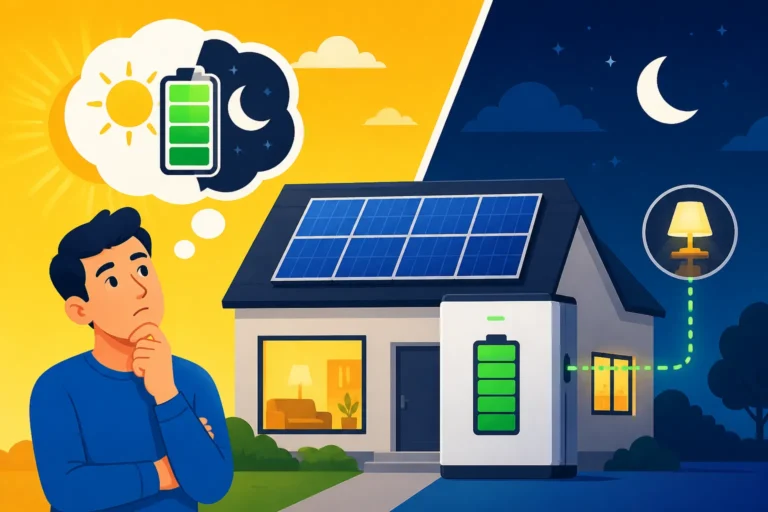
SolarEdge isn't just about converting sunlight to electricity; it's also about managing your home's energy ecosystem. Their inverters are designed to integrate seamlessly with various smart home devices and, crucially, with battery storage systems like the Tesla Powerwall or their own SolarEdge Home Battery. This means you can create a more resilient and self-sufficient home.
For instance, if you're looking to add a solar battery, many SolarEdge inverters are "battery-ready," simplifying the installation process. This integration allows you to optimize when you use grid power, when you consume your own solar power, and when you draw from your battery storage. In states with less favorable net metering policies, or during peak demand times, this level of control can significantly enhance your savings. You can use their app to manage energy flow, ensuring you’re getting the most out of every kilowatt-hour your panels produce and store.
Potential Drawbacks and Considerations
While SolarEdge offers significant advantages, it's important to look at the full picture. No solar technology is a one-size-fits-all solution, and there are a few factors that might make you pause or consider alternatives.
Higher Upfront Costs
One of the most common points of discussion when considering SolarEdge is the initial investment. Because each panel requires an individual power optimizer in addition to the central inverter, the equipment cost for a SolarEdge system can be higher than a traditional string inverter setup. This is simply due to the increased number of components and the advanced technology embedded in each optimizer.
For homeowners on a very tight budget or those with a perfectly unshaded, south-facing roof where panel-level optimization offers less benefit, the added cost might not justify the performance gains. While the long-term benefits in terms of increased energy production and enhanced monitoring often lead to a better return on investment over the system's lifetime, that initial hurdle can be a factor. It's crucial to get detailed quotes and compare the overall Solar Panel Cost Per Watt Explained for different system types.
System Complexity and Maintenance
While SolarEdge systems are generally reliable and come with excellent warranties, having more components inherently introduces more potential points of failure compared to a simpler string inverter system. If an individual power optimizer fails, for example, it will only affect that one panel (thanks to the very technology designed to prevent system-wide failures), but it still requires a service call.
Most reputable installers will cover this under their workmanship warranty, and SolarEdge's optimizers typically come with a 25-year warranty, matching or exceeding panel warranties. However, accessing and replacing a faulty optimizer requires someone to get on your roof. This isn't a DIY job. While a good installer will handle it promptly, it's a consideration for those who prioritize the absolute simplest system possible. Fortunately, the detailed monitoring usually allows issues to be caught early, often before they significantly impact your overall production.
Aesthetic and Installation Considerations
The optimizers are installed directly underneath each solar panel, so they are not visible once the system is installed. However, the installation process for a SolarEdge system can be slightly more intricate and time-consuming than a traditional string inverter. Each panel needs to be individually wired to its optimizer, and then those optimizers are wired together before connecting to the central inverter.
This added complexity means that selecting an experienced and certified installer is even more critical. You want a team that is well-versed in SolarEdge technology and best practices to ensure a smooth, efficient, and reliable installation. While the finished look is generally very clean, the process itself requires precision. Always ask your potential installer about their experience with various inverter types during your consultation to ensure they are the right fit for your project.
Is a SolarEdge Inverter System Right for Your Home?
Deciding on the best solar inverter for your home comes down to a few key factors about your property, your budget, and your priorities. SolarEdge is an excellent choice for many, but it's not universally the "best" for everyone.
Ideal Scenarios for Choosing SolarEdge
SolarEdge systems truly shine in specific circumstances where their unique architecture provides maximum benefit. If any of these describe your home, SolarEdge should definitely be at the top of your list:
- Shaded Roofs or Complex Rooflines: This is arguably SolarEdge's strongest selling point. If your roof has multiple angles, dormers, chimneys, or is partially shaded by trees or neighboring buildings at different times of the day, the panel-level optimization will significantly increase your overall energy harvest compared to a string inverter. This scenario is common in many residential areas, from sprawling suburbs to dense urban neighborhoods where shadows are unavoidable.
- Desire for Granular Monitoring: For homeowners who love data and want to keep a close eye on their system's performance, the panel-level monitoring is unmatched. You'll know exactly how every single panel is performing, making it easy to spot potential issues or simply marvel at your energy production.
- Future-Proofing and Battery Readiness: If you plan to add a solar battery for backup power or increased energy independence in the future, many SolarEdge inverters are designed with this in mind, often making the integration process smoother and more cost-effective. Their energy management solutions are built to evolve with your energy needs.
- Safety as a Top Priority: The rapid shutdown feature is a significant safety enhancement, particularly comforting for those concerned about emergency responder safety or living in areas prone to wildfires.
Comparing SolarEdge to Other Inverter Types
To really understand where SolarEdge fits, it helps to briefly compare it to its main competitors: traditional string inverters and microinverters (like those from Enphase Energy).
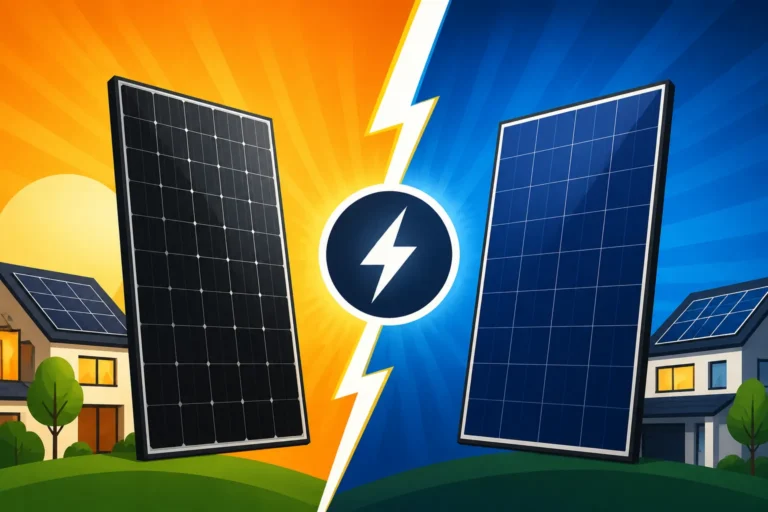
- Traditional String Inverters: These are the simplest and often least expensive option. Panels are wired in "strings," and DC power is sent to a single central inverter. They work best on perfectly unshaded, uniform roofs. Their main drawback is that if one panel underperforms, the entire string's output can be affected. They lack panel-level monitoring and often have fewer advanced safety features. You might consider a string inverter if your Solar Panel Cost Per Watt Explained is your absolute top priority and your roof is ideal.
- Microinverters (e.g., Enphase): Like SolarEdge, microinverters optimize at the panel level. Each panel has its own tiny inverter that converts DC to AC right on the roof. This provides excellent shade mitigation and panel-level monitoring. The main differences from SolarEdge are that microinverters produce AC power on the roof (eliminating high-voltage DC lines), and if a microinverter fails, it's typically easier to swap out than an optimizer/central inverter combo, though it still requires roof access. The debate between Enphase vs SolarEdge: Which Inverter Is Better? often comes down to personal preference for AC vs. DC architecture and specific installer recommendations.
Here's a quick comparison table:
| Feature | SolarEdge System | Traditional String Inverter | Microinverter System (e.g., Enphase) |
|---|---|---|---|
| Optimization | Panel-level via optimizers | String-level | Panel-level |
| Shade Performance | Excellent (panel-level mitigation) | Poor (system-wide reduction) | Excellent (panel-level mitigation) |
| Monitoring | Granular, panel-level | System-level only | Granular, panel-level |
| Safety (Rapid Shutdown) | Excellent (DC voltage reduced at panel) | Varies (some compliance, higher DC on roof) | Excellent (AC produced at panel) |
| Cost | Moderate to High | Low to Moderate | Moderate to High |
| Battery Integration | Good (many inverters battery-ready) | Requires separate battery inverter | Good (often integrated battery solutions) |
| Complexity | Moderate (optimizers + central inverter) | Low (single central inverter) | Moderate (many individual inverters) |
Finding the Right Installer for Your SolarEdge System
No matter how great the technology, your solar system's success hinges on a quality installation. For a sophisticated system like SolarEdge, choosing a certified and experienced installer is crucial. Look for companies that have a strong track record with SolarEdge products and whose technicians are factory-trained.
Don't be afraid to ask potential installers about their experience with specific inverter brands, their warranty on workmanship, and how they handle service calls. Reputable companies like Sunrun or local certified SolarEdge partners will be transparent about their processes and provide detailed quotes. You can even find compatible smart home accessories or general solar research on platforms like Amazon, but the core SolarEdge system demands professional design and installation. Getting multiple quotes and reading reviews is always a smart move to ensure you're working with a trustworthy provider. Ultimately, the quality of your installation is just as important as the quality of your equipment for long-term performance and peace of mind.
Disclaimer
The information provided in this guide is for general informational purposes only and does not constitute professional advice. Solar system suitability and performance can vary based on individual circumstances, location, and specific product models. Always consult with a qualified solar professional for personalized recommendations and detailed system design.