Are Solar Panels Getting Cheaper or Better?
It can feel like you're standing at a crossroads when you're considering solar for your home, constantly wondering if now is truly the right time to invest. You hear snippets about falling prices, then you hear about incredible new technologies, and it leaves you scratching your head: are solar panels getting cheaper, or are they just getting better? The truth, as often is the case, is a bit of both, and understanding this dynamic is crucial for any homeowner trying to make an informed decision. This guide will dive deep into the trends shaping the solar industry, exploring how costs have shifted, how technology has advanced, and what these changes mean for your potential solar investment today.
The Evolving Cost Landscape of Solar Panels
For years, we’ve heard the narrative: solar panels are becoming more affordable. And largely, that's been true, especially for the actual manufacturing of the panels themselves. But like a many-layered cake, the "cost of solar" isn't just about the panels; it's a whole recipe of components, labor, and market forces.
Declining Manufacturing Costs and Supply Chain Efficiencies
Think back a decade or so, and the idea of putting solar panels on your roof felt like a futuristic dream, largely due to the prohibitive price tag. Fast forward to today, and you'll find that the cost to produce a single solar panel has plummeted dramatically. This isn't magic; it's the result of relentless innovation in manufacturing processes, economies of scale as production ramps up globally, and fierce competition among manufacturers. Factories in places like China and Southeast Asia have become incredibly efficient, streamlining every step from silicon wafer production to final panel assembly. This has led to lower raw material costs and more automated lines, meaning less human labor per panel.
For example, a high-quality 400W solar panel today might cost a fraction of what a less efficient 250W panel did ten years ago. These cost savings at the manufacturing level are significant, and they form the foundation of the overall affordability of solar energy. When you look at the raw cost per watt of a solar panel, the trend is undeniably downward, making the core technology more accessible than ever. This continued drive for efficiency means that, in terms of hardware, you are absolutely getting more bang for your buck than ever before.
Impact of Tariffs and Trade Policies
Now, here's where things get a bit more complicated and where "cheaper" isn't always a straight line. While the underlying manufacturing costs have fallen, global trade policies and tariffs can throw a wrench into the works. The United States, for instance, has implemented various tariffs on imported solar panels, particularly from certain countries. These tariffs are essentially taxes added to the price of imported goods, designed to protect domestic industries or address perceived unfair trade practices.
When these tariffs are in place, they directly increase the cost of solar panels for installers and, subsequently, for homeowners. So, even if a panel itself is technically cheaper to produce in a factory overseas, the final price you pay can be inflated by these import duties. We've seen this play out with different administrations and policy changes over the years. What might seem like a great deal one year could be slightly more expensive the next, purely due to these policy shifts, not a change in the manufacturing process itself. It's a reminder that the solar market operates within a complex global economy, and the final price tag isn't just about the tech.
Installation Costs: A Different Story
While the panels themselves have gotten cheaper, the cost of actually getting them onto your roof and connected to the grid—the "soft costs"—hasn't always followed the same downward trajectory. These soft costs include everything from sales and marketing, system design, permitting and inspection fees, and, crucially, labor. In many regions, skilled labor for solar installation is in high demand, which can drive up wages. Navigating the maze of local permits, zoning laws, and utility interconnection agreements also takes time and expertise, adding to the overall cost.
Consider a homeowner in California, for instance. Even though they might be getting some of the most advanced panels at a lower manufacturing cost, the permitting process and the highly competitive labor market can mean their overall Solar Panel Cost Per Watt Explained is still significant. This is a common frustration: you might think solar should be dirt cheap because the panels are, but the reality of a complex, individualized installation job means there are many hands involved, and those hands cost money. Understanding What Affects the Cost of Solar Panels? can help you see beyond just the panel price. While some brave souls might try DIY Solar Panels: Is It Worth It? to cut down on these costs, for most homeowners, the professional installation component remains a substantial part of the total investment.
The Leap in Solar Panel Technology and Performance
Beyond just price, the advancements in solar panel technology are truly remarkable. It's not just about making them cheaper; it's about making them better in almost every conceivable way, delivering more power, lasting longer, and looking a lot more appealing.
Increased Efficiency and Power Output
This is perhaps the most exciting part of solar's evolution. Today's solar panels are simply more efficient at converting sunlight into electricity. A few years ago, a standard residential panel might have hovered around 15-17% efficiency. Now, it's common to see panels with 20-22% efficiency, and premium brands like Maxeon (SunPower) or REC can push even higher. This means that for the same amount of roof space, you can generate significantly more electricity. If you have a smaller roof, or a roof with some shading challenges, higher efficiency panels mean you need fewer panels to meet your energy needs, which can simplify installation and optimize your space.
These efficiency gains are driven by innovations in cell technology, such as TOPCon (Tunnel Oxide Passivated Contact) and HJT (Heterojunction Technology) cells, which capture more photons and reduce energy loss within the panel. It’s like upgrading from an old flip phone to the latest smartphone—both make calls, but one does so much more, so much better. This means that the total How Many Solar Panels Do I Need for My Home? might be fewer than you'd expect, even for a high-energy household.
Durability and Longevity Improvements
Modern solar panels are built to last, often coming with impressive warranties that guarantee performance for 25 years or even longer. This wasn't always the case. Early panels were robust but didn't always have the same guarantees of consistent performance over decades. Today's panels are engineered to withstand extreme weather conditions, from heavy snow loads to high winds and even hail. The materials used, from the tempered glass to the aluminum frames and encapsulants, have been rigorously tested and improved.
Think about the rigorous testing that goes into something like a Qcells Solar Panel Review or a look at products from Jinko Solar. Manufacturers are confident in their products because the technology has matured, and the materials are top-notch. This enhanced durability means fewer worries for homeowners about maintenance or premature panel degradation. Your investment is protected for the long haul, ensuring that the solar energy system continues to produce power reliably year after year. Understanding Solar Panel Warranties Explained is key here, as they often cover both product defects and performance degradation over time. This assurance dramatically improves the long-term value proposition.
Aesthetic Advancements and Integration
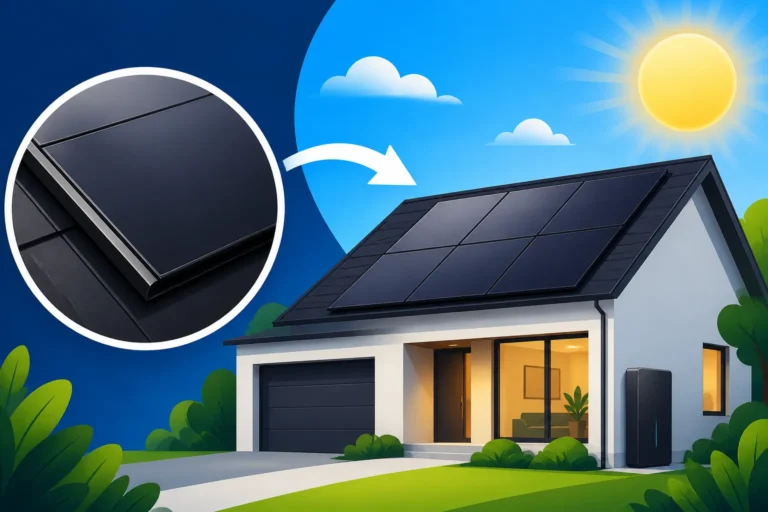
Let's be honest, those clunky, industrial-looking solar panels of yesteryear aren't always what homeowners envisioned for their dream home. But that perception has changed drastically. Today, many solar panels are designed with aesthetics in mind, featuring sleeker profiles, all-black designs (monocrystalline panels), and integrated racking systems that blend seamlessly with your roofline. Companies like Tesla, with their Solar Roof tiles, are pushing the boundaries even further, making solar look indistinguishable from traditional roofing materials.
This focus on design means that solar is no longer just a functional upgrade; it can enhance your home's curb appeal. For many, this is a huge factor in deciding to go solar. You don't have to sacrifice beauty for sustainability anymore. It’s a testament to how far the industry has come, recognizing that homeowners want solutions that perform well and look good. This attention to detail reflects a broader understanding that solar needs to integrate flawlessly into our daily lives and homes.
Balancing Cost and Innovation for Homeowners
So, with panels getting both cheaper and better, how do you navigate this dynamic landscape as a homeowner? It’s about understanding your priorities and what kind of value you’re seeking.
Finding the Sweet Spot: Value vs. Cutting-Edge
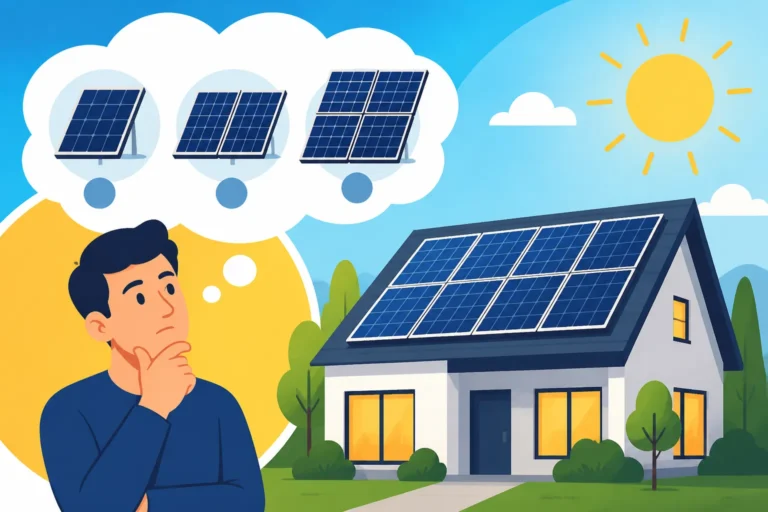
This is where the rubber meets the road. Do you prioritize the absolute lowest upfront cost, or are you willing to pay a bit more for the latest, most efficient technology that might offer greater long-term savings or a shorter Solar Panel Payback Period Explained? Generally, the highest efficiency panels from premium brands will come with a higher price tag per watt. However, if you have limited roof space, these panels might be your best option, as they allow you to generate more power in a smaller footprint. On the other hand, if you have ample, unobstructed roof space, you might find that slightly less efficient, but significantly cheaper, panels offer a better overall Solar ROI & 25-Year Savings Breakdown.
It's a careful balancing act, and there's no single "right" answer for everyone. A good solar installer will help you analyze your energy consumption, roof characteristics, and budget to recommend a system that hits your personal sweet spot. Don't fall into the trap of thinking you always need the latest and greatest if a slightly older, proven technology meets your needs perfectly and saves you money upfront. Conversely, don't just chase the cheapest option without considering the long-term performance and warranty.
The Role of Incentives and Financing
While the federal Solar Tax Credit 2026: What Happened to the Federal Credit? (which is still very much alive and well) provides a significant financial boost, don't forget about State Solar Incentives: Complete 2026 Guide. These incentives, whether they're state tax credits, rebates, or performance-based incentives like SRECs (Solar Renewable Energy Credits), can drastically alter the final cost and the financial viability of going solar. These programs are often designed to make solar more accessible, effectively lowering the barrier to entry for many households.
For instance, in states like Massachusetts, programs like SMART can provide predictable payments for the solar energy you produce, significantly improving your financial returns. And in New Jersey, the SREC-II / SuSI program has helped drive solar adoption. These incentives are a critical piece of the puzzle, and they can make a seemingly expensive system suddenly very affordable. Combine these with various financing options, such as solar loans or even Power Purchase Agreements (PPAs), and the upfront cost can be mitigated. Even without a federal tax credit, solar can still be a smart financial move, especially with these localized support systems.
| Factor | Getting Cheaper (Cost) | Getting Better (Technology) | Implications for Homeowners |
|---|---|---|---|
| Panels (Hardware) | Manufacturing costs significantly down | Higher efficiency, better aesthetics, more durable | More power from less space, longer warranties, improved home value. |
| Installation (Soft Costs) | Varying by region; labor & permitting can add up | Streamlined processes, better design integration | Still a significant cost, but professional handling ensures quality. |
| Overall Value | Lower initial outlay for similar power generation | Enhanced performance, reliability, and visual appeal | Excellent long-term ROI, faster payback periods, reduced energy bills. |
| Market Forces | Tariffs can increase prices; competition drives down | R&D investment drives constant innovation | Need to research current policies and compare latest tech. |
What This Means for Your Solar Investment
What all this means for you, the homeowner, is that solar is an increasingly smart investment. You're not just getting a system that's more affordable than it used to be; you're getting a system that performs better, lasts longer, and integrates more seamlessly into your home. The combination of falling component costs and rising technological prowess means that the value proposition of solar panels has never been stronger.
You might be asking, "Are Solar Panels Worth It in 2026?" And for many, the answer is a resounding yes. With improved efficiency, your system will generate more electricity, further reducing or even eliminating your monthly electricity bills. The increased durability and longer warranties mean you’ll have peace of mind for decades. Plus, with the ability to combine these technological advancements with various incentives, the financial returns are often compelling, especially when considering the long-term savings on escalating utility rates. The solar industry is mature enough that you’re investing in proven technology that continues to improve.
Making the Best Decision for Your Home
Navigating the world of solar can feel overwhelming, but breaking it down into manageable steps and focusing on what's right for your specific situation makes it much clearer.
Assessing Your Needs and Priorities
Before you even start looking at panel specs or price tags, take a good, honest look at your energy consumption. What's your average monthly electricity bill? How much energy do you realistically need to offset? Are you considering adding an electric vehicle or perhaps a solar battery in the future, which would increase your overall electricity demand? Your lifestyle and future plans are huge factors in determining the right size and type of system for you.
Also, think about your roof. Is it relatively new or will it need replacement soon? What direction does it face? How much shade does it get throughout the day? These practical considerations will heavily influence the design and efficiency of your potential solar array. For instance, if your roof has significant shading, you might lean towards microinverters or optimizers that maximize production from each individual panel, even if it means a slightly higher upfront cost. Don't forget that if you're looking for components for a smaller-scale project or even just accessories, retailers like Amazon offer a range of smaller solar-related products, but for a whole-home system, professional assessment is key.
The Importance of a Reputable Installer
This is arguably the most critical piece of the puzzle. Even the best, most efficient, and cheapest solar panels won't perform optimally if they're not installed correctly. A reputable local solar installer will be your guide through the entire process, from designing a system tailored to your home and energy needs to handling permits and utility interconnection. They should be able to clearly explain the differences between various panel technologies, inverter types, and financing options, helping you understand Enphase vs SolarEdge: Which Inverter Is Better?, for example, for your specific situation.
When you're comparing quotes, look beyond just the bottom-line price. Consider the company's experience, their certifications (like NABCEP), their warranty on labor, and customer reviews. Ask detailed questions about the equipment they propose, the expected production, and what happens if something goes wrong down the line. A good installer won't pressure you but will educate you, ensuring you feel confident in your decision. Investing in a quality installation by a trusted company ensures that your investment pays off for decades to come.
Disclaimer
The information provided in this article is for general informational purposes only and does not constitute financial, tax, or legal advice. Solar incentives, costs, and technologies are subject to change, and individual results may vary. It is highly recommended to consult with a qualified solar professional, financial advisor, and tax specialist to determine the best options for your specific circumstances.