What Solar Panels Does Tesla Use?
It's completely natural to wonder what specific solar panels Tesla uses. You see their sleek branding, their innovative batteries, and it's easy to assume they have a proprietary panel manufacturing line churning out "Tesla panels." But the truth is, the world of solar is a bit more nuanced than that, and this guide is here to unravel the mystery and give you a clear picture of what you can expect from a Tesla solar installation.
Tesla's Approach to Solar Panels: Not a "One Brand Fits All" Strategy
When you think of Tesla, you think of cutting-edge technology and a unified ecosystem. So, the idea that they might be using panels from other manufacturers can sometimes come as a surprise. However, it's a common practice in the solar industry, even for big names, and there are very good reasons for it. Tesla's primary focus has always been on the entire energy ecosystem – the integration of solar generation with their energy storage solutions, like the Powerwall, and their software management systems.
Evolution of Tesla's Panel Sourcing
If you've been following the solar industry for a while, you'll remember the days of SolarCity, which Tesla acquired in 2016. SolarCity had a history of working with various panel manufacturers to meet demand. After the acquisition, Tesla initially made moves to produce its own panels at the Gigafactory 2 in Buffalo, New York, in partnership with Panasonic. For a period, some installations did feature panels branded as "Tesla Solar Panels" that were manufactured there. These panels were often recognized for their aesthetic appeal, featuring a dark monochrome look that many homeowners found desirable.
However, the landscape changes quickly in tech, and in 2020, Tesla ended its partnership with Panasonic. Since then, Tesla has largely shifted back to a model of sourcing panels from a variety of leading third-party manufacturers. This allows them greater flexibility in their supply chain, enables them to offer competitive pricing, and ensures they can continue to install solar efficiently across different regions and demand fluctuations. It's less about building every component themselves and more about delivering a complete, integrated solution under the Tesla banner.
Primary Panel Manufacturers for Tesla Solar
So, if Tesla isn't always using its own panels, whose panels are they installing? Based on recent market activity and customer reports, Tesla typically partners with reputable, Tier 1 solar panel manufacturers known for their quality and performance. While specific brands can vary by region and availability, some of the names commonly associated with Tesla installations include:
- Qcells (Hanwha Qcells): A South Korean company with significant manufacturing presence globally, including in the U.S. Qcells panels are well-regarded for their efficiency, durability, and robust warranties. They offer a great balance of performance and value, making them a popular choice for many large-scale installers like Tesla.
- REC Solar: A Norwegian brand recognized for its high-performance and reliable solar panels. REC panels often feature advanced technologies like half-cut cells and heterojunction technology (HJT) which contribute to better efficiency and performance, especially in varying temperature conditions.
- Longi Solar: One of the world's largest manufacturers of monocrystalline solar products. Longi is known for producing highly efficient and cost-effective panels that are widely adopted across the global solar market.
It's important to understand that while Tesla might not manufacture these panels, they integrate them seamlessly into their proprietary system architecture, including their inverters and the Tesla Powerwall battery storage unit. This ensures that the entire system functions as a cohesive, high-performance energy solution, even if the individual panels come from different suppliers. The choice of panel brand is often driven by factors such as current supply availability, price competitiveness, and specific technical requirements for different installation sites.
The Difference Between Tesla Solar Panels and Tesla Solar Roof
Here's where some of the confusion often comes in. When people ask "What solar panels does Tesla use?", they might be thinking of two distinct products:
- Tesla Solar Panels: This refers to traditional rooftop solar panel installations where rectangular panels are mounted on top of your existing roof. For these systems, as discussed, Tesla typically sources panels from external manufacturers. They handle the design, installation, and integration with the rest of the Tesla energy ecosystem, but the actual silicon wafers and frames are often from companies like Qcells or REC.
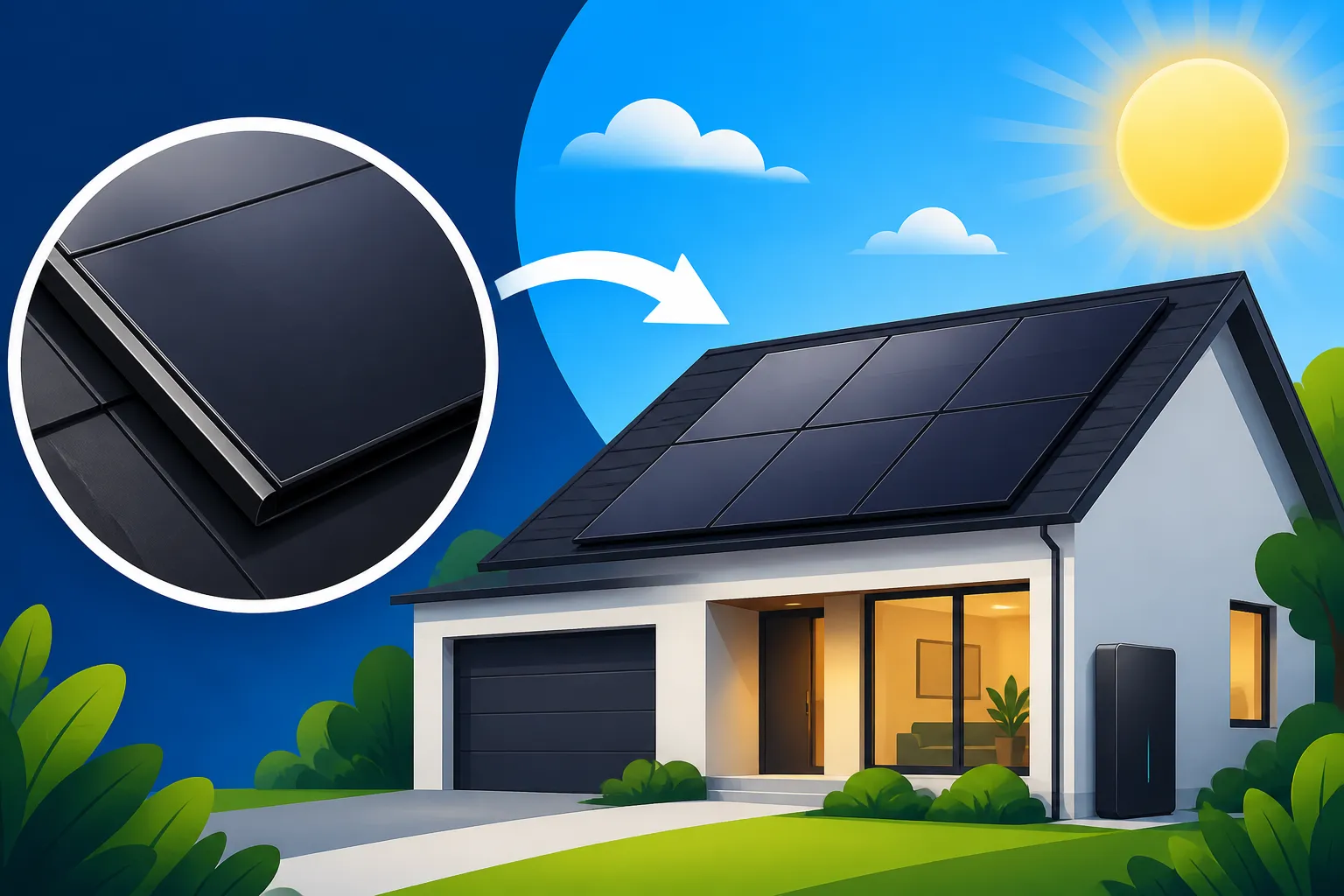
- Tesla Solar Roof: This is a fundamentally different product. The Solar Roof consists of solar shingles that replace your existing roof tiles. These are actual roof tiles that have integrated solar cells, making the solar array virtually invisible and blending seamlessly with the architecture of your home. The Solar Roof tiles are proprietary to Tesla; they are designed and manufactured by Tesla (or closely supervised by them) and are not off-the-shelf panels from other brands.
So, if you're getting a standard solar panel installation from Tesla, you'll likely receive panels from one of their trusted manufacturing partners. If you're opting for the sleek, integrated look of the Solar Roof, then you're getting Tesla's unique solar tile technology. Both options leverage the broader Tesla energy ecosystem, particularly the Powerwall, for energy storage and management, which is a key differentiator for Tesla's offerings.
Why Tesla Doesn't Exclusively Use Its Own Panels
It might seem counterintuitive for a company known for its integrated products to use third-party components for something as central as solar panels. However, there are very strategic and practical reasons behind Tesla's decision to diversify its panel sourcing, rather than relying solely on in-house manufacturing or a single supplier. These reasons benefit both the company and, ultimately, the homeowner.
Supply Chain Diversification and Cost-Effectiveness
The solar industry operates on a global scale, with manufacturing hubs primarily in Asia. Relying on a single manufacturer, even an in-house one, can introduce significant risks and challenges. Supply chain disruptions, raw material shortages, or even localized production issues can bring installations to a halt. By sourcing from multiple established manufacturers like Qcells and REC Solar, Tesla gains incredible flexibility. If one supplier faces issues, they can pivot to another, minimizing delays and ensuring a consistent flow of panels for their projects. This approach also allows Tesla to negotiate better prices due to volume purchasing and competitive bidding among suppliers. These cost savings can then be passed on to the customer, making solar more accessible and competitive. In a volatile market, this strategic diversification is paramount to maintaining operational efficiency and financial viability, allowing Tesla to focus its resources on innovation in areas like battery technology and software integration.
Meeting Diverse Customer Needs and Project Requirements
Every home is unique, and so are its solar needs. A roof in a sunny, unobstructed location in Phoenix, Arizona, will have different requirements than a partially shaded roof in a cloudy climate like Seattle, Washington. Different panel brands offer varying efficiencies, aesthetic profiles, and performance characteristics under specific conditions. For example, some panels might perform exceptionally well in high temperatures, while others excel in low-light conditions.
By having access to a range of panel types from different manufacturers, Tesla installers can select the optimal panels for each individual project. This ensures that customers receive a system that is perfectly tailored to their specific roof size, orientation, shading issues, and energy consumption patterns. This flexibility allows Tesla to serve a broader market and optimize energy production for each unique installation, maximizing the homeowner's return on investment. This flexibility is critical for ensuring customer satisfaction and maximizing energy production across various geographical and environmental constraints.
The Role of the Tesla Ecosystem
Ultimately, what truly makes a Tesla solar system "Tesla" isn't necessarily the brand stamped on each individual panel, but rather the seamless integration and intelligence of the entire energy ecosystem. The real innovation lies in how the panels, regardless of their brand, communicate and work in harmony with the Tesla inverter and, most crucially, the Tesla Powerwall battery storage system.
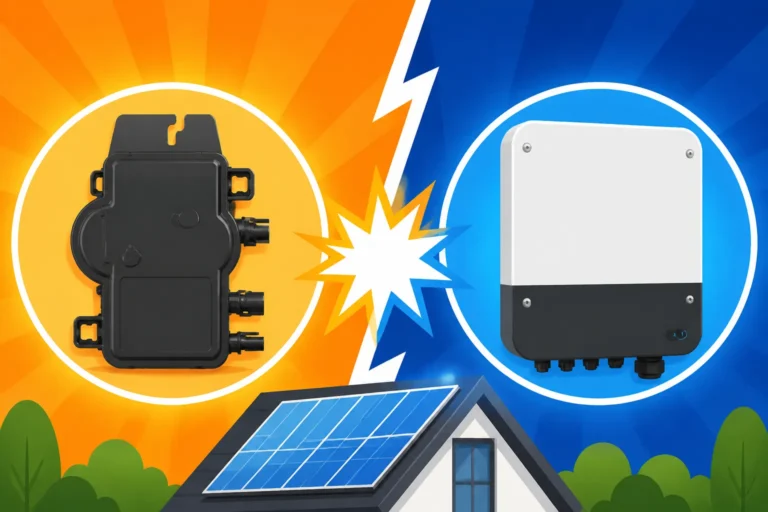
The Powerwall is a cornerstone of Tesla's home energy solution, providing backup power during outages and optimizing energy usage by storing excess solar generation for use during peak demand hours or at night. The Tesla software platform ties everything together, allowing homeowners to monitor their energy production and consumption in real-time, manage their Powerwall settings, and even participate in virtual power plant programs in certain areas. This holistic approach means that while the panels capture sunlight, it's the intelligent management and storage components that truly define the "Tesla experience" and differentiate their offering from other solar providers. This comprehensive integration is what ensures long-term reliability and smart energy management. For more details on system integration, you might want to read about Solar Inverters: String vs Microinverter vs Optimizer.
What to Look for in Panels for a Tesla Solar System (or any system)
Whether you're getting a Tesla solar system or evaluating options from another installer, understanding what makes a good solar panel is crucial. Don't just focus on the brand name; delve into the specifications and characteristics that truly impact performance, longevity, and your overall savings. This knowledge empowers you to ask the right questions and ensure you're getting a high-quality system.
Key Panel Specifications and Performance Metrics
When you're looking at solar panels, either those offered by Tesla or by other installers, there are several key metrics you should pay close attention to. These numbers tell you a lot about how a panel will perform over its lifespan:
- Efficiency: This refers to how much of the sunlight hitting the panel is converted into usable electricity. Modern panels typically range from 17% to over 22% efficiency. Higher efficiency panels generate more power from a smaller footprint, which is especially important for smaller roofs or homes with limited sun exposure. For instance, a 20% efficient panel will produce more electricity than an 18% efficient panel of the exact same physical size.
- Wattage (Power Output): This is the rated power output of a single panel, usually expressed in watts (W). Common panels today range from 350W to 450W, sometimes even higher. The total wattage of your system (e.g., a 10 kW system) is determined by multiplying the number of panels by their individual wattage. Higher wattage panels mean you need fewer panels to reach your desired system size, potentially saving roof space.
- Temperature Coefficient: This technical specification indicates how well a panel performs in high temperatures. Solar panels tend to lose a bit of efficiency as they get hotter. A lower (closer to zero or less negative) temperature coefficient means the panel will maintain its output better on scorching summer days. For example, a panel with a -0.3% per degree Celsius temperature coefficient will perform better than one with -0.4% in the same hot conditions.
- Warranty: This is absolutely critical. Most solar panels come with two main types of warranties:
- Product Warranty: Covers defects in manufacturing or materials. This typically ranges from 12 to 25 years. Look for a longer product warranty as it signals the manufacturer's confidence in their build quality.
- Performance Warranty: Guarantees that the panels will produce a certain percentage of their rated power after a specific number of years, usually 25 or 30 years. For example, a common performance warranty might guarantee 85% of original output after 25 years. This protects you against premature degradation.
For a deeper dive into warranties, check out our guide on Solar Panel Warranties Explained.
Understanding Panel Quality and Reliability
Beyond the numbers, the overall quality and reliability of a solar panel are paramount. You're making a long-term investment, and you want panels that will stand the test of time and weather various conditions.
- Manufacturer Reputation: Research the brand's history, financial stability, and customer reviews. Brands like Qcells, REC, and Longi have established reputations for quality and reliability. A stable manufacturer is more likely to honor warranties years down the line.
- Tier 1 Classification: While not a guarantee of superior quality, the "Tier 1" classification by Bloomberg New Energy Finance is often used as a benchmark. It signifies that a manufacturer has used their own manufactured products in six different projects that were non-recourse financed by six different banks in the past two years. This suggests financial stability and bankability, which are important indicators for long-term viability.
- Certifications: Look for certifications like those from the IEC (International Electrotechnical Commission) and UL (Underwriters Laboratories), which confirm panels meet specific safety and performance standards. These independent certifications provide an extra layer of assurance.
- Durability and Construction: Consider the physical construction. Panels designed with robust frames, strong tempered glass, and quality backsheets are more resistant to hail, heavy snow loads, and wind. For instance, some panels are rated for higher snow loads, which is a major plus in colder climates.
Compatibility with Tesla's Inverters and Powerwall
One of the unique aspects of going with Tesla Solar is the integration with their entire energy ecosystem. While the panels themselves might be from a third-party, their compatibility with Tesla's own hardware is key. Tesla uses its own inverters, which are the brains of the system, converting the DC electricity from your panels into AC electricity usable by your home and the grid. These inverters are designed to work seamlessly with the Powerwall, ensuring optimal charging, discharging, and overall system performance.
When Tesla selects panel manufacturers, they ensure that these panels are fully compatible with their inverter technology. This prevents any bottlenecks or inefficiencies in the power conversion process. The goal is to maximize the energy harvested from the panels and efficiently direct it where it's needed most – either to power your home, charge your Powerwall, or send it back to the grid. This seamless integration ensures that you're getting the most out of every ray of sunshine, truly making the entire system feel cohesive and intelligent. If you're wondering whether you even need a battery, exploring Do I Need a Battery With Solar? could be helpful.
How to Determine the Panels on Your Tesla System
So, you've decided to go with Tesla, or maybe you've already had a system installed and you're curious. How exactly do you figure out which brand of solar panels are actually on your roof? It's a common question, and thankfully, there are a few reliable ways to get that information. You shouldn't have to guess about such a significant investment!
Checking Your Installation Documentation
The absolute first place you should look is in the paperwork you received after your solar installation was completed. When your system was designed and installed, Tesla (or any installer, for that matter) would have provided you with a comprehensive set of documents. This typically includes:
- Your Contract: The initial agreement you signed should specify the type, model, and quantity of solar panels being installed.
- System Design Plans (Permit Drawings): These detailed blueprints, often submitted to your local municipality for permitting, will clearly list all major equipment, including the exact manufacturer and model number of the solar panels.
- Equipment List/Bill of Materials: This document provides a breakdown of every component used in your system, from panels and inverters to racking and wiring.
Take some time to go through these documents. It might feel like a treasure hunt, but the information is almost certainly there. Look for sections detailing "PV Modules" or "Solar Panels" and you should find the manufacturer's name, often accompanied by the specific model number and wattage (e.g., "Qcells Q.PEAK DUO G10+ 400W"). These documents are your official record of what was installed, and they're essential for understanding your system and for any future warranty claims.
Inspecting the Panels Themselves
If you can safely access your roof or have a clear view of your panels, you might be able to find the information directly on the panels themselves. Most solar panel manufacturers place a label on the underside or sometimes along the edge of the panel. This label contains important details such as:
- Manufacturer Name: The brand of the panel (e.g., Qcells, REC).
- Model Number: The specific product identifier for that panel model.
- Serial Number: A unique identifier for that individual panel.
- Electrical Specifications: Details like maximum power, open-circuit voltage, and short-circuit current.
While it's usually safest to view from the ground with binoculars, some panels may have the brand name prominently displayed on the front face. However, for a definitive answer with model numbers, the back label is usually the place to check. Always prioritize safety; if accessing the roof is dangerous, please do not attempt it yourself.
Asking Your Installer (or Tesla Direct)
If you've checked your documents and still can't find the information, or if you simply prefer to confirm with the source, don't hesitate to reach out to Tesla's customer support. They have records of all installations and can easily tell you which specific panels were used for your home.
When you contact them, have your customer account number or installation address ready. This will help them quickly pull up your file. You can usually contact them through their dedicated customer service lines or via their online support portals. This is often the quickest and most straightforward way to get a definitive answer directly from the company responsible for your installation. Remember, it's your right as a homeowner to know exactly what equipment makes up your solar energy system! Getting familiar with the process can also help you understand other aspects, like What Is Permission to Operate (PTO)?.
Exploring Alternatives and Components for Your Solar Journey
Even if you're set on a Tesla system, it's good to understand the broader solar market. Knowing what other panels are out there and how to source components can be incredibly helpful, especially if you're looking at different options or even considering DIY additions or maintenance for your system down the road.
Common Panel Brands in the Market
Beyond the brands Tesla often uses, the solar market is robust with many excellent manufacturers. When you're comparing quotes or just researching, you'll frequently come across these names, each with its own strengths:
- Maxeon (formerly SunPower): Often considered a premium brand, Maxeon panels are known for their extremely high efficiency and long-term durability. They typically come with impressive warranties and are designed for maximum power output and aesthetic appeal.
- Jinko Solar: Another global leader in solar panel manufacturing, Jinko Solar produces a wide range of panels that are known for their reliability and competitive pricing. They are a common choice for both residential and large-scale commercial projects worldwide.
- Silfab Solar: An American-made brand, Silfab is recognized for its high-quality, high-performance panels that are manufactured with stringent quality controls. Choosing a brand like Silfab can also align with supporting domestic manufacturing.
- Canadian Solar: Despite the name, Canadian Solar is a global company that manufactures panels in several countries. They are a Tier 1 supplier known for producing robust, cost-effective panels suitable for various climates and applications.
Each of these brands brings something different to the table, whether it's top-tier efficiency, robust durability, or excellent value. It's always a good idea to research multiple options and compare their specifications, warranties, and independent reviews before making a decision. Comparing different options is essential, and our guide on Best Solar Panels of 2026 can give you more insights.
Sourcing Solar Components and Accessories
While you wouldn't typically buy core solar panels for a Tesla system from an online retailer, there are many smaller solar components, accessories, and maintenance items that homeowners often source independently. Whether you're a DIY enthusiast or just looking for specific tools, platforms like Amazon can be a convenient place to find a variety of related products.
For example, you might look on Amazon for items such as:
- Panel Cleaning Kits: Special brushes, squeegees, and eco-friendly cleaning solutions designed for solar panels to help maintain their efficiency. Regular cleaning, especially in dusty areas, can make a difference in your energy production.
- Monitoring Devices: While Tesla provides its own comprehensive monitoring, some homeowners like to add supplemental, third-party monitoring devices to track specific aspects of their system's performance or home energy consumption.
- Safety Gear: If you're planning any DIY maintenance (like cleaning panels from a safe vantage point), you might need harnesses, fall protection, or specialized ladders, all of which are readily available through online marketplaces.
- Small-Scale Solar Projects: For those interested in learning or powering smaller outdoor setups, Amazon offers a vast selection of portable solar chargers, small flexible panels, and DIY solar kits for RVs, sheds, or camping. These aren't for powering your whole home, but they're great for hobbyists or specific off-grid needs.
- Replacement Parts (Non-Critical): While major components like inverters or large wiring harnesses should only be handled by certified professionals and sourced through your installer, smaller items like mounting clips, cable ties, or weatherproofing seals might be found for minor repairs or adjustments.
Always remember that for any critical components of your primary home solar system, especially those related to electrical safety and system integrity, it's best to consult with your certified installer or Tesla directly. Attempting to modify or repair major system components yourself could void warranties or create safety hazards. However, for general upkeep, educational purposes, or small independent projects, online retailers like Amazon can be a valuable resource.
Comparing Common Solar Panel Characteristics
To help you visualize the differences and commonalities among various solar panel brands, including those Tesla might use, here's a quick comparison table. Remember, specific models within each brand will have their own unique specifications, but this table provides a general overview of what you might expect.
| Feature / Brand | Qcells (Example) | REC Solar (Example) | Longi Solar (Example) | Maxeon (Example) |
|---|---|---|---|---|
| Typical Efficiency | 20-21.5% | 20.5-22% | 20-22% | 21.5-22.8% |
| Typical Wattage Range | 380-420W | 390-430W | 380-450W | 400-440W |
| Product Warranty | 12-25 years | 20-25 years | 12-15 years | 25-40 years |
| Performance Warranty | 86% at 25 years | 92% at 25 years | 84.5% at 25 years | 92% at 25 years |
| Temperature Coefficient | -0.34% / °C | -0.29% / °C | -0.35% / °C | -0.29% / °C |
| Key Technology Focus | Q.ANTUM (PERC, half-cut) | Heterojunction (HJT), TwinPanel | PERC, Half-cut, Hi-MO | IBC (Interdigitated Back Contact) |
| Manufacturing Origin | South Korea, USA, Malaysia, China | Norway, Singapore | China, Vietnam | USA, Mexico, France |
Note: These are generalized examples. Specific panel models from each manufacturer will have precise figures that can vary. Always refer to the manufacturer's datasheet for exact specifications.
This table highlights that while there are differences, all these brands are producing high-quality, efficient panels suitable for residential solar. Tesla's strategy is to leverage this diverse market to provide robust solutions to their customers.
Disclaimer
The information provided in this article is intended for general informational purposes only and does not constitute professional advice. While we strive to provide accurate and up-to-date information, the solar industry, including product availability, specifications, and incentive programs, is subject to change. Always consult with certified solar professionals and review official documentation from manufacturers and installers before making any purchasing or installation decisions.