PACE Financing for Solar: How It Works
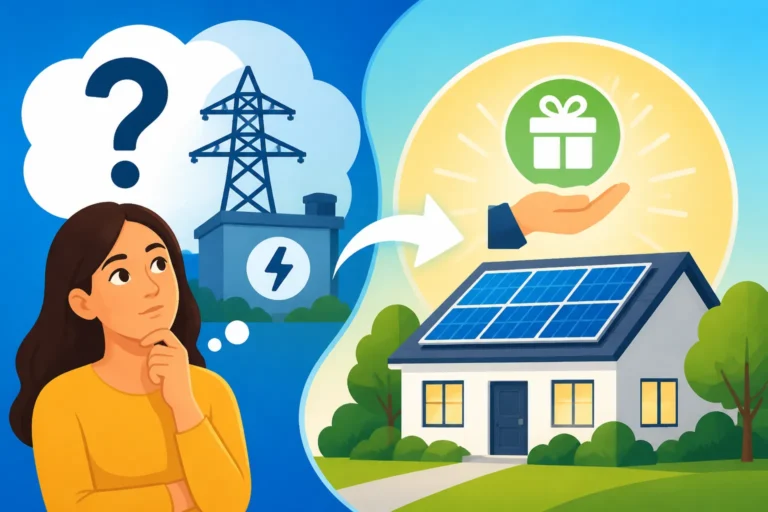
The upfront cost of going solar can feel like a mountain, especially when you're dreaming of energy independence but staring down a hefty price tag. Many homeowners find themselves wondering how on earth they're going to fund a significant home improvement like solar panels without draining their savings or taking on a traditional loan that might not fit their financial picture. This guide is here to unravel one specific financing option: PACE financing for solar, explaining how it works, its unique structure, and whether it could be the right path for your renewable energy journey.
What Exactly is PACE Financing and How Does It Work?
PACE financing, which stands for Property Assessed Clean Energy, is a unique way to fund energy-efficient, water-efficient, or renewable energy improvements to your home. It's not a loan in the traditional sense, which is often where the confusion begins for many homeowners. Instead, it's a mechanism that allows you to finance these upgrades and then repay the cost through an assessment on your property tax bill. This distinction is crucial and sets PACE apart from almost every other financing method out there.
The Core Concept of PACE
Imagine wanting to install solar panels, but you don't have the cash, and a bank loan might seem daunting with its interest rates and credit checks. PACE steps in by allowing local governments or designated third-party administrators to provide the upfront funding for eligible improvements. The "loan" isn't tied to you personally, but rather to your property. This means the repayment obligation is a property tax assessment, similar to how you'd pay for a sewer line upgrade or a new sidewalk in your neighborhood. It's a special assessment, legally distinct from your annual property taxes but collected in the same manner. This approach aims to remove the initial financial barriers that often prevent homeowners from making valuable upgrades that benefit both their property and the environment. It's designed to make energy efficiency and solar more accessible, especially for those who might struggle with traditional credit requirements.
The underlying principle here is that the property itself benefits from the energy upgrades, increasing its value and reducing its operating costs over time. Since the assessment stays with the property, it’s often seen as a benefit to the subsequent homeowner if the property is sold before the PACE assessment is fully paid off. This concept is a major selling point for proponents of PACE programs, as it acknowledges the long-term value of these improvements.
How PACE Differs from Traditional Loans
The differences between PACE financing and a traditional bank loan or even a home equity line of credit (HELOC) are substantial and worth understanding. With a conventional loan, the lender assesses your personal creditworthiness, income, and debt-to-income ratio. If you move, you typically take that loan obligation with you, unless it's paid off during the sale.
PACE, on the other hand, bypasses much of that personal financial scrutiny. While some programs may still check for current mortgage status and recent bankruptcy filings, the focus shifts from your personal credit score to your home's equity and your property tax payment history. The assessment becomes a public record, attached to the property deed. If you sell your home before the PACE assessment is paid off, the remaining balance typically transfers to the new owner, who then assumes the repayment responsibility. This aspect is both a key advantage and a significant point of contention, as we'll explore later. It truly is financing through your property, not just for your property. This setup is a game-changer for many, allowing them to install solar panels or other significant improvements without impacting their personal credit lines or incurring new personal debt that could affect future borrowing for other needs. It's a fundamental shift in how home improvement financing can be structured.
The PACE Financing Process for Solar Installation
Navigating the PACE financing process might seem a bit different from your usual loan application, but it's designed to be straightforward for eligible homeowners. From checking your eligibility to selecting a contractor and understanding repayment, each step is distinct.
Eligibility and Application
The very first hurdle, and often the biggest one, is determining if PACE financing is even available in your area. PACE programs are not federal initiatives; they are enacted at the state level, and then further adopted by local counties and cities. This means availability can vary wildly. For instance, California, Florida, and Missouri have active statewide programs, while other states might have limited or no programs at all. So, the initial step is to check if your specific county or municipality participates. You can't just apply for PACE financing anywhere; it has to be offered where your home is located.
Once you confirm availability, the eligibility criteria typically revolve around your property rather than your personal finances. Lenders will look at your home's equity (often requiring a certain percentage, like 10-20% minimum), your property tax payment history (no delinquencies or foreclosures in recent years), and sometimes whether you have any outstanding mortgages or liens. They often perform a quick check to ensure the total assessment doesn't exceed a certain percentage of your home's value. The application itself usually involves submitting a few documents, like proof of homeownership and tax records, to a PACE program administrator such as Renew Financial or Ygrene. These administrators act as the intermediaries, managing the application and connecting you with approved contractors. You might be surprised to find that your personal credit score isn't the primary driver, which can be a huge relief for those with less-than-perfect credit.
Project Approval and Contractor Selection
After your initial application is provisionally approved, the next phase focuses on the actual solar project. You'll need to work with a contractor who is approved by the PACE program administrator. This is a critical safeguard, as these approved contractors are vetted for their expertise, licensing, and adherence to program standards. They will help you design your solar energy system, provide a detailed quote, and ensure it meets the energy efficiency requirements of the PACE program. For example, the system must be installed by a licensed and insured professional, and the equipment must meet certain efficiency standards.
Once you have a quote from an approved contractor, this proposal is submitted to the PACE program for final approval. The program administrator will review the project details, the cost, and ensure it aligns with their guidelines. A key aspect here is ensuring the proposed solar system genuinely qualifies as an "eligible improvement." Once everything checks out, the funds are typically disbursed directly to the contractor upon satisfactory completion of the project, often in stages, which provides an extra layer of protection for you as the homeowner. This structured approach helps prevent fraud and ensures quality workmanship, a common concern when undertaking major home improvements. This can be a benefit when compared to some traditional financing methods where the homeowner might receive the funds directly and be responsible for managing payments to contractors.
Repayment and Property Taxes
Here’s where PACE financing truly differentiates itself: repayment. Instead of making monthly loan payments to a bank or a private lender, the PACE assessment is added to your property tax bill. This means you repay the cost of your solar installation semi-annually or annually, depending on how your local property taxes are collected. This structured payment integrates seamlessly into your existing property tax schedule, often making it feel less like an additional bill and more like a standard housing expense.
The repayment period for PACE financing is typically longer than conventional solar loans, often stretching from 10 to 30 years. This extended term results in lower annual payments, which can make the financial burden more manageable for many homeowners. However, it also means you’ll be paying for the improvement over a much longer period. It's important to remember that because the assessment is attached to the property, if you sell your home, the new owner typically assumes the remaining payments. This feature, while sometimes beneficial for sellers by not requiring upfront payoff, can also become a sticking point in real estate transactions, as some buyers or their mortgage lenders may be wary of taking on this obligation. Understanding the long-term commitment is paramount. Additionally, just like regular property taxes, if you fail to make your PACE assessment payments, your property could face a lien or even foreclosure, underscoring the serious nature of this financial commitment. To learn more about how different incentives work, you can explore topics like Net Metering Explained: How It Works by State and SRECs Explained: Selling Solar Renewable Energy Credits.
The Pros and Cons of Using PACE for Solar
Like any significant financial decision, PACE financing comes with a unique set of advantages and disadvantages. It’s crucial to weigh these carefully against your personal circumstances and long-term goals.
Advantages of PACE Financing
There are several compelling reasons why homeowners turn to PACE for their solar projects:
- No Upfront Costs or Credit Score Hurdles: This is arguably the biggest draw. Many traditional financing options require a substantial down payment or a high credit score, which can be barriers for many. PACE often requires no money down and focuses more on property equity and tax payment history, opening up solar accessibility to a wider range of homeowners. This means you can get a powerful solar system installed without dipping into your emergency fund or going through a rigorous personal credit check.
- Property-Attached Repayment: The fact that the repayment obligation is tied to the property, not the individual, means that if you sell your home, the remaining balance can transfer to the new owner. This can be a significant benefit for homeowners who don't plan to stay in their home for the entire repayment period. It acknowledges that the solar panels add long-term value to the property, which is then passed on to future owners. This can make selling easier, as you won't have to pay off a large loan balance out-of-pocket at closing.
- Longer Repayment Terms for Lower Payments: PACE financing typically offers much longer repayment periods than traditional solar loans, often 10, 15, 20, or even 30 years. This longer amortization schedule means lower annual payments, which can significantly reduce the strain on your monthly budget. For a family looking to manage cash flow while still making a smart home improvement, these extended terms can be incredibly appealing.
- Higher Loan-to-Value Potential: Since the financing is secured by the property and repaid through taxes, PACE programs can sometimes offer higher financing amounts relative to the property's value compared to what traditional lenders might provide. This can be particularly useful for larger, more expensive solar installations or for homes that need multiple energy efficiency upgrades.
- Government-Backed Oversight: PACE programs operate under state and local government oversight, which often means stricter consumer protections and vetting of approved contractors. This can give homeowners more peace of mind, knowing that the program is designed with certain standards for quality and fairness. This is different from the wild west of some private lending scenarios and offers a layer of accountability.
Potential Drawbacks and Risks
While the advantages are clear, it's just as important to understand the potential downsides and risks associated with PACE financing:
- Property Lien and Foreclosure Risk: Since the PACE assessment is collected via your property tax bill, failure to pay can have severe consequences. Just like unpaid property taxes, an unpaid PACE assessment can lead to a lien on your home and, in extreme cases, even foreclosure. This is a much more serious ramification than defaulting on a personal loan, which typically would not jeopardize your homeownership in the same direct way. Homeowners need to be acutely aware of this risk.
- Challenges with Selling Your Home: While the transferability of the assessment is often cited as a pro, it can also become a significant hurdle when selling. Some mortgage lenders are hesitant to approve buyers for homes with existing PACE liens, as these liens take priority over a first mortgage in the event of foreclosure. This can limit the pool of potential buyers or complicate refinancing efforts. Buyers might also be unwilling to take on a long-term assessment, expecting you to pay it off at closing. It’s not always a smooth transfer, and navigating these issues can be a headache, potentially even causing delays or fall-throughs in a sale.
- Higher Interest Rates and Fees: While PACE might bypass personal credit checks, the overall cost of financing can sometimes be higher than traditional secured loans. PACE programs often carry higher interest rates compared to a home equity loan or a traditional mortgage refinance, and they can also come with various administrative fees, which can add up. Over a 20-30 year term, these higher costs can significantly increase the total amount you pay for your solar system. It’s crucial to get a full breakdown of the interest rate and all associated fees before signing anything. This long-term cost needs to be thoroughly analyzed against other financing options, such as conventional solar loans or even a Solar Loan vs Lease: Pros and Cons comparison.
- Predatory Lending Concerns: Historically, some PACE programs have faced criticism for aggressive sales tactics and for approving homeowners for projects they couldn't truly afford, leading to financial distress. While many programs have implemented stricter consumer protection measures in response, it’s still vital for homeowners to exercise due diligence, understand all terms, and avoid feeling pressured into a decision. Always get multiple quotes and understand your financial obligations fully.
- Limited Availability and Project Scope: As mentioned, PACE programs are not universally available. If you don't live in a participating county or city, it's simply not an option. Furthermore, while most programs cover solar, the specific types of improvements eligible can vary, and there might be caps on the maximum financing amount. This means it might not always be the perfect fit for every project or every homeowner's location.
To give you a clearer picture, let's look at a quick comparison between PACE and a typical secured solar loan:
| Feature | PACE Financing | Traditional Secured Solar Loan |
|---|---|---|
| Secured By | Property tax assessment (senior lien) | Property (mortgage/lien, junior to 1st) |
| Credit Check Focus | Property equity, tax history | Personal credit score, income, debt-to-income |
| Upfront Cost | Often $0 | May require down payment |
| Repayment Method | Added to property tax bill (annual/semi-annual) | Monthly payments to lender |
| Repayment Term | Long (10-30 years) | Medium (10-20 years) |
| Transferability on Sale | Typically transfers with property | Must be paid off or refinanced at sale |
| Interest Rates | Can be higher than traditional mortgages | Varies, often competitive for secured loans |
| Foreclosure Risk | Failure to pay leads to property tax lien/foreclosure | Default can lead to foreclosure if secured |
| Availability | Limited to specific state/local programs | Widely available from banks/credit unions |
This table highlights some of the stark differences that every homeowner considering solar financing should be aware of.
Key Considerations Before Choosing PACE Financing
Before you jump into PACE financing for your solar project, there are several crucial factors to consider that go beyond the immediate financial implications. These will help you determine if it's a truly sustainable choice for your individual situation.
Understanding Your State and Local Programs
PACE financing isn't a one-size-fits-all solution, and its implementation can differ significantly from one location to another. While some states like California and Florida have very robust and widespread PACE programs, others might have limited or no offerings. Even within a state, a program might be available in one county but not the neighboring one. For instance, specific programs like Florida's Ygrene or California's Renew Financial might have slightly different eligibility requirements, interest rates, and approved contractor lists. It's not enough to know that your state has PACE; you need to verify that your specific city or county participates and understand the specific rules and regulations that apply to your jurisdiction.
This hyper-local nature means you need to do your homework. Check with your local government's energy office or property assessor's website, or directly contact a PACE program administrator operating in your state. Understanding the nuances of your local program, including any specific consumer protections, maximum financing amounts, and eligible improvements beyond just solar, is absolutely essential. Don't assume that what applies to a friend in another state or even another part of your state will apply to you. Researching topics like State Solar Incentives: Complete 2026 Guide or even California Solar Incentives in 2026 can provide broader context for what's available in your region.
Impact on Property Ownership and Sale
One of the most unique aspects of PACE financing is its attachment to your property tax bill. While this can be an advantage by allowing the assessment to transfer to a new owner, it can also create significant complications, particularly when it comes time to sell your home. Mortgage lenders often view PACE liens as senior liens, meaning they get paid before the primary mortgage holder in the event of a foreclosure. This priority can make lenders nervous, potentially making it harder for potential buyers to secure financing for your home.
Imagine you've found the perfect buyer, but their bank refuses to issue a loan because of the PACE lien. This scenario isn't uncommon and can lead to sales falling through or requiring you, the seller, to pay off the entire PACE balance at closing, negating the benefit of transferability. Even if a buyer is willing to assume the assessment, it adds an extra layer of complexity to the closing process. It's wise to consult with a real estate agent familiar with PACE properties in your area before committing, especially if you foresee selling your home within the PACE repayment term. This due diligence can save you a lot of heartache down the line. You should also consider how solar installations generally impact your property value, which you can learn more about in articles like Do Solar Panels Increase Home Value?.
Financial Implications and Long-Term Costs
While PACE financing often boasts "no money down" and low monthly payments, it's vital to look at the total cost over the long term. The interest rates on PACE assessments, while potentially attractive to those with limited credit options, can sometimes be higher than conventional home equity loans or even unsecured personal loans for solar. When spread over a 15, 20, or even 30-year term, these interest charges can accumulate, making the total amount paid significantly higher than the initial cost of the solar system.
Consider the financing fees as well. PACE programs often include administrative fees, recording fees, and other charges that can increase the overall cost. You need to get a clear, itemized breakdown of all costs, including the interest rate, annual percentage rate (APR), and all fees, before you sign on the dotted line. Don't just look at the monthly payment; understand the total financial commitment. Compare this to other options, like a traditional solar loan where you might get a lower interest rate, especially if you have good credit. For some homeowners, even a higher monthly payment on a shorter-term, lower-interest loan might save more money in the long run. Thinking about how the Solar Panel Payback Period Explained ties into these financing costs is a crucial step in your decision-making.
Is PACE Financing Right for Your Solar Project?
Deciding whether PACE financing is the right fit for your home solar project requires a thorough self-assessment of your financial situation, future plans, and a clear understanding of the program itself. It’s not a universal solution, but it can be a powerful tool for certain homeowners.
Who Benefits Most from PACE
PACE financing shines brightest for a specific demographic of homeowners who might otherwise find solar out of reach:
- Homeowners with Limited Liquid Cash or Savings: If you're eager to go solar but don't have a large sum of cash sitting around for a down payment, or prefer to keep your savings intact for emergencies, PACE's no-money-down structure is incredibly appealing. It removes that immediate financial barrier.
- Individuals with Moderate or Challenged Credit: Traditional lenders often require excellent credit scores for favorable loan terms. If your credit score isn't perfect, or if you're trying to keep your personal credit lines open for other needs, PACE's property-based underwriting can be a major advantage. It makes solar accessible where conventional financing might not.
- Those Planning to Stay in Their Homes Long-Term: While the transferability feature can be a double-edged sword, it is an asset if you plan to stay in your home for many years. You get to enjoy the immediate benefits of solar — lower energy bills, reduced carbon footprint — and the repayment fits into your property tax schedule without impacting your personal debt load. The long repayment terms also mean lower annual payments, which can be easier to budget for over decades. If you anticipate being in your home for the full 15-30 year term, the higher total cost of interest might be offset by sustained energy savings over that period.
- Property Owners in Areas with High Energy Costs: In regions where electricity rates are consistently high and rising, the immediate savings from solar can quickly start to offset the PACE assessment payments, making the investment more attractive sooner. This is especially true if you are in a state that offers strong Utility Solar Rebates: How to Find Yours or other local incentives that can be combined with PACE financing.
- Homeowners Looking for Comprehensive Energy Upgrades: PACE isn't just for solar panels. It often covers a wide range of energy and water efficiency improvements, such as new windows, insulation, HVAC upgrades, or even a new roof. If you're looking to bundle several significant home improvements into one financing package, PACE can facilitate that process, allowing for a holistic approach to making your home more sustainable and efficient.
Alternatives to PACE Financing
While PACE financing offers a unique avenue, it's certainly not the only way to fund your solar dreams. Exploring other options is crucial to finding the best fit for your financial situation:
- Cash Purchase: If you have the capital, paying cash upfront offers the greatest long-term savings. You avoid all interest payments and financing fees, maximizing your return on investment and often achieving the quickest Solar Panel Payback Period Explained. You also fully own the system from day one, allowing you to take advantage of any available Federal Solar Incentives That Still Exist in 2026 without the complexities of a third-party financier.
- Traditional Solar Loans: Many banks, credit unions, and dedicated solar lenders offer unsecured or secured solar loans. These are personal loans, meaning they're tied to your creditworthiness and income. They often come with competitive interest rates for well-qualified borrowers and fixed monthly payments. You retain ownership of your system and any incentives. You can delve deeper into this option by reading our guide on Solar Loans: Complete Guide.
- Home Equity Line of Credit (HELOC) or Home Equity Loan: If you have sufficient equity in your home, a HELOC or home equity loan can provide a flexible and often low-interest way to finance solar. The interest on these loans may also be tax-deductible in some cases, offering an additional financial benefit. However, like PACE, these loans use your home as collateral, so non-payment could risk your home.
- Power Purchase Agreements (PPAs) or Solar Leases: For homeowners who want to go solar without any upfront cost or ownership responsibilities, a PPA or solar lease might be a better fit. With these options, a third-party company owns, installs, and maintains the solar system on your roof. You then either pay a fixed monthly "lease" payment or purchase the electricity generated by the panels at a reduced rate (PPA). While you don't get the tax credits or direct increase in home value, you still save on your electricity bills. You can find more details on this in our article Solar Lease vs PPA vs Buy: Which Is Best?.
- Community Solar: If rooftop solar isn't feasible for your home (due to shading, roof condition, or simply not owning your roof), community solar allows you to subscribe to a share of a larger, off-site solar farm. You receive credits on your electricity bill for the power generated by your share, often at a discount. This is a fantastic option for renters or those in condos. You can explore this further with Community Solar: How It Works & Who Qualifies.
Making an informed decision about PACE financing means truly understanding all your options and how they align with your financial goals and personal circumstances. Don't be afraid to ask lots of questions, gather multiple quotes, and consider the long-term implications before committing.
Disclaimer
This article is for general informational purposes only and does not constitute professional advice. Laws, prices and regulations vary by location and change over time. Consult a qualified professional for guidance on your specific situation.