Maxeon Solar Panel Review
Choosing solar panels for your home can feel like a massive undertaking. With so many brands and technologies out there, it’s easy to get lost in the jargon and wonder if you’re making the right investment. This comprehensive guide is here to cut through the noise, specifically focusing on Maxeon solar panels, to help you understand their technology, performance, and whether they’re the perfect fit for your residential solar journey.
Understanding Maxeon's Legacy and Innovation
When you delve into the world of solar, names like Maxeon often come up in discussions about premium quality and cutting-edge technology. It's not just another solar panel manufacturer; it has a rich history of pushing boundaries in solar innovation. Understanding their journey gives you a better appreciation for the products they offer today.
From SunPower Origins to Independent Leadership
For many years, the name "SunPower" was synonymous with high-efficiency solar panels, especially in North America. Maxeon Solar Technologies actually began as the manufacturing arm and technology innovator within SunPower. Think of it like a brilliant research and development lab that also handled production. However, in 2020, Maxeon officially spun off from SunPower into its own independent company. This separation allowed Maxeon to focus intensely on solar panel manufacturing, technology development, and global sales outside of the U.S. and Canada, while SunPower shifted its focus to solar system sales and installation services in North America, often using Maxeon panels.
This strategic split was a significant move, allowing both entities to sharpen their focus. For homeowners, it means that when you see a Maxeon panel, you're looking at a product born from decades of SunPower's pioneering research, now developed and manufactured by a company solely dedicated to making the best possible solar panels. It’s a testament to their commitment to innovation, rather than being just one division of a larger company. This heritage is particularly reassuring if you're concerned about long-term reliability and performance, as the core technology has a proven track track record.
The Philosophy Behind Maxeon's Panel Design
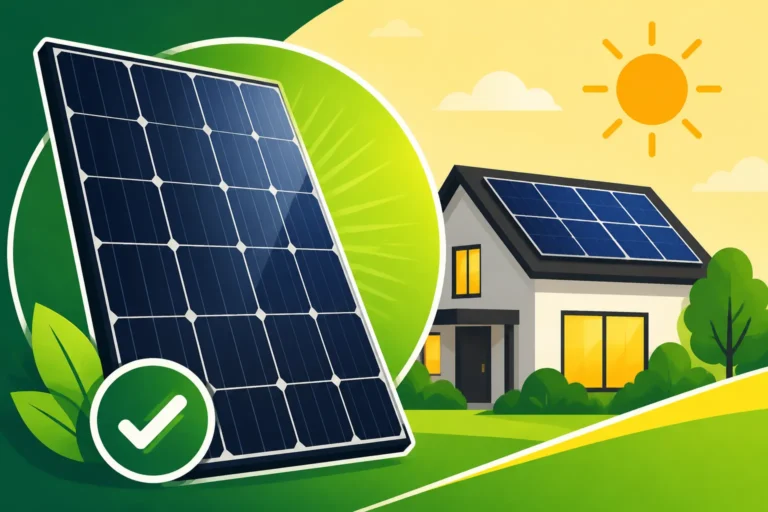
Maxeon's design philosophy is rooted in maximizing energy production, ensuring extreme durability, and delivering an aesthetically pleasing product. They achieve this primarily through their patented Interdigitated Back Contact (IBC) cell technology, often referred to simply as "back contact" cells, and a unique shingled cell design in some of their product lines. Unlike traditional solar cells where electrical contacts are on the front, shadowing a small part of the cell, Maxeon’s IBC cells move all contacts to the back. This simple yet revolutionary change means more sunlight hits the silicon, directly translating to higher efficiency rates.
Beyond efficiency, Maxeon panels are engineered for resilience. They often feature a solid copper foundation for their cells, making them highly resistant to cracking and corrosion, which are common failure points for conventional panels. This robust construction is crucial because solar panels are exposed to harsh weather conditions day in and day out. The goal is not just to produce power, but to continue producing maximum power for decades. This dedication to quality is why Maxeon panels are often considered a premium option, and it's a key factor to consider when evaluating if the slightly higher upfront cost is worth the long-term gains. Many homeowners ponder, "Is It Worth Paying More for High-Efficiency Panels?" and for Maxeon, the answer often lies in their enduring performance.
A Closer Look at Maxeon Solar Panel Technology
When we talk about Maxeon, we're really talking about a commitment to pushing the boundaries of solar cell technology. Their panels aren't just built; they're engineered with specific innovations designed to overcome the limitations of traditional solar panels.
Unpacking Maxeon's Interdigitated Back Contact IBC Technology
Maxeon's flagship technology, the Interdigitated Back Contact (IBC) cell, is what truly sets them apart. Imagine a solar cell where the front is entirely dedicated to capturing sunlight, without any metal lines or busbars casting shadows. That's what IBC achieves by moving all the electrical contacts to the back of the cell. This "all-back contact" design maximizes the active area that converts sunlight into electricity, leading to significantly higher efficiency rates compared to conventional cells.
But it's not just about efficiency. This unique design also improves durability. Because the electrical connections are protected on the back, they are less exposed to environmental stressors. Maxeon's IBC cells are built on a solid copper foundation, which makes them incredibly resistant to corrosion and microcracks – tiny, often invisible cracks that can develop in standard silicon cells over time due to temperature fluctuations or physical stress, eventually leading to performance loss. This robust construction ensures that the panels maintain their integrity and output over their long lifespan, making them a top contender when considering the best solar panels of 2026. For homeowners in areas with extreme weather, like hail or strong winds, this enhanced durability provides a real sense of security.
Durability and Performance in Real-World Conditions
Solar panels aren't just decorative additions to your roof; they're hard-working power generators that need to withstand Mother Nature's best shot. Maxeon panels are specifically designed to excel in various real-world conditions, not just ideal lab settings. Their solid copper backing and advanced encapsulation methods provide superior protection against common issues that plague other panels, such as power degradation from potential-induced degradation (PID), moisture ingress, and thermal stress. This means your panels are less likely to experience drops in performance due to environmental factors.
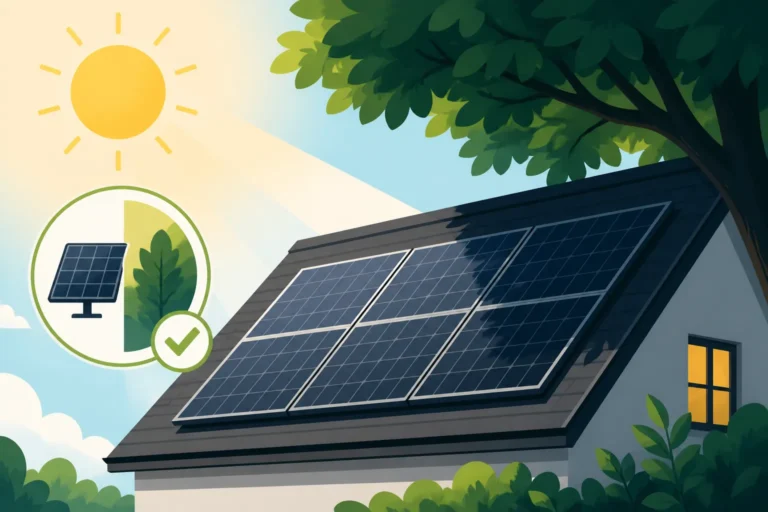
Consider a hot summer day in Arizona or a freezing winter in Minnesota. Extreme temperatures can stress solar cells, but Maxeon panels are engineered to perform efficiently across a broad temperature range. They typically have a lower temperature coefficient, meaning they lose less efficiency as temperatures climb, which is a significant advantage in hotter climates. Furthermore, their design helps mitigate the effects of partial shading. If a part of a traditional panel is shaded, the performance of the entire string can be impacted. Maxeon’s shingled cell technology, used in some series, helps to bypass shaded sections more effectively, allowing the unshaded parts of the panel to continue producing power. This resilience against everyday challenges is why they consistently rank high in independent tests for long-term reliability and why understanding "Solar Panel Efficiency & Degradation Explained" is so important for any homeowner.
Maxeon's Key Residential Product Lines
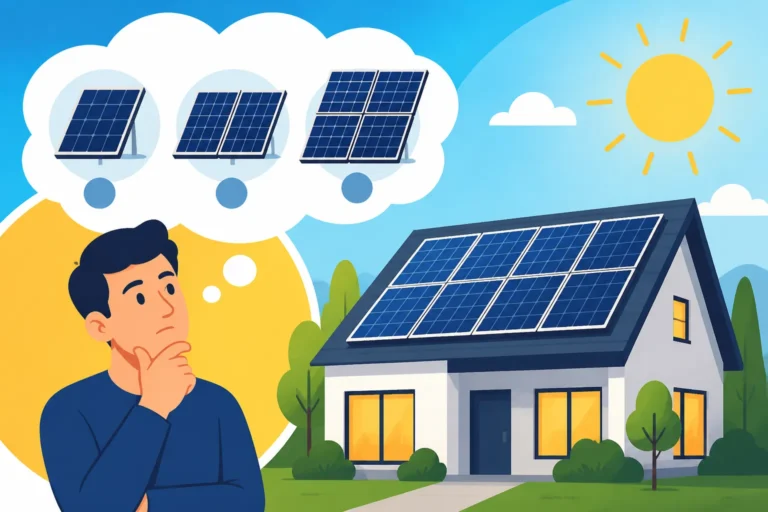
Maxeon offers a range of panels, each designed to meet different needs while upholding their core commitment to efficiency and durability. While the specific names and series can sometimes feel a bit like alphabet soup, understanding the general progression helps illuminate your choices.
Maxeon 3 and Maxeon 6 Series: High-Efficiency Options
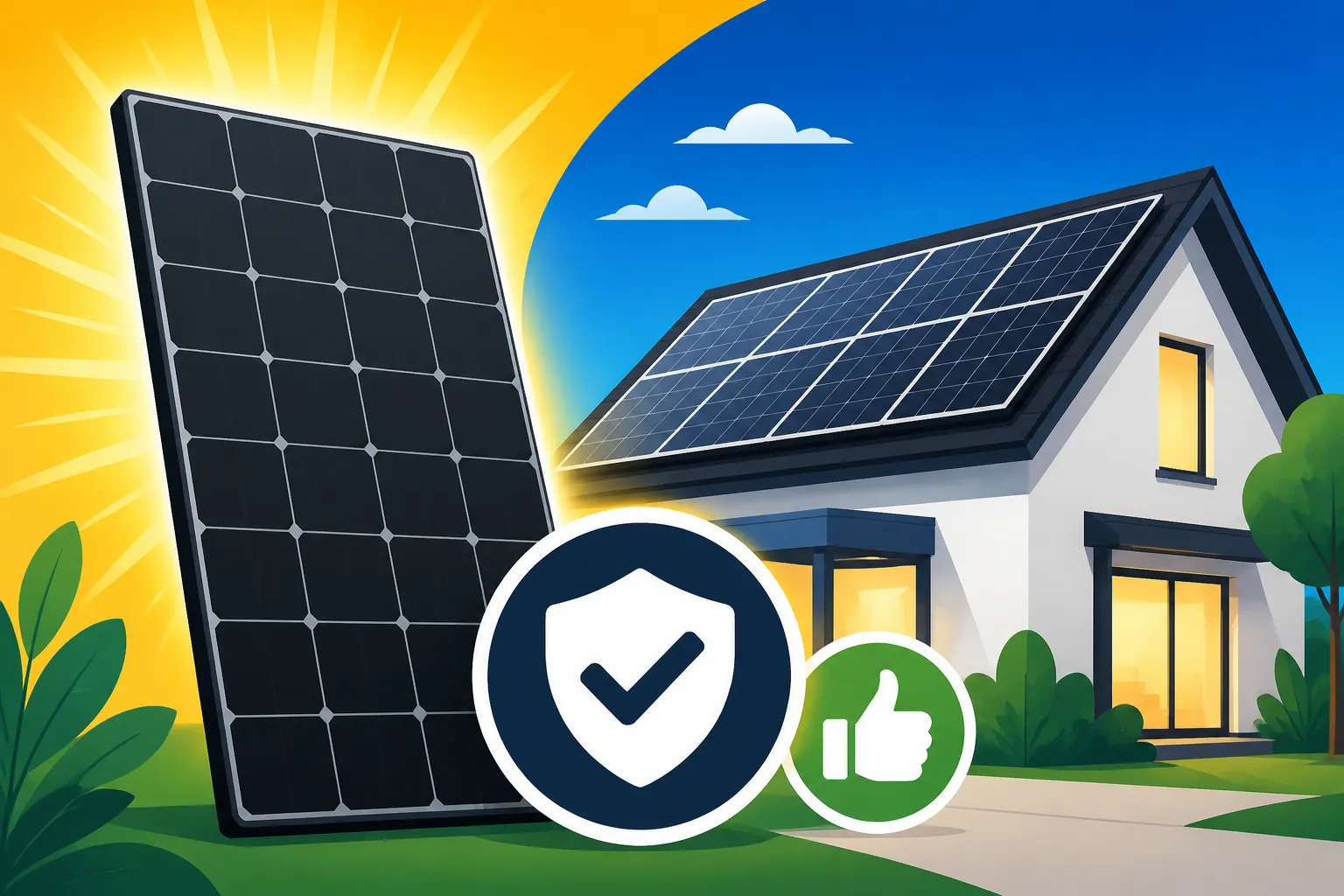
The Maxeon 3 and Maxeon 6 series represent the pinnacle of Maxeon’s residential offerings in many markets. The Maxeon 3 series, often referred to as the "Original" or "Legacy" Maxeon panel, boasts an impressive efficiency rate, typically ranging from 22.6% to 23.0%. These panels leverage the full IBC cell technology on a solid copper foundation, ensuring maximum power output and exceptional durability. They are known for their sleek, all-black aesthetics, which many homeowners prefer for a seamless look on their roof.
The newer Maxeon 6 series builds on this foundation, often incorporating slight improvements in manufacturing and design to push efficiency even further, sometimes reaching up to 23.2% or more. These panels are engineered to provide maximum energy yield from a smaller footprint, which is incredibly valuable for roofs with limited space. If you're looking to generate the most electricity possible from your available roof area, these high-efficiency panels are designed for exactly that purpose. They are a strong choice for those who prioritize top-tier performance and long-term energy production, offering a direct contrast to other premium options you might research like Qcells Solar Panel Review.
Maxeon 5 and Maxeon 7 Series: Advanced Solutions
Beyond the workhorse Maxeon 3 and 6 series, Maxeon also introduces more advanced solutions like the Maxeon 5 and the cutting-edge Maxeon 7 series. The Maxeon 5 series, while still high-performing, often serves as a slightly more accessible option, maintaining excellent efficiency and durability but with potentially different form factors or cell configurations depending on the regional market. These panels are designed for robust performance across various conditions, making them a versatile choice for many homes.
The Maxeon 7 series represents Maxeon's pursuit of the absolute highest efficiency and power density currently available. These panels are typically designed for situations where space is extremely constrained, or where maximizing every single watt of power is paramount. They utilize the most advanced iteration of their IBC technology, pushing efficiency to levels that few competitors can match. While these may come at a premium, the Maxeon 7 panels are for homeowners who demand the absolute best in terms of performance and technological innovation, especially if they are looking for optimal energy production even in challenging environments like shaded roofs. When researching such high-tech components, you might even find detailed specifications or complementary smart home energy management systems on broader retail platforms like Amazon, although the panels themselves are purchased through certified installers.
Evaluating Maxeon's Warranty and Customer Support
One of the most compelling reasons homeowners consider Maxeon panels, despite their higher price point, is the confidence instilled by their industry-leading warranty. A warranty isn't just a piece of paper; it's a promise of longevity and performance.
The Maxeon Confidence Warranty: What It Covers
Maxeon stands out with its extraordinary "Maxeon Confidence Warranty," which often extends to a full 40 years. Yes, you read that right: four decades. This covers both the product and the performance of their panels. A traditional solar panel warranty typically offers 25 years for performance and 10-12 years for the product. Maxeon’s 40-year warranty is nearly double the industry standard for product coverage and significantly longer for performance. This comprehensive coverage means that for 40 years, your panels are guaranteed against defects in materials and workmanship, and they are also guaranteed to produce power at a very high percentage of their original output.
Specifically, Maxeon guarantees that its panels will retain at least 98% of their original power output in the first year, and then degrade by no more than 0.25% per year thereafter. This results in a guaranteed power output of around 92% after 25 years and an astonishing 88.25% after 40 years. This significantly outperforms most competitors, who often guarantee around 80-85% performance after 25 years. This robust warranty speaks volumes about Maxeon's confidence in the durability and longevity of their technology. It’s a huge factor in the overall value proposition, especially when considering how long do solar panels last?
Assessing the Overall Return on Investment
While Maxeon panels typically come with a higher upfront cost compared to many other brands, their exceptional efficiency, superior durability, and groundbreaking warranty can lead to a very strong return on investment (ROI) over the long haul. The extended performance guarantee means more electricity production over a longer period, translating to greater savings on your utility bills year after year. This reliability reduces the risk of needing costly repairs or replacements, further enhancing the financial benefit.
Consider a scenario where a conventional panel might experience more significant degradation or even premature failure, necessitating replacement costs that aren't fully covered by a shorter warranty. With Maxeon, the probability of such issues is significantly lower, and if they do occur, you're covered for an extended duration. This peace of mind has tangible financial value. While the initial investment might seem higher, the lower degradation rate, higher energy yield, and minimal risk of early failure can lead to a shorter solar panel payback period explained. For homeowners planning to stay in their homes for many years, or those who value maximum energy independence and system reliability, Maxeon’s long-term value often justifies the premium price.
Deciding if Maxeon Panels Are Right for Your Home
Choosing solar panels is a big decision, and it’s about finding the right balance of performance, cost, and long-term reliability for your specific needs. Maxeon certainly offers a compelling package, but it's important to weigh all factors.
Pros: The Advantages of Choosing Maxeon
There are several compelling reasons why homeowners consistently choose Maxeon panels, even when faced with other options.
- Unrivaled Efficiency: Maxeon panels consistently boast some of the highest efficiency ratings in the residential market, often exceeding 22% and reaching up to 23.2% or more. This means you get more power from fewer panels, which is ideal for smaller roofs or homes with high energy demands.
- Exceptional Durability and Longevity: With their solid copper foundation and unique cell design, Maxeon panels are built to withstand extreme weather, resist microcracking, and perform consistently over many decades. This translates to fewer worries about repairs and replacements.
- Industry-Leading Warranty: The 40-year product and performance warranty is a game-changer. It provides unparalleled peace of mind, knowing that your investment is protected for nearly half a century. This long-term guarantee significantly de-risks your solar investment.
- Superior Aesthetics: Maxeon panels often feature an all-black design with no visible grid lines on the front, offering a sleek, premium look that seamlessly integrates with your home's roofline.
- Proven Performance: Backed by decades of innovation from their SunPower heritage, Maxeon panels have a track record of real-world performance that often exceeds expectations, especially in challenging conditions like high temperatures or partial shading. This makes them a strong contender if you're asking, "Are Solar Panels Worth It in 2026?"
Cons: Potential Drawbacks and Considerations
While Maxeon panels offer many advantages, there are a couple of points to consider:
- Higher Upfront Cost: Maxeon panels are generally more expensive than many other brands on a per-watt basis. This premium price reflects their advanced technology, efficiency, and superior warranty. For some homeowners, the initial investment might be a hurdle, leading them to explore other options like those highlighted in a Jinko Solar Panel Review. However, it's crucial to look at the total cost of ownership over the lifespan of the system, not just the sticker price.
- Limited Installer Network: Because Maxeon is a premium brand, their panels are often sold and installed by a network of certified dealers. This might mean you have fewer local installer options compared to brands that are more widely distributed. It's always a good idea to research local Maxeon dealers and get multiple quotes to ensure you're getting competitive pricing and excellent service.
- Availability: While Maxeon has a global presence, specific product lines might vary in availability depending on your region. Always confirm which series are available through your local installer. Even if you're not buying panels directly, when you're doing broader research or looking for compatible accessories for your Maxeon system, you might still find yourself browsing larger online marketplaces like Amazon for related products or information. This shows how crucial thorough research is when making such a significant home improvement.
Ultimately, choosing Maxeon panels means investing in top-tier performance, exceptional durability, and an unparalleled warranty. If your budget allows for a higher initial investment and you prioritize maximum energy production, long-term reliability, and aesthetic appeal, Maxeon panels are definitely worth a very close look. They offer a strong argument for long-term savings and peace of mind, especially when considering the significant impact solar panels have on your home value and energy independence.
Disclaimer
Please note that the information provided in this guide is intended for general informational purposes only. Solar technology, incentives, and product availability can change rapidly. Always consult with certified solar professionals for personalized advice, accurate quotes, and the most up-to-date information specific to your location and energy needs.