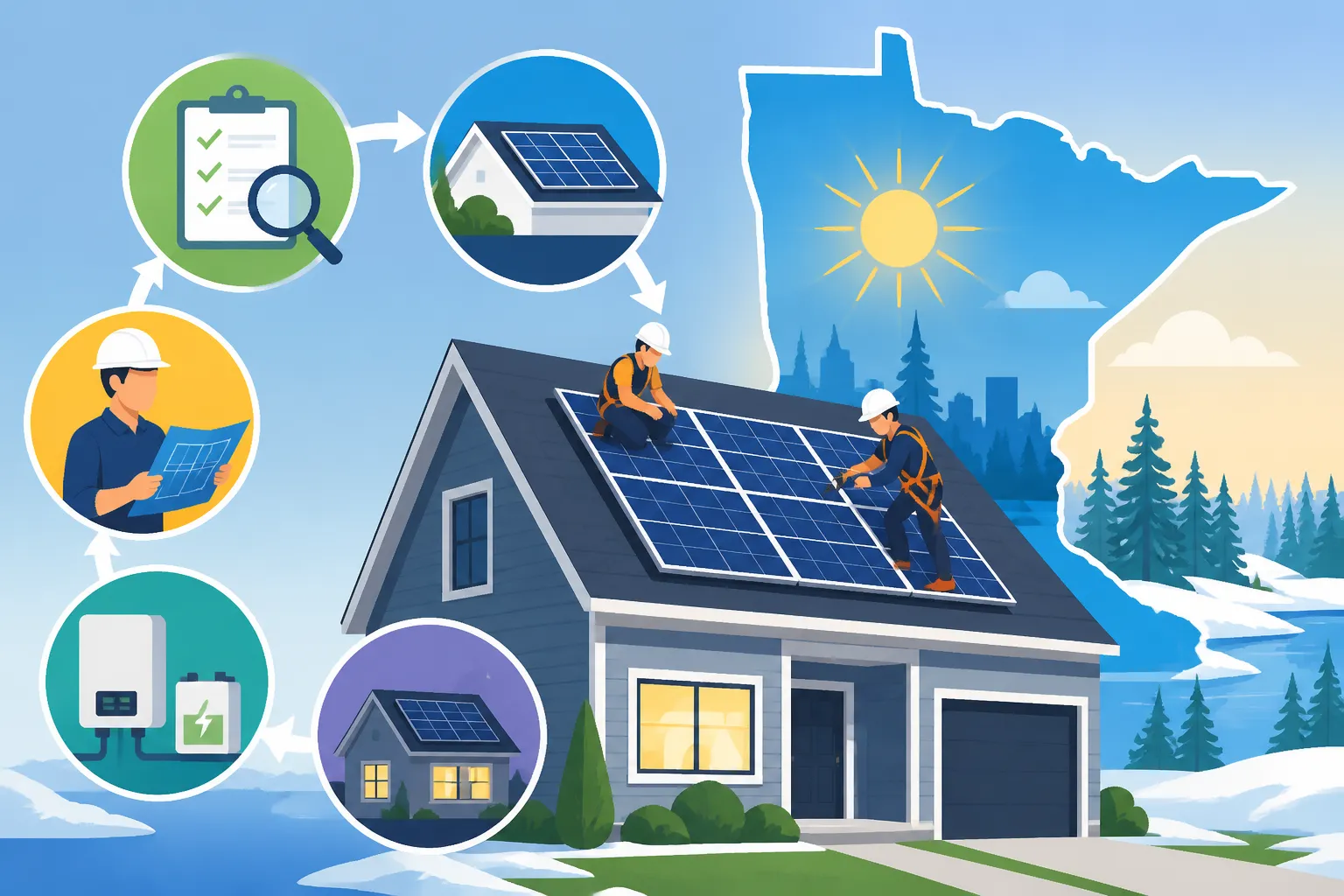
Solar Installation Process in Minnesota
Feeling overwhelmed by the thought of going solar in Minnesota? You’re not alone. Navigating the unique climate, local regulations, and utility processes in the Land of 10,000 Lakes can seem like a monumental task. This comprehensive guide is designed to walk you through every step of the solar installation process in Minnesota, ensuring you understand what to expect from initial inquiry to flipping the switch on your new, clean energy system.
Understanding Minnesota’s Unique Solar Landscape
Minnesota offers a distinctive environment for solar energy, blending strong state-level support with local utility variations and the practical considerations of a four-season climate. Before diving into the installation specifics, it’s helpful to grasp the broader context that shapes your solar journey here. From specific incentives to how the sun behaves, these factors are crucial to planning your system effectively.
State-Specific Solar Incentives and Programs
While the federal solar tax credit remains a powerful incentive for homeowners across the U.S., Minnesota sweetens the deal with its own array of programs. The state has long been a proponent of renewable energy, and this commitment is reflected in policies designed to make solar more accessible and affordable. For instance, some state programs have historically offered rebates or grants, though these can change year-to-year. It's always smart to check the latest offerings through the Department of Commerce or local energy agencies. Additionally, understanding how your property taxes are affected is key. Many states offer exemptions, and you can learn more about specific rules in places like the Twin Cities metro area by researching Solar Property Tax Exemptions by State
Beyond direct financial incentives, Minnesota also has strong community solar initiatives. If your home isn't ideal for rooftop panels due to shading, roof condition, or simply personal preference, participating in a community solar garden can offer similar benefits. These programs allow you to subscribe to a portion of a larger, off-site solar project and receive credits on your utility bill, effectively "going solar" without installing anything on your property. This is particularly popular in denser urban areas where rooftop space might be limited.
The Role of Utilities and Net Metering in Minnesota
In Minnesota, major utility providers like Xcel Energy, Minnesota Power, and Otter Tail Power Company play a significant role in the solar installation process, particularly when it comes to interconnection and net metering. Net metering is a critical policy that allows you to send excess solar electricity back to the grid for credit, effectively offsetting future electricity bills. While the general principle of Net Metering Explained: How It Works by State applies nationwide, the specific terms, rates, and credit structures can vary by utility and state policy.
Xcel Energy, for example, is the largest utility in Minnesota and operates under specific net metering rules and interconnection standards. These rules dictate how much you get credited for your excess power and the technical requirements for connecting your system safely to the grid. It's vital to work with an installer who is familiar with your local utility's specific requirements, as these can impact your overall savings and the system's design. Some smaller co-ops and municipal utilities might have slightly different programs or timelines, so confirming these details early on is a must. These details are a crucial part of calculating your Solar ROI & 25-Year Savings Breakdown.
The Step-by-Step Solar Installation Journey in Minnesota
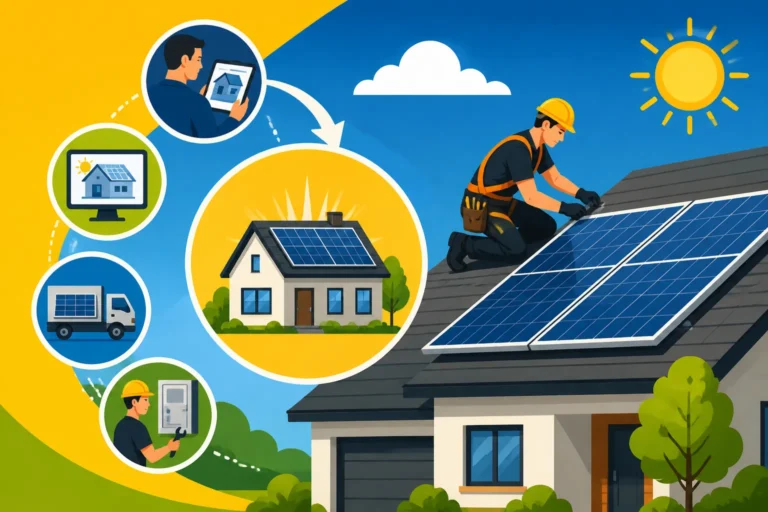
Embarking on the solar journey can feel like a big undertaking, but breaking it down into manageable steps makes it much clearer. From the initial spark of interest to the day your system starts generating power, each phase has its own considerations, especially when factoring in Minnesota's unique climate and regulatory environment.
Initial Consultation and Site Assessment
Your solar journey typically begins with an initial consultation. This is where you’ll connect with a solar provider to discuss your energy needs, current electricity bills, and what you hope to achieve with solar. A good solar consultant will ask detailed questions about your household’s energy consumption patterns, which appliances you use most, and any future plans for electrification, like buying an electric vehicle. They'll also explain the basics of how solar works and what kind of system might be appropriate for your home. This is often where homeowners start thinking about How Many Solar Panels Do I Need for My Home?.
Following this, a crucial step is the site assessment. A solar technician will visit your home to evaluate your roof's condition, size, and orientation. They’ll also check for any potential shading issues from trees or neighboring buildings throughout the year. In Minnesota, this assessment also considers the structural integrity of your roof to handle snow loads, which can be considerable during our long winters. The technician will measure roof dimensions, assess electrical panel capacity, and determine the optimal placement for panels to maximize sun exposure. This detailed assessment ensures the proposed system is both practical and efficient for your specific property. Many homeowners utilize platforms like Modernize to connect with reputable local installers who are experienced in performing these crucial site assessments.
System Design and Permitting
Once the site assessment is complete, the solar design team will get to work. They’ll take all the data gathered from the site visit, your energy consumption history, and local codes to craft a custom solar system design. This design will specify the number and type of solar panels, the inverter technology (microinverters or string inverters), and how the system will be mounted on your roof. They'll aim to maximize energy production while ensuring aesthetic appeal and adherence to all building and electrical codes. Given Minnesota's sometimes harsh weather, designs will often include robust mounting systems and consider snow shedding.
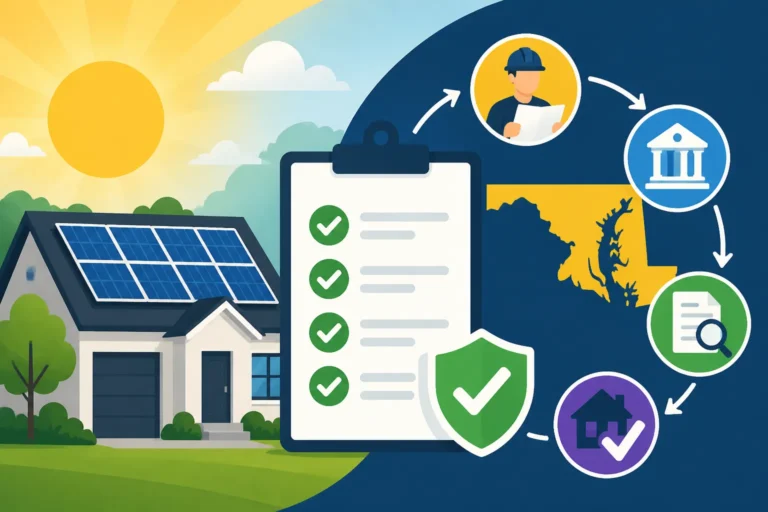
After the design is finalized and you’ve approved it, the permitting process begins. This phase can often feel like the longest part of the entire installation. Your solar installer will prepare and submit all necessary applications to your local municipality (city or county) for building and electrical permits. They will also handle the interconnection application with your utility company. In larger Minnesota cities like Minneapolis or St. Paul, this involves working with specific city departments that have their own requirements and review timelines. Patience is key here, as these bureaucratic steps are essential for ensuring your system is safe, compliant, and legally connected to the grid. Understanding Solar Permitting & Interconnection PTO Explained is vital for setting realistic expectations.
Installation Day and Final Inspections
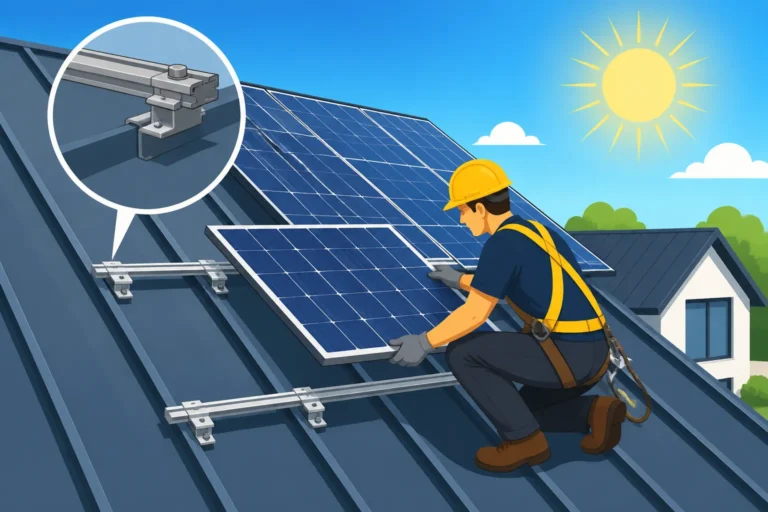
When all permits are approved, it's finally time for installation! This is often the quickest part of the process, typically taking just a few days, depending on the system's size and complexity. The installation crew will arrive, often with the panels, inverters, and racking materials ready to go. They'll meticulously prepare your roof, install the mounting hardware, attach the solar panels, and then connect the electrical components, including the inverters and wiring that tie into your home’s electrical system and the main service panel. Professional installers are trained to work safely and efficiently, minimizing disruption to your daily life.
Once the physical installation is complete, your system isn't quite ready to generate power. It needs to pass a series of inspections. First, local building and electrical inspectors will review the installation to ensure it complies with all local codes and the approved permits. This ensures safety and proper functionality. After passing these local inspections, the utility company will conduct its own final inspection. They’ll confirm that the system meets their interconnection standards and often install or reprogram your electric meter to accurately measure both the electricity you consume and the excess electricity your panels send back to the grid. Only after the utility grants "Permission to Operate" (PTO) can you flip the switch and start generating your own clean power. This multi-step process for How Are Solar Panels Installed Step by Step ensures everything is done correctly and safely.
Key Considerations for Minnesota Homeowners Going Solar
Minnesota's climate and regulatory environment present specific nuances that homeowners should be aware of when considering solar. From chilly winters to the state's natural beauty, these factors influence system design, performance, and long-term viability. Addressing them upfront ensures a smoother and more successful solar experience.
Weather and Panel Performance
One of the most common questions from Minnesota homeowners is, "Do solar panels work in the winter?" The answer is a resounding yes! While the days are shorter and sunlight is less intense in winter, solar panels are actually more efficient in colder temperatures. Unlike some electronics that perform worse in the cold, solar panels convert sunlight to electricity more effectively when they're cool. So, while production might be lower in December than in July, they're still generating power. Heavy snow is a consideration, as it can temporarily cover panels and block sunlight. However, most roof-mounted systems are installed at an angle, allowing snow to slide off naturally as it melts or with a gentle brush. You can typically see panels begin to clear quickly even after a significant snowfall in sunny conditions. This adaptability is why Do Solar Panels Work in Snow? is a frequently asked question.
Beyond winter, Minnesota experiences a wide range of weather conditions, including severe storms. Modern solar panels and mounting systems are designed to withstand high winds, hail, and extreme temperatures. Reputable manufacturers test their panels rigorously to ensure durability, and installers in Minnesota use products and techniques that meet or exceed local building codes for resilience. So, while weather is always a factor in Minnesota life, it doesn't diminish the long-term effectiveness or durability of a well-installed solar system.
Choosing the Right Solar Installer in Minnesota
Selecting a trustworthy and experienced solar installer is paramount to a successful project. In a state like Minnesota, where local regulations and specific weather challenges are a factor, an installer with a proven track record here is invaluable. You'll want a company that understands Xcel Energy's interconnection rules, the permitting nuances of various Minnesota cities (like Rochester or Duluth), and how to design a system optimized for our climate. Platforms like Modernize can be a great starting point for finding vetted local solar professionals who understand these specific needs.
When evaluating installers, look for companies with certifications from organizations like the North American Board of Certified Energy Practitioners (NABCEP). Ask for references from local customers and review their warranty offerings – both for the equipment and their workmanship. A reputable installer will offer transparent pricing, explain all parts of your contract clearly, and be upfront about the installation timeline. They should also be knowledgeable about all federal, state, and local incentives available, including any Utility Solar Rebates: How to Find Yours. Don't hesitate to get multiple quotes and compare them thoroughly; this is one of the best ways to ensure you’re getting a fair price and a quality system. For a deeper dive, check out How to Choose a Solar Installer.
Financial Aspects Beyond Purchase Price
The upfront cost of solar panels in Minnesota can seem daunting, but it's important to look at the larger financial picture. While you might consider the How Much Do Solar Panels Cost? 2026 Guide, this often doesn't include the significant savings and incentives. The biggest financial boost comes from the federal solar tax credit (Investment Tax Credit, or ITC), which allows you to claim a percentage of your system's cost as a tax credit. This effectively reduces your out-of-pocket expense significantly. It's crucial to understand how this credit works, and for future planning, you might explore topics like Federal Solar Incentives That Still Exist in 2026.
Beyond the tax credit, the long-term savings on your electricity bills are substantial. With rising energy costs, locking in a low, predictable "fuel" cost for your home can provide significant financial stability over the 25+ year lifespan of your system. Additionally, solar panels can increase your home's value, often recovering or exceeding their installation cost when you sell. Minnesota also has Solar Sales Tax Exemptions by State, meaning you won't pay state sales tax on your solar equipment, which is another smart way to save money. When combining all these factors, the return on investment for solar in Minnesota becomes quite compelling.
| Installation Step | Description | Typical Duration | Key Considerations in Minnesota |
|---|---|---|---|
| 1. Initial Consultation | Discuss energy needs, financial goals, and preliminary system options. | 1-2 hours | Identify specific energy usage patterns considering long winters; understand local utility rates (Xcel, MN Power); explore state-specific incentives like community solar. |
| 2. Site Assessment | Detailed evaluation of roof (size, condition, shade, angle), electrical system, and local environment. | 1-3 hours | Crucial for assessing roof's structural integrity against snow load; mapping out seasonal shading from trees in diverse Minnesota landscapes; confirming electrical panel capacity for system integration. |
| 3. System Design | Engineering of the custom solar array, including panel layout, inverter type, and electrical schematics. | 1-2 weeks | Design must account for optimal sun exposure given Minnesota's distinct seasonal sun path; material choices for extreme temperature resilience; ensuring aesthetic integration with homes in neighborhoods with specific architectural styles (e.g., historic districts in St. Paul). |
| 4. Permitting & Interconnection | Submission of applications to local authorities and utility company. | 4-12 weeks (or more) | Navigating varying city/county permitting processes (e.g., Minneapolis vs. rural townships); understanding specific Xcel Energy or other utility interconnection agreements; anticipating potential delays during peak construction seasons or due to local government processing times. |
| 5. Procurement | Ordering and delivery of all solar equipment. | 2-4 weeks | Logistics of shipping to cold weather regions; ensuring high-quality, cold-weather rated panels and components; coordination with local warehouses for timely delivery to avoid installation delays. |
| 6. Installation Day(s) | Physical mounting of panels, wiring, and inverter installation. | 1-5 days | Working safely on roofs with potential for ice or snow; ensuring weather-tight sealing to prevent leaks from freeze-thaw cycles; efficient team coordination to minimize time on site, especially during colder months. |
| 7. Inspections | Local building/electrical inspector review, followed by utility inspection. | 1-3 weeks | Coordinating schedules with potentially busy local inspectors; confirming compliance with all safety and building codes, particularly those related to snow and ice; ensuring the utility (e.g., Xcel Energy) verifies system safety and meter setup before granting PTO. |
| 8. Permission to Operate (PTO) | Utility grants final approval to activate the system. | A few days post-utility inspection | The moment your solar journey comes to fruition! This signifies all regulatory and utility hurdles are cleared, allowing you to start generating and potentially selling back power. |
Navigating Post-Installation in the Land of 10,000 Lakes
Once your solar panels are humming and generating clean electricity, you might think the journey is over. But there are still a few aspects to consider in the post-installation phase, especially for Minnesota homeowners. From understanding what comes next with your utility to keeping your system in tip-top shape through all four seasons, being informed can help maximize your investment for decades to come.
What to Expect After the Installation
After your solar system receives Permission to Operate (PTO) from your utility, the real fun begins! Your panels will start producing electricity, and you'll immediately begin seeing changes in your monthly utility bill. For homeowners in Minnesota, this often means significantly lower bills, especially during the sunnier months of spring and summer when production is at its peak. Your utility meter will now track not just the electricity you consume from the grid but also the excess electricity your solar panels send back to it, thanks to net metering. You might be interested in learning more about What Happens After Solar Is Installed?.
Many modern solar systems come with monitoring apps that you can access on your phone or computer. These apps provide real-time data on your system’s performance, showing you how much electricity your panels are generating, how much you're consuming, and how much you're sending back to the grid. This allows you to track your savings, identify any potential issues, and truly understand your energy usage patterns. It’s incredibly satisfying to watch your energy production, especially on a bright, crisp Minnesota day!
Maintenance and Long-Term Care for Minnesota Solar Systems
One of the best things about solar panels is how little maintenance they generally require. They don’t have moving parts, and they’re built to withstand the elements. For Minnesota homeowners, the primary concern is usually snow and debris. While most systems are designed for snow to slide off, a very heavy, sticky snow might require a gentle clearing if you want to maximize winter production. However, most homeowners find that natural melting and sliding is sufficient. Solar Panel Maintenance & Cleaning typically doesn't involve much beyond occasional checks.
Beyond that, occasional cleaning to remove dust, pollen, or bird droppings can help maintain optimal efficiency, though Minnesota's regular rainfall usually does a good job of keeping panels clean. A quick visual inspection a few times a year is usually all that’s needed to ensure no debris is accumulating or branches are shading the panels. If you have an inverter with individual panel monitoring, you can easily spot if one panel isn't performing as well as the others. Most solar systems come with robust warranties, typically 25 years or more for the panels themselves, covering power production and product defects, giving you peace of mind for the long haul.
Adapting to Minnesota's Grid Changes and Future Proofing
The energy landscape is always evolving, and Minnesota is no exception. As more solar energy comes online, utilities and state regulators continuously review and sometimes adjust policies like net metering. Staying informed about potential changes is a good idea, though most established solar systems are grandfathered into the policies in place at their installation. You might find it useful to keep an eye on discussions about Is Net Metering Going Away? to understand broader trends.
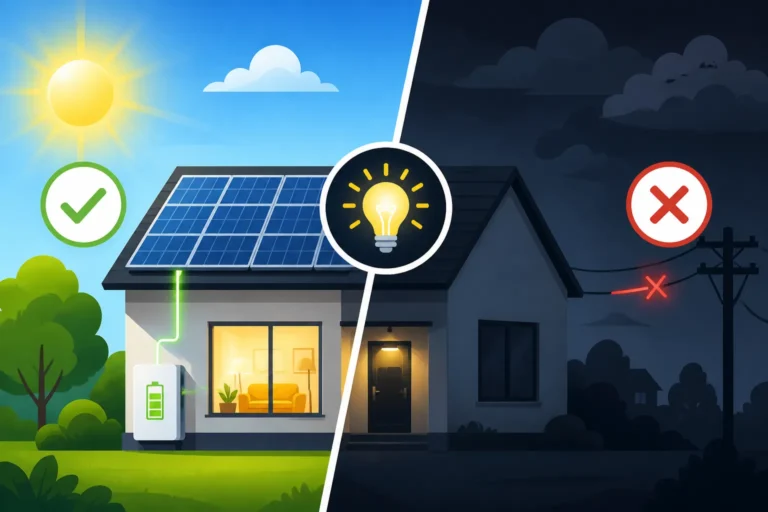
For homeowners looking to future-proof their investment, considering a solar battery storage system is an excellent option, especially in Minnesota. While net metering helps manage excess production, a battery allows you to store that energy for use when the sun isn't shining or during a power outage. This provides greater energy independence and resilience, which can be particularly appealing during Minnesota's occasional severe weather events. Many incentives are now available for batteries as well, so checking out Solar Battery Incentives in 2026 could be a wise step. Integrating a battery can also optimize your energy use if your utility implements time-of-use rates, charging you more for electricity during peak demand hours.
Disclaimer
The information provided in this guide is for general informational purposes only and does not constitute professional financial, tax, or legal advice. Solar incentives, regulations, and costs can vary significantly based on location, utility provider, and individual circumstances, and are subject to change. Always consult with qualified solar professionals, tax advisors, and relevant local authorities before making any decisions related to solar energy installation.