Can I Install Solar Panels Without a Permit?
That rush of excitement when you envision a solar-powered home often bumps up against the less thrilling reality of paperwork and permits. It's totally understandable to look at those forms and think, "Do I really need all this?" The idea of cutting through the red tape and getting straight to solar power is appealing, but when it comes to installing solar panels, ignoring the permitting process can lead to some truly significant headaches. This guide is here to walk you through why permits are crucial, what happens if you skip them, and how to navigate the process smoothly.
The Alluring (But Risky) Idea of Skipping Solar Permits
Let's be honest, nobody loves paperwork. The thought of dealing with local government offices, multiple forms, and waiting periods can feel like a major hurdle when all you want to do is get those panels up and start saving on your electricity bill. Many homeowners have, at some point, pondered whether they could just bypass the whole permitting rigmarole to expedite their solar journey. It seems like a simple way to save time and possibly even some money, right?
Why Homeowners Consider Bypassing Permits
The motivations for wanting to skip solar permits are completely understandable. First, there's the desire for speed. You've made the decision to go solar, you're excited, and you want to see that system working. Waiting weeks or even months for permit approvals can feel like an eternity. Then there's the perception of complexity and cost. Many homeowners feel intimidated by the bureaucratic process, imagining endless forms, technical jargon, and fees that seem to add insult to injury. Some might even entertain the thought of a DIY solar installation, believing they can handle everything themselves, including the "paperwork" of simply not doing it. The internet is full of "how-to" guides, and while empowering, they sometimes gloss over the critical regulatory steps.
The Immediate Appeal vs. Long-Term Headache
On the surface, it might seem like a brilliant shortcut. You avoid the permit fees, you don't have to wait for inspectors, and your solar panels are up and generating power in record time. You might even pat yourself on the back for being so resourceful. However, this immediate gratification is often fleeting. What appears to be a quick win can quickly transform into a drawn-out, expensive, and stressful nightmare down the road. The "hidden costs" of skipping permits far outweigh any perceived savings or convenience, potentially jeopardizing your home's safety, value, and your financial well-being. It's a classic case of saving pennies now to potentially spend dollars later, often with significant interest in the form of stress and regret.
The Cold, Hard Truth: Permits Are (Almost Always) Required
Here’s the plain, unvarnished truth: in nearly all cases, installing solar panels on your home does require permits. This isn't just some arbitrary hoop to jump through; it's a critical part of ensuring your solar energy system is safe, up to code, and properly integrated into your home and the electrical grid. Whether you're in a bustling city like Los Angeles or a quiet rural town in Ohio, local authorities have regulations in place for construction projects – and solar panel installation is absolutely considered one.
The Universal Nature of Building Codes and Regulations
Think of solar panel installation like any other major home improvement project, such as adding an extension, remodeling a kitchen, or even building a deck. These projects all involve changes to your home's structure or electrical system, and as such, they fall under stringent building codes. These codes are established to protect homeowners, future occupants, and even first responders. They ensure that your roof can structurally support the additional weight of the panels, that the electrical wiring is safe and won't cause fires, and that the installation adheres to safety standards. These codes aren't designed to be punitive; they're there for your protection, ensuring that your investment is sound and safe for decades to come.
What Permits Typically Cover
When you apply for solar permits, you're generally looking at a combination of different approvals, each designed to address specific aspects of the installation.
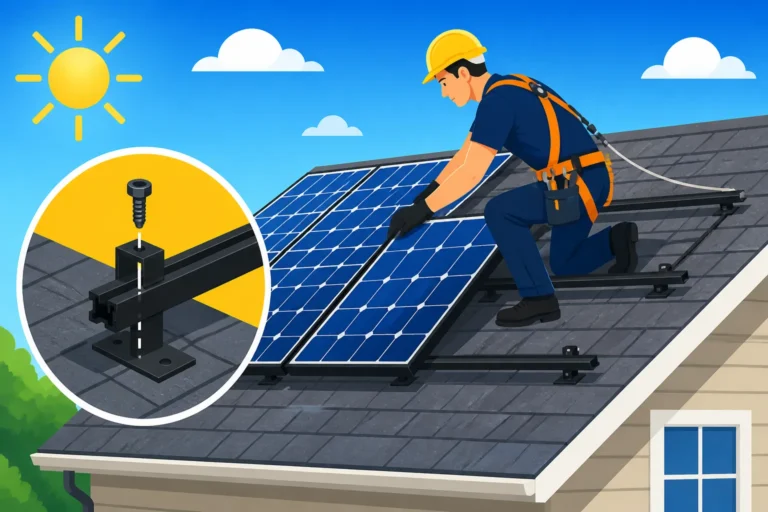
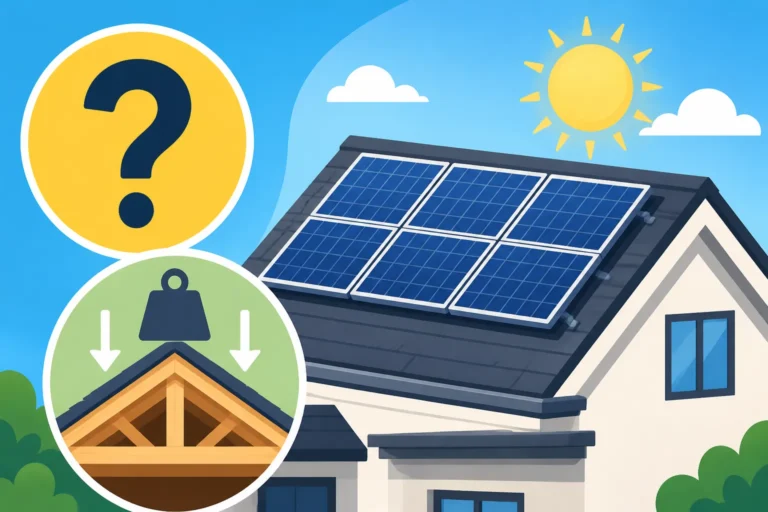
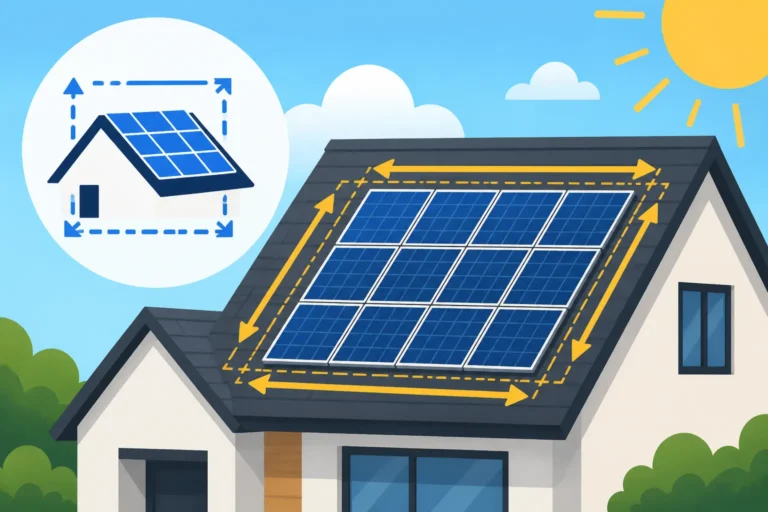
- Building Permits: These are primarily concerned with the structural integrity of your roof. An inspector will check that your roof can handle the added weight of the solar panels and racking system, especially considering wind and snow loads. They'll also ensure that the mounting system is securely attached without compromising your roof's waterproofing. If your roof is older, they might even suggest a roof inspection or replacement before the solar installation begins.
- Electrical Permits: This is where safety truly comes into play. Solar panels generate electricity, and integrating that power into your home's existing electrical system and connecting to the utility grid requires careful, professional work. Electrical permits ensure that the wiring, inverters, circuit breakers, and grounding are all installed correctly and comply with the National Electrical Code (NEC). Improper electrical work isn't just inefficient; it's a serious fire hazard and a risk for electrocution.
- Zoning or Planning Permits: Sometimes, local zoning ordinances might have rules about how visible solar panels can be from the street, their height, or even where they can be placed on your property, especially in historic districts or areas with strict homeowner association (HOA) rules. These permits ensure your installation complies with local aesthetic and land-use guidelines.
These permits collectively act as a stamp of approval, assuring you that your solar system has been reviewed by experts and meets all necessary safety and performance criteria.
Serious Consequences of Installing Solar Without a Permit
The allure of skipping permits fades quickly once you understand the very real, often severe, repercussions. While the permitting process can feel like a bureaucratic maze, navigating it correctly is far less painful than dealing with the fallout of an unpermitted installation. Trust me, the headaches you avoid by following the rules are worth every bit of effort.
Safety Hazards and Code Violations
This is arguably the most critical reason why permits are mandatory. Solar installations involve high-voltage electricity and significant structural additions to your roof. Without proper inspections and adherence to codes, you're risking your family's safety and your home's integrity. Think about it:
- Fire Hazards: Incorrect wiring, improperly sized electrical components, or inadequate grounding can lead to arc faults, short circuits, and eventually, electrical fires. Imagine the devastation of a house fire that could have been prevented by a simple electrical inspection.
- Electrocution Risk: Exposed wires, faulty connections, or systems not correctly shut down can pose a severe electrocution risk to anyone interacting with the system, from homeowners to emergency responders.
- Structural Damage: An unqualified installation could place undue stress on your roof, especially during heavy snowfalls or strong winds. This could lead to roof leaks, sagging, or even a partial collapse, costing you far more than the initial permit fees.
These aren't just theoretical dangers; they are real possibilities when installations bypass the necessary safety checks and professional oversight.
Financial Penalties and Forced Removal
Local authorities take unpermitted work seriously. If a neighbor reports your installation, or if it's discovered during a routine property assessment, you could face steep fines. These penalties often far exceed the initial cost of the permits themselves. In some cases, the municipality might issue a "stop work" order, an "order to comply," or even demand that you remove the entire system until proper permits are obtained. This means paying to dismantle the system, incurring new costs for engineering plans and permits, and then paying again for re-installation, all while the initial investment sits idle or, worse, is completely wasted. It's a double whammy of expense and wasted time.
Insurance and Warranty Voiding Nightmares
This is another huge consequence that many homeowners overlook. Most standard homeowner insurance policies require that all major additions and alterations to your home comply with local codes. If you have an unpermitted solar installation and it causes damage—say, a roof leak or an electrical fire—your insurance company could deny your claim entirely. They might argue that the damage resulted from unpermitted, non-compliant work, leaving you solely responsible for potentially hundreds of thousands of dollars in repairs. Furthermore, many solar panel and inverter manufacturers, as well as installation companies, include clauses in their warranties that void coverage if the system was installed without proper permits or adherence to local codes. That 25-year panel warranty suddenly becomes worthless.
Property Value and Resale Complications
Thinking of selling your home down the line? Unpermitted solar panels can throw a massive wrench into the process. Homebuyers and their lenders are wary of unpermitted work, and for good reason—it’s a liability. During a home inspection, an unpermitted solar system will almost certainly be flagged. This can lead to delays, renegotiations, or even scuttle the sale altogether. Buyers may demand that you get the permits retroactively (a costly and complicated process), reduce the sale price, or even require you to remove the system entirely before they'll close. It makes your home a less attractive investment and can significantly devalue your property rather than increase it, which is the opposite of what most homeowners hope for. Companies like Modernize often advise homeowners that permitted, professional installations are key to maximizing home value.
Interconnection Issues with the Utility
Even if you manage to get solar panels installed without local building permits, you won't be able to connect your system to the utility grid legally. Utility companies require proof of proper permitting and safety inspections before they'll grant "Permission to Operate" (PTO). This means no net metering, no selling excess energy back to the grid, and no offsetting your monthly electricity bill with your generated power. Essentially, you'll have a very expensive, unapproved power generator that can't actually save you money on your utility bill, unless you plan to go completely off-grid, which is a much more complex and expensive undertaking than most homeowners realize. For more details on this, you can check out our article on What Is Permission to Operate (PTO)?.
Navigating the Solar Permitting Process Like a Pro
The good news is that while permits are essential, navigating the process doesn't have to be a solo, overwhelming endeavor. In fact, professional solar installers are experts at this, and they typically handle all the heavy lifting for you. Understanding the general flow, however, can make you feel more in control and confident in your solar journey.
Understanding Your Local Jurisdictional Requirements
The first and most crucial step is always to understand the specific requirements in your locality. Permitting regulations can vary significantly from one city or county to another, even within the same state. What's perfectly acceptable in Phoenix, Arizona, might be a non-starter in Flagstaff, for example. Your first point of contact (or your installer's) should be your local building department or planning department. They will have detailed guidelines, application forms, and fee schedules for solar installations. Some progressive cities have even streamlined their solar permitting processes, making them quicker and easier. This ensures your project moves forward efficiently. You might find some useful insights by looking at articles like Solar Permit Process in California or Solar Permit Process in Texas if you live in those states, but always verify with your specific municipality.
The Role of Your Solar Installer in Permitting
This is where working with a reputable solar installer truly pays off. A professional solar company will have extensive experience with local permitting requirements. They employ staff, often dedicated project managers or permitting specialists, who are well-versed in the application process, familiar with the local inspectors, and understand the nuances of the building codes in your area.
Here's how they typically help:
- Design and Engineering: They'll create detailed system designs, including electrical schematics and structural drawings, that meet all local codes and engineering standards. These plans are crucial for permit applications.
- Application Submission: Your installer will prepare and submit all necessary permit applications to the relevant city or county departments. They'll handle the paperwork, pay the fees, and track the application's progress.
- Communication with Officials: They'll serve as the primary point of contact with building inspectors and planning officials, addressing any questions or requests for additional information that may arise during the review process.
- Scheduling Inspections: Once the permits are issued, the installer will schedule the required inspections by local authorities. They'll ensure the installation team is available and that the work is ready for review.
Choosing an installer that clearly outlines their role in the permitting process is vital. Services like Modernize can connect you with experienced, local solar professionals who have a proven track record of successfully navigating these municipal requirements. This ensures a smoother path to getting your system up and running legally and safely.
Key Steps in the Permitting Journey
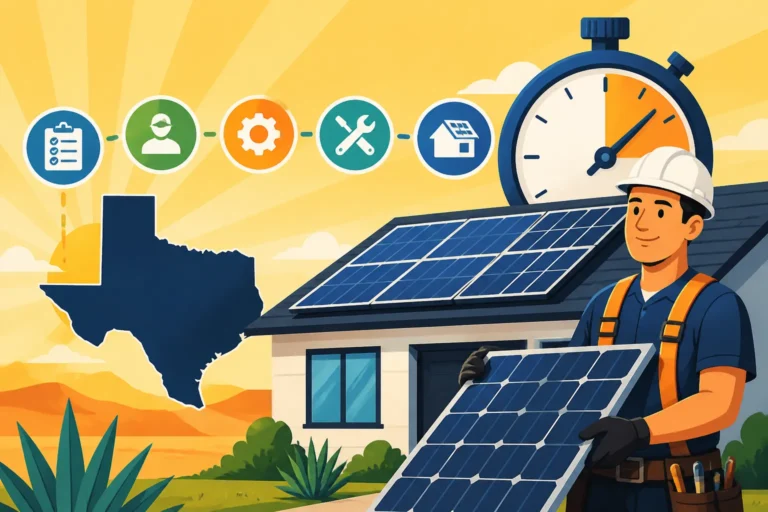
While the specifics might vary, the general steps for getting your solar panels permitted are pretty consistent:
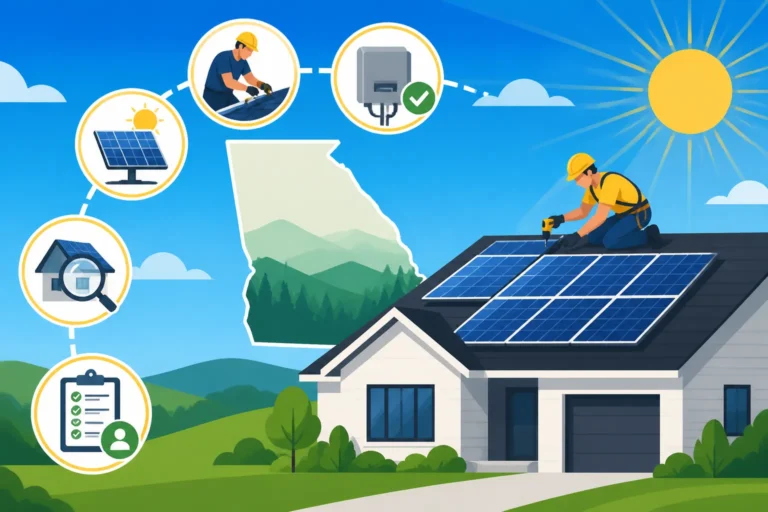
- Site Assessment and System Design: An installer will visit your home to assess your roof, electrical panel, and energy needs. They'll then design a system tailored to your property, producing detailed plans.
- Permit Application Submission: Your chosen installer will compile all necessary documents—including the system design, electrical schematics, structural analyses, and application forms—and submit them to your local building department.
- Plan Review: The local authority reviews the submitted plans to ensure they comply with all building, electrical, and zoning codes. This stage can take anywhere from a few days to several weeks, depending on the municipality's workload.
- Permit Issuance: Once the plans are approved, the permits are issued, and your installer can officially begin the physical installation work on your home. This is the green light!
- Installation: The solar panels, inverters, wiring, and mounting equipment are installed by certified technicians. You can read more about this in our guide on How Are Solar Panels Installed? Step by Step.
- Inspections: After the installation is complete, but before the system is energized, local inspectors will visit your property. They'll verify that the installation matches the approved plans and meets all safety and code requirements. There's often a building inspection and an electrical inspection.
- Utility Interconnection and PTO: Once all municipal inspections pass, the local authority will notify your utility company. The utility will then conduct its own final check, replace your meter with a net meter (if applicable), and grant you Permission to Operate (PTO). Only then can your system be safely turned on and begin generating electricity and sending excess back to the grid. This entire journey, from signing the contract to PTO, can be complex, and you can get a better idea of the overall timeline by looking at Solar Installation Timeline: What to Expect.
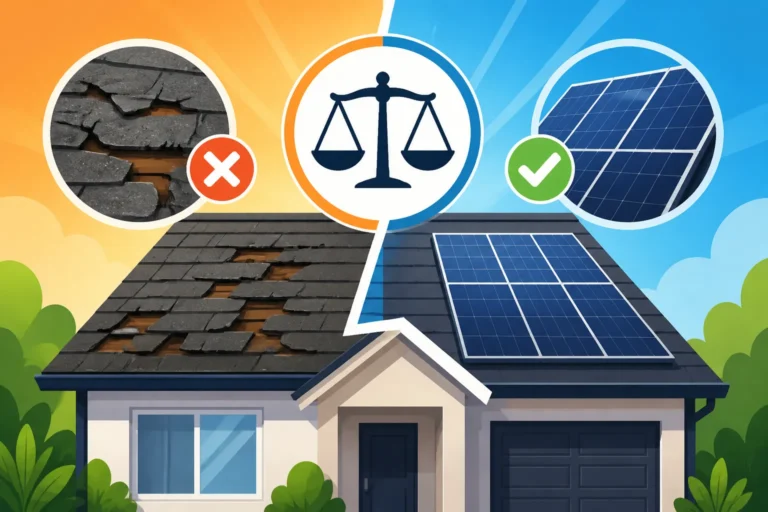
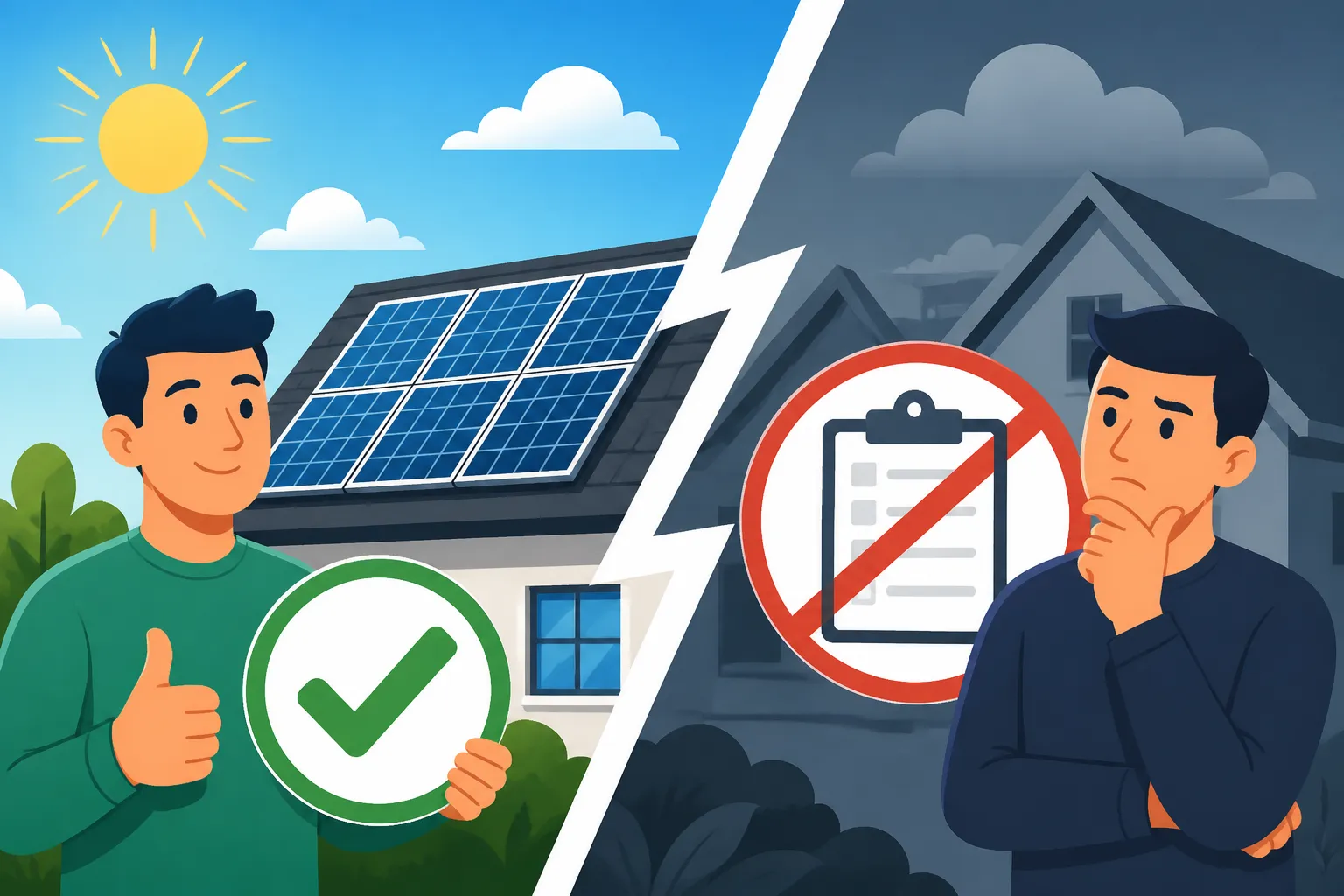
Here's a quick comparison to help you visualize the choices:
| Feature | Installing Solar With Permits | Installing Solar Without Permits |
|---|---|---|
| Safety | Certified safe, adheres to national and local codes. | Untested, potential fire hazards, electrocution risks. |
| Legality | Fully compliant, avoids legal issues and fines. | Illegal, subject to fines, forced removal, and legal action. |
| Insurance | Covered by homeowner's insurance in case of issues. | Insurance claims likely denied, homeowner fully liable. |
| Warranties | Manufacturer and installer warranties remain valid. | Most warranties voided dueg to non-compliance. |
| Resale Value | Increases home value, smooth selling process. | Decreases home value, causes major delays or lost sales. |
| Grid Access | Eligible for net metering and utility interconnection (PTO). | Cannot legally connect to the grid, no utility savings. |
| Initial Cost | Includes permit fees and professional handling. | Appears cheaper, but significant hidden costs and penalties likely. |
| Peace of Mind | High, knowing your system is safe, legal, and performs well. | Low, constant worry about discovery and consequences. |
Disclaimer
This article is for general informational purposes only and does not constitute professional advice. Laws, prices and regulations vary by location and change over time. Consult a qualified professional for guidance on your specific situation.