Solar Permit Process in North Carolina
Getting solar panels installed on your North Carolina home can feel like a labyrinth of paperwork and regulations, especially when you're just trying to do something good for your energy bill and the planet. Many folks get excited about the idea of clean energy, only to hit a wall when they realize the ins and outs of local permits and utility approvals. This guide is here to demystify the solar permit process in North Carolina, walking you through each step so you can confidently move forward with your home solar project.
Understanding North Carolina's Solar Permitting Landscape
It’s easy to feel overwhelmed when you hear "permits," but think of them as your golden ticket to a safe, compliant, and ultimately successful solar installation. North Carolina, like every state, has its own set of rules, and these aren't just bureaucratic hurdles; they're in place to protect you, your property, and even the local grid.
Why Permits Are Essential for Solar Installation
Imagine installing a new deck or renovating a kitchen without a permit – it sounds like a shortcut, but it's a recipe for disaster. Solar panel installations are no different. They involve significant structural work on your roof, complex electrical wiring that ties into your home's system, and often a connection to the broader utility grid. Building permits ensure that the structural integrity of your roof can handle the added weight of the panels, preventing potential damage or collapse. Electrical permits guarantee that your system's wiring is up to code, minimizing fire hazards and ensuring safe operation for your family.
Beyond safety, permits ensure your system meets local zoning requirements, preventing issues with property lines, historical district regulations, or even aesthetic guidelines in certain communities. Without proper permits, you could face hefty fines, have to remove the system entirely, or even struggle to sell your home down the line. It's truly a foundational step for peace of mind.
Key Regulatory Bodies and Local Jurisdictions
North Carolina's solar permitting isn't a one-size-fits-all process from a single state agency. While there are overarching state codes, the actual permit issuance largely falls to local jurisdictions – your city or county building department. This means that what might be a quick approval in a rural county like Wilkes could be a more detailed review process in a larger municipality like Raleigh, Durham, or Charlotte.
You'll be dealing with several key players:
- Local Building Departments: These are your primary contacts for structural and electrical permits. They enforce the North Carolina State Building Code, which includes specific sections for solar energy systems. They'll review your plans to ensure compliance with fire safety, structural load, and general construction standards.
- Your Local Utility Company: Companies like Duke Energy, Dominion Energy, or smaller municipal utilities are crucial for the "interconnection agreement." This is the formal permission to connect your solar system to their electrical grid. They also oversee important programs like net metering, which determines how you get credited for excess power.
- Homeowners Associations (HOAs): If your home is part of an HOA, they often have their own architectural review boards. While North Carolina has laws protecting homeowners' rights to install solar, HOAs can still have reasonable restrictions on placement or aesthetics. It's always best to check with them early in the process.
This decentralized approach means that while the general steps are similar, the specific forms, fees, and processing times can vary considerably based on where you live. This is often where a good solar installer, perhaps found through a service like Modernize, really shines, as they'll be intimately familiar with the local permitting nuances.
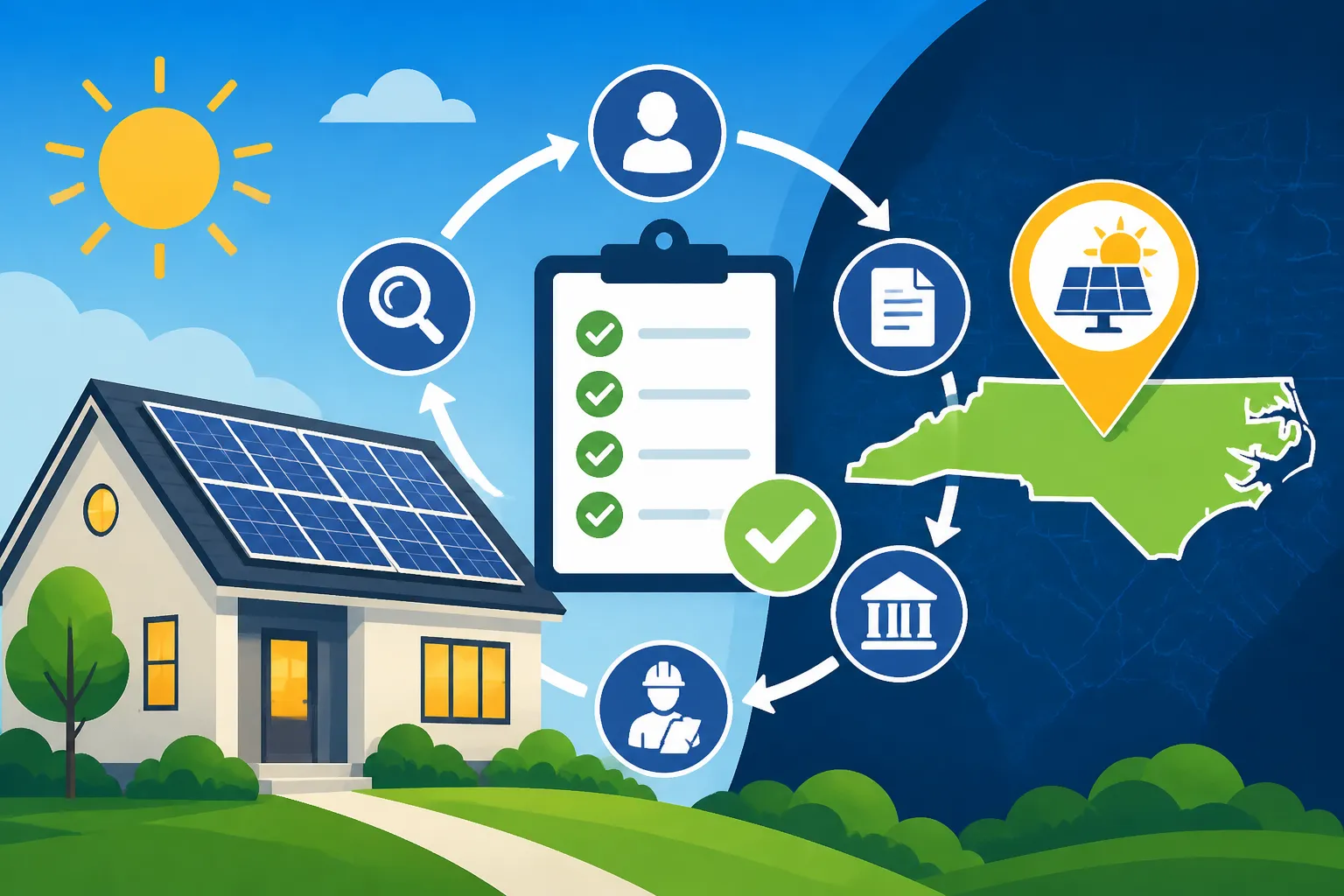
The Step-by-Step North Carolina Solar Permit Process
Navigating the permit process can feel like a bit of a dance, but breaking it down into manageable steps makes it much less daunting. Most reputable solar installers will handle the bulk of this for you, but understanding what's happening helps you stay informed and empowered.
Initial Planning and Design Submission
Before any actual construction begins, there's a significant amount of groundwork. This is where your solar dreams start to take shape on paper.
Your chosen solar installer will perform a detailed site assessment, evaluating your roof's condition, orientation, shading, and available space. They'll also analyze your historical electricity usage to design a system that meets your energy needs. This assessment leads to the creation of detailed engineering plans. These plans are the blueprint for your solar system, including:
- Structural Drawings: Showing how the panels will be mounted, the racking system, and how the added weight will be distributed across your roof. This is critical for demonstrating compliance with local building codes.
- Electrical Schematics: Outlining the wiring, inverters (whether they're microinverters or a string inverter setup), conduit runs, and the connection points to your main electrical panel and the utility meter. Safety features like rapid shutdown systems will also be detailed.
- Site Plan: A layout of your property showing the panel placement, any relevant setbacks, and other important features.
Once these plans are complete, your installer will typically prepare and submit the necessary applications to your local city or county building department. This submission often includes multiple copies of the plans, a permit application form, and the associated fees. The exact forms and fees will depend on your specific North Carolina locality, whether that's Asheville, Wilmington, or Greensboro.
Navigating Local Building Departments
After submission, your plans enter the review phase. This is where the building department scrutinizes every detail to ensure it meets current safety codes and local ordinances.
The review process involves different departments:
- Structural Review: Engineers will check your roof's load-bearing capacity and the proposed mounting system to confirm it can safely support the solar array, especially in areas prone to wind or snow loads.
- Electrical Review: Electrical inspectors will examine the wiring diagrams, inverter specifications, and safety measures to ensure everything complies with the National Electrical Code (NEC), which North Carolina adopts with some state-specific amendments. They'll be looking for things like proper grounding, overcurrent protection, and accessible disconnects.
- Zoning Review: This department ensures your solar installation adheres to local zoning laws, such as setback requirements from property lines or height restrictions. If your home is in a historic district, there might be additional aesthetic guidelines to follow.
This review process can take anywhere from a few days to several weeks, depending on the complexity of your system and the workload of the specific building department. Patience is key here. If there are any issues or requests for additional information, your installer will typically communicate with the department, make necessary revisions, and resubmit. Once all departments give their stamp of approval, the building permit is issued. This is a big green light for physical installation to begin!
Electrical Permits and Inspections
While often part of the overall building permit application, the electrical portion deserves its own mention because it's a distinct and crucial component. After the physical solar panels are installed on your roof and the wiring is complete, but before the system is energized and connected to the grid, a final electrical inspection is required.
An electrical inspector from your local jurisdiction will visit your property to verify that the installation matches the approved electrical plans and adheres to all applicable codes. They'll check things like:
- Wiring Quality: Ensuring all connections are secure, wires are properly sized, and conduits are installed correctly.
- Inverter Installation: Confirming the inverters are safely mounted and accessible.
- Disconnects: Checking that emergency disconnect switches are clearly marked and easily accessible for first responders.
- Grounding: Verifying that the entire system is properly grounded to prevent electrical shocks and protect against lightning strikes.
- Labeling: Making sure all components, conduits, and panels are correctly labeled according to code.
Passing this inspection is non-negotiable for safety and for moving on to the final stage of connecting to the utility grid. If the inspector finds any issues, they will issue a correction notice, and your installer will need to fix them before a re-inspection can be scheduled. This rigorous check ensures your system is safe and ready for operation.
Interconnection Agreements and Utility Approval
Once your solar system has passed its local building and electrical inspections, you’re on the home stretch. But before you can flip the switch and start generating your own power, you need formal permission from your utility company. This is where the interconnection agreement comes in.
Applying for Interconnection
The interconnection process is essentially your formal application to your local utility (like Duke Energy Progress or Dominion Energy in certain parts of North Carolina) to connect your new solar array to their grid. Your solar installer will handle the submission of this application, which typically includes:
- Proof of Permit Approval: The utility will want to see that all necessary local permits (building, electrical) have been successfully obtained and approved by your city or county.
- System Specifications: Details about your solar panels, inverters, and overall system size (kW).
- One-Line Diagram: A simplified electrical diagram showing how your system will connect to the utility's grid.
- Insurance Information: Proof of appropriate homeowner's insurance.
Utilities have their own review processes and timelines for these applications. They need to ensure that your solar system won't negatively impact the stability or safety of their grid. Once approved, the utility will issue an "Permission to Operate" (PTO) letter. This is the moment you've been waiting for! It officially authorizes you to energize your solar system and start generating electricity. You can read more about what happens with your utility in our guide on Permission to Operate PTO Explained.
Before PTO is granted, the utility may also need to install a special net meter at your home. This meter tracks both the electricity you draw from the grid and any excess electricity your solar panels send back to it, which is crucial for calculating your billing credits.
The Role of Net Metering Policies
Net metering is a critical policy that dictates how much you save with solar in North Carolina. It's the mechanism by which you get credit for the surplus electricity your solar panels produce and send back to the grid. Without it, the financial benefits of solar would be significantly reduced.
Currently, North Carolina offers net metering programs, primarily through its dominant utility, Duke Energy. Under traditional net metering, if your panels produce more electricity than your home consumes, that excess power flows back to the grid, and you receive credits on your utility bill, typically at the full retail rate. This effectively "spins your meter backward" or, more accurately, gives you a credit that can be used to offset future electricity consumption from the grid, such as at night or on cloudy days.
It’s important to note that net metering policies can evolve. Utilities across the country are often lobbying to change these policies, sometimes reducing the value of credits for exported solar power. Staying informed about your state's net metering rules is vital for understanding your long-term solar savings. For example, you might want to look into Does North Carolina Have Net Metering in 2026? or even how Net Metering Explained How It Works by State impacts your overall financial picture. Your solar installer, especially one with a strong local presence, will be up-to-date on the latest policies and can explain how they apply to your specific situation. This information is key for calculating your true Solar ROI & 25-Year Savings Breakdown.
Common Challenges and Tips for a Smooth Process
Let’s be real: no permitting process is ever 100% smooth. There are always potential hiccups. But knowing what those might be, and how to navigate them, can save you a lot of headaches and delays.
Overcoming Delays and Documentation Hurdles
One of the most common frustrations homeowners face is unexpected delays. These can stem from a variety of sources:
- Incomplete Documentation: Even a minor missing signature or an outdated form can send your application back to square one. This is why thoroughness in initial submission is paramount.
- Plan Revisions: Building departments might request revisions to your structural or electrical plans. This isn't necessarily a bad thing; it means they're doing their due diligence. However, each revision requires time for your installer to update, resubmit, and for the department to re-review.
- Staffing Shortages: Local government offices can be understaffed, leading to longer processing times, especially in areas experiencing a solar boom.
- Inspection Backlogs: Similarly, scheduling inspections can sometimes take longer than anticipated due to high demand.
To mitigate these issues, communication is key. Your installer should keep you updated on the status of your applications and inspections. If you find yourself in a situation with prolonged delays, respectfully reaching out to the building department for an update can sometimes help, but always coordinate with your installer first. Keeping all communication records and copies of submitted documents can also be helpful.
The Benefit of Professional Guidance
This is where working with an experienced, reputable solar installer really pays off. Think of them as your permit navigators. A company like Modernize can connect you with pre-screened local installers who have a deep understanding of the specific permitting requirements in North Carolina.
Here’s why their expertise is invaluable:
- Local Knowledge: They know the ins and outs of each county and city's building department, including specific forms, fees, and unwritten rules. They might even have established relationships with local inspectors, which can smooth the process.
- Accurate Documentation: They prepare accurate, code-compliant designs and documentation, reducing the likelihood of rejection or requests for revisions.
- Timely Submissions: They know the optimal times to submit applications and schedule inspections to avoid common bottlenecks.
- Troubleshooting: If issues arise, they have the experience to quickly address them and keep the project moving forward. They can speak the "language" of the building department and utility, making complex conversations simpler.
- Utility Interconnection: They understand the specific requirements of North Carolina utilities like Duke Energy and can manage the interconnection application process efficiently. This is often an area where homeowners doing DIY solar run into significant trouble.
While you might be tempted to save money by handling some of the permitting yourself, the potential for delays, errors, and frustration often outweighs the cost savings. Professional installers streamline the entire process, allowing you to focus on the excitement of going solar rather than the drudgery of paperwork.
Comparing North Carolina Solar Permit Requirements
To give you a clearer picture, here's a general overview of common permit requirements you might encounter. Remember, these are averages and can vary significantly by county and municipality.
| Permit Type | Purpose | Typical Review Time (Weeks) | Key Documentation Required | Average Cost (Varies Widely) |
|---|---|---|---|---|
| Building Permit | Structural integrity, roof load, fire safety | 1-4 | Site plan, structural drawings, equipment specs, roof analysis | $50 – $300 |
| Electrical Permit | Wiring, inverters, safety disconnects | 1-3 | Electrical schematics, one-line diagram, NEC compliance details | $50 – $200 |
| Zoning Permit | Adherence to local land use, setbacks, aesthetics | 1-2 (often integrated) | Site plan, property survey, aesthetic renderings (if applicable) | $25 – $150 |
| Interconnection Agreement | Utility approval to connect to grid | 2-8 | Completed utility application, approved electrical permit, system specs | $0 – $100 (application fee) |
Note: These are estimated ranges. Actual costs and timelines depend heavily on your specific local jurisdiction in North Carolina, the complexity of your system, and the efficiency of the reviewing departments.
Final Steps and Activating Your System
After navigating the permitting and interconnection processes, there are just a few more steps before you can truly enjoy your solar energy system. This phase brings everything together, culminating in your system going live.
The Final Inspection and Utility Hookup
Once your solar installer has completed the physical installation – that's the panels on the roof, the inverters set up, and all the wiring done – the final inspections happen. Usually, the electrical inspector from your local jurisdiction will come out to verify that everything matches the approved plans and meets all the relevant safety codes. They’ll check for proper grounding, safe wiring, correct placement of disconnect switches, and overall compliance. This isn't just a formality; it's a critical safety check to ensure your home and the electrical grid are protected. If the inspector finds any issues, your installer will need to address them and schedule a re-inspection.
Once all local inspections are passed, the utility company steps in. This is usually when they will install or reprogram your net meter, if they haven't already. This specialized meter tracks how much electricity you use from the grid and how much excess power your solar panels send back to it. This two-way metering is fundamental to how you save money with solar, especially under Net Metering Explained How It Works by State. After their own internal checks and meter installation, the utility will issue the highly anticipated "Permission to Operate" (PTO). This official document is your green light to flip the switch and power on your solar array! Without PTO, operating your system is technically illegal and can lead to penalties.
Monitoring and Enjoying Your Solar Savings
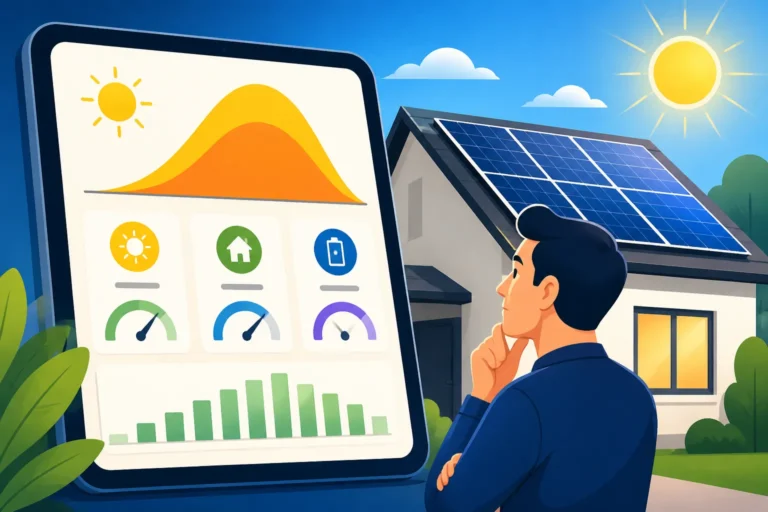
With PTO in hand, your solar journey truly begins. Your installer will show you how to power up your system for the first time. Many modern solar systems come with sophisticated monitoring apps or dashboards (from brands like Enphase, SolarEdge, or Tesla Powerwall systems) that allow you to track your real-time electricity production, consumption, and even how much energy you're sending back to the grid. This is an incredibly satisfying part of the process, watching your energy meter slow down, stop, or even run backward (digitally, of course!).
Over the coming months and years, you'll see the direct impact on your electricity bills. Your monthly savings will depend on your usage, the size of your system, and the specific net metering policies in place. Remember, even though the Solar Tax Credit 2026: What Happened to the Federal Credit has changed over the years, there are still federal solar incentives that can significantly reduce your upfront costs. Don't forget to also explore if there are any State Solar Incentives: Complete 2026 Guide specific to North Carolina that you might qualify for, such as potential utility solar rebates or property tax exemptions for solar. Your installer, or a service like Modernize, can often provide estimates on your long-term savings and return on investment, helping you truly understand the financial benefits of going solar.
Disclaimer
The information provided in this guide is intended for general informational purposes only and does not constitute professional advice. Solar permitting requirements, incentives, and regulations can vary significantly by location and change frequently. Always consult with a qualified solar installer, local building department, and utility provider for the most accurate and up-to-date information pertaining to your specific project and location in North Carolina.