Solar Permit Process in Arizona
Getting solar panels installed on your home in Arizona can feel like an exciting step towards energy independence, but let's be honest, the idea of navigating local bureaucracy and endless paperwork often zaps some of that excitement. Permitting is a crucial, non-negotiable part of the process, and understanding it can save you a ton of headaches, delays, and even unexpected costs. This guide is here to demystify the solar permit process in Arizona, walking you through each stage so you know exactly what to expect.
Understanding Arizona's Solar Permitting Landscape
When you decide to go solar in the Grand Canyon State, you're not just buying panels; you're also embarking on a journey through local and sometimes state-level regulations. It might seem like just another hoop to jump through, but these permits are really there to ensure your system is safe, meets electrical codes, and protects your home and community. Without proper permits, you could face fines, require costly reworks, or even be forced to remove your system entirely, which is nobody's idea of a good time.
Why Permits are Essential for Solar in Arizona
It's natural to wonder why so much paperwork is involved for something that ultimately benefits the environment and your wallet. The truth is, installing a solar photovoltaic (PV) system involves significant electrical work and structural considerations for your roof. Local building departments want to verify that the installation adheres to the latest electrical and building codes, ensuring everything from the wiring to the mounting hardware is safe and up to standard. This protects you, your family, your neighbors, and even first responders who might need to access your home. Imagine the fire hazard if electrical work isn't done correctly, or the structural damage if your roof can't properly support the weight of the panels during a strong monsoon storm. These permits are your assurance that these critical safety checks have been performed.
Beyond safety, permits also ensure compliance with zoning laws and aesthetic guidelines, which can be particularly relevant in historic districts or homeowners' associations. They act as a formal record that your solar installation is legitimate and has undergone necessary scrutiny. Skipping this step, or allowing an installer to do so, is a massive red flag and can create legal and insurance nightmares down the road. If you ever decide to sell your home, an unpermitted solar system can significantly complicate the sale, often requiring you to retroactively obtain permits or even dismantle the system. It's truly not worth the risk, no matter how tempting it might seem to cut corners.
Key Regulatory Bodies and Local Jurisdictions
Arizona doesn't have a single, unified statewide solar permitting process. Instead, it’s primarily handled at the local municipal level. This means the specific forms, fees, and timelines can vary significantly depending on whether you live in Phoenix, Tucson, Mesa, Chandler, Scottsdale, or a smaller town like Flagstaff or Prescott. Each city or county building department sets its own requirements, which can be a real source of frustration for homeowners and installers alike.
For instance, the City of Phoenix Development Services Department has its own set of guidelines and an online portal for applications, while the City of Tucson Planning and Development Services Department might have different specific requirements for everything from structural plans to fire setbacks. This patchwork approach is why finding an installer with extensive local experience is so critical. They should be well-versed in the unique nuances of your specific jurisdiction. This is where platforms like Modernize can be incredibly helpful; they often connect homeowners with installers who have a proven track record in their local area, making the entire process much smoother. The Arizona Registrar of Contractors also plays a role, ensuring that licensed contractors are performing the work, which adds another layer of consumer protection.
The Step-by-Step Arizona Solar Permit Process
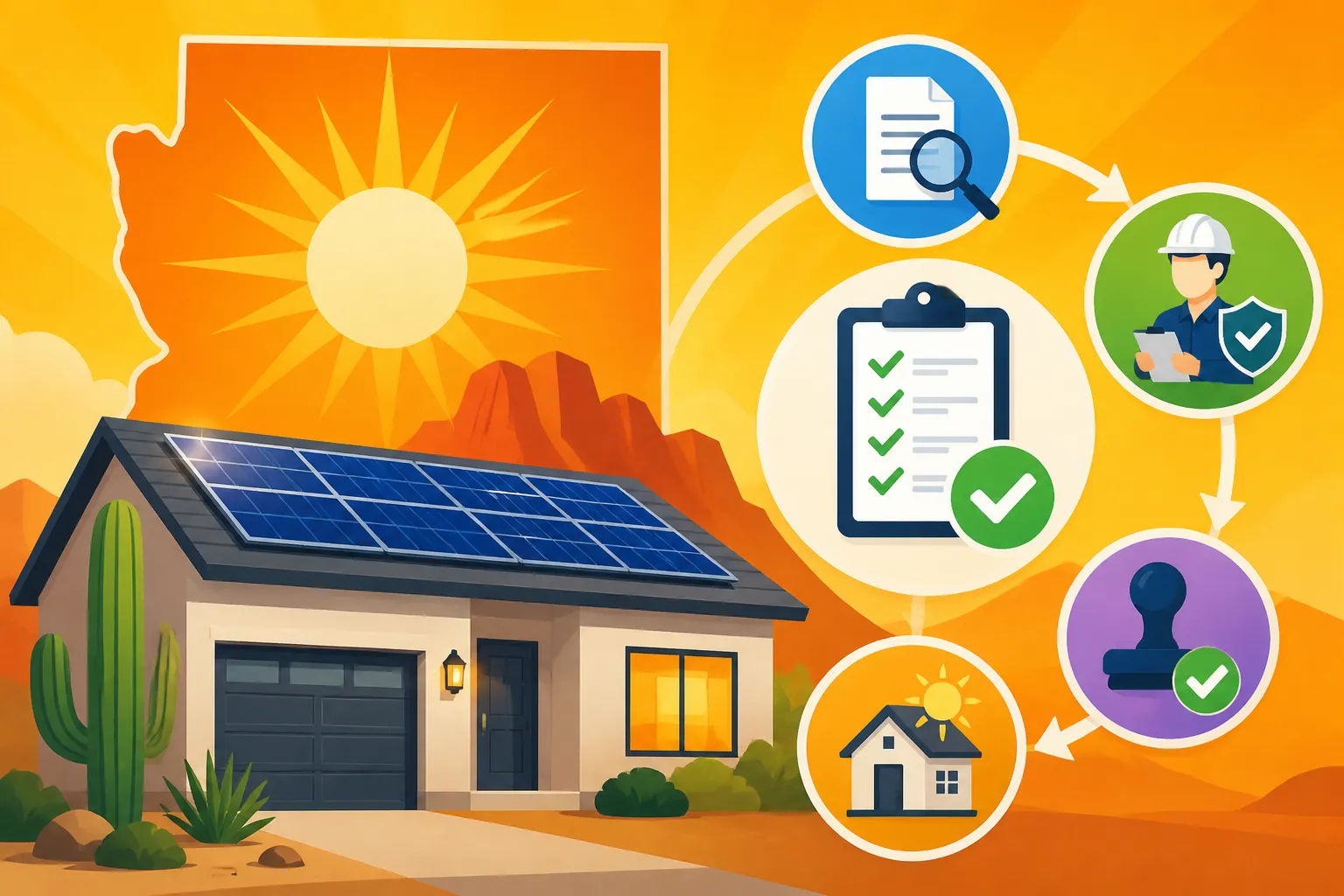
Navigating the solar permit process might sound daunting, but when you break it down, it's a series of logical steps designed to ensure a safe and compliant installation. Most of the heavy lifting, especially the technical documentation and submission, is typically handled by your chosen solar installer. However, understanding each stage will empower you to follow along and ask the right questions.
Initial System Design and Application Preparation
Before a single panel is ordered or installed, your solar journey begins with a detailed system design. Your installer will conduct a comprehensive site survey, assessing your roof's condition, orientation, shading, and structural integrity. This involves taking measurements, inspecting your electrical panel, and calculating your energy needs. Based on this, they'll design a system that maximizes energy production while adhering to local building codes. This design typically includes:
- Engineering Drawings: Detailed plans showing panel layout, wiring diagrams, inverter locations, and structural mounting details.
- Electrical Schematics: Diagrams illustrating how the system integrates with your home's existing electrical system and connects to the utility grid.
- Structural Analysis: Often, an engineer's stamp is required to certify that your roof can safely bear the additional weight of the panels, especially for older homes.
- Permit Application Forms: Your installer will fill out the necessary application forms specific to your city or county. These forms will ask for details about the project, the contractor, and the property.
This initial preparation phase is critical because any errors or omissions in these documents can lead to significant delays later on. Reputable installers, like those you might find through resources such as Modernize, dedicate substantial resources to this stage, as they know a well-prepared application is the fastest path to approval.
Submitting Your Permit Application to Local Authorities
Once all the technical documentation is complete and the application forms are filled out, your installer will typically submit the entire package to your local building department. Depending on your municipality, this could be an online submission via a city portal, or it might require a physical visit to the planning department. For example, the City of Phoenix has an electronic plan review system, while some smaller towns might still prefer hard copies.
At this stage, you'll also typically encounter permit fees. These fees vary widely by jurisdiction and are usually calculated based on the system size (kW) or the total project value. It's important that your installer clearly outlines these fees in your contract so there are no surprises. They should also manage the communication with the permit office, answering any questions or providing additional information requested by the plan checkers. This can be a back-and-forth process, so patience is key. The permit office reviews the plans to ensure compliance with local zoning ordinances, building codes (like the International Residential Code or International Building Code), and electrical codes (like the National Electrical Code, or NEC). You can learn more about the broader process by reading about the Solar Installation Timeline: What to Expect to understand how this step fits into the bigger picture.
Navigating the Review and Approval Stages
After submission, your application enters the review stage. City or county plan checkers, including structural engineers and electrical inspectors, meticulously examine your submitted documents. They're looking for everything from proper wiring gauges and overcurrent protection to adequate roof setbacks for fire safety and compliance with aesthetic guidelines. This review process can take anywhere from a few days to several weeks, or even months, depending on the complexity of your project and the backlog at the specific municipal department.
If issues are found, the application will be returned with comments or requests for revisions. This is known as an "RFI" (Request For Information) or "redlines." Your installer will then need to address these comments, revise the plans, and resubmit them. This back-and-forth can be frustrating, but it's a normal part of the process, especially with the diverse requirements across Arizona. For example, some jurisdictions might have stricter requirements for ground-mounted systems versus rooftop installations. It's also worth noting that changes to energy codes, like new versions of the NEC, can sometimes necessitate updates to previously approved designs if the review process is lengthy. Your installer should be proactive in managing these communications and promptly making any necessary revisions to keep the process moving forward.
Common Challenges and Tips for a Smooth Process
Navigating the permitting process can feel like a labyrinth, especially given the varying rules across Arizona. Being aware of potential pitfalls and knowing how to circumvent them can make a world of difference in your solar journey.
Dealing with Different Local Requirements
One of the biggest hurdles homeowners and installers face in Arizona is the sheer diversity of local requirements. What flies in Mesa might be a no-go in Peoria. For example, some cities like Scottsdale might have stricter aesthetic guidelines or require a more detailed visual impact assessment, especially if your home is in an HOA or historic district. Other areas, particularly in rural counties, might have simpler, less stringent requirements. This inconsistency means that a "one-size-fits-all" approach to permitting just doesn't work.
Your installer needs to have strong local expertise. They should have a dedicated permitting team that understands the specific quirks of each jurisdiction. If you're comparing quotes, don't hesitate to ask prospective installers about their experience with permitting in your specific city or county. They should be able to rattle off examples of projects they've done in your area and mention any unique challenges they've faced. This is where a service like Modernize can help, as they can often connect you with installers who are highly familiar with the regulations in your specific zip code, minimizing surprises and ensuring compliance with local mandates, like those covered in a guide on How to Get Solar Permits.
Avoiding Delays and Rejections
Permit delays are a homeowner's worst nightmare, often pushing back installation timelines and delaying your energy savings. The most common reasons for delays and rejections stem from incomplete or inaccurate application documents. This could mean missing a signature, an outdated code reference, or insufficient detail in the engineering drawings. Another common issue is failing to meet specific local requirements, such as minimum setbacks from the edge of the roof for fire access, or particular structural calculations.
To minimize these issues, ensure your chosen installer is meticulous in their documentation. They should have a robust quality control process for preparing permit applications. Don't be afraid to ask about their average permit approval times in your area. Additionally, if you have a homeowners' association (HOA), clarify their rules for solar installation early in the process. Many HOAs have specific aesthetic guidelines or approval processes that must be followed before you even apply for a municipal permit. Your installer should ideally assist you with navigating HOA approvals as well. Being proactive and thorough on the front end will save you headaches and delays later on, helping you understand the full Solar Installation Timeline: What to Expect.
The Importance of Working with Experienced Installers
Given the complexities of solar permitting in Arizona, the choice of your solar installer is paramount. An experienced, reputable installer isn't just someone who can physically put panels on your roof; they are also experts in navigating the bureaucratic maze. They understand the intricacies of local codes, have established relationships with permitting offices, and know exactly what each city's plan reviewers are looking for. They can anticipate potential issues and prepare applications that are complete and compliant from the outset.
A good installer will handle every aspect of the permitting process for you, from preparing the detailed designs and submitting the application to responding to any inquiries from the city. They should be transparent about the timeline expectations and keep you informed every step of the way. If an installer seems vague about permits or tries to downplay their importance, consider it a significant red flag. You'll want an installer who is upfront about the Solar Permit & Interconnection (PTO) Explained process, as this sets the stage for a successful project. Asking the right questions, like those detailed in "What Questions to Ask a Solar Installer", can help you identify a truly capable partner.
Here’s a look at some general permitting aspects in a few major Arizona cities:
| City/County | Typical Review Time (Residential) | Key Permitting Department | Common Specifics/Considerations |
|---|---|---|---|
| Phoenix | 2-4 weeks | Development Services Department | Electronic plan review system; specific fire access pathways; structural review. |
| Tucson | 3-6 weeks | Planning and Development Services | Emphasis on desert landscape preservation; potential for historic preservation review. |
| Mesa | 2-3 weeks | Planning and Development Department | Streamlined process for residential; detailed electrical diagrams often requested. |
| Chandler | 2-3 weeks | Planning and Development Services | Focus on system aesthetics; clear documentation for electrical components. |
| Scottsdale | 3-5 weeks | Planning and Development Services | Stricter aesthetic guidelines, particularly in older areas; HOA compliance crucial. |
| Maricopa County | 2-5 weeks | Planning and Development Department | Applies to unincorporated areas; can vary widely based on specific location within the county. |
Note: These are average estimates and actual times can vary based on project complexity, completeness of submission, and departmental workload.
Post-Installation Inspections and Permission to Operate
Getting your permit approved is a huge milestone, but the process isn't over once the panels are on your roof. There are still a couple of critical steps before you can flip the switch and start generating your own clean energy.
Scheduling and Passing the Final Inspection
Once your solar system is fully installed, but before it's energized, your local building department will conduct a final inspection. This is typically scheduled by your installer. A city or county inspector will visit your home to verify that the installation matches the approved permit plans and complies with all applicable building and electrical codes. They'll be checking various components, including:
- Structural integrity: Ensuring the mounting system is secure and the roof can support the load.
- Electrical wiring: Verifying all wiring, conduit, grounding, and connections meet NEC standards.
- Inverter installation: Checking proper placement, ventilation, and labeling.
- Safety features: Confirming rapid shutdown capabilities, emergency disconnects, and proper signage.
- Fire setbacks: Making sure there's adequate clear space around the panels for firefighter access.
If the inspector finds any discrepancies or issues, they will provide a list of items that need to be corrected. Your installer will then need to address these "redlines" and reschedule a follow-up inspection. Passing this final inspection is absolutely essential because it's the official verification that your system is safe and properly installed. This step is also a major part of the overall Solar Inspection & Permission to Operate (PTO) process.
Understanding Permission to Operate (PTO)
Even after passing the final municipal inspection, you can't just turn on your solar system. The last crucial step is obtaining Permission to Operate, or PTO, from your utility company. This is the official green light that allows your solar panels to connect to the local electrical grid and begin producing electricity. Without PTO, connecting your system could be a violation of utility regulations and potentially dangerous.
The utility's process usually involves its own review of your system's design and a final meter swap or activation. They'll want to ensure that your system won't negatively impact the grid and that the new net meter (if applicable) is installed correctly to measure both the electricity you use from the grid and the excess electricity your panels send back. The time it takes to get PTO can vary significantly by utility. For instance, Arizona Public Service (APS) and Tucson Electric Power (TEP) both have specific processes and timelines for PTO, which can range from a few days to several weeks after the final inspection. Your installer will submit the necessary documentation to the utility on your behalf. Until you receive that official PTO letter, your system will remain de-energized. You can dive deeper into this specific stage by reading about What Is Permission to Operate (PTO)?. Only once PTO is granted can you start enjoying the full benefits of your solar investment and begin saving on your electricity bills.
Disclaimer
Please remember that the information provided in this guide is for general informational purposes only and does not constitute professional advice. Solar permitting regulations, incentives, and utility policies can change frequently and vary significantly by location. Always consult with a qualified solar professional and your local authorities for the most accurate and up-to-date information specific to your situation.