Solar Panel Installation on Different Roof Types
Embarking on a solar journey is incredibly exciting, offering the promise of energy independence and lower utility bills. However, a common frustration for many homeowners is understanding how exactly those panels will attach to their specific roof, especially if it's not a standard asphalt shingle. You might be wondering if your beautiful tile roof will be damaged, or if your metal roof even supports solar. This comprehensive guide will demystify the solar installation process across various roof types, helping you understand the unique considerations and solutions for your home.
Understanding Your Roof's Suitability for Solar Panels
Before any solar panel sees the light of day on your home, a thorough assessment of your roof is absolutely essential. It's not just about sunshine; it's about the very foundation holding those panels. Many homeowners jump straight to "how many panels do I need?" without first considering if their roof is even ready for such a significant addition. This initial evaluation sets the stage for a smooth, safe, and effective solar installation.
Evaluating Your Roof's Age, Pitch, and Orientation
First things first, let's talk about the basics: your roof's age, its slope (or pitch), and the direction it faces. A roof nearing the end of its lifespan, say 10-15 years old, might not be the best candidate for solar panels without a prior replacement. Imagine installing a system designed to last 25+ years on a roof that needs replacing in five; you'd have to remove the panels, replace the roof, and then reinstall them, incurring significant extra costs. Many installers will recommend getting a new roof if yours is too old, saving you a headache down the line. It's often more cost-effective to combine a new roof and solar installation project.
Beyond age, the pitch of your roof plays a crucial role. A gently sloped roof often provides an ideal angle for solar panels to capture sunlight efficiently. In most of the Northern Hemisphere, a south-facing roof is generally considered optimal for maximum sun exposure throughout the day. However, don't despair if your roof faces east or west! Modern solar technology and clever design can still make solar a fantastic investment, often with only a slight adjustment in system size to compensate. North-facing roofs are typically less ideal for solar due to insufficient sun exposure, though exceptions can exist in specific scenarios or with advanced panel types. Thinking about these factors early can help you understand How Many Solar Panels Do I Need for My Home? and the potential output.
Assessing Structural Strength and Weight Bearing Capacity
It’s easy to forget that solar panels, along with their mounting hardware, add significant weight to your roof. While a single solar panel might not seem heavy on its own, a full array can be quite substantial. Most modern roofs are built to withstand considerable loads, including snow and wind, but it’s always wise to confirm. A qualified solar installer will conduct a detailed structural analysis of your roof during the site visit. This often involves inspecting your attic to check the condition of your rafters and joists.
If your roof is older, or if there are any signs of existing structural issues like sagging or water damage, the installer might recommend repairs or reinforcements before proceeding. This isn't meant to deter you but to ensure safety and longevity. It’s also about protecting your investment and your home. You definitely want to make sure your roof can handle the load, especially if you live in areas prone to heavy snowfall. A reputable company found through a platform like Modernize will ensure this critical step is not overlooked, providing peace of mind that your home can safely support your new solar array. Checking if Can My Roof Hold Solar Panels? is a primary concern.
Solar on Common Residential Roof Materials: Asphalt Shingles and Tiles
The majority of homes in the U.S. feature either asphalt shingles or some form of tile roofing. While these are common, each presents its own set of considerations for solar panel installation, ensuring both the integrity of your roof and the efficiency of your solar system.
Installing Solar on Asphalt Shingle Roofs
Asphalt shingle roofs are, by far, the most common type of roof for solar installations. Their relative ease of installation and widespread use make them a go-to for solar companies. The process generally involves flashing and lag bolts. Installers will typically lift the shingles, drill pilot holes into the rafters, secure the mounting brackets with lag bolts, and then install flashing to create a watertight seal. The flashing is critical, as it diverts water around the penetrations, preventing leaks.
One concern homeowners often raise is about roof leaks. With proper installation techniques and high-quality flashing, solar installations on asphalt shingles are incredibly secure and watertight. Reputable installers take meticulous care in sealing every penetration. Another common question revolves around roof warranties. Many shingle manufacturers will honor their warranties even with solar panels installed, provided the installation is performed by a certified professional following industry best practices. Always confirm this with your shingle manufacturer and your chosen solar installer. Understanding How Are Solar Panels Attached to a Roof? on shingles is less complex than other materials.
Specialized Considerations for Tile Roofs
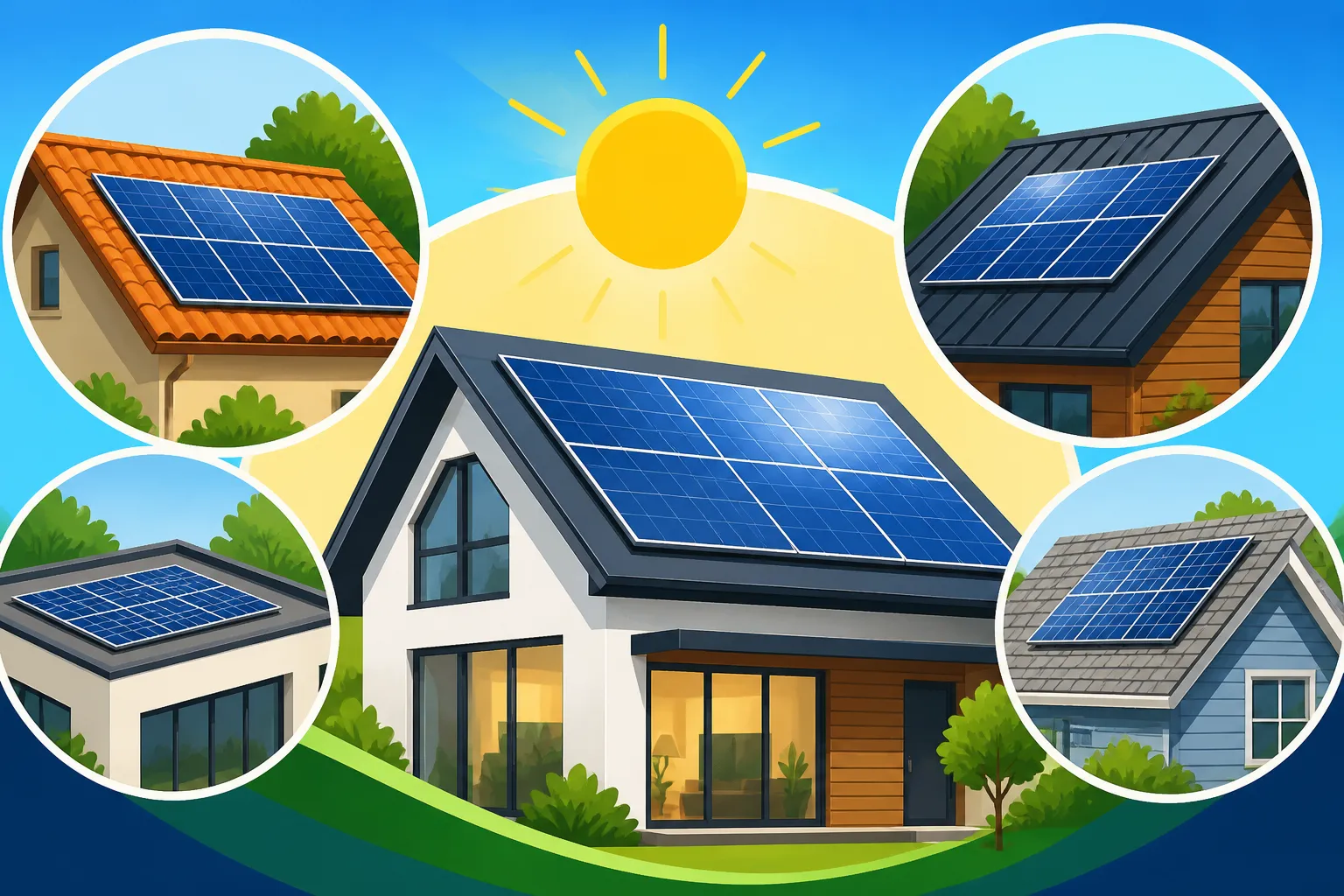
Tile roofs, whether concrete, clay, or ceramic, offer a beautiful aesthetic and excellent durability, but they require a more delicate approach for solar installation. The main challenge is that tiles are brittle and can easily break if stepped on or improperly handled. Installers cannot simply drill through tiles; instead, specialized mounting hardware is used. This often involves removing individual tiles, securing a flashing and mounting bracket directly to the roof deck or rafters, and then carefully cutting and replacing the tile around the bracket, or using specialized tile mounts that blend in.
Because of this intricate process, installing solar on a tile roof can take longer and may incur higher labor costs than on an asphalt shingle roof. It's absolutely crucial to work with an installer who has extensive experience with tile roofs. They should have a clear plan for tile removal, cutting, and reinstallation, ensuring no damage to the existing roof system and maintaining its watertight integrity. Always ask your potential installer for references from customers with similar tile roofs. This is where an experienced team from a company like Modernize can truly shine, providing confidence in their specialized expertise. If you're wondering Do Solar Panels Cause Roof Leaks?, especially with tile, selecting the right installer is paramount.
Harnessing Solar Energy on Metal Roofs
Metal roofs are increasingly popular for their longevity, durability, and often, their sleek appearance. They also present unique advantages and specific methods for solar panel installation, differing significantly from shingle or tile applications.
Navigating Standing Seam and Corrugated Metal Installations
Metal roofs come in various forms, but two of the most common are standing seam and corrugated. Standing seam metal roofs feature raised, interlocking seams that run vertically up the roof. These are often considered one of the best roof types for solar because they typically allow for non-penetrating mounting systems. Clamps can directly attach to the standing seams, avoiding any drilling into the roof surface. This preserves the roof's integrity, often maintaining its original warranty, and simplifies the installation process. It's a fantastic option if you prioritize a leak-free installation and want to maximize your roof's lifespan.
Corrugated metal roofs, on the other hand, have a wavy or ribbed profile. For these roofs, installation typically involves a "fastened" or "penetrating" system, similar to asphalt shingles but with specific metal roof hardware. Sealants and specialized fasteners are used to ensure a watertight connection at each penetration point. The key here is using high-quality EPDM washers and sealants designed for metal roofing to prevent rust and leaks over time. Regardless of the type, metal roofs generally reflect more sunlight and shed snow more easily than other materials, making them excellent surfaces for solar panel performance.
Mounting Techniques for Durability and Aesthetics
The mounting technique used on a metal roof is crucial not just for durability but also for the aesthetic appeal of your solar system. For standing seam roofs, the clamps are designed to discreetly grip the seams, creating a low-profile installation that often looks very clean. These systems are robust and designed to withstand high winds and heavy snow loads, transferring the weight efficiently to the roof's structure.
For corrugated and other flat-panel metal roofs, the mounting hardware is usually designed to sit slightly above the corrugated ridges, allowing for proper airflow and drainage. Installers will carefully align the panels and mounting rails to ensure an even, professional look. The choice of mounting hardware often depends on the specific brand of metal roofing and the solar panel system. Reputable solar companies will select components that are compatible with your specific metal roof, ensuring a durable and aesthetically pleasing result. This meticulous approach helps safeguard your investment and ensures that Solar Installation Timeline: What to Expect is followed without unnecessary delays due to incompatible parts.
Designing Solar Systems for Flat Roofs
Flat roofs are common on commercial buildings and some modern residential homes, especially in urban areas. While they might seem straightforward for solar installation due to their lack of pitch, they present their own set of unique challenges and specialized solutions.
Ballasted Systems for Minimal Penetration
For many flat roof solar installations, ballasted systems are the preferred method. The beauty of a ballasted system is that it minimizes or, in some cases, completely eliminates penetrations into the roof membrane. Instead of drilling, the solar array is held in place by its own weight, typically using concrete blocks or other heavy materials placed within the racking system. The solar panels are mounted on adjustable frames that tilt them to an optimal angle for sun exposure, usually between 10 to 30 degrees, depending on the latitude and desired energy production throughout the year.
The primary advantage of ballasted systems is preserving the roof's waterproofing membrane. This is especially important for flat roofs, which are inherently more prone to water pooling if compromised. However, a significant consideration is the sheer weight. The roof's structural integrity must be thoroughly assessed to ensure it can support the additional ballast weight, especially in regions with heavy snow loads or high wind. Engineers will perform a detailed load analysis, a critical step that should never be skipped.
Overcoming Drainage and Shading Obstacles
Flat roofs come with their own set of challenges, particularly regarding drainage and shading. Proper drainage on a flat roof is paramount to prevent water pooling, which can lead to leaks and structural damage over time. Solar installations must be designed carefully to ensure that they don't impede the natural flow of water towards drains or scuppers. This means maintaining clear pathways for water and sometimes elevating the system strategically.
Shading can also be a more complex issue on flat roofs. Because panels are typically tilted, the rows of panels can cast shadows on subsequent rows, especially during lower sun angles in winter. Solar installers must meticulously design the layout, accounting for "inter-row shading" to maximize overall system performance. This often means spacing rows further apart or using advanced modeling software to find the optimal tilt and spacing. Additionally, existing roof features like HVAC units, parapet walls, or even neighboring buildings can create shadows, which need to be factored into the design. Working with an experienced designer who understands these nuances is key to a successful flat roof solar project. If your utility has What Is NEM 3.0 (California Net Billing)? or similar rules, maximizing production from your flat roof is even more vital.
Less Common and Challenging Roof Types for Solar
While asphalt shingles, tiles, metal, and flat roofs cover a broad spectrum of homes, there are also unique and less common roof materials that present their own specific considerations for solar installations. These often require specialized knowledge and even more careful planning.
Working with Slate and Wood Shake Roofs
Slate roofs are incredibly durable and long-lasting, often found on historic or high-end homes. They boast a lifespan that can exceed 100 years. However, slate is also very brittle and expensive to repair or replace if damaged. Installing solar on a slate roof requires highly specialized techniques to avoid cracking the tiles. Installers will typically use specialized slate hooks or clamps that slide under the slate tiles and attach to the roof decking or rafters without penetrating the slate itself. This preserves the integrity and historical character of the roof. Expect a higher labor cost for slate roof installations due to the precision and specialized skill required.
Wood shake roofs, while aesthetically charming, also pose unique challenges. They are less durable than slate and generally have a shorter lifespan, making the age of the roof a critical factor. Like tile, wood shakes can be brittle. Furthermore, fire codes sometimes dictate specific requirements for solar installations on wood shake roofs due to the material's flammability. Installers might need to use special fire-rated flashing or maintain specific clearances. Choosing an installer with documented experience in Solar Panel Installation on a Slate Roof or wood shake is non-negotiable for these delicate materials. Always ask for their specific approach and previous projects on such roofs.
Unique Demands of Green Roofs and Historic Structures
Green roofs, covered with vegetation, are fantastic for insulation, stormwater management, and aesthetics. But integrating solar panels into a green roof environment requires a sophisticated, multi-disciplinary approach. The solar system must be designed to not interfere with the plant life, irrigation, or drainage layers. Often, ballasted systems are used to avoid penetrating the waterproof membrane, and the weight of the soil and plants must be accounted for in the structural analysis alongside the solar equipment. It's about creating a harmonious ecosystem where solar panels can generate power without compromising the green roof's function.
Historic homes, irrespective of their specific roof material, present their own set of regulatory and aesthetic demands. Local historical preservation societies or commissions often have strict guidelines regarding exterior modifications, including solar panel visibility, placement, and even the type of mounting hardware. The goal is to install solar while respecting the architectural integrity and historical significance of the property. This often means working closely with local authorities, submitting detailed plans, and potentially opting for less visible panel placements or specific low-profile mounting solutions. The permitting process for Solar Permit Process in Massachusetts or other states with strong historic preservation laws can be more involved, making it crucial to work with an installer familiar with these regulations.
Essential Steps for a Successful Solar Installation on Any Roof
Regardless of your roof type, a successful solar installation hinges on careful planning, expert execution, and understanding the long-term implications. It's not just about getting panels on the roof; it's about a lasting investment in your home and energy future.
Partnering with an Experienced Solar Installer
This is arguably the most critical step. The quality of your solar installation directly correlates with the experience and reputation of your chosen installer. A good installer will conduct a thorough site assessment, taking into account all the specific characteristics of your roof type, its age, pitch, and structural integrity. They should be able to clearly explain the proposed mounting methods, the type of flashing they'll use, and how they ensure the watertight integrity of your roof. Don't be shy about asking detailed questions, like "How will you install panels on my Spanish tile roof without breaking them?" or "What kind of non-penetrating system do you use for standing seam metal roofs?"
Look for installers with certifications (like NABCEP) and a solid track record. Platforms like Modernize can help connect you with reputable local solar companies who have experience with various roof types. Ask for references and read reviews specific to installations on roofs similar to yours. A truly experienced installer will also be transparent about costs, timelines, and potential challenges. They'll also handle the complex permitting process and interconnection with your utility, making the journey much smoother for you. Knowing What Questions to Ask a Solar Installer can make a huge difference in your decision.
Understanding Warranties and Long-Term Roof Health
A solar system is a long-term investment, typically lasting 25 years or more. Therefore, understanding the warranties associated with your installation is crucial. This includes product warranties for the panels and inverters, a performance warranty guaranteeing output, and most importantly for roof health, an installation or workmanship warranty. This warranty covers the labor and installation quality, including ensuring your roof remains watertight after the penetrations. A strong workmanship warranty, often 10-25 years, provides peace of mind that if any issues like leaks arise due to the installation, the company will fix them at no cost.
Furthermore, discuss how the solar installation might impact your existing roof warranty. Some shingle manufacturers are fine with solar as long as it's installed by a certified professional. For more specialized roofs, like metal or tile, some manufacturers might require specific mounting hardware or techniques to maintain their warranty. A good installer will guide you through these details and provide documentation. Maintaining your roof's health post-installation also involves periodic checks, especially after major weather events, to ensure everything remains secure. Choosing an installer who prioritizes Roof Considerations for Solar Panels from day one will save you headaches down the line.
Here's a quick comparison of how different roof types interact with solar panel installations:
| Roof Type | Common Mounting Method | Key Considerations | Typical Installation Complexity | Cost Implications |
|---|---|---|---|---|
| Asphalt Shingle | Penetrating (lag bolts, flashing) | Age of roof, proper sealing of penetrations | Low to Moderate | Standard |
| Tile (Clay/Concrete) | Tile-specific mounts, tile removal/trimming | Brittleness of tiles, skilled labor required | Moderate to High | Higher labor cost |
| Standing Seam Metal | Non-penetrating clamps (seam attachment) | Seam profile compatibility, panel layout | Low | Standard to slightly higher |
| Corrugated Metal | Penetrating (sealants, specialized fasteners) | Watertight sealing, rust prevention | Moderate | Standard |
| Flat Roof | Ballasted (weighted racks), minimal penetration | Structural load, drainage, inter-row shading | Moderate to High | Higher for ballast/design |
| Slate | Slate hooks/clamps (non-penetrating to slate) | Brittleness, specialized skill, historical rules | High | Significantly higher |
| Wood Shake | Penetrating (specialized flashing) | Roof age, fire codes, longevity of material | High | Higher due to precautions |
Disclaimer
The information provided in this article is for general informational purposes only and does not constitute professional advice. While we strive to offer accurate and up-to-date content, solar energy solutions and local regulations are constantly evolving. Always consult with certified solar professionals and local authorities before making any decisions regarding your home solar installation. Specific costs, savings, and suitability can vary significantly based on your location, roof characteristics, energy consumption, and available incentives.