What Is a Site Survey for Solar?
Thinking about going solar can feel like a big leap, full of unknowns and even a little anxiety. One of the first major hurdles, after getting an initial quote, is the much-talked-about "site survey." For many homeowners, this term conjures up images of strangers poking around their house, and it's easy to feel a bit overwhelmed or unsure about what exactly this crucial step entails. This guide is here to demystify the solar site survey, breaking down every aspect so you know exactly what to expect, why it's so important, and how it sets the stage for your successful solar journey.
What Exactly Is a Solar Site Survey?
A solar site survey is essentially a comprehensive inspection of your home and property by a qualified solar professional. Think of it as the investigative journalism phase of your solar installation – nothing gets left to chance. This isn't just about looking at your roof; it's a deep dive into every factor that could impact the design, performance, and safety of your future solar energy system. It's the critical step that transforms a preliminary estimate into a precise, customized solar plan tailored specifically for your home's unique characteristics. Without a thorough site survey, you're essentially building a house without a blueprint, which, as we all know, rarely ends well.
The Purpose Behind the Inspection
At its heart, the site survey serves several vital purposes. First and foremost, it verifies the information gathered during the initial sales consultation, ensuring that the proposed system size and panel layout are actually feasible. Maybe you told your sales rep your roof was south-facing, but a more accurate measurement reveals it's slightly southeast. These small details make a big difference in energy production. It also identifies any potential obstacles or necessary upgrades that might not have been apparent from satellite images or your own description. This proactive approach helps prevent costly surprises down the road, ensuring a smoother installation process.
Secondly, the survey is about optimization. It’s not just about can solar go here, but where will it perform best. Technicians will evaluate factors like sun exposure, shading, and roof angles to maximize your system's energy output. They're looking for the sweet spot where your panels will soak up the most rays, giving you the best return on your investment. It also helps your installer prepare for permitting and interconnection, ensuring all the ducks are in a row before construction begins.
Who Conducts the Survey?
Typically, a solar site survey is performed by a licensed solar installer or a dedicated survey technician employed by your chosen solar company. These individuals are often electricians, structural engineers, or highly trained solar specialists with a keen eye for detail and an understanding of local building codes and utility requirements. They come equipped with specialized tools like inclinometers for measuring roof pitch, compasses for orientation, and sometimes even drones for aerial assessments of your roof and surrounding property. Their expertise is crucial in translating your solar dreams into a practical, compliant, and efficient reality. This is why choosing a reputable installer from the get-go is so important; you want someone with experience and a track record of thoroughness. Platforms like Modernize can help homeowners connect with vetted solar installers who prioritize detailed site surveys.
Key Components of a Comprehensive Site Survey
A truly comprehensive site survey isn't a quick once-over. It’s a multi-faceted assessment that touches upon almost every physical aspect of your property relevant to solar. Each component plays a crucial role in designing a system that is safe, efficient, and compliant with all regulations. Understanding these parts will help you appreciate the thoroughness involved.
Electrical Assessment
This is where the rubber meets the road for your home's existing power infrastructure. The solar technician will scrutinize your main service panel (also known as your breaker box), evaluating its current capacity and condition. They're looking to determine if your panel can safely handle the additional load and interconnection of a new solar system. Sometimes, older homes or homes with heavy electrical usage might require a main panel upgrade (MPU) to accommodate the solar system. This could involve upgrading your existing 100-amp panel to a 200-amp panel, for example.
The technician will also identify the optimal location for your solar inverter(s) and any associated electrical conduits, ensuring they can be installed efficiently and aesthetically pleasingly, while also meeting code requirements for things like shade and ventilation. They'll assess existing grounding systems and confirm everything aligns with National Electrical Code (NEC) standards, which are paramount for safety. This electrical deep dive ensures that when your solar system comes online, it integrates seamlessly and safely with your home's power.
Structural and Roof Assessment
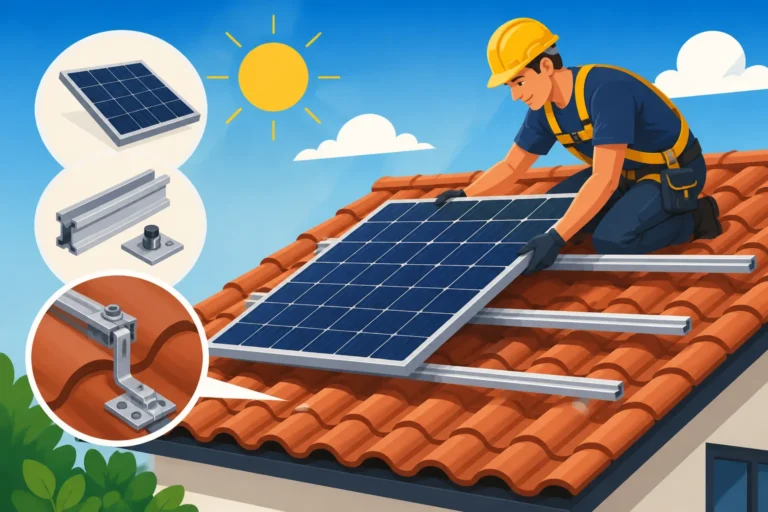
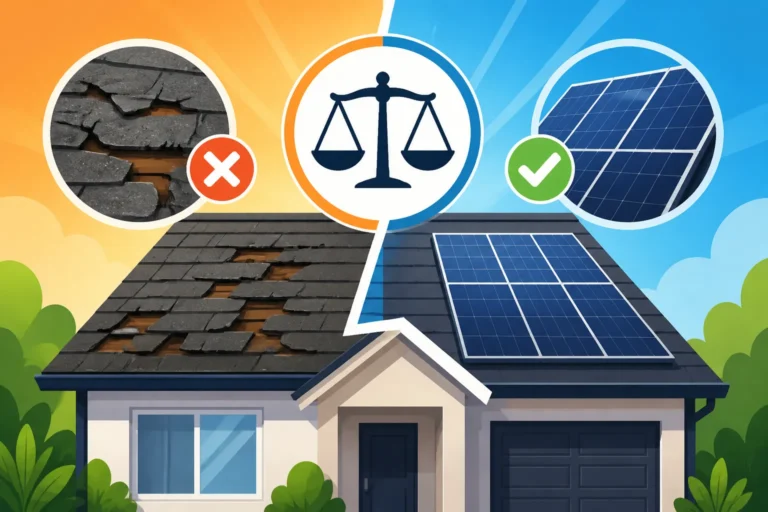
Your roof is the foundation for your solar array, so its health and characteristics are paramount. The site survey includes a meticulous inspection of your roof's condition, type, age, and pitch. Is it an asphalt shingle roof, a tile roof, or a metal standing seam roof? Each material requires a specific mounting method. The technician will check for any signs of wear, damage, or soft spots that could compromise the integrity of the installation. If your roof is nearing the end of its lifespan, say 10-15 years old, they might recommend a roof replacement before solar installation, as it's far more cost-effective to do it then than to remove and re-install panels later. This is often a point of frustration for homeowners who hadn't anticipated the extra cost, but it's a necessary step to ensure long-term durability.
Beyond the surface, they'll delve into the structural integrity of your attic or crawl space, assessing rafters, trusses, and sheathing to ensure your roof can safely bear the added weight of the solar panels and mounting hardware. They'll take measurements to confirm the dimensions and layout, identifying optimal panel placement, and noting any obstructions like chimneys, skylights, or vents that need to be worked around. Understanding your roof's unique attributes is critical for a safe and durable solar installation. You can learn more about specific considerations in our article on Roof Considerations for Solar Panels.
Shading Analysis
Shading is the enemy of solar production, so a detailed shading analysis is a crucial part of the site survey. The technician will use specialized tools, sometimes even sophisticated solar pathfinder devices or drone-based software, to map out any potential shading impacts throughout the year. This includes shadows cast by nearby trees, other buildings, chimneys, or even utility poles. They'll consider the sun's path during different seasons, as a tree that provides no shade in winter might block significant sunlight in the summer when its leaves are full.
The goal here is to identify areas of your roof that receive optimal sunlight and those that are heavily shaded. This information directly influences the final system design, dictating panel placement and potentially even the type of inverter technology used. For example, heavily shaded roofs might benefit more from microinverters or power optimizers that allow individual panels to perform independently, minimizing the impact of shade on the entire array. Ignoring shading can drastically reduce your system's efficiency and overall savings, making this a critical assessment.
Site Specific Measurements and Aesthetics
Beyond the technical aspects, the survey also collects practical measurements and notes aesthetic considerations. This includes measuring distances for conduit runs from the roof to the inverter, and from the inverter to your main electrical panel. They’ll also measure the precise square footage available for panels and note any unique architectural features or homeowner preferences. Some homeowners have very specific ideas about where they want conduits to run or where they prefer panels not to be visible from the street, for example.
The technician will also assess ground conditions if a ground-mount solar system is being considered instead of a roof-mounted one. This involves checking soil stability, grading, and potential underground utilities. The aim is to gather all the data needed to create a final system design that not only performs optimally but also looks good and fits seamlessly with your property. It’s about merging functionality with curb appeal, ensuring you're happy with the final look of your new solar array.
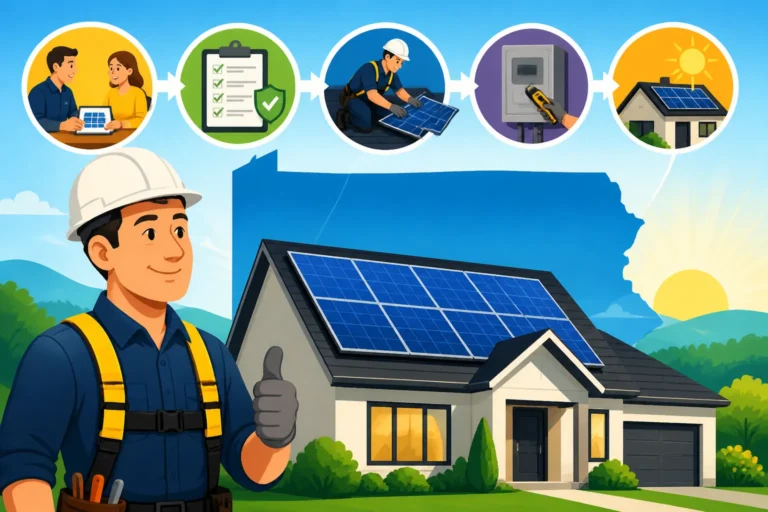
The Solar Site Survey Process: A Step-by-Step Walkthrough
Understanding the sequence of events during a solar site survey can help alleviate any pre-survey jitters. It's a structured process designed to gather all necessary data efficiently and accurately. Knowing what comes when means you can better prepare and participate effectively.
Before the Technician Arrives
Preparation on your part can make the survey go much smoother. The solar company will usually schedule a specific date and time, so make sure someone 18 or older will be home to grant access. Before the technician arrives, it’s a good idea to clear any pathways to your main electrical panel, attic access points, and if applicable, your crawl space. Move any cars or outdoor furniture that might obstruct access to your roof or areas around your home where equipment might need to be set up.
Gathering some documents can also be helpful, though not always required. This might include recent utility bills to verify your energy usage (though the solar company usually has this from your initial consultation), or any blueprints or architectural drawings of your home if you have them. Having these on hand can sometimes clarify questions the technician might have about renovations or specific structural elements. It's also a great time to jot down any specific questions or concerns you have about the installation process or panel placement, so you don't forget to ask them during the survey.
During the On-Site Visit
When the technician arrives, they'll usually start with an introduction and briefly explain their plan for the survey. Expect them to need access to both the interior and exterior of your home. They will spend significant time on your roof, meticulously measuring, inspecting, and assessing its condition, pitch, and orientation. They'll use their specialized tools to conduct the shading analysis, often taking readings at various points and times if the sun's path is complex.
Inside, they'll need access to your attic to inspect the roof's structural components and to your electrical panel area. They'll take photos of these critical areas and various angles of your roof and property. This visual documentation is vital for the design team back at the office. Don't be shy about asking questions as they work; a good technician will be happy to explain what they're doing and why. The entire process can take anywhere from 1 to 3 hours, depending on the complexity of your home and property.
After the Survey: What Happens Next
Once the technician has completed their on-site work and departed, their collected data, measurements, and photos are sent back to the solar design team. This team then takes all that raw information and uses it to craft your final, precise solar system design. This design will include the exact number and type of panels, their specific placement on your roof, the inverter setup, and the proposed conduit runs. They'll calculate your estimated annual energy production based on the shading analysis and your home's unique characteristics.
The design team will also finalize any necessary electrical upgrades, like a main panel upgrade, and confirm that the system meets all local building codes and utility interconnection requirements. This detailed plan is then presented to you, often alongside a final, updated quote that reflects the precise findings of the survey. This is your chance to review everything, ask further questions, and give your final approval before the permitting and installation phases begin. This comprehensive approach helps ensure a smooth transition to your solar-powered future.
Why a Thorough Site Survey Is Absolutely Critical
It might seem like an extra step, but skipping or rushing a site survey is a recipe for disaster in the solar installation process. This is the stage where potential problems are identified and solutions are engineered before they become costly delays or safety hazards. A comprehensive survey is truly the backbone of a successful solar project.
Avoiding Costly Surprises and Delays
Imagine getting an initial quote, signing a contract, and then finding out halfway through installation that your electrical panel isn't up to code, or your roof needs extensive repairs. These unexpected issues can lead to significant cost overruns and frustrating delays, pushing back your activation date and impacting your anticipated savings. A thorough site survey identifies these potential roadblocks early on. If a main panel upgrade is needed, for instance, it's factored into your final proposal, allowing you to budget accordingly and preventing a halt in construction.
Similarly, if the survey reveals a section of your roof is heavily shaded, the design team can adjust the panel layout or suggest alternative inverter technologies. This prevents installing panels that will underperform, leading to dissatisfaction and wasted investment. Investing time in a detailed survey saves you money and headaches in the long run. Our article on Solar Panel Cost Per Watt Explained often highlights how these initial assessments can impact the final price.
Optimizing System Performance and Energy Production
The whole point of going solar is to produce clean, renewable energy and save money on your utility bills. A precise site survey is fundamental to maximizing your system's performance. By accurately mapping sun paths, identifying optimal roof planes, and accounting for shading, the design team can configure an array that captures the maximum amount of sunlight throughout the year. This ensures your system is generating as much electricity as possible, year after year.
Without this detailed analysis, panels might be placed in suboptimal locations, leading to lower-than-expected energy production. This directly impacts your return on investment and how quickly your system pays for itself. The difference between a well-designed system based on an accurate survey and a hastily planned one can be thousands of dollars in lost savings over the lifetime of your solar panels. It truly makes a tangible difference in your household budget.
Ensuring Safety and Regulatory Compliance
Solar installations involve working with high-voltage electricity and on rooftops, making safety paramount. A thorough electrical assessment ensures your home's wiring and main panel can safely handle the new power source and meet all relevant electrical codes. The structural assessment confirms your roof can safely support the additional weight, preventing structural damage or collapse.
Beyond immediate safety, the survey also ensures your system design will comply with all local building codes, zoning regulations, and utility interconnection requirements. These regulations can vary significantly by municipality and state. For example, some areas have specific setbacks for solar panels from roof edges, or require certain types of rapid shutdown mechanisms. Non-compliance can lead to failed inspections, rework, and further delays. A professional site survey navigates this complex regulatory landscape, guaranteeing a safe, legal, and compliant installation. This attention to detail is crucial for obtaining Permission to Operate (PTO).
What to Prepare and Ask During Your Site Survey
Your involvement in the site survey, though seemingly minimal, can be quite impactful. Being prepared and knowing what questions to ask not only helps the process but also empowers you as a homeowner to feel more confident in your solar investment.
Your Role in the Process
While the technician will do the heavy lifting, your primary role is to provide access and be available for any questions. Ensure clear pathways to your attic, electrical panel, and around the exterior of your home. If you have any concerns about specific areas of your roof, or if you've noticed any leaks or issues in the past, now is the time to point them out. Open communication with the technician can help them conduct a more thorough and accurate assessment.
You might also have aesthetic preferences. For example, if you absolutely don't want conduits running across a highly visible exterior wall, communicate that. While not all preferences can be accommodated due to technical or code requirements, expressing them early gives the design team the best chance to incorporate them into the final plan. Remember, this is your home, and your input matters.
Key Questions to Ask the Technician
Don't be afraid to ask questions! This is your opportunity to gain clarity and learn more about your upcoming solar installation. Here are some essential questions you might consider asking:
- "What is the current condition of my roof, and do you anticipate any necessary repairs before installation?" This helps manage expectations about potential additional costs.
- "Do I need a main electrical panel upgrade (MPU)? If so, what is the estimated cost and timeline for that?" MPUs can be a significant cost, so knowing this early is vital.
- "Are there any significant shading issues on my property, and how will that affect my system's design or performance?" Understanding shading impacts is key to realistic energy production estimates.
- "Where are you planning to place the inverter(s) and run the conduits?" This helps you visualize the aesthetics and confirm practical placements.
- "What are the next steps after this survey, and when can I expect the final design and proposal?" Knowing the timeline helps you anticipate the next stages.
- "What happens if you discover a major unexpected issue during the survey?" Understanding the contingency plan is always good.
Asking these questions demonstrates your engagement and helps ensure you're fully informed throughout the journey. It also gives the technician an opportunity to provide reassurance and expert insight. For guidance on selecting your installer, you might check out our post on How to Choose a Solar Installer.
Potential Challenges and How They're Addressed
Even with the most advanced tools and experienced technicians, site surveys can sometimes uncover unforeseen challenges. The key is how these challenges are identified and, more importantly, how your solar provider addresses them transparently and effectively. It’s a part of the real-world aspect of going solar.
Common Issues Discovered During a Survey
It's not uncommon for site surveys to reveal issues that weren't obvious from aerial views or casual inspection. One of the most frequent findings is an undersized or outdated electrical main service panel that needs an upgrade to safely handle the new solar system. Another common discovery is an aging roof that requires replacement or significant repairs before panels can be installed securely. Structural issues in the attic, such as insufficient rafter strength or water damage, can also be uncovered, necessitating remediation.
Sometimes, shading proves to be a more significant problem than initially estimated, perhaps due to a large, mature tree that casts a shadow over a prime roof section for several hours a day. Or, there might be unexpected local zoning restrictions, like specific historical district rules or HOA mandates, that affect panel placement or visibility. These aren't necessarily deal-breakers, but they are complications that need careful consideration and adjustment in the design.
Solutions and Adjustments in System Design
When challenges arise, a good solar company won't just throw up their hands. Instead, they'll work with you to find practical solutions. If an electrical panel upgrade is needed, they'll outline the scope of work and integrate the cost into your updated proposal. For roof issues, they might recommend working with a trusted roofing partner to perform necessary repairs or a full replacement, often coordinating the timeline with the solar installation. Our article, Do I Need a New Roof Before Solar?, offers more detailed advice on this common dilemma.
For shading problems, the design team might adjust the panel layout to avoid shaded areas, recommend higher-efficiency panels that perform better in less-than-ideal conditions, or suggest microinverters to mitigate the impact of partial shading on the entire array. If local regulations are strict, they'll design the system to comply, even if it means slightly fewer panels or a different aesthetic approach. The goal is always to deliver the most effective and compliant system possible, even when facing a few bumps in the road.
Communicating Changes to the Homeowner
Transparency is key when challenges are discovered. After the site survey, your solar provider should present a revised proposal that clearly outlines any changes to the system design, the reasons for those changes (e.g., "due to main panel capacity limitations found during the survey"), and any associated adjustments to the cost or timeline. They should explain these changes in an understandable way, providing options and answering all your questions.
A reputable company, much like those you might find through platforms like Modernize, understands that clear communication builds trust. They won't just spring new costs on you; they'll walk you through the reasoning and ensure you're comfortable with the updated plan before moving forward. This consultative approach ensures that you, the homeowner, are fully informed and empowered to make the best decisions for your solar investment, leading to a much more satisfying overall experience.
| Aspect of Survey | What the Technician Assesses | Potential Issues Identified | Impact on Your Solar Project |
|---|---|---|---|
| Electrical System | Main service panel capacity, wiring, grounding, conduit paths | Outdated panel, insufficient amperage, unsafe wiring | Main Panel Upgrade (MPU) required, re-routing conduits |
| Roof & Structure | Roof material, age, pitch, condition, structural integrity of rafters | Old roof needing replacement, weak rafters, water damage | Roof repair/replacement, structural reinforcements, panel layout adjustments |
| Shading Analysis | Trees, chimneys, other buildings casting shadows | Significant shade impacting prime roof areas | Reduced panel count, adjusted layout, microinverter recommendation |
| Property Layout | Available space, utility connections, aesthetic considerations | Limited space for panels, complex conduit runs, HOA restrictions | Modified system size, alternative mounting (e.g., ground mount) |
Disclaimer
The information provided in this article is for general informational purposes only and does not constitute professional advice. While we strive to provide accurate and up-to-date content, solar energy solutions and incentive programs are complex and subject to change. Always consult with qualified solar professionals, licensed electricians, and relevant local authorities before making any decisions regarding your home solar installation.