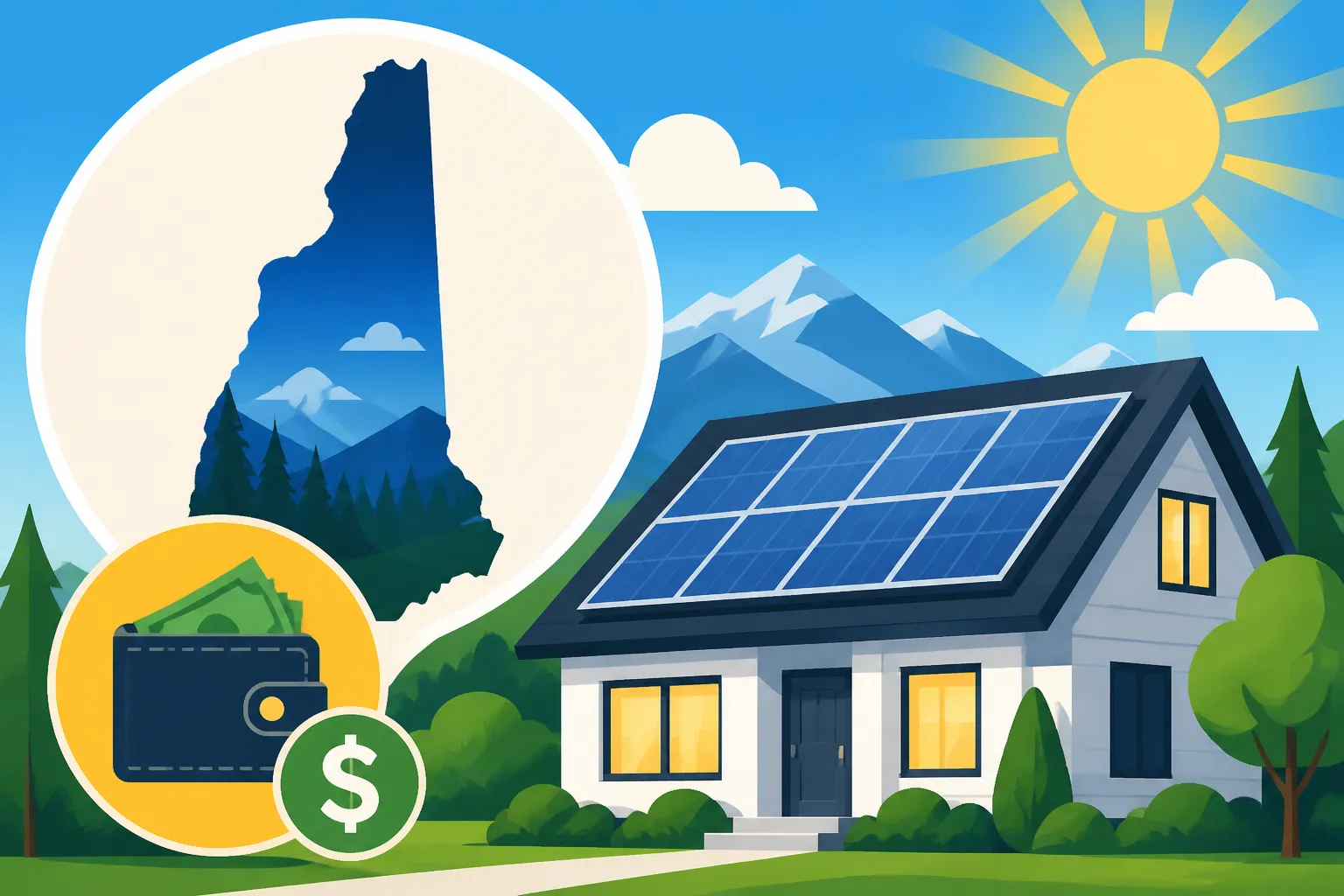
Solar Panel Cost in New Hampshire
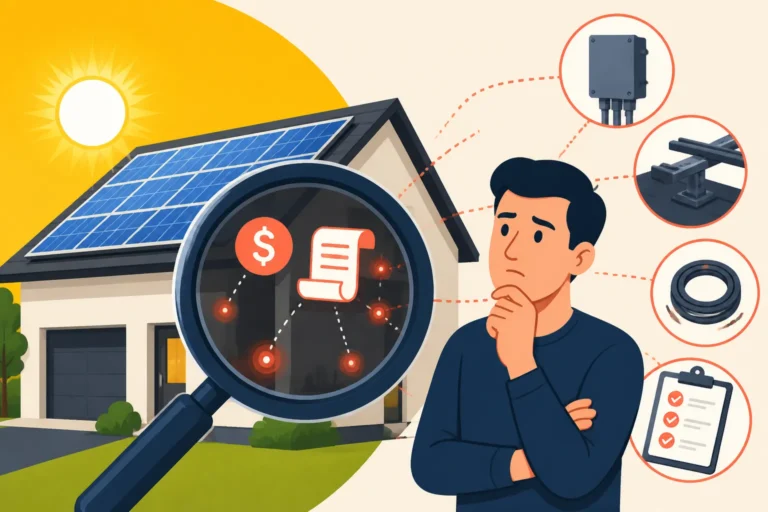
Let's be real: staring at your electricity bill in New Hampshire can feel like a punch to the gut, especially with those chilly winters and warm, humid summers pushing energy consumption through the roof. You've heard about solar panels, and the idea of generating your own power sounds fantastic, but the big question always looms: "How much does it actually cost?" This guide is here to break down the solar panel cost in New Hampshire, helping you understand the real numbers, what influences them, and how you can make going solar a financially smart move for your home in the Granite State.
Understanding Solar Panel Costs in the Granite State
Diving into solar panel costs can feel a bit like trying to navigate the White Mountains without a map—confusing and overwhelming at first glance. But once you understand the lay of the land, it becomes much clearer. In New Hampshire, like anywhere else, the total cost of a solar panel system isn't just a flat fee; it's a dynamic figure influenced by several factors unique to our beautiful state.
Average System Size and Pricing in New Hampshire
When we talk about solar panel costs, we usually refer to the price per watt. This is a standard metric used across the industry and helps you compare quotes Apples-to-Apples. For homeowners in New Hampshire, the average cost for a residential solar panel system can typically range from $2.80 to $3.50 per watt before any incentives like the federal tax credit. So, what does that mean for a typical home?
Most New Hampshire homes need a system size between 6 kW and 10 kW to offset a significant portion, if not all, of their electricity usage. To put that into perspective:
- A 6 kW system, which might be suitable for a smaller home or one with moderate energy consumption, could cost roughly $16,800 to $21,000 before incentives.
- An 8 kW system, popular for average-sized homes, might fall in the range of $22,400 to $28,000.
- For larger homes or those with higher energy demands, a 10 kW system could run anywhere from $28,000 to $35,000.
Remember, these are just averages. Your actual costs will vary based on your specific circumstances, but it gives you a solid starting point. To get a deeper dive into how different system sizes stack up, you might want to read our article on Solar Panel Cost by System Size (kW).
Why New Hampshire's Market Differs
New Hampshire presents a unique landscape for solar energy. While we don't always have the blazing sun of Arizona, our clear skies, especially in spring and fall, offer excellent solar potential. What really sets New Hampshire apart are a few key things:
- Higher Electricity Rates: Compared to the national average, New Hampshire's electricity rates are typically on the higher side. This actually makes solar a more compelling investment because your savings on utility bills will be more substantial, leading to a quicker payback period. If you're paying 20 cents per kWh, cutting that cost is a bigger win than if you were paying 10 cents.
- Net Metering Policies: New Hampshire has a robust net metering policy that allows you to send excess electricity generated by your solar panels back to the grid in exchange for credits on your bill. This is a game-changer for maximizing your solar investment, as it ensures you get value for every electron your system produces, even when you're not home to use it. Understanding Net Metering Explained: How It Works by State can give you a clearer picture of how this works.
- Local Market Competition: The solar market in New Hampshire is healthy, with a good number of installers competing for business. This competition can sometimes drive down prices or lead to better service packages. However, it also means you need to be diligent in comparing quotes and ensuring you're working with a reputable company.
Key Factors Driving Solar Installation Prices in New Hampshire
It's natural to wonder why two seemingly similar solar systems can have different price tags. The truth is, many variables go into the final cost of your solar setup. It's not just the panels themselves, but a whole ecosystem of components, services, and local conditions that determine the investment you'll make.
Equipment Choices and Quality
Just like buying a car, not all solar panels and components are created equal. You have a spectrum of options, from budget-friendly choices to premium, high-efficiency panels.
- Solar Panels: The brand, efficiency, and warranty of the solar panels you choose will significantly impact the cost. High-efficiency panels, like those from manufacturers such as Maxeon (formerly SunPower) or REC, might have a higher upfront cost but can produce more electricity in a smaller footprint, which is great for limited roof space. More standard, but still excellent, options from brands like Qcells or Jinko Solar offer a great balance of cost and performance. If you're curious about different types, check out our guide on Best Solar Panels of 2026.
- Inverters: This crucial piece of equipment converts the DC electricity from your panels into AC electricity usable by your home. You'll typically encounter string inverters, microinverters (like those from Enphase), or power optimizers (often paired with SolarEdge string inverters). Microinverters and optimizers generally cost more but offer advantages like panel-level monitoring and better performance in shaded conditions, which can be relevant if your New Hampshire roof has some tricky shade spots from trees.
- Mounting Hardware: The type of roof you have (shingle, metal, tile) and its condition will dictate the type of mounting hardware needed, influencing costs. Ground-mount systems are also an option for homes with ample land but involve different installation complexities and costs compared to roof-mounted systems.
Installation Labor and Permitting Fees
Installing solar panels is a specialized job that requires skilled labor and adherence to local regulations. These aspects contribute a significant portion to your overall cost.
- Labor Costs: New Hampshire's labor rates are a factor. Experienced solar installers ensure your system is safely and correctly installed, maximizing its efficiency and longevity. The complexity of your roof (pitch, obstructions, multiple facets) can also affect labor hours. For instance, installing on a steep, multi-faceted roof in, say, Hanover, will naturally take more time and specialized equipment than a simple, south-facing roof in Nashua.
- Permitting and Interconnection Fees: Before any work begins, your solar project needs to go through a permitting process with your local city or town and then an interconnection agreement with your utility company (like Eversource, Unitil, or Liberty Utilities). These processes involve fees and inspections to ensure your system meets safety codes and can safely connect to the grid. While necessary, they add to the administrative cost. Understanding Solar Permitting & Interconnection PTO Explained can help you prepare for this part of the journey.
Additional Costs and Upgrades
Sometimes, there are additional costs that pop up, or upgrades you might choose, which can affect the final price tag.
- Electrical Upgrades: Depending on the age of your home and your current electrical panel, you might need an upgrade to handle the new solar load. This is a fairly common occurrence, especially in older homes around New England.
- Roof Repair or Replacement: If your roof is nearing the end of its lifespan, it's highly recommended to replace it before installing solar panels. It's much more cost-effective to do it all at once rather than having to remove and reinstall panels just a few years down the line. A solar installer can often help you assess your roof's condition during the initial site visit.
- Solar Battery Storage: Many New Hampshire homeowners are considering adding a solar battery, like a Tesla Powerwall or Enphase IQ Battery. A battery provides backup power during grid outages and can help you maximize savings by storing excess solar energy for use when electricity rates are higher (if your utility offers time-of-use rates). While a fantastic addition, it does increase the upfront cost. However, the federal tax credit applies to batteries too, making them more accessible. Learn more about Solar Battery Incentives in 2026.
Maximizing Your Savings: Incentives and Smart Financing Options
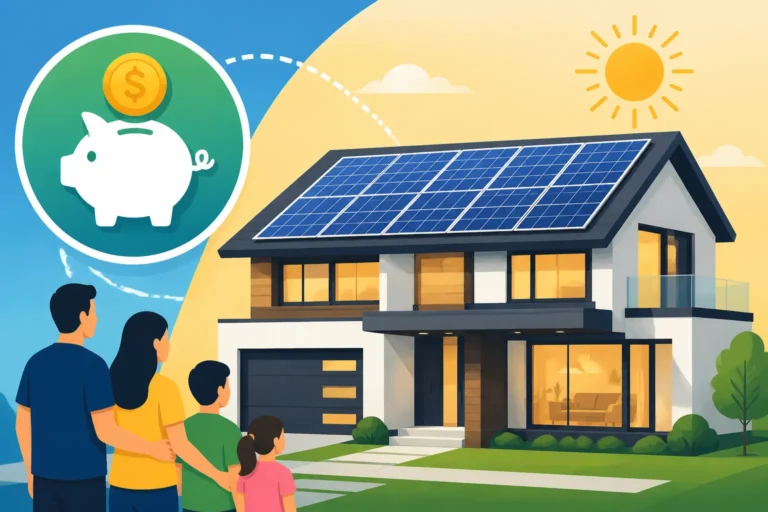
The sticker price for a solar system can seem daunting, but thankfully, there are significant incentives and smart financing options that can dramatically reduce your out-of-pocket expenses and make solar more affordable in New Hampshire. It's all about understanding what's available and how to leverage it.
Federal Solar Tax Credit
This is, without a doubt, the biggest financial incentive for going solar across the U.S., and it's alive and well for New Hampshire residents. The federal solar Investment Tax Credit (ITC) allows you to claim a percentage of your total solar installation cost as a tax credit. Currently, this credit stands at 30% for systems installed through 2032.
- How it works: If your 8 kW solar system costs $25,000, you could claim $7,500 back as a tax credit. This isn't a deduction; it's a dollar-for-dollar reduction of the income tax you owe. If you don't owe enough tax in one year to claim the full credit, you can usually carry the remaining credit forward to future tax years. This single incentive can make a huge difference in the overall return on investment for your solar system. You can explore more about Federal Solar Incentives That Still Exist in 2026 to understand its longevity and impact.
New Hampshire Specific Programs and Net Metering
While New Hampshire doesn't have a state-level solar tax credit or robust state rebate programs like some other states (like New York's NY-Sun or Massachusetts' SMART program), there are still crucial state-level policies and potential local opportunities.
- Net Metering: As mentioned earlier, net metering is key. New Hampshire's rules allow residential customers to be credited for excess solar electricity fed back into the grid, typically at a rate that provides good value. This means you effectively "bank" your excess energy for later use, dramatically reducing your electricity bills.
- Property Tax Exemption: New Hampshire generally offers a property tax exemption for the added value of a solar energy system. This is a significant benefit because while solar panels do increase your home's value, they won't increase your property taxes. This is a common concern for homeowners, so it's a relief to know your taxes won't go up just because you're generating clean energy. Learn more about Solar Property Tax Exemptions by State.
- Utility Rebates: Although less common than in some other states, it's always worth checking with your local utility provider (like Eversource, Unitil, or Liberty Utilities) for any specific, often limited-time, solar rebates or incentives they might offer. These can change, so it's a good idea to inquire directly or through your solar installer. Our article on Utility Solar Rebates: How to Find Yours might provide useful tips.
Here’s a quick overview of potential savings and incentives for a typical New Hampshire solar installation:
| Item | Description | Impact on Cost (Example: 8 kW system at $3.20/watt = $25,600) |
|---|---|---|
| System Cost | Average upfront cost before incentives | $25,600 |
| Federal ITC (30%) | Tax credit on total system cost | -$7,680 |
| Net Cost (Post-ITC) | Your out-of-pocket expense after claiming the federal credit | $17,920 |
| Net Metering | Monthly bill credits for excess energy | Ongoing savings, varies by usage |
| Property Tax Exemption | Avoids increased property taxes due to solar value | Long-term savings on property taxes |
This table is for illustrative purposes only. Actual costs and savings will vary.
Financing Your Solar Investment
The "net cost" after incentives is much more manageable, but for most, paying that upfront in cash isn't feasible. Thankfully, there are several ways to finance your solar journey:
- Solar Loans: This is one of the most popular options. You take out a loan, often specifically designed for solar, to cover the cost of your system. You then own the system outright, pay off the loan, and enjoy the electricity bill savings. The federal tax credit usually goes directly to you, which can be used to pay down a lump sum of your loan balance, effectively reducing your monthly payments or the loan term. You can explore options in our Solar Loans: Complete Guide.
- Cash Purchase: If you have the funds, buying your system outright with cash offers the best long-term return on investment. You avoid interest payments and maximize your savings from day one.
- Lease or Power Purchase Agreement (PPA): While these options offer $0 down, they mean you don't own the system. Instead, you pay a fixed monthly fee (lease) or a set price per kWh for the electricity produced (PPA). While they provide immediate savings without upfront cost, you don't get the federal tax credit (the leasing company does) and the long-term financial benefits are typically less than owning. Many homeowners find that for maximum savings and return, purchasing (cash or loan) is generally preferred. For a detailed comparison, see Solar Lease vs PPA vs Buy: Which Is Best?.
When considering financing, platforms like Modernize can connect you with multiple lenders who specialize in solar, allowing you to compare loan terms and rates easily.
Finding the Right Solar Partner in New Hampshire
Choosing a solar installer is one of the most critical steps in your journey to energy independence. It's not just about finding the lowest price; it's about finding a reliable partner who will ensure your system is designed correctly, installed professionally, and supported for years to come. In a state like New Hampshire, where quality and service truly matter, taking your time to select the right company is paramount.
What to Look for in a Solar Installer
The solar industry has grown significantly, and with that growth comes a wide range of companies. Here's what to prioritize when you're vetting potential installers for your New Hampshire home:
- Experience and Reputation: Look for companies with a solid track record of installing solar in New Hampshire specifically. They should be familiar with local permitting offices (like those in Portsmouth, Concord, or Manchester), utility interconnection processes, and the nuances of New England weather. Online reviews, testimonials, and local references are invaluable here. A company with a long history in the state likely understands the unique challenges and opportunities.
- Certifications and Licensing: Ensure the installer is properly licensed and insured in New Hampshire. North American Board of Certified Energy Practitioners (NABCEP) certification for their installers is a strong indicator of expertise and commitment to quality.
- Comprehensive Services: A good installer should handle everything from the initial consultation and system design to permitting, installation, and post-installation support. They should also be transparent about maintenance needs and warranty coverage for both the equipment and their workmanship.
- Transparent Quoting: Beware of installers who pressure you into signing on the first visit or who aren't clear about all costs involved. A detailed quote should break down equipment costs, labor, permitting fees, and any potential additional expenses. This also includes explaining how the federal tax credit will apply to your specific situation.
To help you navigate this process, we have an in-depth guide on How to Choose a Solar Installer. Platforms like Modernize can also be a great starting point for finding pre-vetted local installers and getting multiple quotes.
Getting Multiple Quotes and Comparing Offers
This step cannot be overstated. Getting at least three to five quotes from different New Hampshire solar companies is essential for ensuring you get a competitive price and a system that meets your needs.
- Tailored Design: Each installer should provide a custom system design based on your specific electricity usage, roof characteristics (size, pitch, shading), and energy goals. A good design should show you estimated annual production and projected savings.
- Equipment Consistency: When comparing quotes, pay close attention to the specific brands and models of solar panels, inverters, and batteries being offered. Some companies might quote lower prices using less efficient or lower-quality equipment. Make sure you're comparing similar quality components, or at least understand the trade-offs. Asking about the Solar Panel Efficiency & Degradation Explained can help you understand the long-term performance.
- Warranty Details: Understand the warranties offered for the panels (product and performance), inverters, and the installer's workmanship. A robust warranty package provides peace of mind for the next 20-25 years.
- Customer Service: Pay attention to how responsive and informative the sales teams are. A company that provides excellent service during the sales process is more likely to provide good service throughout the installation and beyond.
Remember, going solar is a significant investment in your home and your future. Taking the time to research, compare, and choose wisely will pay dividends for decades to come. With the federal incentives and the rising electricity costs in New Hampshire, solar continues to be a smart move for many homeowners looking to control their energy future.
Disclaimer
This article is intended for informational purposes only and does not constitute financial, tax, or legal advice. Solar costs and incentives are subject to change. Readers should consult with qualified professionals for personalized advice regarding their specific circumstances.