How to Monitor Solar Panel Performance
Solar panel performance tracking helps homeowners detect system issues early, minimize downtime, and maximize electricity bill savings.
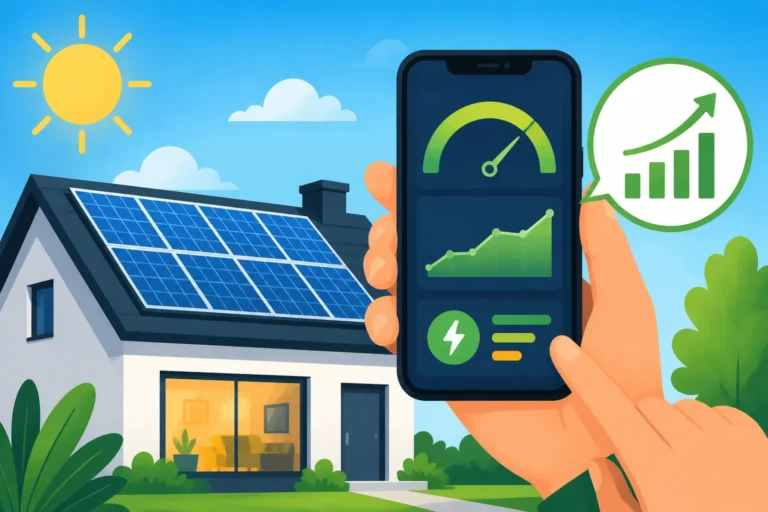
Solar panel performance tracking helps homeowners detect system issues early, minimize downtime, and maximize electricity bill savings.
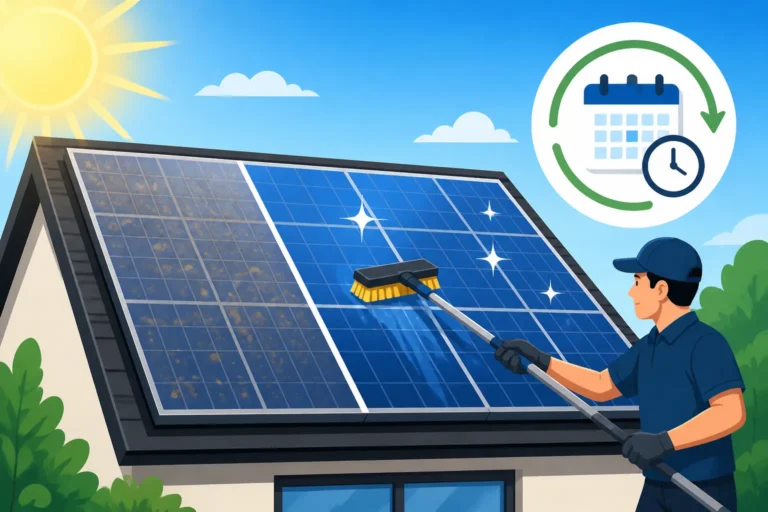
Dust, pollen, and bird droppings on solar panels reduce efficiency, causing energy production losses of ten to twenty percent.
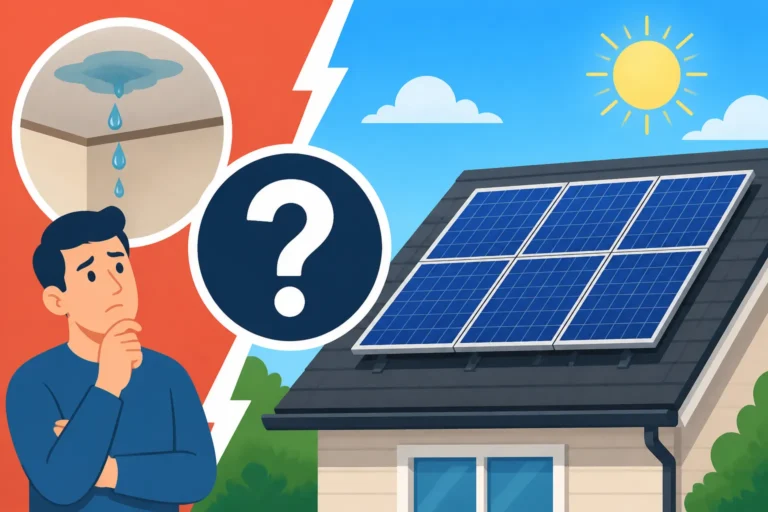
Solar panel installations use specialized flashing and weather-resistant sealants to prevent water leaks and protect roofs.
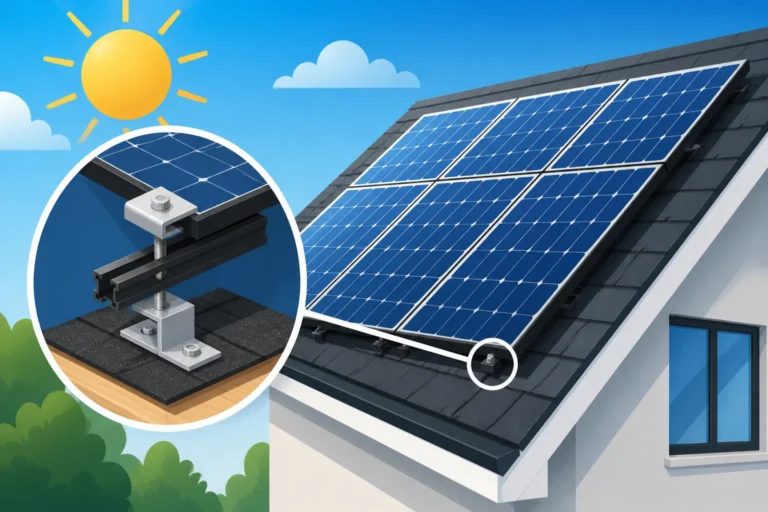
Solar panel attachment methods for asphalt, tile, and metal roofs, detailing flashing, bolts, and clamps used during installation.
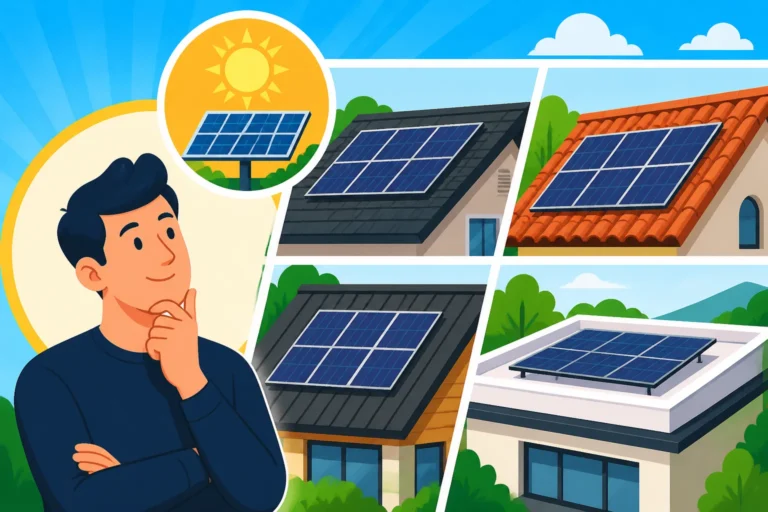
Roof orientation, pitch, and shading determine solar panel efficiency, energy savings, and installation costs for homeowners.
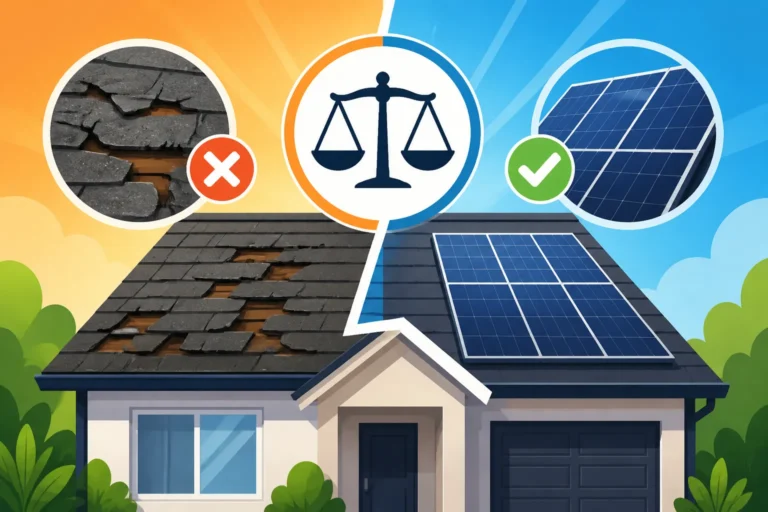
Roof age analysis prevents expensive solar panel removal by ensuring shingles have fifteen to twenty years left before installation.
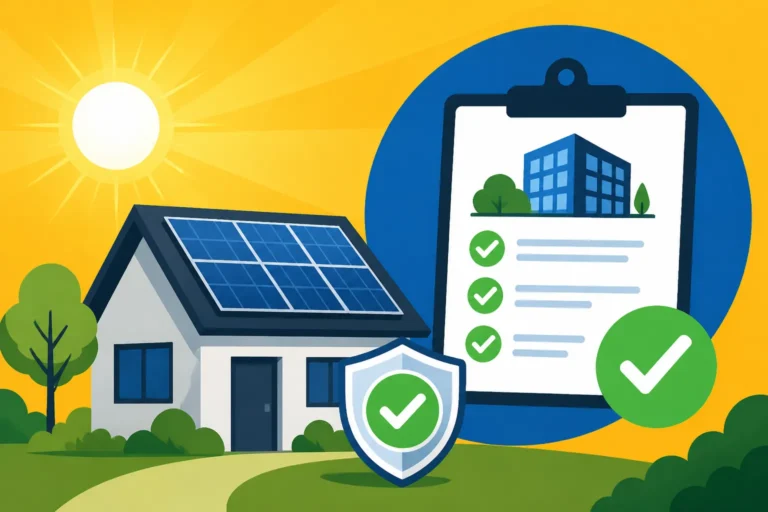
Solar permits ensure safety and compliance for home panel installations, protecting your property value and insurance coverage.
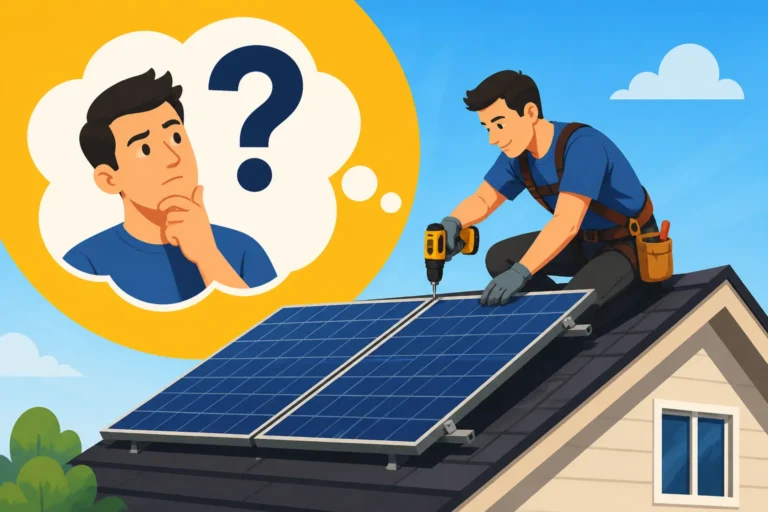
Installing solar panels yourself explains potential labor cost savings, equipment purchasing, and when to hire professionals.
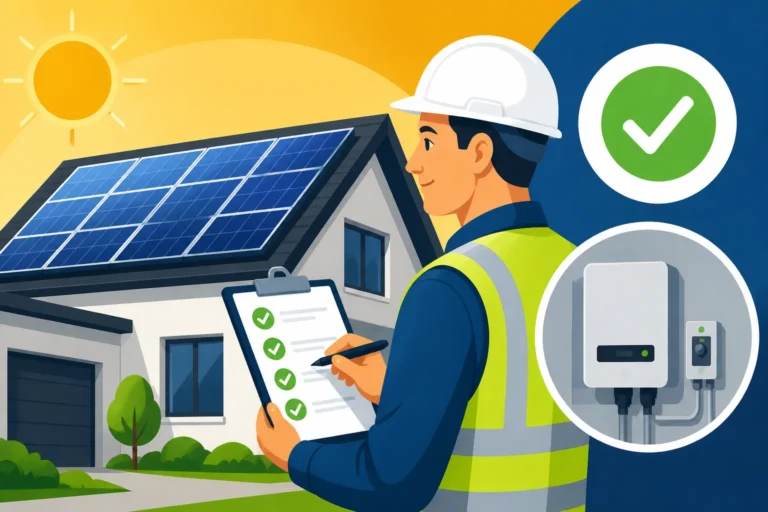
Solar inspections and Permission to Operate explain safety codes, local building rules, and utility company approvals for new panels.
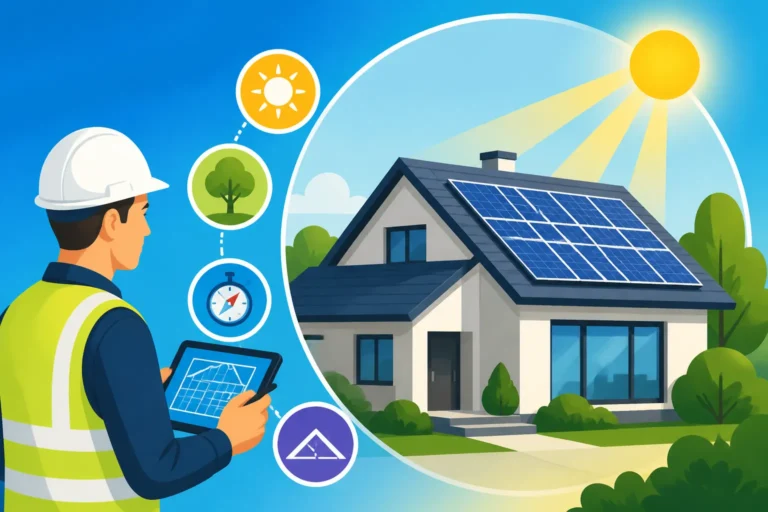
A solar site survey inspection by a professional evaluates your roof orientation, sun exposure, and electrical infrastructure.