Is Solar Worth It in Delaware?
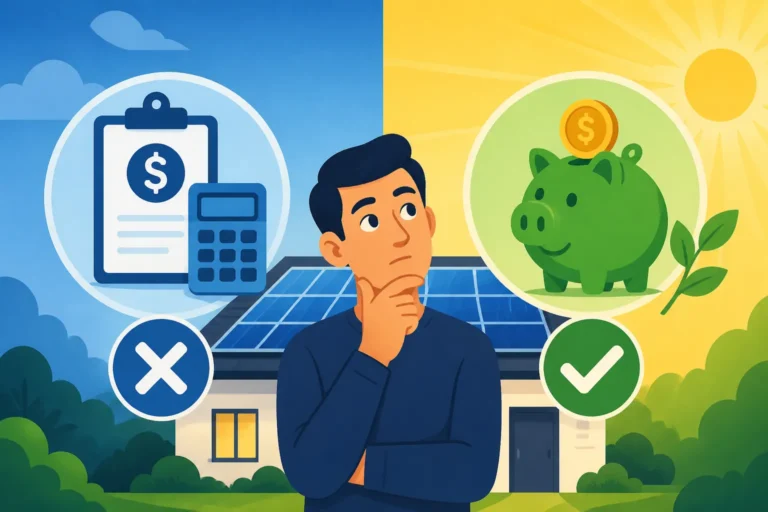
Thinking about going solar in Delaware often brings up a big question: is it truly worth the investment here? With fluctuating energy prices and a patchwork of incentives, it's easy to feel overwhelmed and unsure if solar panels will actually pay off for your home. This comprehensive guide will cut through the confusion, exploring the unique landscape of solar energy in the First State to help you decide if it's the right move for you.
The Delaware Solar Landscape: Why It Matters Here
Delaware might be small, but it's made some pretty significant strides in promoting solar energy. For homeowners, this means a more favorable environment than you might find in some other states. But it's not just about the incentives; the amount of sunshine, local electricity rates, and even the community's embrace of renewable energy all play a role in making solar a viable option.
Sunshine and Solar Production in Delaware
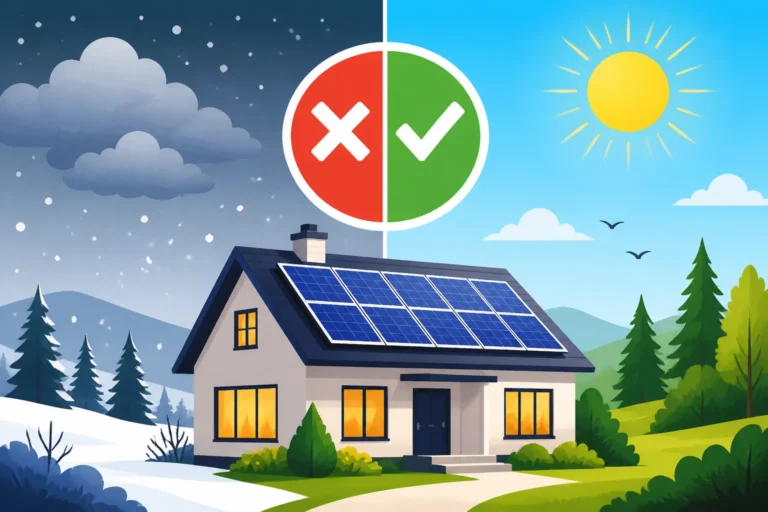
When people think of solar, they often picture sunny states like California or Arizona. But here in Delaware, we actually get a decent amount of sun exposure throughout the year, making solar production quite effective. While we certainly have our cloudy days and winter months with shorter daylight hours, modern solar technology is surprisingly efficient even in less-than-perfect conditions. A well-designed system, optimized for our local climate, can still generate substantial electricity. You might be surprised to learn that states with less intense sun than ours still see great returns on solar. It's less about constant, blazing sun and more about consistent, good light over the year.
High Electricity Rates Drive Solar Value
One of the biggest drivers for solar panel worth in any state is the cost of electricity, and Delaware residents know all too well that our utility bills can be a real headache. Companies like Delmarva Power & Light (Delmarva Power), our primary electric utility, have rates that are often higher than the national average. When you're paying more for every kilowatt-hour you consume, every bit of electricity your solar panels generate becomes more valuable. This higher baseline cost means that the savings you accrue from reducing your reliance on grid power are magnified, leading to a quicker payback period and greater long-term financial benefits. It's this direct impact on your monthly budget that makes the initial investment in solar so compelling.
Navigating Financial Incentives for Delaware Homeowners
Let's be honest, the upfront cost of solar can feel daunting. That's where incentives come in, making the decision to go solar much more palatable. Delaware has been proactive in offering programs designed to encourage residents to switch to clean energy, significantly improving the return on investment for solar installations. Understanding these can truly change your perspective on whether solar is worth it here.
Understanding Solar Renewable Energy Credits (SRECs) in Delaware
One of the most powerful financial incentives for Delaware homeowners is the state's SREC program. This isn't just a discount; it's a way for you to earn income from your solar panels. Here's how it works: for every megawatt-hour (MWh) of electricity your solar system generates, you earn one SREC. Utilities like Delmarva Power are mandated to source a certain percentage of their electricity from renewable sources, and they often fulfill this obligation by buying SRECs from homeowners like you.
The value of an SREC fluctuates based on supply and demand, but it can provide a substantial annual income stream. You can choose to sell your SRECs directly through platforms like SRECTrade or Sol Systems, or your solar installer might even offer to handle it for you as part of your contract. This unique mechanism means that beyond just saving money on your electricity bill, your solar panels are actively generating revenue for you, drastically improving your financial outlook. To learn more about this powerful incentive, check out our guide on SRECs Explained: Selling Solar Renewable Energy Credits.
Net Metering Policies and How They Benefit You
Net metering is another critical incentive that makes solar viable, especially in Delaware. Simply put, net metering allows you to send any excess electricity your solar panels produce back to the grid. In return, your utility provides you with credits on your bill, offsetting the electricity you pull from the grid when your panels aren't producing enough (like at night or on very cloudy days).
Delaware's net metering policy ensures that you receive fair credit for the power you export. This means you're essentially getting paid for the energy you contribute, helping to reduce or even eliminate your monthly electricity bill. Without robust net metering, going solar would be far less attractive, as you'd lose the value of your excess production. It's a fundamental piece of the puzzle that ensures maximum savings and a better return on your solar investment. Understanding Net Metering Explained: How It Works by State is key to grasping your potential savings.
Other State and Local Incentives
Beyond SRECs and net metering, Delaware offers additional programs that can further enhance solar's financial appeal. While the federal solar tax credit has seen changes, there are still federal solar incentives that exist. You might also find local municipality programs or specific utility rebates from providers like Delmarva Power.
For instance, Delaware has a property tax exemption for solar energy systems. This means that while your solar panels can increase your home's value, they won't increase your property taxes. This is a huge benefit that prevents you from being penalized for making a valuable home improvement. Always check with your local county and utility for the most current information, as these programs can sometimes change or have specific eligibility requirements. For a broader look at what's available, our comprehensive State Solar Incentives: Complete 2026 Guide can be a great starting point.
Understanding the Costs and Savings in Delaware
Okay, let's talk numbers. The cost of solar installation has steadily declined over the years, making it more accessible than ever. However, it's still a significant investment, and understanding what goes into that cost, as well as the potential for long-term savings, is crucial for any Delaware homeowner considering solar.
Average Solar Panel Costs in Delaware
The average cost of solar panels in Delaware typically falls in line with national averages, though specific prices can vary based on your system size, the installer you choose, and the equipment quality. For a typical residential system, you might expect to see prices per watt ranging from $2.50 to $3.50 before any incentives are applied. This means a 6 kW (kilowatt) system, common for many homes, could cost anywhere from $15,000 to $21,000.
It's important to remember that this is an upfront cost, and the various incentives we discussed earlier will significantly reduce your net outlay. For example, if you're looking at a 10 kW system for a larger home, understanding the Solar Panel Cost by System Size (kW) will give you a clearer picture. Don't let the initial sticker shock deter you; a good solar company will walk you through all the numbers, including projected savings and incentives.
The Long-Term Savings Potential
The real value of solar comes from the long-term savings it provides. By generating your own electricity, you effectively lock in your energy costs and protect yourself from rising utility rates. Over the 25-30 year lifespan of a solar energy system, these savings can be substantial, often totaling tens of thousands of dollars.
Consider this: if your average electricity bill is $150 per month, that's $1,800 a year. Over 25 years, without any rate increases, that's $45,000. But electricity rates almost always increase over time. With solar, much of that expense is eliminated, and you might even have money coming in from SRECs. This allows for a significant positive cash flow over time. Beyond just the bill, having solar can also increase your home's value, which is another substantial financial benefit. Our guide on Solar ROI & 25-Year Savings Breakdown can provide a deeper dive into these projections.
Factors Influencing Your Payback Period
The payback period — the time it takes for your solar savings and incentives to offset your initial investment — is a key metric for determining if solar is worth it. In Delaware, thanks to strong incentives like SRECs and robust net metering, the average solar panel payback period can often be shorter than in states with fewer programs.
Several factors influence this:
- System Size: A larger system generally costs more but also generates more electricity and, therefore, more savings and SRECs.
- Energy Consumption: Homes with higher electricity usage tend to see quicker paybacks because they offset more expensive grid electricity.
- Incentive Utilization: Maximizing all available incentives, including state and local programs, can drastically shorten your payback time.
- Electricity Rate Increases: If Delmarva Power's rates continue to climb, your savings will accelerate, leading to a faster return on investment.
Many Delaware homeowners see a payback period in the range of 6-10 years, which is excellent considering the system's 25+ year lifespan. After that, the electricity your system generates is essentially free, and the SRECs continue to provide income. You can learn more about this in our article, How Long Do Solar Panels Take to Pay for Themselves?.
Key Factors Affecting Your Solar ROI in Delaware
Deciding if solar is worth it isn't just about the statewide averages; it's about your specific home and situation. There are several individual factors that will heavily influence your personal return on investment (ROI) in Delaware. Taking these into account will give you the most accurate picture.
Your Roof's Condition and Orientation
Your roof is the foundation of your solar system, literally. Before installing panels, it's crucial to assess its condition. An older roof might need replacement before solar installation to avoid the costly and disruptive process of removing and reinstalling panels later. Most solar panels come with a 25-year warranty, so you ideally want your roof to last at least as long without needing major repairs. You might find our article, Do I Need a New Roof Before Solar?, very helpful here.
Beyond condition, orientation is key. A south-facing roof is generally considered ideal for maximizing solar production in the Northern Hemisphere, as it gets the most direct sunlight throughout the day. However, east and west-facing roofs can still be highly effective, especially with modern panel technology and microinverters that optimize production from each panel individually. Even a north-facing roof can sometimes work, though it's typically less efficient. Shading from trees or neighboring buildings is also a critical factor; even partial shade can significantly reduce a panel's output, impacting your overall system performance and ROI.
Your Energy Consumption Habits
The amount of electricity your household uses plays a huge role in determining if solar is worth it. If you have consistently high electricity bills, you stand to save more money by switching to solar. A larger family, frequent use of air conditioning, or charging an electric vehicle can all contribute to high energy consumption, making solar a very attractive option.
On the other hand, if your energy usage is already very low, your potential savings might not be as dramatic, potentially extending your payback period. It's not that solar wouldn't save you money, but the magnitude of savings would be less. A reputable solar installer like those found on platforms such as Modernize will conduct a detailed analysis of your past electricity bills to design a system that precisely matches your needs, ensuring you get the most bang for your buck. This personalized approach is essential for maximizing your return on investment.
Choosing the Right Solar Installer
This is perhaps one of the most critical decisions you'll make in your solar journey. A good installer will not only provide quality equipment and installation but also guide you through the permitting process, help you understand incentives, and offer reliable support. In Delaware, you'll find a range of local and national companies vying for your business.
When you're comparing quotes, don't just look at the bottom line. Consider:
- Experience and Reputation: How long have they been in business? What do customer reviews say?
- Warranties: What kind of warranties do they offer on equipment (panels, inverters) and workmanship?
- Customer Service: How responsive and transparent are they?
- Financing Options: Do they offer various ways to pay, from cash purchases to solar loans or leases?
Getting multiple quotes is always a good idea. Websites like Modernize can help connect you with pre-vetted installers in your area, making it easier to compare options and ensure you're working with a trusted professional. A bad installation or an unsupportive company can quickly turn a good investment into a headache. We have a great resource on How to Choose a Solar Installer that can help you navigate this process.
Property Value Increase and Home Sale Considerations
Many homeowners overlook the added value solar panels bring to their property. Studies consistently show that homes with owned solar energy systems sell for more and often sell faster than comparable homes without solar. This is a significant, often uncalculated, part of your overall ROI. For a deeper dive, read our article, Do Solar Panels Increase Home Value?.
However, it's important to differentiate between owned and leased systems. If you own your solar panels outright or finance them with a loan, the increase in home value is yours. If you have a solar lease or Power Purchase Agreement (PPA), the situation can be more complex when selling your home, as the new buyer would typically need to assume the agreement. In Delaware, where solar is becoming more common, real estate agents are increasingly familiar with explaining the benefits of solar-equipped homes to potential buyers.
| Factor | Impact on Solar Worth in Delaware | Notes |
|---|---|---|
| High Electricity Rates | Very Positive | Magnifies savings by reducing reliance on expensive grid power from utilities like Delmarva Power. |
| SREC Program | Very Positive | Provides a significant income stream, unique to certain states. |
| Net Metering Policy | Positive | Ensures fair credit for excess energy sent to the grid, maximizing bill savings. |
| Property Tax Exemption | Positive | Prevents increased property taxes despite increased home value. |
| Adequate Sunshine | Positive | Sufficient sunlight throughout the year for efficient energy production. |
| Roof Condition/Orientation | Variable | Optimal roof (south-facing, good condition, minimal shade) enhances ROI; poor conditions can reduce it. |
| Personal Energy Usage | Variable | Higher consumption leads to greater savings; very low usage might have a longer payback period. |
| Installer Choice | Crucial | A reputable installer ensures quality, efficiency, and proper handling of incentives and paperwork. |
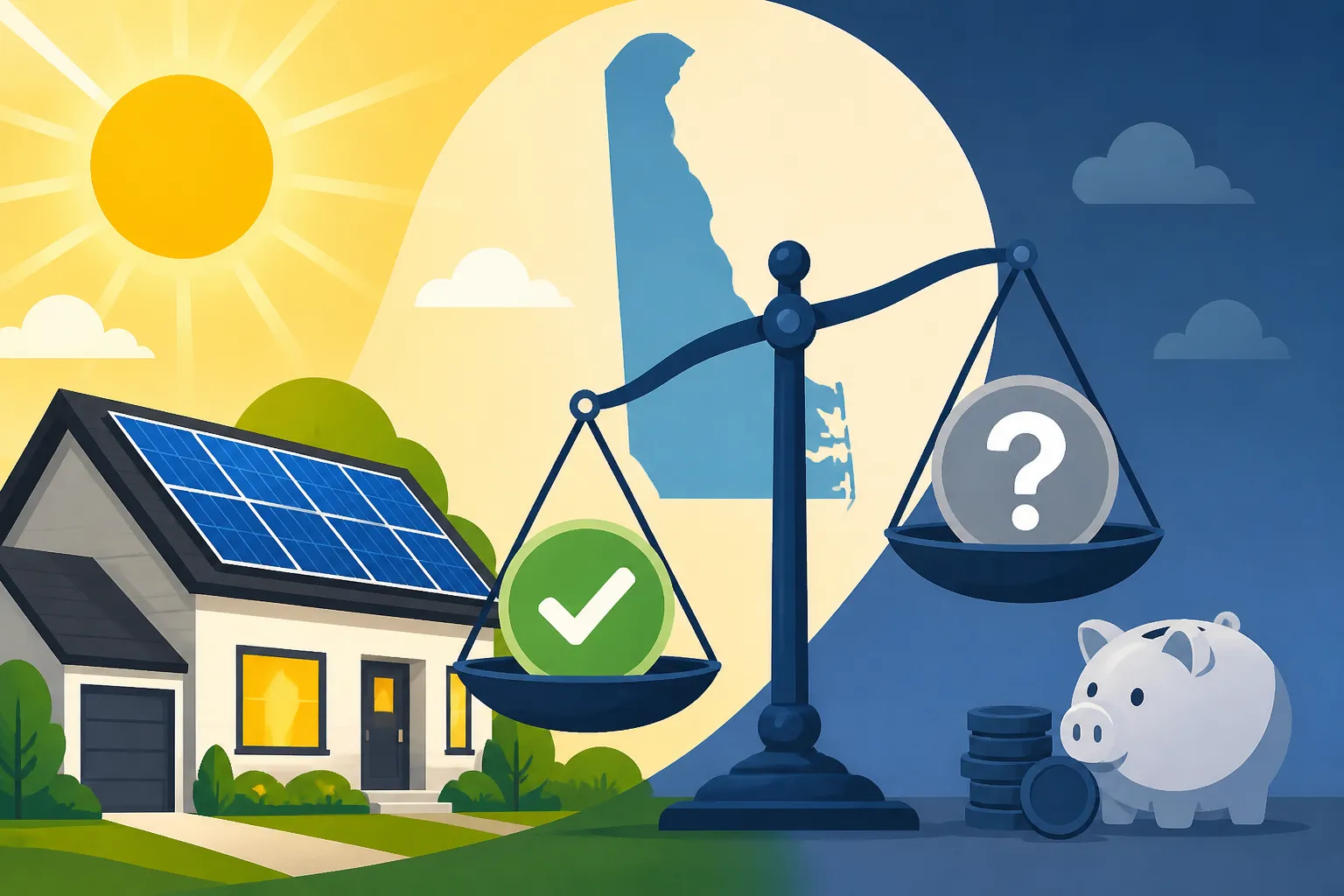
Ultimately, for many homeowners in Delaware, the answer is a resounding yes: solar is worth it. Between the state's supportive policies, the valuable SREC program, decent sunshine, and relatively high electricity costs, the financial case for solar is strong. It offers a path to energy independence, significant long-term savings, and a boost to your home's value, all while contributing to a cleaner environment. Take the time to get personalized quotes and understand all the factors at play for your specific situation.
Disclaimer
Please note that the information provided in this guide is for general informational purposes only and does not constitute financial, legal, or professional advice. Solar incentives, policies, and costs are subject to change, and individual results may vary. It is highly recommended to consult with qualified solar professionals and financial advisors to assess your specific situation and make informed decisions.