Lease vs Own Solar: Impact on Home Sale
Solar leases, solar loans, and Power Purchase Agreements determine how clean energy systems impact a home sale transaction.
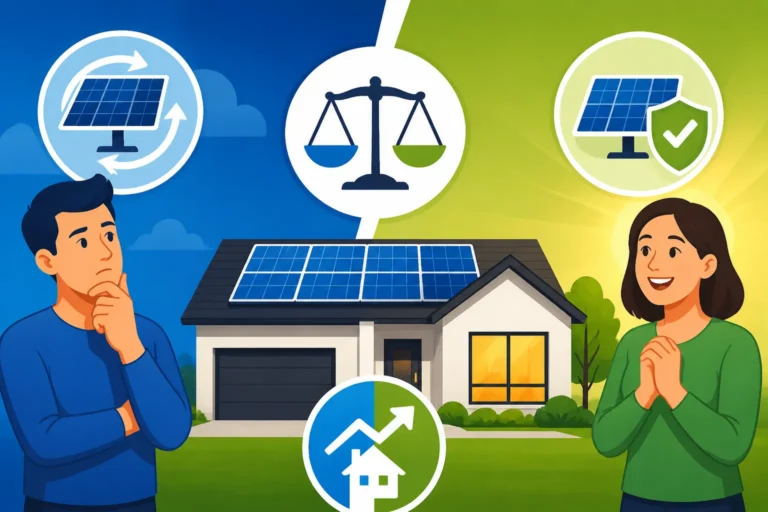
Solar leases, solar loans, and Power Purchase Agreements determine how clean energy systems impact a home sale transaction.
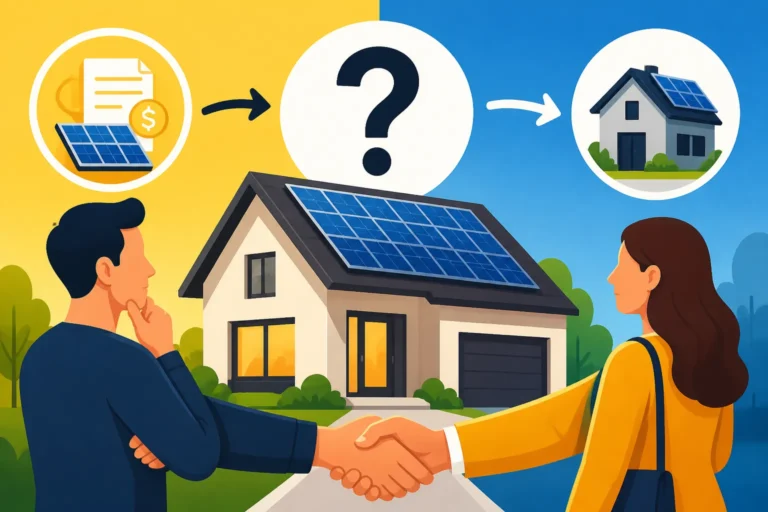
Solar loan transferability, prepayment penalties, and property liens dictate your options when selling a house with solar panels.
After years at 30%, the residential federal solar tax credit is scheduled to step down, though state and local support may fill gaps for most homeowners.
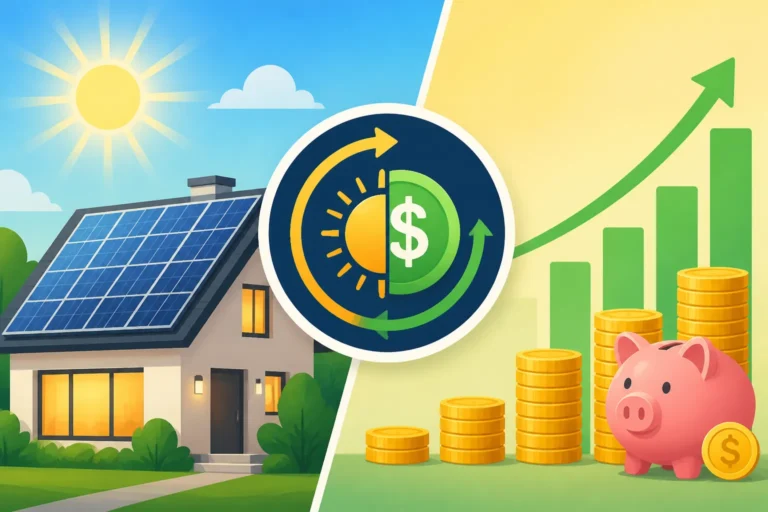
Solar payback period calculation explains how long panel savings take to equal your initial system installation investment.
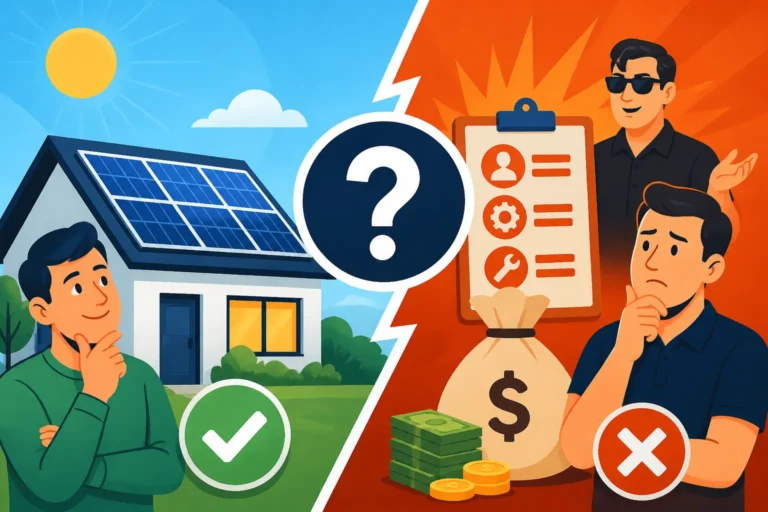
Solar loan dealer fees add charges to financing, increasing loan amounts to secure low interest rates and monthly payments.
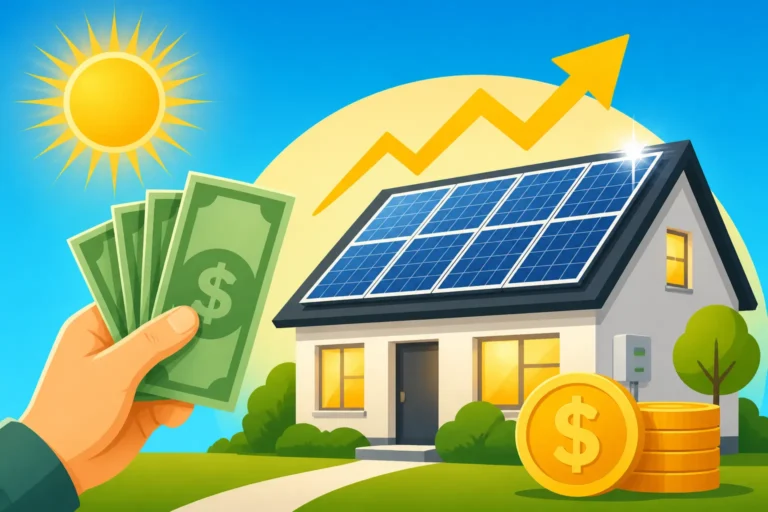
Solar panel systems can generate income for homeowners through excess electricity sales, net metering policies, and energy credits.
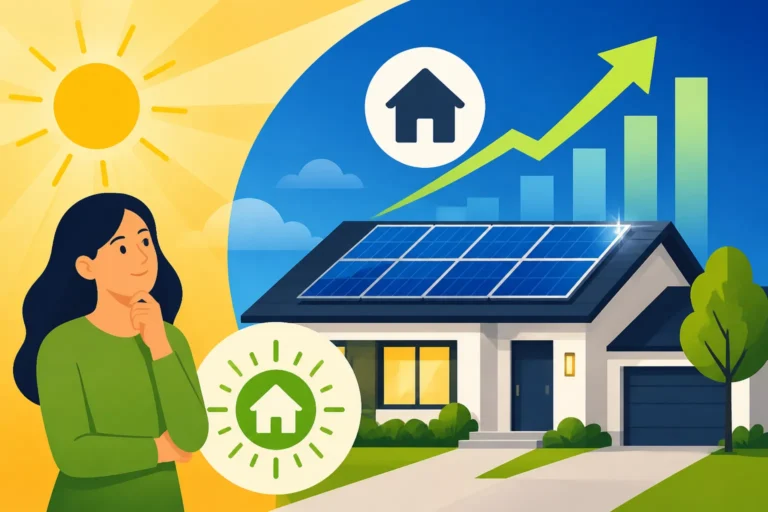
Solar panels impact home appraisals and property value by distinguishing between owned systems and leased installations.
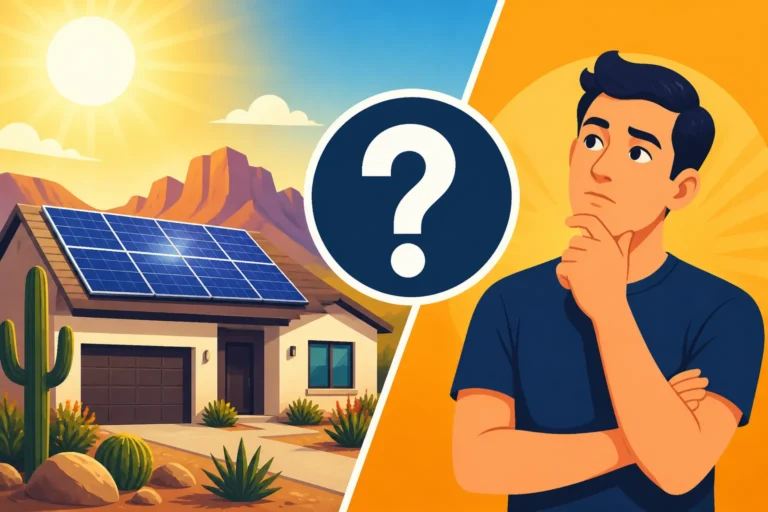
Arizona home solar power financial value depends on utility rates, intense heat, and household electricity consumption habits.
New York solar panel investments, high electricity rates, and state tax credits determine if renewable energy makes financial sense.
Solar panel payback periods compared against twenty to twenty-five year warranties and component lifespans for home systems.