What Is the Break-Even Point for Solar?
The solar break-even point occurs when total electricity savings completely cover initial installation costs and expenses.
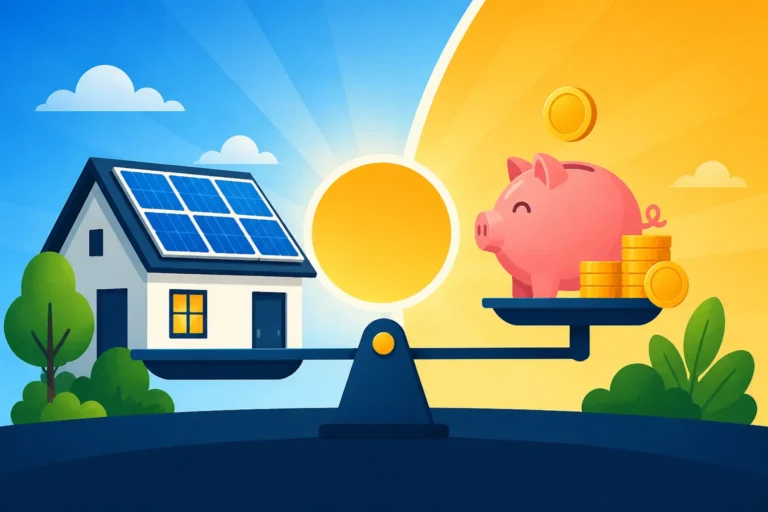
The solar break-even point occurs when total electricity savings completely cover initial installation costs and expenses.
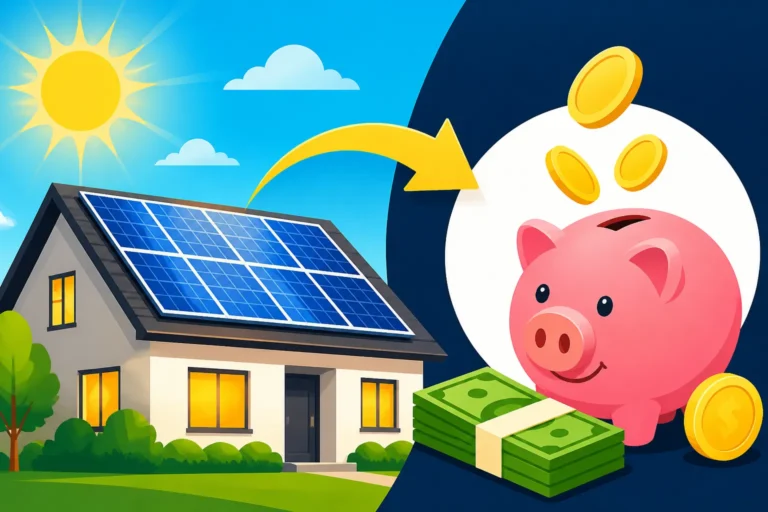
Home solar panel savings during the first year include lower monthly electricity bills, local rebates, and renewable energy credits.
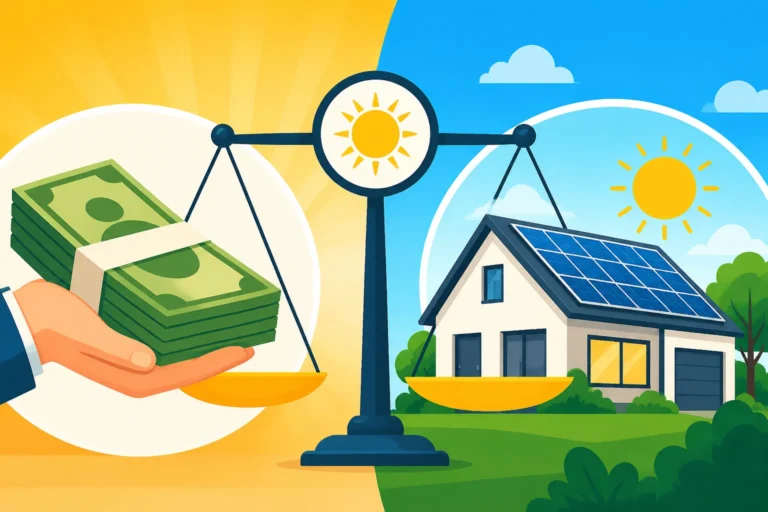
Buying solar panels with cash eliminates financing fees, increases return on investment, and reduces monthly energy costs.
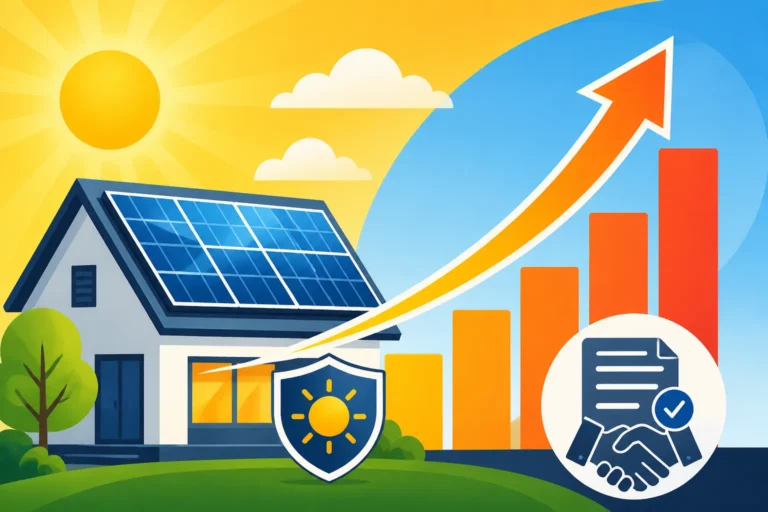
Solar lease escalators and power purchase agreements increase monthly costs over time, impacting long-term consumer savings.
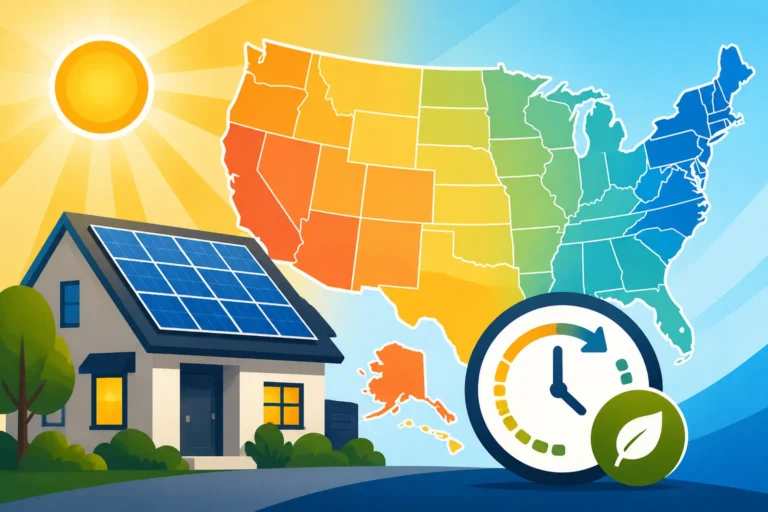
Solar payback period calculations show the time required for system savings to match installation costs like twenty thousand dollars.

Solar panel installations before moving involve evaluating payback periods, electricity rates, and increased property resale values.
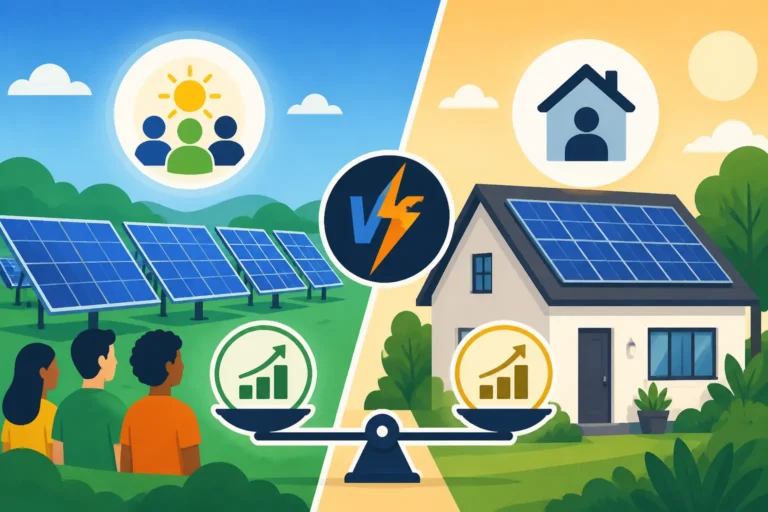
Community solar programs and rooftop solar installations offer different costs, investments, and financial returns for homeowners.
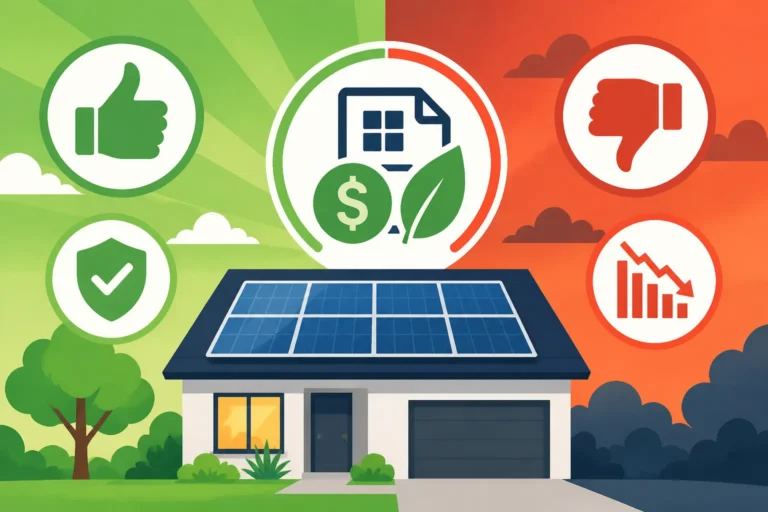
Property Assessed Clean Energy financing lets homeowners fund solar installations through property tax assessments instead of traditional loans.
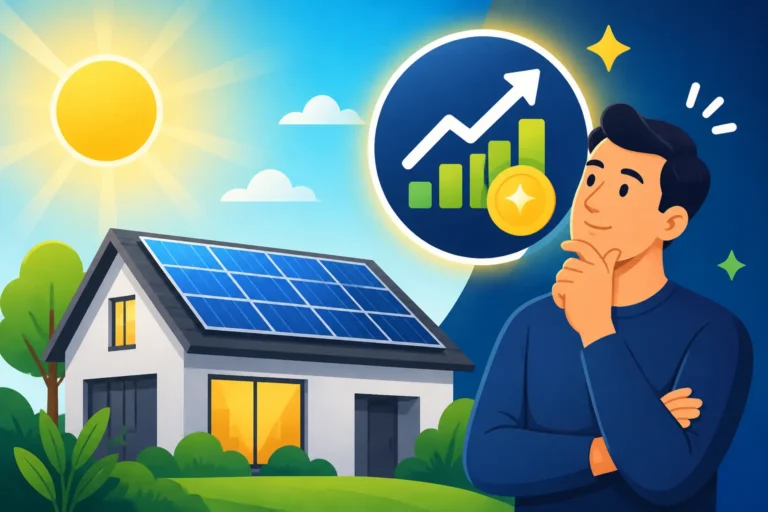
Solar panel investments in 2026 involve rising utility rates, evolving tax credits, installation costs, and long-term financial savings.
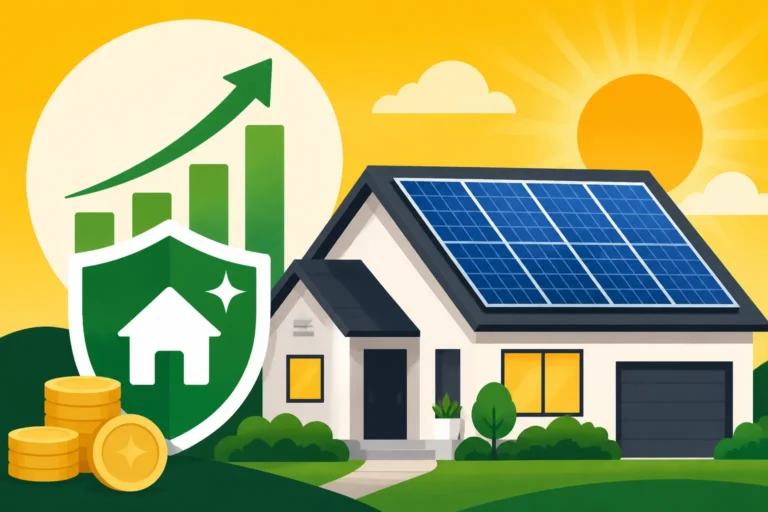
Solar panels on a residential property typically increase home value through lower electricity bills and increased equity.