Low-Income Solar Programs & Assistance
Federal, state, and utility solar assistance programs eliminate upfront equipment costs to lower electric bills for qualifying families.

Federal, state, and utility solar assistance programs eliminate upfront equipment costs to lower electric bills for qualifying families.

Solar battery incentives available in 2026 help homeowners affordably store electricity, combat outages, and navigate shifting net metering policies.

Utility solar rebates lower installation costs through direct cash checks, bill credits, or performance payouts from power companies.

Solar sales tax exemptions eliminate state taxes on equipment and installation, lowering system costs by thousands of dollars.
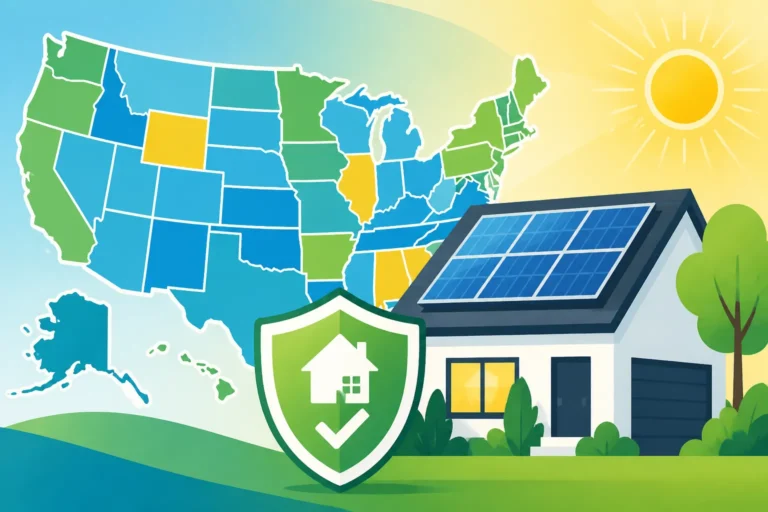
Solar property tax exemptions protect homeowners by excluding added panel value from local property tax assessments in many states.
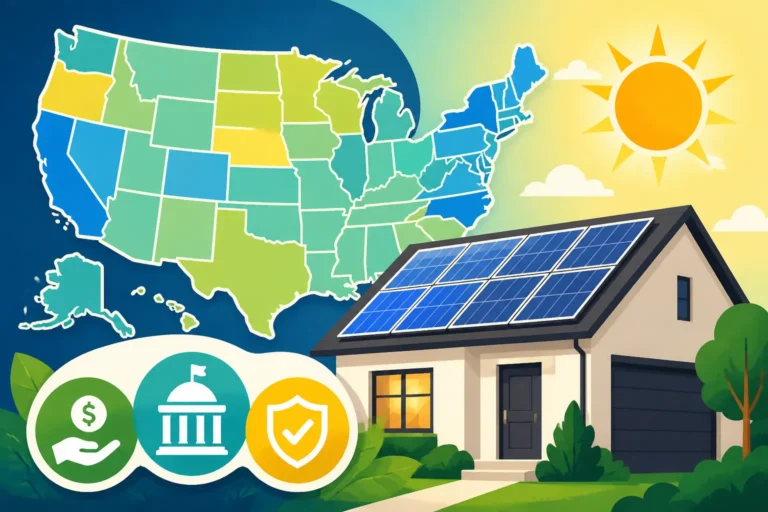
State solar incentives in 2026 reduce system costs for homeowners through tax credits, utility rebates, and net metering programs.

Solar Renewable Energy Credits represent one megawatt-hour of solar electricity, allowing homeowners to generate extra income by selling them.
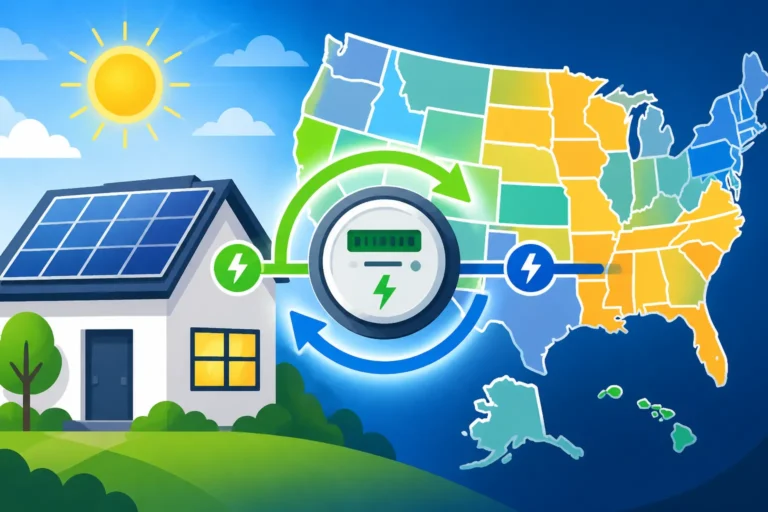
Net metering is a billing mechanism turning excess solar generation into valuable credits and significant savings across different states.

The Residential Clean Energy Credit offers homeowners a thirty percent federal tax deduction for solar installation costs through 2032.
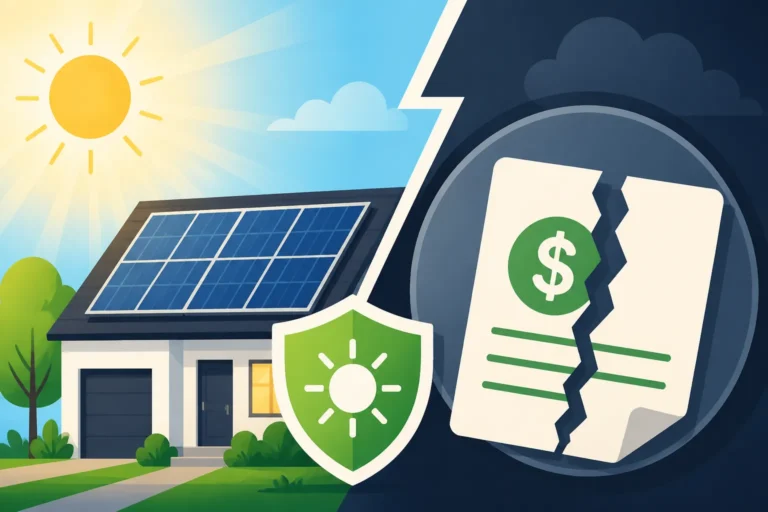
The federal solar tax credit provides homeowners with a thirty percent tax reduction for systems installed through 2032.