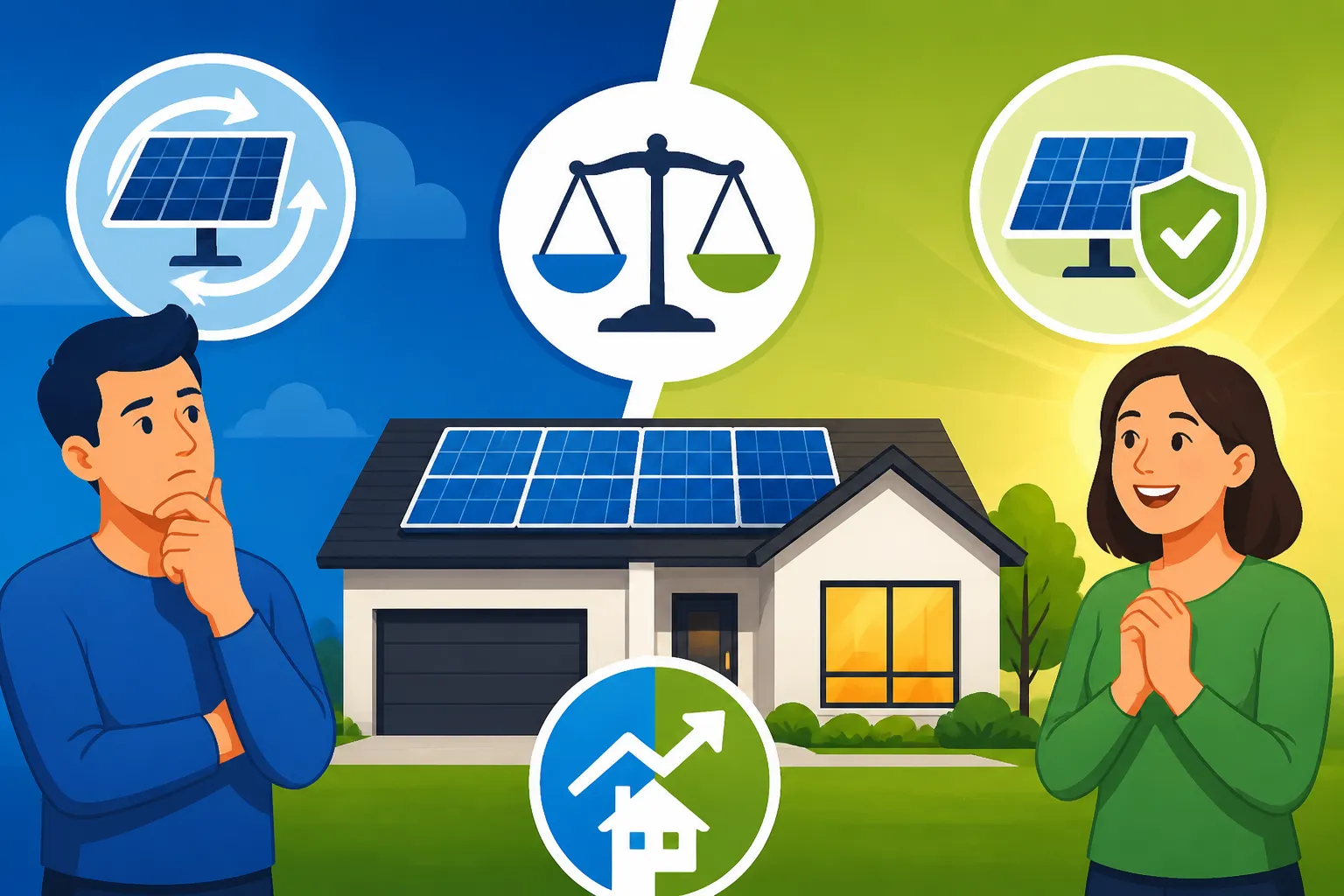
Lease vs Own Solar: Impact on Home Sale
Selling a home is already a monumental task, filled with paperwork, showings, and negotiations, but when you add solar panels to the mix, it can feel like a whole new level of complexity. Many homeowners worry if their investment in clean energy will truly be seen as an asset or if it will create unforeseen hurdles when it comes time to move. The reality is, the way your solar system impacts your home sale largely hinges on whether you own those panels outright or if you’ve entered into a lease or Power Purchase Agreement (PPA), and understanding these differences before you list your home is absolutely critical for a smooth transaction.
Understanding Solar Ownership Models
Before we dive into the nitty-gritty of selling, it's essential to clearly understand the two primary ways homeowners acquire solar panels. Each path carries distinct implications for you as the seller and for potential buyers. It's not just about having panels on your roof; it's about the financial and legal agreements tied to them.
Outright Purchase and Solar Loans
When you own your solar panels, it generally means one of two things: you paid for the system upfront with cash, or you financed it with a solar loan. In either scenario, the solar panels and all associated equipment are considered your property, just like your roof or your furnace. This is often the most straightforward path when it comes to selling your home because the system is an asset of the property itself.
If you paid cash, the system is fully yours, unencumbered by ongoing payments. If you took out a solar loan, such as those often facilitated by lenders like Sunlight Financial or Dividend Solar, you'll have monthly payments until the loan is paid off. However, the key distinction is that you hold the title to the equipment. This means that when you sell your home, the solar system is typically transferred with the property, much like any other home improvement. The loan itself doesn't automatically transfer to the new homeowner; you would either pay off the remaining balance with proceeds from the home sale or, in some cases, refinance it into your next property. This type of ownership is generally seen as a positive by buyers, as it means they will inherit a fully paid-for asset, or a manageable loan that allows them to benefit from reduced electricity bills from day one. You can read more about how these financing options work in our comprehensive guide on Solar Loans Complete Guide.
Solar Leases and Power Purchase Agreements
On the flip side, a solar lease or a Power Purchase Agreement (PPA) represents what's known as third-party ownership (TPO). In these arrangements, you don't actually own the solar panels or the equipment. Instead, a solar company (the third party) owns, installs, and maintains the system on your roof. You essentially pay them for the electricity the panels produce (PPA) or a fixed monthly fee for the use of the equipment (lease). The solar company benefits from incentives like the federal solar tax credit and SRECs, passing some of those savings on to you in the form of lower electricity rates or lease payments.
While a lease or PPA can offer lower upfront costs and predictable payments, they introduce a layer of complexity when selling your home. The agreement is a contract between you and the solar company, and it typically has a term of 20 to 25 years. When you sell, this contract usually needs to be transferred to the new homeowner. This isn't always a simple process, as the solar company will want to vet the new buyer to ensure they meet their credit requirements and are willing to assume the financial obligation. Buyers might be hesitant to take on someone else's contract, especially if they don't fully understand the terms or if the payments don't align with their financial goals. For a deeper dive into the nuances of these options, check out Solar Lease vs PPA vs Buy Which Is Best.
Selling a Home with Owned Solar Panels
Selling a home with solar panels that you own is generally a much smoother process compared to selling with a lease. It's often viewed as a significant upgrade, akin to a new roof or a kitchen renovation, adding tangible value to your property. However, there are still important considerations to ensure potential buyers see the full benefit.
Increased Home Value and Appraisal Considerations
One of the biggest advantages of owning your solar panels is their potential to increase your home's value. Studies consistently show that homes with owned solar systems sell for more than comparable homes without solar. The exact amount varies based on location, system size, and local electricity rates, but it's not uncommon to see a premium of several thousand dollars. Think of it this way: buyers are getting a home with significantly reduced, or even eliminated, electricity bills for decades to come, which is a powerful selling point.
When it comes to appraisal, it's crucial that your appraiser understands how to properly value a solar system. Not all appraisers are equally knowledgeable about solar, so it can be beneficial to provide them with documentation about your system's specifics, energy production, and any savings you've experienced. Make sure your real estate agent highlights the value-add of the solar system in the listing and during showings. Factors like the system's age, its production capacity (kW), and the quality of the panels (e.g., reputable brands like Maxeon or Qcells) will all play a role in how much value is added. This topic is explored in more detail in our article on Do Solar Panels Increase Home Value.
Transferring Warranties and System Details
When you own your solar system, you'll want to ensure that all relevant documentation is readily available for prospective buyers. This includes installation agreements, system specifications, energy production data, and, crucially, warranty information. Most solar panels come with a performance warranty of 20-25 years, guaranteeing a certain level of output, and often a product warranty of 10-12 years. Inverters and other components also have their own warranties.
Providing clear documentation about these warranties, and confirming their transferability to a new homeowner, gives buyers peace of mind. They'll want to know that if an issue arises with the panels or the inverter down the line, they'll be covered. Gather all these documents in an organized binder or digital folder. This proactive approach not only simplifies the buyer's due diligence but also demonstrates your transparency and care for the system, making your home a more attractive prospect. For more details on what these cover, refer to our guide on Solar Panel Warranties Explained.
Selling a Home with Leased Solar Panels or a PPA
This is where things can get a bit more intricate. Selling a home with a solar lease or PPA requires careful navigation, as the existing contract needs to be addressed during the sale process. It's not impossible, but it demands more planning and communication.
Buyer Qualifications and Lease Transfers
The biggest hurdle with a solar lease or PPA is transferring the contract to the new homeowner. The solar company that owns the system will need to approve the buyer. This typically involves a credit check to ensure the buyer is financially capable of taking on the monthly lease payments or purchasing the power generated. If the buyer doesn't meet the solar company's credit criteria, the transfer can be denied, putting a serious snag in your home sale.
This means that you, as the seller, need to be upfront about the lease or PPA from the very beginning. Disclosing it early allows potential buyers to understand the commitment and for you to gauge their willingness to assume it. Many solar companies, like Sunrun or Vivint Solar (now owned by Sunrun), have dedicated transfer departments to help facilitate this process, but it can still take several weeks or even months. If the buyer is reluctant or can't qualify, you might find yourself in a bind. Buyers need to be aware of the exact terms, including any annual escalator clauses that increase payments over time, which can sometimes be a sticking point. Understanding the specific differences between these arrangements is key, which is discussed in What Is a Solar PPA and How Does It Work.
Potential Hurdles and Renegotiation Options
Beyond credit qualifications, buyers can also be wary of assuming a long-term contract for a system they don't own. They might question the value proposition if the lease payments negate too much of the electricity savings, or if the contract terms feel restrictive. It's not uncommon for buyers to request a lower purchase price for the home to offset the perceived burden of the lease, or to ask you to buy out the lease entirely.
In some cases, the solar company might be open to renegotiating certain lease terms to sweeten the deal for the new buyer, though this is less common and highly dependent on the provider. It's vital to maintain open communication with your solar provider and your real estate agent throughout the selling process. Your agent, especially if they are experienced in selling homes with solar, can help frame the benefits of the lower utility bills to prospective buyers, but they also need to be prepared to address the complexities of the lease agreement. Platforms like Modernize can help you connect with agents who have experience with solar properties, or even help you find local solar companies if you're considering a buyout.
Lease Buyout Considerations
If transferring the lease proves too difficult or if you want to make your home more appealing to a wider range of buyers, you might consider buying out the solar lease yourself. This means paying off the remaining balance of the lease contract, which converts the system into owned property, similar to an outright purchase. The buyout price is usually stipulated in your lease agreement and typically decreases over time.
While a buyout can be a significant upfront cost, it eliminates the transfer hurdle and allows you to market the home as having an owned solar system, potentially increasing its resale value and marketability. Many homeowners choose to roll the buyout cost into their home sale, either by increasing the home's price or by covering it from the sale proceeds. It's crucial to get a clear, current buyout quote from your solar provider well in advance of listing your home so you understand the financial implications. This option can simplify the selling process immensely, as buyers generally prefer inheriting an asset rather than a liability.
Legal and Financial Implications for Buyers
Regardless of whether the solar system is owned or leased, there are specific legal and financial aspects that buyers need to understand. Transparency and clear communication are key to preventing any surprises that could derail the sale.
Understanding Solar Liens and UCC-1 Filings
When a solar system is installed, especially through a lease or a financed purchase, a Uniform Commercial Code (UCC-1) filing is often placed on the property. This filing acts as a public notice that a third party (the solar company or the loan provider) has an interest in the solar equipment. It essentially functions as a lien on the panels themselves, not the home. While it doesn't prevent you from selling your home, it does need to be addressed during the sale.
For owned systems with a loan, the UCC-1 filing will typically be released once the loan is paid off. For leased systems, the UCC-1 will remain in place and transfer with the lease to the new homeowner, as the solar company still owns the equipment. Buyers' mortgage lenders will always look for these filings, as they want to ensure their own lien on the home is primary. It’s absolutely critical that these are handled correctly during closing to avoid delays. Make sure your closing attorney or title company is well-versed in solar transactions to ensure the UCC-1 is properly assigned or released.
Impact on Mortgage Lenders and Insurance
Mortgage lenders view solar systems differently based on ownership. Owned systems are generally seen as fixtures that add to the home's value, and lenders rarely have an issue. However, leased systems can be a red flag for some lenders. They may view the lease as an additional debt obligation that could impact the buyer's debt-to-income ratio, or they might be concerned about the UCC-1 filing. Some lenders have specific requirements for approving mortgages on homes with solar leases.
Similarly, homeowner's insurance policies need to be updated. Owned solar systems are typically covered under standard homeowner's insurance as part of the dwelling. For leased systems, the solar company generally carries insurance on the equipment itself, but you'll want to confirm this and understand what, if any, responsibilities fall on the homeowner regarding damage to the roof or other parts of the property related to the solar installation. Buyers will need to understand how their own insurance will handle the system, so having this information handy is incredibly helpful. This is especially true for homes with a Solar Plus Battery Cost, where additional equipment might have different insurance implications.
Here's a quick comparison of the impacts:
| Feature | Owned Solar System (Cash/Loan) | Leased Solar System / PPA |
|---|---|---|
| Home Value | Typically increases home value, seen as an asset. | Impact on value is mixed; can be a neutral or minor negative. |
| Appraisal | Generally positive; adds value if appraised correctly. | Can complicate appraisal; seen as a long-term liability. |
| Buyer Perception | Very positive; lower/no electricity bills, asset transfer. | Often met with caution; assumption of a long-term contract. |
| Transfer Process | Simple asset transfer; loan (if any) paid off by seller. | Requires buyer credit check and approval by solar company. |
| Legal Filings | UCC-1 typically released upon loan payoff. | UCC-1 remains and transfers with the lease. |
| Mortgage Lenders | Generally no issues; viewed as a home improvement. | Some lenders may have concerns; affects DTI, approval process. |
| Flexibility | High flexibility for seller and buyer. | Limited flexibility; bound by existing contract terms. |
| Seller's Cost at Sale | Loan payoff (if any) from sale proceeds. | Lease buyout (optional, but often recommended). |
Strategies for a Smooth Sale
Regardless of your ownership model, being prepared and proactive is your best bet for a smooth home sale when solar panels are involved. It's about demystifying the process for buyers and ensuring all your ducks are in a row.
Proactive Communication with Buyers
The absolute worst thing you can do is spring the solar system details on a buyer late in the game. Transparency is paramount. From the moment you list your home, your real estate agent should clearly state whether the solar panels are owned or leased. If they are owned, highlight the benefits: drastically reduced utility bills, environmental benefits, and a valuable asset included with the home. Provide estimated savings based on historical usage. If it's a lease or PPA, be prepared to present the contract terms, explain the benefits you've experienced, and detail the transfer process.
For leased systems, have all documentation ready, including the original contract, payment history, and the solar company's transfer process requirements. Anticipate questions about the remaining term, annual escalators, and what happens if the panels need maintenance. Buyers appreciate honesty and thoroughness; it builds trust and helps them feel more comfortable taking on the system. You'll want to review resources like What Happens to Leased Solar When I Sell My Home to be fully prepared.
Working with Real Estate Agents and Solar Experts
Your choice of real estate agent can make a significant difference. Seek out an agent who has experience selling homes with solar panels. They will understand how to market the system effectively, address buyer concerns, and navigate the complexities of solar agreements. An experienced agent will know what questions to ask, what documentation to provide, and how to frame the solar system as an advantage rather than a liability. They can also connect you with other professionals, like a title company familiar with UCC-1 filings, or even a solar consultant.
If you have a leased system and encounter difficulties, don't hesitate to reach out to your solar provider's transfer department. They are typically set up to assist with these situations. Additionally, if you're exploring a lease buyout, a solar expert can help you understand the long-term financial implications and whether it makes sense for your specific situation. Services like Modernize can be a great starting point to find solar professionals or real estate agents in your area who specialize in green homes.
Ensuring All Paperwork is in Order
Preparation is key. Before your home even goes on the market, compile a comprehensive packet of all solar-related documentation. This should include:
- For Owned Systems: Purchase agreement, installation contract, system specifications, warranty documents (panels, inverter, workmanship), energy production data (e.g., from monitoring apps like Enphase Enlighten or SolarEdge monitoring portal), copies of utility bills showing savings, and any permits or interconnection agreements.
- For Leased Systems/PPAs: The full lease or PPA contract, payment schedule, annual escalator details, solar company contact information, transfer department details, historical energy production and savings data, and proof of any maintenance performed by the solar company.
Having this information readily available and organized demonstrates professionalism and significantly speeds up the due diligence process for potential buyers and their lenders. It also preempts many common questions and helps build confidence in your property. A well-organized seller is a successful seller, especially when dealing with something as detailed as a solar energy system. This will also help you address any questions related to Selling a House With Solar Panels.
The Future of Solar and Home Value
The perception and value of solar energy systems in the real estate market are constantly evolving. As more homeowners embrace clean energy, understanding these trends is crucial for both sellers and buyers.
Evolving Market Perceptions
Initially, solar panels were seen by some as an niche, even potentially risky, addition to a home. However, as awareness of climate change grows, electricity prices continue to rise, and solar technology becomes more efficient and aesthetically integrated, market perceptions have shifted dramatically. Today, solar is increasingly viewed as a desirable feature, especially in states with high electricity costs like California, Massachusetts, or New York. Buyers are becoming more educated about the long-term savings and environmental benefits.
The key is often in how the solar system is presented. An attractive, well-maintained system on a structurally sound roof, with clear documentation of energy savings, is a strong selling point. Even leased systems, while more complex to transfer, are becoming more accepted as buyers recognize the benefits of predictable, lower energy costs compared to fluctuating utility rates. As the industry matures, so does the understanding and appreciation for solar in the housing market. However, it's still good practice for buyers to conduct their due diligence, as advised in Buying a House With Leased Solar Panels.
The Role of Energy Independence
Beyond financial savings, the concept of energy independence is becoming a powerful motivator for homebuyers. The ability to generate your own electricity, reduce reliance on the grid, and potentially avoid high utility bills is an increasingly attractive prospect. This is particularly true in areas prone to power outages or with volatile electricity markets. Homes equipped with solar-plus-battery storage solutions, like a Tesla Powerwall or Enphase IQ Battery, offer an even greater degree of resilience and energy security, which can be a premium feature.
When selling a home with solar, emphasize not just the monetary savings but also the peace of mind that comes with producing your own power. This psychological benefit, combined with the tangible financial advantages, makes solar-equipped homes highly competitive in today's market. By focusing on these benefits, sellers can effectively showcase why their solar investment is a significant upgrade for any modern homeowner.
Disclaimer
Please note that this guide provides general information and should not be considered legal or financial advice. Laws, incentives, and market conditions for solar energy systems can vary significantly by location and change over time. It is always recommended to consult with qualified real estate professionals, solar consultants, and legal advisors before making any decisions related to buying or selling a home with solar panels.