Is Solar Worth It in Connecticut?
Living in Connecticut, you're probably all too familiar with those sky-high electricity bills that seem to creep up higher every year. It's a real frustration, and it leaves many homeowners wondering if there’s a better way to power their homes and gain some financial control. This guide dives deep into whether going solar in Connecticut is a truly smart move for your wallet and your home, cutting through the noise to give you a clear picture of the costs, savings, and local programs available.
Understanding Connecticut's Energy Landscape and Solar Potential
Connecticut has a unique energy profile that makes exploring solar power particularly compelling. It's not just about wanting to go green; for many, it's about finding real, tangible relief from an ever-present burden.
High Electricity Costs: The Driving Force
Let's be honest, one of the biggest motivators for homeowners to consider solar in Connecticut is the cost of electricity. We consistently rank among the states with the highest residential electricity rates in the entire country. When you're paying upward of 25 cents per kilowatt-hour, sometimes even more during peak usage, every bill can feel like a punch to the gut. This isn't just a minor inconvenience; it significantly impacts household budgets, making it harder to save or spend on other important things. Imagine knowing that a large chunk of your monthly expenses is practically unavoidable, dictated by external energy markets and utility rate hikes.
These high rates mean that the potential savings from generating your own electricity are substantial. When you generate power with solar panels, every kilowatt-hour you produce is a kilowatt-hour you don't have to buy from your utility, like Eversource or United Illuminating, at those premium prices. Over time, these savings truly add up, offering a powerful incentive that can quickly offset the initial investment in a solar energy system. It's a direct way to reclaim control over a significant household expense that otherwise feels completely out of your hands.
Solar Resource Availability and Climate Considerations
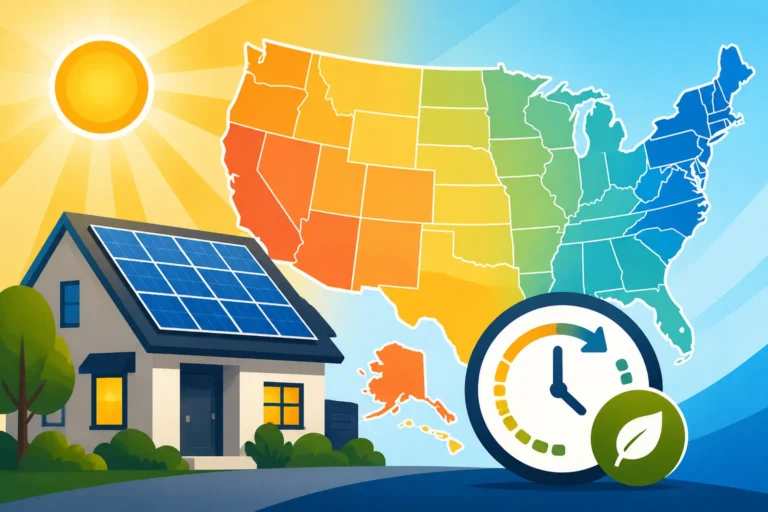
When people think of "solar states," places like Arizona or California often come to mind, with their abundant sunshine. But Connecticut, despite its four distinct seasons, actually has excellent solar potential. We might not have endless desert sun, but we receive a healthy amount of solar irradiance throughout the year, especially from spring through fall. This means that solar panels installed on a well-positioned roof can generate substantial electricity.
Our climate, with its clear, crisp days and moderate temperatures, can actually be quite favorable for solar panel efficiency. Solar panels, surprisingly, perform better in cooler temperatures when there's plenty of sunlight, as heat can slightly reduce their efficiency. So, those beautiful, sunny New England autumn and winter days, while shorter, can still contribute significantly to your energy production. Even on partly cloudy days, modern solar panels can still capture diffuse sunlight and generate power, though at a reduced rate. This consistent, year-round production contributes directly to a faster payback period for your investment.
Key Financial Incentives and Programs for Connecticut Solar Owners
The good news is that Connecticut understands the value of solar power, both for its residents and for the state's clean energy goals. That's why there are specific programs designed to make going solar more accessible and financially rewarding.
State-Specific Incentives and Rebates
Connecticut has historically been a leader in offering robust state-level incentives to help homeowners embrace solar. While the federal solar tax credit is a huge boost nationwide, it's these local programs that truly sweeten the deal for Nutmeg State residents. The primary program you'll want to look into is the Residential Renewable Energy Solutions Program, often referred to as RRES. This program, administered by the Connecticut Green Bank, provides significant incentives to homeowners who install solar systems. It's not a one-size-fits-all approach; rather, it offers different compensation structures, including performance-based incentives (PBIs) that pay you for every kilowatt-hour your system produces, or upfront incentives based on your system's size.
Beyond direct incentives, homeowners should also be aware of how solar can impact their property taxes. Many states, including Connecticut, offer property tax exemptions for solar energy systems. This means that while adding solar panels can significantly increase your home's value—a great benefit if you ever decide to sell—you won't be taxed on that added value. This protection from increased property taxes can save you thousands of dollars over the lifetime of your system. Understanding these intricate details can feel overwhelming, but resources like Modernize can help connect you with local installers who are experts in navigating these incentives, ensuring you don't miss out on any savings. You can also learn more about specific programs by exploring topics like State Solar Incentives: Complete 2026 Guide and Solar Property Tax Exemptions by State.
Net Metering Policies: Maximizing Your Savings
Net metering is a critical component of making solar financially viable in most states, and Connecticut's policies are designed to ensure you get fair credit for the excess electricity your system generates. Here's how it generally works: when your solar panels produce more electricity than your home consumes, that surplus power is sent back to the grid. Your utility, whether it's Eversource or United Illuminating, then credits your account for that electricity. When your panels aren't producing enough power—like at night or on very cloudy days—you draw electricity from the grid as usual, and your credits help offset those charges.
Connecticut's net metering framework aims to provide reasonable compensation, though the specifics can evolve. The goal is to allow homeowners to effectively "store" their excess solar production as credits on their bill, drawing on them when needed. This significantly reduces or even eliminates your monthly electricity bill, as you're only paying for the "net" amount of electricity you consume from the grid. Understanding your specific utility's net metering agreement is crucial, as the compensation rates and billing cycles can vary slightly. This system is a powerful financial tool, turning your roof into a mini power plant that actively reduces your reliance on utility companies and offers long-term savings. For more comprehensive information, be sure to check out Net Metering Explained: How It Works by State.
Calculating Your Solar Return on Investment in Connecticut
Thinking about solar is exciting, but for most homeowners, it comes down to one question: "Is it really going to save me money?" In Connecticut, the answer is often a resounding yes, thanks to a combination of high electricity rates and favorable incentives.
Factors Influencing Payback Period
The "payback period" refers to the amount of time it takes for your solar energy system to pay for itself through electricity bill savings and incentives. In Connecticut, this period is often quite attractive compared to other states. Several factors play a significant role in determining how quickly your system reaches this break-even point. First and foremost is your initial installation cost. This will vary based on the size of your system, the type of equipment chosen, and the specific installer. Second, your household's electricity consumption is critical; the more electricity you use, the more you stand to save by generating your own power, thus shortening the payback period.
Third, the incentives and rebates available to you are huge accelerators. Connecticut's RRES program, along with potential state tax credits and the federal solar tax credit, can drastically reduce the net cost of your system and boost your savings from day one. Finally, electricity rate inflation also plays a part. As utility rates continue to rise, your solar savings become even more valuable over time, effectively locking in your energy costs for decades. For a general understanding of solar costs, consider reading How Much Do Solar Panels Cost? 2026 Guide and Solar Panel Cost Per Watt Explained. Local installers connected through platforms like Modernize can provide tailored estimates and help you calculate your individual payback period based on your unique circumstances.
Long-Term Savings and Property Value Boost
Beyond the payback period, the long-term financial benefits of going solar in Connecticut are truly impressive. Once your system has paid for itself, you're essentially getting free electricity for the remainder of its lifespan, which can be 25 years or even more. This means decades of significantly reduced or eliminated electricity bills, protecting you from future utility rate increases. Imagine knowing that your energy costs are stable and predictable for the foreseeable future, even as everyone else's bills continue to climb. This financial certainty is a massive relief for many families.
Furthermore, installing solar panels significantly increases your home's value. Studies consistently show that homes with solar energy systems sell faster and for more money than comparable non-solar homes. This added value isn't just a minor bump; it's a substantial improvement to your property's equity. In Connecticut, where home values are already robust, solar panels are seen as a desirable upgrade by prospective buyers. It signals a modern, energy-efficient home with lower operating costs—a huge selling point in today's market. So, while you're enjoying lower bills, you're also building equity and making a smart investment in your property. You can explore this further by checking out Do Solar Panels Increase Home Value?.
Practical Considerations for Going Solar in Connecticut
Making the decision to go solar is a big step, and there are a few practical aspects specific to Connecticut that you'll want to keep in mind to ensure a smooth and successful transition.
Choosing the Right Solar Installer
Selecting the right solar installer is paramount to your entire solar journey. It's not just about getting the cheapest quote; it's about finding a reliable partner who understands Connecticut's regulations, incentives, and climate nuances. You'll want to look for installers with a strong track record of success in the state, good customer reviews, and proper licensing and insurance. Don't hesitate to ask for references and check out their past projects in your area. A reputable installer will conduct a thorough site assessment, explain all the available incentives clearly, and provide transparent pricing without hidden fees.
It's always a good idea to get multiple quotes from different companies. This allows you to compare system designs, equipment options (like the quality of solar panels and inverters), warranties, and pricing structures. Platforms like Modernize can be incredibly helpful here, as they can connect you with pre-vetted, local solar professionals in Connecticut, streamlining the process of getting competitive bids. This way, you can be confident you're making an informed decision and getting the best value for your investment. For more tips on this crucial step, refer to How to Choose a Solar Installer.
Roof Suitability and System Design
Before you even start thinking about panel types, you need to consider your roof. Is it structurally sound? What's its age? Most solar panels come with a 25-year performance warranty, so if your roof is nearing the end of its life, it might make sense to replace it before installing solar. This avoids the costly process of removing and reinstalling panels later. The orientation of your roof also plays a huge role. South-facing roofs are generally ideal for maximizing sun exposure throughout the day in the Northern Hemisphere, but east and west-facing roofs can also be highly effective.
Shading from trees or neighboring buildings is another critical factor. Even a small amount of persistent shade on a few panels can significantly reduce the output of your entire system, especially if you're using string inverters. Modern system designs often incorporate microinverters or power optimizers to mitigate the impact of shading on individual panels, allowing the rest of your system to perform optimally. A professional solar installer will conduct a detailed site survey to assess all these factors, analyze your energy consumption, and design a system that maximizes your energy production and savings while adhering to local building codes and aesthetic considerations. This detailed analysis ensures that the system is perfectly tailored for your unique home. You can learn more about this by reading Roof Considerations for Solar Panels and How Many Solar Panels Do I Need for My Home?.
Connecticut Solar Cost and Savings Overview
To give you a clearer picture, here's a general idea of what you might expect when considering solar in Connecticut. Keep in mind these are averages, and your specific costs and savings will depend on your individual situation, including your energy usage, system size, and the specific incentives available to you at the time of installation.
| Factor | Typical Range in Connecticut (Pre-Incentives) | Impact on Homeowner |
|---|---|---|
| System Size | 6 kW to 10 kW (average residential) | Larger homes or higher energy users need larger, more expensive systems. |
| Average Cost per Watt | $3.00 – $3.80 | Indicates the efficiency of the overall system cost. |
| Total System Cost | $18,000 – $38,000 | This is your upfront investment before any incentives are applied. |
| Federal Solar Tax Credit | 30% of system cost | Significant reduction in your out-of-pocket expense through a federal tax credit. |
| State Incentives (RRES) | Varies significantly by program and year | Can be a PBI (per kWh produced) or upfront incentive, further reducing net cost. |
| Property Tax Exemption | 100% on system value | You won't pay higher property taxes due to increased home value from solar. |
| Electricity Bill Savings | 70% – 100% monthly reduction | Dramatically lower or eliminated monthly utility bills. |
| Estimated Payback Period | 6 – 9 years | Time it takes for savings and incentives to cover the initial investment. |
| Increase in Home Value | ~3-4% of home value | Boosts your home's resale value and marketability. |
| Lifetime Savings (25 years) | $30,000 – $80,000+ | Long-term financial benefit, protecting against rising energy costs. |
Please note: These figures are estimates and can fluctuate based on market conditions, specific equipment, and policy changes.
Disclaimer
This article is intended for informational purposes only and does not constitute financial, tax, or legal advice. Solar incentive programs, policies, and costs are subject to change. Readers should consult with qualified solar professionals, tax advisors, and local authorities to determine the most accurate and up-to-date information for their specific situation.