Is Buying Solar Worth It in Texas in 2026?
Solar panel costs, electricity prices, and local buyback programs determine financial returns for Texas homeowners in 2026.

Solar panel costs, electricity prices, and local buyback programs determine financial returns for Texas homeowners in 2026.

Texas solar return on investment involves electricity bill savings, Retail Electric Provider plans, and federal incentives.

California solar panel investments and NEM 3.0 rules for 2026, including the thirty percent federal tax credit and battery storage strategies.

California solar return on investment details how net metering changes and utility rates impact homeowner savings and payback periods.

Net metering changes and state policy shifts affect solar savings, explaining if buying early protects financial returns.

Home solar panel systems help households lock in energy costs and avoid unpredictable utility rate hikes caused by natural gas and coal prices.
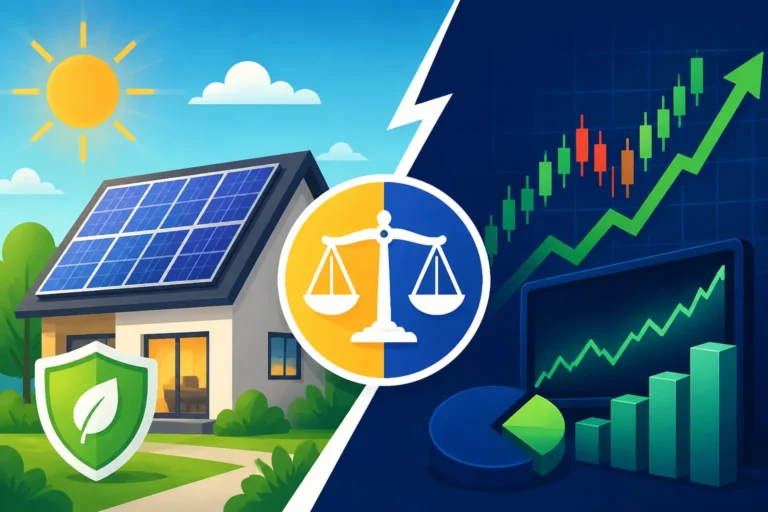
Solar panels and stocks offer distinct financial returns, helping homeowners compare tangible energy savings against traditional market investments.

Solar panels for backup power provide outage protection, but the financial investment requires weighing equipment costs against actual blackout frequency.

On a $30,000 system, the old 30% federal credit meant $9,000 back, so reduced credits stretch the payback period, depending on federal and state changes.

Installing solar panels on an older roof requires evaluating material lifespan, structural load capacity, and deterioration signs.