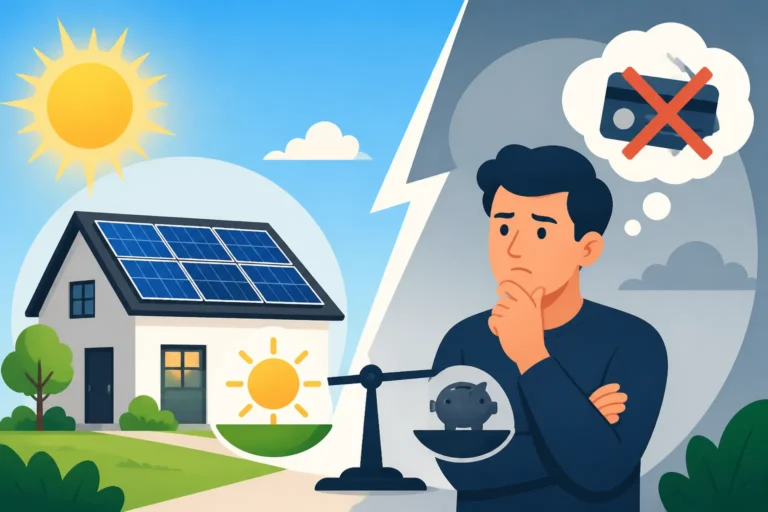
Is Solar Worth It in Missouri?
The rising cost of electricity has so many homeowners across Missouri feeling the pinch, staring at their monthly utility bills and wondering if there's any escape. It's a valid question, especially when you start hearing about solar energy, but then immediately wonder if it even makes sense in the "Show Me State." This guide is here to walk you through the specifics of going solar in Missouri, helping you cut through the confusion and determine if it's a truly worthwhile investment for your home and budget.
Missouri's Unique Solar Landscape
When you’re thinking about solar, the first thing that often comes to mind is sunshine. Missouri might not be the Sunshine State, but it gets a respectable amount of sun that makes solar a viable option for many. However, it's not just about the weather; the local policies, utility rates, and available incentives play an even bigger role in the economic viability of solar for homeowners here.
Sunlight Availability Across Missouri
Missouri generally experiences around 4.5 to 5 peak sun hours per day on average throughout the year. What does "peak sun hours" mean? It's a way to measure the intensity of sunlight, equivalent to an hour of direct sunshine that produces 1,000 watts per square meter. While states like Arizona or California might boast higher numbers, Missouri's sun exposure is more than sufficient to generate significant electricity from solar panels. For instance, a well-situated solar array in Kansas City or St. Louis will produce considerably more power in the summer months than in the shorter, cloudier days of winter, but annual production remains strong. This is why proper system sizing, which we cover in guides like How Many Solar Panels Do I Need for My Home?, is so important.
The actual amount of sun your roof sees can vary widely, though. If you live in a heavily wooded area, or your roof has significant shading from tall buildings, that will impact your system's efficiency. Even seemingly small obstructions like a chimney or vent pipe can cast shadows that reduce the output of an entire string of panels if you're not using microinverters or power optimizers. This is why a professional site assessment is always the first crucial step in determining your home’s solar potential.
Understanding Missouri's Electricity Rates
One of the biggest drivers for going solar anywhere is the rising cost of traditional electricity, and Missouri is no exception. While electricity rates here tend to be slightly below the national average, they are not static. Utilities like Ameren Missouri, Evergy, and Liberty Utilities have seen gradual increases over the years, and there's no indication that this trend will reverse. These incremental increases, often just a few cents per kilowatt-hour, can add up significantly over the 25-30 year lifespan of a solar system.
For example, if you're currently paying, say, $0.12 per kWh, and that rate increases by just 3% annually, your bill could be substantially higher in a decade. Solar energy allows you to lock in your energy costs, essentially pre-paying for decades of electricity at today's rates. This hedge against future rate hikes is a powerful financial benefit that many Missouri homeowners consider. It’s also worth noting that some utilities have tiered rates, where you pay more per kWh the more electricity you use, making solar even more attractive for high-consumption households.
Navigating Net Metering Policies
Net metering is a crucial policy for solar homeowners, and it’s where Missouri's landscape can get a little complicated. In simple terms, net metering allows you to send any excess solar electricity your panels produce back to the grid and receive credits on your utility bill for that power. When your panels aren't producing enough (like at night), you draw electricity from the grid and use those credits to offset the cost.
Missouri's state law mandates net metering for systems up to 100 kW, but the specifics of how utilities credit you can vary. Many utilities in Missouri offer what's called "net metering at the avoided-cost rate" rather than full retail rate. This means the utility buys back your excess power at a lower rate than what they charge you when you pull power from the grid. It's not as advantageous as full retail net metering (which we discuss in our Net Metering Explained: How It Works by State guide), but it still provides a mechanism for you to get value for your excess generation. It's absolutely essential to understand your specific utility's net metering or net billing policy before committing to solar. Companies like Evergy and Ameren Missouri have their own specific programs, so always check the latest rules.
Understanding Solar Incentives and Costs in Missouri
Missouri might not have the most robust state-level solar incentives compared to some other states, but there are still significant financial benefits to consider. Coupling these with the dropping cost of solar equipment and federal incentives can make the investment quite appealing.
State and Local Solar Incentives in Missouri
While the federal solar tax credit (which is still a robust 30% through 2032) is a nationwide benefit, state and local incentives can vary dramatically. Missouri doesn't currently offer a statewide solar tax credit for homeowners, nor does it have a statewide Solar Renewable Energy Credit (SREC) market like some Northeast states. This is a common point of confusion and frustration for many Missourians hoping to see more direct financial assistance from the state.
However, there are a few bright spots. Some municipal utilities or electric cooperatives might offer their own rebate programs or incentives. For example, some may offer small upfront rebates or lower loan rates for solar installations. These programs are often limited in funding and can change frequently, so it requires some local investigation. Platforms like Modernize can be a great resource for finding local installers who are familiar with these specific, sometimes obscure, regional incentives. Additionally, Missouri does have a property tax exemption for the added value of a solar system, meaning your property taxes won't increase just because you've added solar panels – a significant perk we detail in our guide on Solar Property Tax Exemptions by State.
Average Solar Costs and How They've Changed
The cost of solar has dramatically decreased over the past decade, making it more accessible than ever. The average price for a residential solar system in Missouri typically ranges from $2.50 to $3.50 per watt before incentives. For a standard 6 kW (kilowatt) system, this could mean an upfront cost of around $15,000 to $21,000. However, after applying the 30% federal solar tax credit, that cost can drop substantially.
For example, a $20,000 system would effectively cost $14,000 after the tax credit. This is a considerable saving and really helps bring down the Solar Panel Cost by System Size (kW). Remember, this is an average, and your specific cost will depend on factors like your system size, the type of equipment chosen (premium panels, microinverters vs. string inverters), installation complexity, and even the installer's pricing. Getting multiple quotes is always the best way to ensure you're getting a fair price and the right system for your needs.
Factors Influencing Your Solar Return on Investment in Missouri
Deciding if solar is "worth it" boils down to calculating your return on investment (ROI). This isn't a one-size-fits-all answer, especially in Missouri, as several variables will directly impact your payback period and overall savings.
Your Household's Energy Consumption
One of the biggest factors determining your solar ROI is how much electricity your household uses. If you have a high electricity bill – perhaps you have an older home, use a lot of AC, or have a pool pump running frequently – then solar panels have more "work" to do and can offset a larger portion of your expenses. This translates to greater monthly savings and a faster payback period. Conversely, if you're already a very low energy user, your savings might be less dramatic, potentially extending the time it takes for your system to pay for itself.
It’s crucial to look at your past 12-24 months of utility bills to get an accurate picture of your average monthly and annual consumption. This data allows solar installers to accurately size a system that meets your needs, minimizing reliance on grid power while avoiding over-sizing, which could be less cost-effective, especially with Missouri's avoided-cost net metering. Our guide, How Many Solar Panels Do I Need for My Home?, dives deep into how to calculate this.
Your Roof's Suitability and Orientation
The condition, size, and orientation of your roof are paramount. A south-facing roof with little to no shading is ideal for maximizing solar production in the Northern Hemisphere, offering the best sun exposure throughout the day. East and west-facing roofs can also be good, but generally produce less power overall than a south-facing array. North-facing roofs are typically not recommended for solar panel installation due to significantly lower production.
Beyond orientation, consider your roof's age and condition. Solar panels are designed to last 25-30 years, so if your roof is nearing the end of its lifespan, it might make sense to replace it before installing solar. This avoids the costly and complicated process of removing and reinstalling panels just a few years down the line. We address these considerations in more detail in Roof Considerations for Solar Panels. If your roof isn't ideal, a ground-mounted system could be an alternative, though it often comes with a higher upfront cost.
Financing Options and Their Impact
How you pay for your solar system significantly impacts your overall ROI. You generally have a few options: cash purchase, solar loan, or a third-party ownership model like a solar lease or Power Purchase Agreement (PPA).
- Cash Purchase: This offers the highest long-term savings and fastest payback period because you avoid interest payments and dealer fees. You also fully benefit from the federal tax credit directly. If you have the capital, this is often the most financially advantageous route.
- Solar Loan: Many homeowners opt for solar loans, which allow you to pay for your system over time, often with low or zero down payments. While you'll pay interest, the monthly loan payment is often designed to be less than or comparable to your previous electricity bill, leading to immediate monthly savings. You still own the system and are eligible for the federal tax credit. We offer a Solar Loans: Complete Guide to explore this in depth.
- Solar Lease or PPA: In these arrangements, a third party owns and maintains the system on your roof, and you either pay a fixed monthly fee (lease) or pay for the electricity generated at a set rate (PPA). While these options often require $0 down, they typically offer lower long-term savings compared to owning the system outright, and you don't get to claim the federal tax credit. This is a common choice for those who don't want the upfront cost or maintenance responsibilities.
Choosing the right financing option requires a careful look at your financial situation and long-term goals.
Making the Decision: Is Solar Right for Your Missouri Home?
So, after all this, is solar truly worth it in Missouri? The answer, as you might expect, isn't a simple yes or no. It really depends on your individual circumstances, but for many Missouri homeowners, the economics are quite compelling.
Calculating Your Potential Savings and Payback Period
To figure out if solar is worth it for your home, you need to crunch some numbers. Start by getting a few quotes from reputable local installers. A platform like Modernize can help you connect with pre-screened solar companies in your area, making it easier to compare offers. These quotes should include:
- The total upfront cost of the system.
- The estimated annual electricity production.
- Your estimated savings over 20-25 years.
- The estimated payback period – how long it takes for your energy savings to offset the initial investment.
With current electricity rates and the existing incentives, many Missouri homeowners find that a solar system can pay for itself within 10-15 years, sometimes even sooner for homes with high energy consumption. After that payback period, the electricity generated by your panels is essentially free, leading to decades of pure savings. This is a far better return than you'd get from many other home improvement projects, and the peace of mind that comes with energy independence is priceless.
Long-Term Benefits Beyond Immediate Savings
While the financial savings are a huge motivator, there are other significant long-term benefits to consider when going solar in Missouri:
- Increased Home Value: Studies consistently show that homes with owned solar panels sell for a premium and often sell faster than comparable homes without solar. This is a tangible asset that adds value to your property. Learn more about this in our article Do Solar Panels Increase Home Value?.
- Environmental Impact: Reducing your carbon footprint and relying on clean, renewable energy is a powerful personal statement and contributes positively to the environment.
- Energy Independence: Less reliance on the grid means more control over your energy costs and a buffer against future utility rate hikes. While grid-tied solar typically doesn't provide power during outages without a battery, combining solar with a battery storage system can offer true energy resilience, allowing your home to stay powered even when the grid goes down.
- Low Maintenance: Modern solar panels are incredibly durable and require very little maintenance over their lifespan. Typically, a quick rinse a couple of times a year might be all they need, unless you live in a particularly dusty area. This is covered in our Solar Panel Maintenance & Cleaning guide.
When you factor in all these elements – the significant federal tax credit, the property tax exemption, the stable electricity costs, and the long-term benefits to your home and the environment – solar in Missouri moves from a curious idea to a genuinely smart investment for many. The installation process itself, while involving permits and inspections, follows a predictable Solar Installation Timeline: What to Expect. By choosing a reputable local installer, you can ensure a smooth transition to clean energy.
Disclaimer
This information is intended for general guidance only and does not constitute financial, tax, or legal advice. Solar incentives and policies can change, and specific outcomes will vary based on individual circumstances, utility providers, and equipment chosen. It is always recommended to consult with qualified solar professionals and financial advisors for personalized advice.