Is Buying Solar Worth It in Florida in 2026?
Florida homeowners often grapple with the ever-present frustration of soaring electricity bills and the feeling of being at the mercy of their utility companies. Many dream of a more sustainable and predictable energy future, but wonder if actually buying solar panels makes financial sense, especially with all the talk about incentives changing. This comprehensive guide will deep dive into whether investing in a solar energy system for your home in the Sunshine State is a worthwhile endeavor, breaking down the costs, savings, and local considerations you need to know.
Understanding Florida's Unique Solar Landscape in 2026
When you're thinking about going solar in Florida, it's not just about how much sun we get (which, let's be honest, is a lot). You also need to understand the local policies, challenges, and opportunities that make our state a unique environment for solar energy. It's easy to feel overwhelmed by all the conflicting information out there, so let's clear things up.
Sunshine Abundance and Performance
Florida truly lives up to its "Sunshine State" nickname, making it an ideal location for solar power generation. Our abundant sunlight hours throughout the year mean that solar panels can produce a significant amount of electricity consistently. This natural advantage is a huge draw for homeowners considering solar, as it directly translates to higher potential energy production and, therefore, greater savings on your utility bills.
However, it's not just about raw sun exposure. The quality of that sunlight, meaning how directly it hits your panels, matters too. Most of Florida experiences minimal cloud cover compared to many other states, maximizing the efficiency of your system for longer periods each day. This consistent performance is a major factor in improving the Solar Panel Payback Period Explained for Florida homeowners, often leading to quicker returns on investment than in less sunny regions. This favorable climate is a fundamental reason why solar remains a strong consideration here.
Navigating Florida's Solar Policies and Incentives
While Florida boasts incredible solar potential from a weather perspective, the state's policy landscape can be a bit more complex. Unlike some states that offer robust state-specific solar tax credits or large rebate programs, Florida's direct financial incentives for residential solar are more limited. This often leads to a common frustration: homeowners hear about amazing solar deals in other states and wonder why Florida doesn't seem to have similar offerings.
However, that doesn't mean there's nothing. One significant benefit is the state's property tax exemption for solar energy systems. This means that while adding solar panels can absolutely Do Solar Panels Increase Home Value?, the increased value due to the system will not result in a higher property tax assessment. That's a huge win for long-term homeowners. Additionally, Florida offers a sales tax exemption for solar equipment, directly reducing the upfront cost of your installation. While these aren't direct cash-back incentives, they certainly lower the overall investment. For a deeper dive into what's available, check out our guide on Florida Solar Incentives in 2026. It's crucial to understand these nuances to accurately calculate your potential savings.
The Role of Net Metering and Utility Relationships
Net metering is arguably one of the most critical policies for residential solar users, allowing you to send excess electricity generated by your panels back to the grid in exchange for credits on your utility bill. In Florida, while net metering is still available, its future and specific terms can vary by utility and have been the subject of legislative debates. Major utilities like Florida Power & Light (FPL), Duke Energy Florida, and Tampa Electric each have their own tariffs and rules within the state framework.
For example, while some utilities might offer near-retail rate credit for your excess energy, others might only provide a lower "avoided-cost" rate. This difference significantly impacts your long-term savings. Homeowners need to scrutinize the current net metering agreement with their specific utility provider to fully understand how their excess production will be compensated. You can learn more about how this works in our article, Florida Net Metering Rules in 2026. The stability and generosity of these net metering policies are a constant point of concern for many homeowners, and it’s wise to keep an eye on any potential changes that could affect your system's financial performance.
Financial Considerations of Buying Solar in Florida
Okay, let's get down to brass tacks: the money. For most people, the decision to buy solar panels boils down to cost versus savings. It's a significant investment, and you want to be sure you're making a smart financial move. Understanding the current economic landscape for solar in Florida, including system costs, available incentives, and how long it takes to recoup your investment, is absolutely essential.
Upfront Costs and System Pricing in 2026
The initial cost of a solar panel system is often the biggest hurdle for homeowners. Prices can vary widely based on your home's energy needs, the size of the system you install, the quality of components (panels, inverters, batteries), and the complexity of the installation. In Florida, the average cost per watt generally falls in line with national averages, though local market competition can sometimes offer more competitive pricing.
For a typical 6-8 kW residential solar system, you might see upfront costs ranging from $18,000 to $28,000 before any incentives. This can seem daunting, but it’s important to remember that this is a long-term investment. Factors like roof condition, chosen equipment (e.g., premium panels from Maxeon or a robust battery system like a Tesla Powerwall), and labor costs from your chosen installer all play a role. It's always smart to get several quotes. Platforms like Modernize can help you compare offers from different local installers, ensuring you get a fair price for your specific needs. Understanding How Much Do Solar Panels Cost? 2026 Guide can give you a general overview, but local quotes are key.
| System Size (kW) | Avg. Upfront Cost (before incentives) | Estimated Annual Savings (FPL Example) | Estimated Payback Period (Years) |
|---|---|---|---|
| 5 kW | $15,000 – $20,000 | $800 – $1,200 | 12 – 18 |
| 8 kW | $24,000 – $32,000 | $1,300 – $2,000 | 10 – 15 |
| 12 kW | $36,000 – $48,000 | $2,000 – $3,000 | 9 – 14 |
Note: These are estimates based on average Florida electricity rates and sunshine hours in 2026. Actual costs and savings will vary based on your specific utility, energy consumption, system efficiency, and financing terms.
The Federal Solar Tax Credit and Other Financial Levers
One of the most powerful financial incentives that still exists is the federal solar tax credit, officially known as the Investment Tax Credit (ITC). This credit allows homeowners to claim a percentage of their solar energy system's cost as a tax credit, directly reducing their federal tax liability. For systems installed through 2032, the ITC remains at 30%, which is a significant reduction. This isn't a direct rebate, but rather a credit you claim when you file your taxes, so you need to have sufficient tax liability to take full advantage.
Beyond the federal ITC and the state-level property and sales tax exemptions mentioned earlier, some local municipalities or utility companies in Florida might offer their own, albeit smaller, rebate programs. These are often capacity-limited and can change frequently, so it's worth checking with your local government or utility provider, such as FPL's Solar Rebate Program or Duke Energy's initiatives if they are available. When you’re looking at options, consider platforms that allow you to explore various financing routes, whether it’s a cash purchase or a solar loan. Exploring Cash vs Financing Solar: Which Saves More? can help you understand the long-term financial implications of each path.
Calculating Your Return on Investment (ROI) and Payback Period
Determining if buying solar is "worth it" largely comes down to its return on investment (ROI) and how long it takes for your system to pay for itself—your payback period. Given Florida's ample sunshine, the potential for significant electricity bill savings is high, even with fewer state-specific cash incentives compared to some other regions.
Your ROI will be influenced by several factors: the total upfront cost (after incentives), your current electricity rates (which are notoriously high and rising with utilities like FPL), how much electricity your system produces, and any net metering credits you receive. While the average solar payback period in Florida might be slightly longer than in states with more aggressive state incentives, it typically falls within 9 to 15 years for many homeowners. Considering that most solar panel systems come with a 25-year performance warranty, you can expect many years of free electricity production once your system has paid for itself. This long-term outlook is crucial for seeing the true value of your investment.
Beyond the Dollars: Other Factors for Florida Homeowners
While the financial aspect is undoubtedly a major part of the decision, there's more to consider than just the immediate costs and savings. For Florida homeowners, going solar can offer a range of additional benefits and practical considerations that extend beyond your wallet, impacting everything from your home's resilience to its market appeal.
Increasing Home Value and Marketability
One often-overlooked benefit of owning a solar energy system is its positive impact on your property value. Studies consistently show that homes with owned solar panels sell for more and often faster than comparable homes without solar. Buyers are increasingly looking for energy-efficient features, and a home that comes with significantly reduced or eliminated electricity bills is a massive draw. This is especially true in a state like Florida where energy costs can be a significant monthly expense.
Think of it this way: when you're selling your home, having a solar system isn't just an upgrade; it's a tangible asset that delivers immediate, ongoing financial savings to the new owner. It can really help your home stand out in a competitive market. Just make sure the system is owned outright, as leased systems can sometimes complicate home sales. Our guide on Do Solar Panels Increase Home Value? explores this in much more detail.
Energy Independence and Grid Resilience
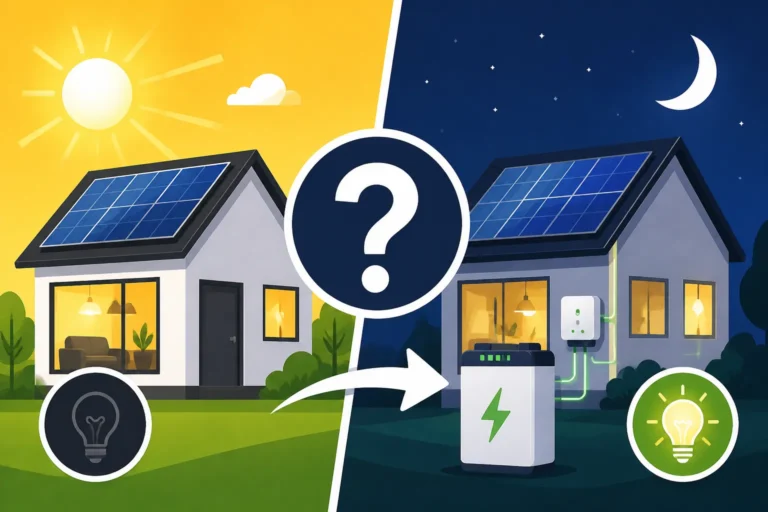
For many Floridians, the idea of energy independence is incredibly appealing. We're all too familiar with hurricane season and the potential for extended power outages. With a grid-tied solar system that includes a battery storage solution like the Tesla Powerwall or an Enphase IQ Battery, you can gain a significant level of resilience. During a power outage, your home can disconnect from the grid and run solely on the power generated by your panels and stored in your battery. This means your lights stay on, your refrigerator keeps running, and your critical appliances remain operational while your neighbors are in the dark.
This peace of mind during severe weather events is a huge non-financial benefit. It’s not just about saving money; it’s about control and security. While adding a battery system does increase the Solar Plus Battery Cost, many homeowners find the added security well worth the investment, especially in hurricane-prone areas. This level of self-sufficiency allows you to mitigate the impact of unpredictable events and volatile utility performance.
Environmental Impact and Future-Proofing
Choosing to install solar panels is a powerful step towards reducing your carbon footprint. By generating clean, renewable energy, you're directly contributing to a healthier planet and reducing reliance on fossil fuels. For many homeowners, this environmental stewardship is a primary motivator, offering a sense of pride and contributing to a sustainable future for Florida.
Beyond the immediate environmental benefits, investing in solar also future-proofs your home against rising energy costs. Electricity rates in Florida have been steadily climbing, and there’s no indication that this trend will reverse. By generating your own power, you lock in your energy costs for decades to come, providing financial predictability that few other home improvements can offer. It’s a long-term strategy against energy inflation and a commitment to cleaner living.
Making an Informed Decision: Is Buying Solar Right for YOU in Florida?
Deciding whether to buy solar panels is a highly personal choice, influenced by your specific circumstances, financial goals, and priorities. In Florida, with its unique blend of abundant sunshine and distinct policy landscape, the decision requires careful thought. There’s no single "yes" or "no" answer that fits everyone, but by considering all the factors, you can confidently determine if buying solar is your next smart move.
Assessing Your Home's Solar Potential
Before you even think about costs, you need to know if your home is a good candidate for solar. This involves a professional assessment of your roof's condition, size, orientation, and shading. A south-facing roof with minimal obstructions from trees or neighboring buildings is generally ideal for maximum sun exposure. However, even east or west-facing roofs can perform very well, especially with modern panel technology.
Don't let minor issues deter you prematurely. Many installers can work around challenging roof layouts or suggest solutions for shading. It's also critical to ensure your roof is in good structural shape and has at least 10-15 years of life left, as installing solar panels often makes roof repairs more complex and costly down the line. A reputable solar installer will conduct a thorough site survey to evaluate all these factors and determine the optimal system size for your needs, factoring in your current energy consumption and future goals.
Comparing Financing Options and Installer Quotes
Once you've determined your home's solar viability, the next critical step is to explore how you'll pay for the system. Buying solar outright with cash offers the best long-term savings by avoiding interest payments and maximizing your ROI. However, this isn't feasible for everyone. Solar loans are a popular option, allowing you to pay for the system over time, much like a mortgage. It's crucial to understand the terms of any loan, including interest rates, fees, and the overall cost. For example, some "no-money-down" solar loans might come with higher dealer fees rolled into the principal, increasing your total system cost.
Regardless of your chosen financing path, always get multiple quotes from different installers. This is perhaps the most important piece of advice we can give. Prices and equipment quality can vary significantly between companies. A platform like Modernize can be incredibly helpful here, connecting you with several pre-screened local installers, allowing you to compare bids side-by-side. Look at the total system cost, the proposed equipment (panels, inverters, batteries), warranties, and the company's reputation and customer service. Reading reviews and asking for references is key to choosing a reliable partner for your solar journey. This proactive approach will help ensure you get the best value and avoid common pitfalls.
Long-Term Vision and Personal Priorities
Ultimately, whether buying solar is "worth it" in Florida in 2026 comes down to your long-term vision and personal priorities. If you plan to stay in your home for many years, are concerned about rising electricity costs, and value energy independence and environmental stewardship, then buying a solar system is likely a fantastic investment. The long-term savings, increased home value, and peace of mind during power outages often outweigh the initial upfront costs, especially when factoring in the 30% federal tax credit and Florida's property and sales tax exemptions.
However, if you're planning to move in the very near future, your payback period might not fully materialize before you sell, though the increased home value could still be a benefit. Similarly, if your roof needs significant repairs or replacement soon, it might be wise to address that first. Consider your lifestyle, your budget, and what truly matters most to you. For many Floridians, the blend of sunny skies, financial incentives, and the desire for a resilient, sustainable home makes buying solar a sound decision for years to come.
Disclaimer
The information provided in this article is for general informational purposes only and does not constitute financial, tax, or legal advice. Solar policies, incentives, and costs can change. We strongly recommend consulting with qualified professionals, including a solar installer, financial advisor, and tax professional, to assess your specific situation and make informed decisions.