Is Solar Worth It in Florida?
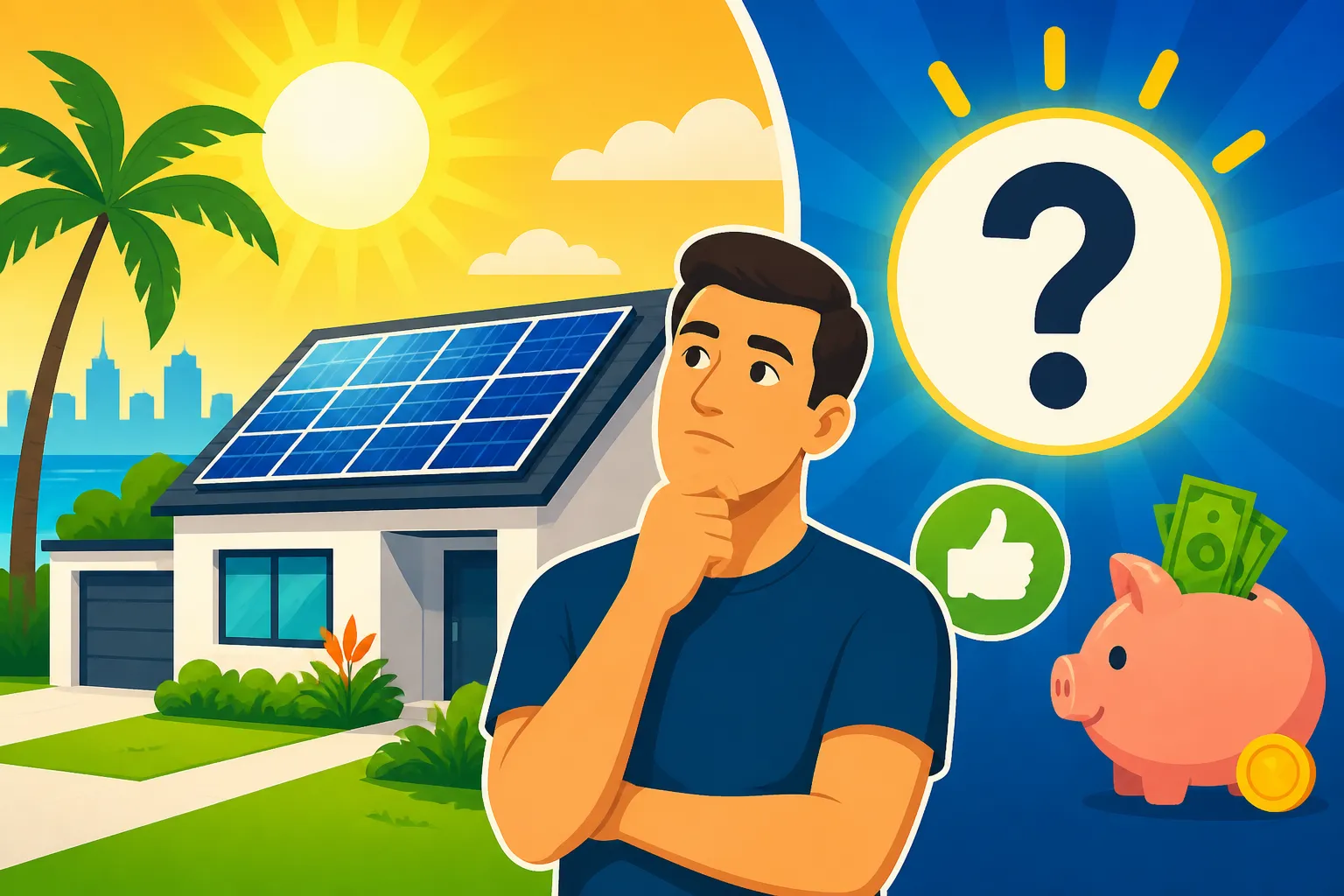
Thinking about going solar in Florida? You're not alone. With those scorching summer days and rising utility bills, it's natural to wonder if harnessing all that Sunshine State power makes sense for your wallet. Many homeowners get frustrated trying to sort through the hype and the technical jargon, but this guide is here to cut through the confusion and help you determine if solar panels are truly a smart investment for your Florida home.
Understanding Florida's Unique Solar Landscape
Florida, affectionately known as the Sunshine State, seems like a no-brainer for solar energy, right? We're blessed with an abundance of clear skies and powerful sun exposure for most of the year. However, living in Florida also comes with its own set of environmental and economic factors that are important to consider when evaluating solar. It's not just about the sun; it's about the entire ecosystem your home operates within.
Abundant Sunshine and Solar Potential
Let's start with the obvious: Florida gets a lot of sun. We average between 230 to 250 sunny days a year, significantly more than the national average. This consistent, strong sunlight is precisely what solar panels need to generate ample electricity. For homeowners, this means that even a moderately sized solar system can produce a substantial amount of power, potentially covering a large portion, if not all, of your home's electricity needs. The high irradiation levels here translate directly into higher energy production from your solar panels, making the return on investment more attractive compared to less sunny regions. This consistent output also makes it easier to predict your energy savings year-round.
Think about it: during those long, hot summer months when your air conditioning is running almost non-stop, your solar panels are also working overtime, often at peak efficiency. This direct correlation between high energy usage and high solar production is a significant advantage for Florida homeowners. It means you're generating the most power exactly when your demand (and thus your electricity bill) is at its highest. This natural synergy can lead to substantial reductions in your monthly utility expenses.
Dealing with Hurricane Season
Now, let's talk about the elephant in the room: hurricanes. Florida's location makes it susceptible to tropical storms and hurricanes, which naturally brings concerns about solar panel durability and reliability. The good news is that modern solar panels and mounting systems are engineered to withstand extreme weather conditions. Florida has some of the strictest building codes in the nation, especially in coastal areas and counties like Miami-Dade, which directly impacts how solar installations are designed and permitted.
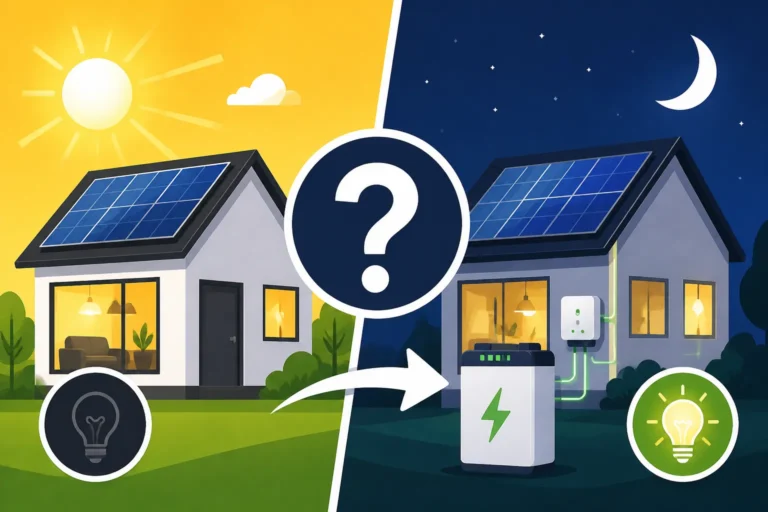
Reputable solar installers in Florida are well-versed in these requirements, ensuring that panels are securely attached to your roof to withstand high wind speeds. Many systems are rated to resist winds exceeding 150 mph. While nothing is truly hurricane-proof, the risk of panels detaching or causing significant roof damage during a storm is often exaggerated, especially with a professional, code-compliant installation. Furthermore, if you're considering a battery storage system, this can be a game-changer during power outages that often follow severe weather. A solar battery can keep your essential appliances running even when the grid goes down, offering a level of energy independence and peace of mind that many Floridians truly value. For more on this, you might want to read about whether you need a battery with solar.
Florida's Electricity Market and Rising Rates
Another critical piece of the "Is solar worth it?" puzzle in Florida is the state of our electricity market. For years, Floridians have seen their electricity rates steadily climb. Major utility providers like Florida Power & Light (FPL), Duke Energy Florida, and Tampa Electric (TECO) have sought and often received rate increases, pushing up the cost of keeping our homes cool and comfortable. These rising rates are a huge frustration for homeowners, making fixed utility costs seem like a distant dream.
This trend of increasing electricity prices significantly enhances the value proposition of solar energy. When you install solar panels, you essentially lock in your electricity costs for the lifetime of your system, typically 25-30 years. As utility rates continue to rise, your savings become even more pronounced over time. This protection against future rate hikes is a powerful financial incentive, essentially turning your roof into a hedge against inflation. For many, this stability and predictability in their household budget are just as valuable as the immediate savings. The long-term financial benefits truly start to shine when you consider how much electricity rates have gone up, and are projected to continue going up, over the next few decades.
Key Solar Incentives and Policies in Florida
While Florida might not boast the same robust state-level financial incentives as some other states, it still offers compelling policies and programs that make solar an attractive proposition. Understanding these can significantly impact your overall return on investment and shorten your solar panel payback period. It’s not just about what you save on your bill, but also what the state and local governments allow you to avoid paying.
Net Metering in Florida: What You Need to Know
Net metering is arguably the most crucial policy for residential solar owners in Florida. It's a billing mechanism that allows you to send any excess solar electricity your panels produce back to the grid and receive credits on your utility bill. Essentially, your electricity meter runs backward when you're generating more power than you're consuming. At the end of the billing cycle, you only pay for your "net" electricity consumption – the difference between the power you pulled from the grid and the power you fed into it.
Florida currently has a statewide net metering rule that ensures utilities compensate solar owners for their excess generation. However, the exact rate of compensation and the longevity of these policies have been subjects of debate and legislative attempts to alter them. As of now, the current rules remain favorable for homeowners. It’s always smart to check the latest regulations with your specific utility, whether it's FPL, Duke Energy, or TECO, as their implementation details can vary slightly. This program is a major driver of solar savings because it allows you to maximize the value of every electron your system produces, rather than needing to store all excess power in a battery. Without net metering, the economic case for solar would be significantly diminished for most homeowners. To learn more about how this works, check out our guide on Net Metering Explained: How It Works by State.
Property and Sales Tax Exemptions
Florida offers two very significant tax benefits for solar installations that can save you thousands of dollars upfront and over the long term. First, there's the Solar Property Tax Exemption. This means that if you install solar panels, the increase in your home's value due to the solar system cannot be factored into your property tax assessment. Without this exemption, adding a valuable asset like solar panels might lead to higher property taxes, offsetting some of your energy savings. This exemption effectively allows you to enjoy the increased home value and energy independence without the typical associated tax burden, which is a massive win for homeowners. You can explore more about this in our article on Solar Property Tax Exemptions by State.
Second, Florida also provides a Solar Sales Tax Exemption. This means you don't pay state sales tax on the purchase and installation of your solar energy system. Considering that solar systems can cost tens of thousands of dollars, a sales tax exemption (Florida's state sales tax is 6%) can translate into substantial upfront savings, easily cutting thousands of dollars from your initial investment. For example, on a $30,000 system, that's a direct $1,800 you save immediately. These tax exemptions, while not a direct cash rebate, are powerful financial incentives that significantly reduce the overall cost of going solar in Florida. Dive deeper into this topic with our guide on Solar Sales Tax Exemptions by State.
Local and Utility Programs
While Florida doesn't have a statewide solar incentive program like some other states, you might still find valuable incentives through local municipalities or your specific utility company. These programs can vary widely by location and utility, so it's crucial to do some localized research. For instance, some cities might offer specific permitting fee waivers or streamlined processes for solar installations.
Your utility provider, such as FPL or Duke Energy, might occasionally offer solar rebate programs, though these are often sporadic and budget-dependent. These utility solar rebates can sometimes provide a direct cash incentive or a credit on your bill for installing a system. It’s always a good idea to check their official websites or contact their energy efficiency departments to see if any current programs are available. Additionally, some counties or cities participate in programs like PACE (Property Assessed Clean Energy) financing, which allows homeowners to finance energy-efficient upgrades, including solar, through an assessment on their property tax bill. These local and utility-specific programs, while less predictable, can add another layer of financial benefit to your solar project. Finding reliable information on these local programs can sometimes feel like a treasure hunt, but it's well worth the effort. Platforms like Modernize can sometimes help connect you with local installers who are knowledgeable about these specific opportunities.
Calculating Your Potential Solar Savings and Payback
Deciding if solar is "worth it" ultimately comes down to the numbers: how much it costs, how much you'll save, and how long it takes for those savings to offset your initial investment. This is where the rubber meets the road, and a realistic assessment of your potential return on investment (ROI) is essential.
Average Solar Costs in Florida
The cost of solar panels in Florida, much like anywhere else, can vary significantly based on system size, equipment quality, installer, and specific installation challenges. However, we can look at averages to give you a baseline. According to recent data, the average cost of solar panels in Florida typically ranges from $2.50 to $3.50 per watt before any incentives. For a typical 6 kW (6,000-watt) system, this would put the gross cost somewhere between $15,000 and $21,000. It's important to remember this is an average; your specific quote could be higher or lower.
Several factors influence this cost, including the brand of panels you choose (e.g., higher efficiency panels like Maxeon or REC might cost more per watt than brands like Jinko or Trina Solar), the type of inverter system (microinverters versus string inverters), and the complexity of your roof. For example, a home with a simple, south-facing asphalt shingle roof will generally have a lower installation cost than a home with a complex tile roof or significant shading issues. It’s also worth noting that prices can fluctuate based on supply chain dynamics and market demand. Getting multiple quotes from different installers, perhaps through a service like Modernize, is always recommended to ensure you're getting a competitive price. For a comprehensive look at what contributes to the price, read our guide on How Much Do Solar Panels Cost? 2026 Guide.
Factors Influencing Your ROI
Your return on investment (ROI) from solar panels isn't just about the initial cost and current electricity rates. Several other factors play a critical role in determining how much money you'll ultimately save and how quickly your system pays for itself.
- Electricity Consumption: The more electricity your household consumes, the more you stand to save by generating your own power. If you have high AC usage, a pool pump, or electric vehicle charging, solar will likely provide a greater financial benefit.
- Utility Rates: Florida's rising electricity rates mean that your solar savings will likely increase over time. The higher your utility's rates, the more valuable each kilowatt-hour produced by your solar panels becomes.
- System Size and Production: A properly sized system, designed to meet your household's specific energy needs and maximize sun exposure, will yield the best ROI. An undersized system won't cover enough of your usage, while an oversized one might produce more than you can efficiently use or get compensated for.
- Shading: Any significant shading from trees, chimneys, or neighboring buildings can reduce your panels' efficiency and, consequently, your energy production and savings.
- Maintenance: While solar panels require minimal maintenance, factors like occasional cleaning (especially in dusty or pollen-heavy areas) can affect performance. Most systems come with robust warranties, so major component failures are rare but can impact long-term ROI.
- Financing Method: Whether you pay cash, take out a solar loan, or opt for a lease or PPA, your financing choice will significantly impact your net savings. Cash purchases typically yield the highest ROI but require a large upfront investment.
- Home Value Increase: Solar panels can increase your home's resale value. In Florida, with its property tax exemption for solar, this added value is a pure gain when you sell your home. Learn more about this in Do Solar Panels Increase Home Value?.
Estimating Your Payback Period
The payback period is the time it takes for your cumulative energy savings to equal your initial investment in the solar system. For Florida homeowners, payback periods are generally quite favorable, often ranging from 7 to 12 years, depending on all the factors we just discussed. After this period, your system is essentially "free," and the electricity it generates is pure savings.
To estimate your personal payback period, you'd typically calculate your total system cost (minus any upfront incentives or rebates) and divide it by your annual electricity savings. For instance, if your system costs $20,000 after incentives and saves you $2,000 per year on electricity, your simple payback would be 10 years. However, a more accurate calculation would also factor in the annual escalation of electricity rates and the slight degradation of solar panel efficiency over time.
Consider a homeowner in Orlando, for example, who installs a 7 kW system. Their gross cost might be around $24,500. After accounting for the federal tax credit (if applicable to their specific installation year) and the Florida state tax exemptions, their net out-of-pocket might drop significantly. If their average monthly electricity bill was $200, and solar reduces it to $20, they're saving $180 a month, or $2,160 a year. In this scenario, their payback could be as quick as 9-10 years. After that, for the remaining 15-20+ years of the system's life, they're enjoying essentially free electricity. This long-term financial stability and energy independence are what make solar so appealing in a state like Florida where energy demands are consistently high. Dive deeper into understanding this in Solar Panel Payback Period Explained.
| Factor | Impact on Florida Solar ROI | Notes |
|---|---|---|
| Sunshine | Very High | Abundant sunny days lead to high energy production and savings. |
| Electricity Rates | High (and Rising) | Higher utility rates make solar savings more significant over time. |
| Net Metering | High | Allows homeowners to get credit for excess energy sent to the grid, maximizing savings. |
| Property Tax Exemption | High | Prevents higher property taxes due to increased home value from solar. |
| Sales Tax Exemption | Medium | Reduces upfront cost by eliminating state sales tax on equipment and installation. |
| Hurricane Risk | Medium | Requires robust, code-compliant installations; may necessitate battery backup for resilience. |
| HOA Restrictions | Medium | Can pose hurdles, requiring careful navigation of community rules and state laws. |
| Upfront Cost | Varies | Ranges typically $15,000-$21,000 for a 6kW system; influenced by equipment and installer. |
| Payback Period | Good | Often 7-12 years, leading to decades of free electricity once paid off. |
| Home Value | Positive | Solar typically increases home value, especially in a desirable, high-energy-demand market like Florida. |
Financing Your Solar System in the Sunshine State
Even with all the benefits, the upfront cost of a solar system can be a barrier for many. The good news is that there are several financing options available in Florida, each with its own pros and cons. Choosing the right one for your financial situation is just as important as choosing the right panels.
Cash Purchase vs. Solar Loans
Paying for your solar system with cash is often the most financially advantageous option in the long run. When you purchase a system outright, you immediately own the asset and capture 100% of the energy savings from day one, without any interest payments or loan fees. This typically leads to the shortest payback period and the highest overall return on investment. The federal solar tax credit (if applicable to your installation year) and Florida's tax exemptions directly benefit cash buyers by reducing the net cost. However, not everyone has tens of thousands of dollars readily available for a home improvement project, making cash less feasible for many.
For those who don't want to pay cash, a solar loan is a popular alternative. Solar loans allow you to finance the entire system cost, usually with little to no money down. These can be secured loans (like a home equity loan or HELOC) or unsecured personal loans specifically designed for solar. The main benefit is that you own the system, qualify for any applicable tax credits, and start saving on your electricity bill immediately, often with monthly loan payments that are less than or comparable to your previous utility bill. It’s essentially trading a utility bill for a solar loan payment, but with the added benefit of building equity in your home and locking in your energy costs. Interest rates and loan terms can vary widely, so it's critical to shop around and compare offers from different lenders. A downside can be the interest paid over the life of the loan, which can eat into your overall savings. For a deeper dive into the different options, check out our guide on Solar Loans: Complete Guide.
Understanding Solar Leases and PPAs
Solar leases and Power Purchase Agreements (PPAs) are "third-party ownership" models that allow you to get solar panels installed on your home with little to no upfront cost. Instead of buying the system, you essentially pay a solar company to host their panels on your roof.
With a solar lease, you pay a fixed monthly fee to the solar company for the right to use the electricity generated by the panels. This fee is often lower than your previous electricity bill, leading to immediate savings. The solar company typically owns, maintains, and monitors the system.
A Power Purchase Agreement (PPA) is similar, but instead of paying a fixed monthly lease payment, you agree to buy the electricity generated by the panels at a fixed per-kilowatt-hour rate, which is usually lower than your utility's rate. This rate might have a small annual escalator (e.g., 2-3%), but it still offers predictable savings compared to fluctuating utility rates.
Both leases and PPAs can be attractive for homeowners who want to go solar without the large upfront investment or the responsibility of ownership. The solar company handles all maintenance and repairs, and often guarantees a certain level of performance. However, a major drawback is that you typically do not qualify for tax credits or other incentives designed for system owners. Additionally, leases and PPAs can sometimes complicate the sale of your home, as the new buyer must assume the contract. They also usually result in less overall savings compared to buying the system outright. For a full comparison, see Solar Lease vs PPA vs Buy: Which Is Best?.
Finding Reputable Installers and Quotes
Regardless of how you choose to finance your solar system, selecting a reputable and experienced solar installer is paramount, especially in a hurricane-prone state like Florida. A good installer will not only ensure a high-quality installation that meets all local building codes but will also help you navigate the permitting process, interconnection agreements with your utility, and ensure you understand all available incentives.
When looking for installers, ask for multiple quotes – at least three, if possible. This allows you to compare not just prices, but also the proposed equipment, warranties, and estimated production. Be wary of high-pressure sales tactics or quotes that seem too good to be true. A transparent installer will provide a detailed breakdown of costs, clearly explain the equipment being used (panels, inverters, mounting hardware), and offer strong warranties on both the equipment and their workmanship. Check their licensing, insurance, and customer reviews on platforms like the Better Business Bureau or Google. Websites like Modernize can be a great resource for connecting with pre-vetted local solar installers in Florida, allowing you to easily gather and compare multiple quotes without having to search for each company individually. Don't rush into a decision; take your time to understand all aspects of the proposals. A thorough installer will also conduct a detailed site survey to assess your roof's condition, shading, and structural integrity, ensuring your home is truly ready for solar. This due diligence is key to a smooth and successful solar transition. For more information on this process, consider reading How to Choose a Solar Installer.
Challenges and Considerations for Florida Homeowners
While the benefits of solar in Florida are clear, it's also important to be realistic about potential challenges. Every home is unique, and what works perfectly for one homeowner might present hurdles for another. Being aware of these considerations upfront can save you headaches down the road.
Roof Suitability and Age
Your roof is the foundation for your solar system, so its condition and characteristics are critical. First and foremost, the age and structural integrity of your roof must be able to support the weight of the panels and last for the system's expected lifespan (25+ years). If your roof is nearing the end of its life, say it's older than 10-15 years and has significant wear, it's almost always recommended to replace it before installing solar. The reason is simple: if you need a new roof a few years after solar installation, the panels will have to be temporarily removed and then reinstalled, adding significant cost and hassle.
Beyond age, the material and pitch of your roof also play a role. Asphalt shingles are common and generally easy for solar installations. Tile roofs, while beautiful, can be more complex and costly to work with due to the delicate nature of the tiles. Flat roofs might require a racking system that angles the panels for optimal sun exposure, which can add to installation costs. A reputable solar installer will always perform a thorough site survey to assess your roof's condition, structural capacity, and shading patterns to ensure it's a good candidate for solar. Don't skip this crucial step, as it's foundational to a successful and long-lasting solar system.
Navigating HOA Restrictions
Homeowners Associations (HOAs) are prevalent throughout Florida, and they can sometimes present challenges for solar installations. Many HOAs have strict rules regarding exterior modifications, including the appearance and placement of solar panels. While Florida law (specifically Florida Statute 163.04) generally protects a homeowner's right to install solar panels, stating that an HOA "may not prohibit a property owner from installing solar collectors," there are still limitations. HOAs can impose reasonable restrictions concerning the placement of panels, as long as these restrictions do not significantly impair the system's performance or increase its cost.
This means an HOA might require panels to be on a specific roof plane, or might have aesthetic guidelines. Navigating these rules requires homeowners to be diligent. It's essential to understand your HOA's specific covenants and review them with your chosen solar installer. Your installer should be experienced in dealing with HOA approvals and can help prepare the necessary documentation to ensure your proposed system meets both performance requirements and HOA guidelines. While the law is on your side, clear communication and proactive engagement with your HOA are key to a smooth process.
Long-Term Performance and Maintenance
Once your solar system is up and running, it generally requires very little maintenance, which is a big part of its appeal. Modern solar panels are built to be durable and self-cleaning, with rain usually sufficient to wash away most dust and debris. However, "very little" doesn't mean "no" maintenance. In Florida, factors like pollen accumulation, salt spray (for coastal homes), and even bird droppings can sometimes build up and reduce efficiency over time. Occasional cleaning might be beneficial, especially if you notice a drop in energy production.
Beyond cleaning, it's wise to regularly monitor your system's performance using the provided monitoring apps or platforms. This allows you to quickly identify any potential issues, such as a panel underperforming or an inverter needing attention. Most systems come with robust warranties: a product warranty (typically 25 years for panels, 10-12 years for inverters) and a performance warranty (guaranteeing a certain output over 25 years). Understanding these warranties is important for long-term peace of mind. While solar panels are designed to last, issues can occasionally arise, and knowing who is responsible for what will save you stress. The overall expectation is that your solar system will reliably produce clean energy for decades with minimal intervention, contributing significantly to your long-term energy independence and savings in Florida.
Conclusion: Is Solar Worth It in Florida?
So, after all this, is solar truly worth it in Florida? For most homeowners, the answer is a resounding yes. While we might not have the most aggressive state-level cash incentives, Florida's abundant sunshine, rising electricity rates, and strong net metering policies create a very favorable environment for solar investment. The substantial tax exemptions on property and sales tax also significantly boost your financial returns, making it an excellent hedge against future utility rate hikes.
While challenges like hurricanes and HOA restrictions require careful planning, reputable installers are well-equipped to navigate these. With typical payback periods ranging from 7 to 12 years, you can look forward to decades of significantly reduced or even eliminated electricity bills, increasing your home's value, and gaining greater energy independence. If you're tired of those ever-increasing power bills and want to take control of your home's energy future, getting multiple quotes from trusted local installers is your next logical step.
Disclaimer
The information provided in this article is for general informational purposes only and does not constitute financial, tax, or legal advice. Solar incentives, costs, and policies can change rapidly. Readers should consult with qualified professionals and conduct their own research to verify current information specific to their location and circumstances.