Does North Carolina Have Net Metering in 2026?
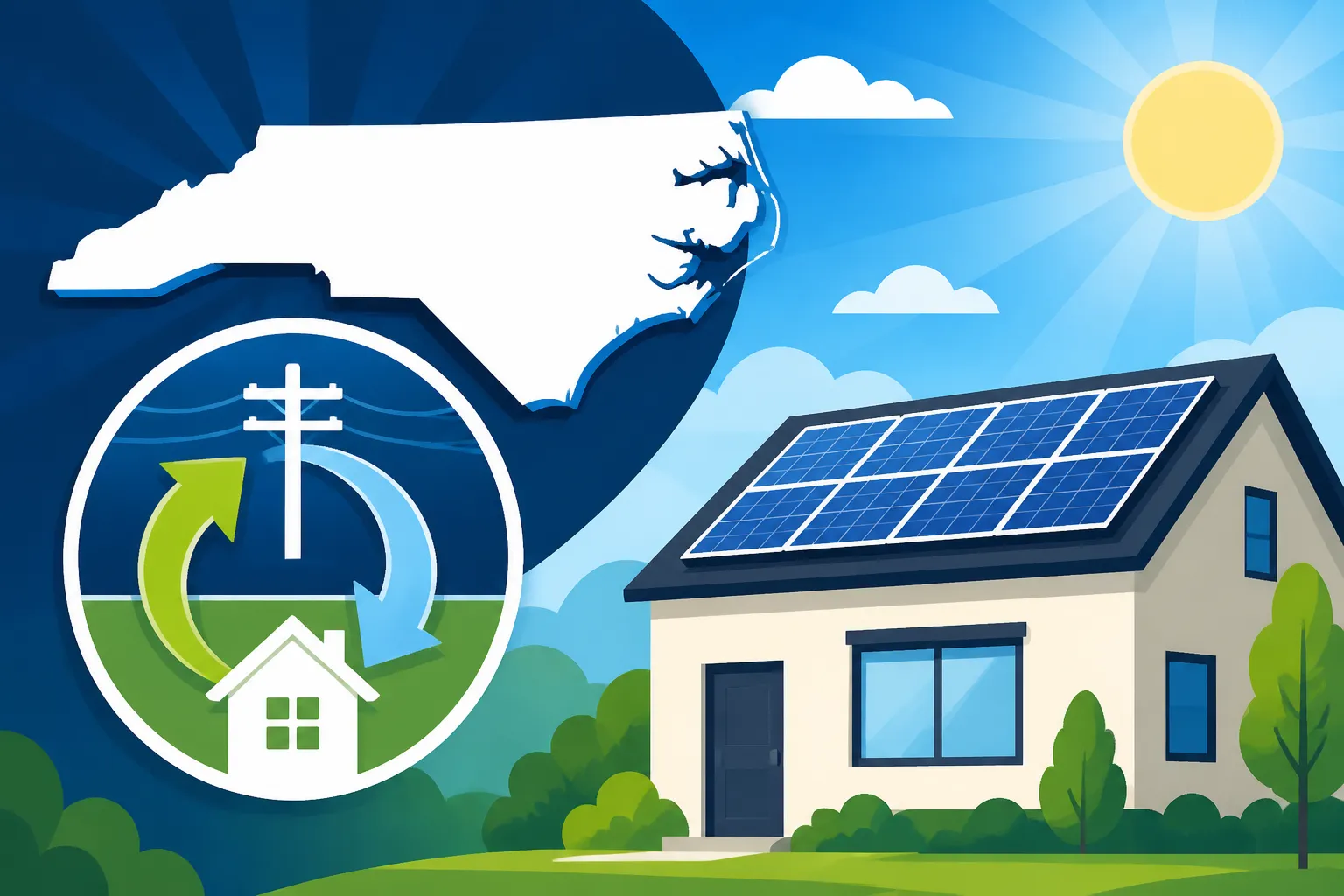
North Carolinians are currently navigating a complex and often frustrating shift in how home energy is valued, specifically regarding the transition from traditional net metering to Duke Energy’s new billing structures. If you are feeling overwhelmed by the technical jargon of "Bridge Rates" and "Net Billing Tariffs," you are not alone. This guide meticulously explains the current state of net metering in North Carolina for 2026, helping you maximize your investment despite the changing regulatory landscape.
The Evolution of Solar Credits in North Carolina
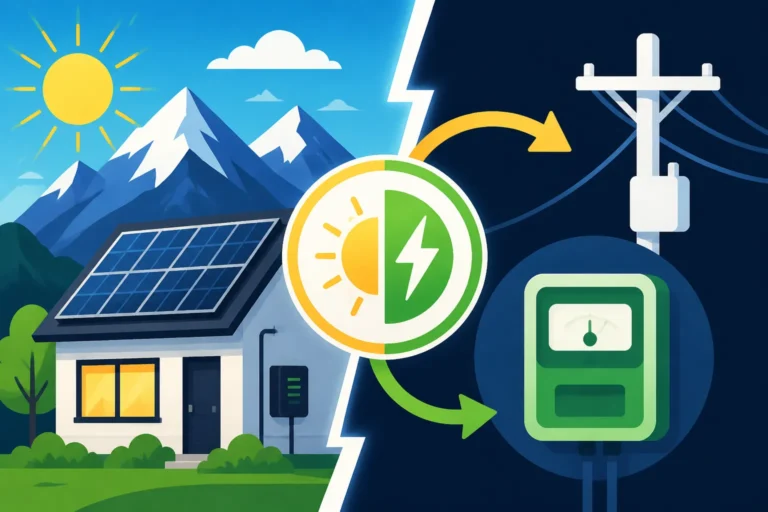
For nearly a decade, North Carolina was the undisputed king of solar in the Southeast. The deal was simple: you installed panels, and for every kilowatt-hour (kWh) you sent back to the grid, Duke Energy gave you a one-to-one credit on your bill. It was fair, easy to understand, and made the math for going solar very attractive. However, as we move through 2026, that "Retail Rate" net metering is largely a thing of the past for new applicants. The North Carolina Utilities Commission (NCUC) approved a massive overhaul that moved the state toward a "Net Billing" model, which fundamentally changes how your solar energy is valued.
The transition was driven by the "Carbon Plan," a legislative mandate requiring Duke Energy to reach certain carbon reduction goals while maintaining grid reliability. From the utility's perspective, they argued that solar customers weren't paying their fair share for the upkeep of the grid wires and poles. From a homeowner's perspective, it felt like a rug-pull. Today, instead of a simple 1:1 swap, we have a system that uses Time-of-Use (TOU) rates. This means the value of the electricity you produce changes depending on the time of day. While this sounds like a headache, understanding Net Metering Explained: How It Works by State can help you see that North Carolina is actually following a national trend seen in places like California.
If you already had solar installed before these changes took effect in late 2023, you were likely "grandfathered" into the old rules for a set period. But for anyone looking at North Carolina Solar Incentives in 2026, the reality is that you are entering the era of Net Billing. This does not mean solar isn't worth it; it just means the strategy has shifted from "overproducing for credits" to "smart consumption and storage."
Understanding the Net Billing Tariff NBT and the Bridge Rate
As of 2026, North Carolina homeowners primarily deal with two paths: the Net Billing Tariff (NBT) or, for some, a dwindling "Bridge Rate" option. The NBT is the long-term destination for the state's solar policy. Under this system, the energy you consume from your panels is still "free" (as you aren't buying it from the utility), but the energy you export to the grid is credited at a lower, "avoided-cost" rate. Furthermore, you are moved to a Time-of-Use (TOU) rate schedule, where electricity costs significantly more during "Peak" hours—typically late afternoon and early evening when everyone gets home and turns on their HVAC systems.
The NBT also includes something called "Non-Bypassable Charges" (NBCs). These are small fees per kWh that everyone must pay to support low-income programs and energy efficiency initiatives, regardless of how much solar you produce. It can be frustrating to see your panels producing enough to cover your whole house, yet you still see a small charge on your bill. To see how these fees compare to other regions, you might look at California NEM 2.0 vs NEM 3.0 Explained to realize that NC's transition, while strict, still offers more favorable terms than some of the more aggressive "Net Billing" states.
The "Bridge Rate" was designed as a temporary compromise. It allowed homeowners to keep a version of net metering that felt more like the old 1:1 system but included a monthly "grid access fee." This was intended to help the industry transition without a total collapse in sales. However, by 2026, the availability of these bridge rates is limited, and most new systems are being funneled into the NBT. This is why many residents are now asking Is Solar Worth It in North Carolina? The answer is a resounding yes, but the ROI calculation now almost always requires a battery to make the numbers sing.
Why Solar plus Storage is the New Standard in North Carolina
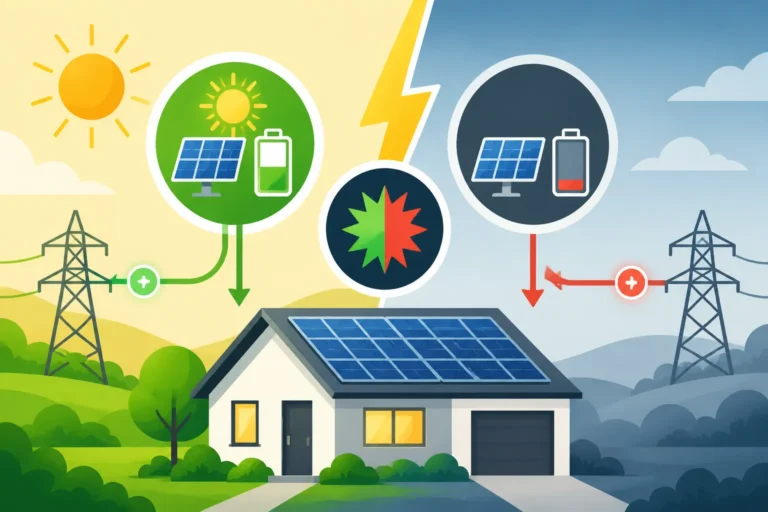
If there is one thing you take away from this guide, it should be this: in 2026, North Carolina is a "Solar + Battery" state. Under the old rules, the grid acted as your free "virtual battery." You could send extra power there during the day and pull it back at night for free. Now, because Duke Energy credits your daytime exports at a lower rate and charges you a high rate at night, the "virtual battery" has a very high "rental fee." By installing a physical battery, like a Tesla Powerwall or an Enphase IQ, you can store that mid-day sun and use it yourself during the expensive evening peak hours.
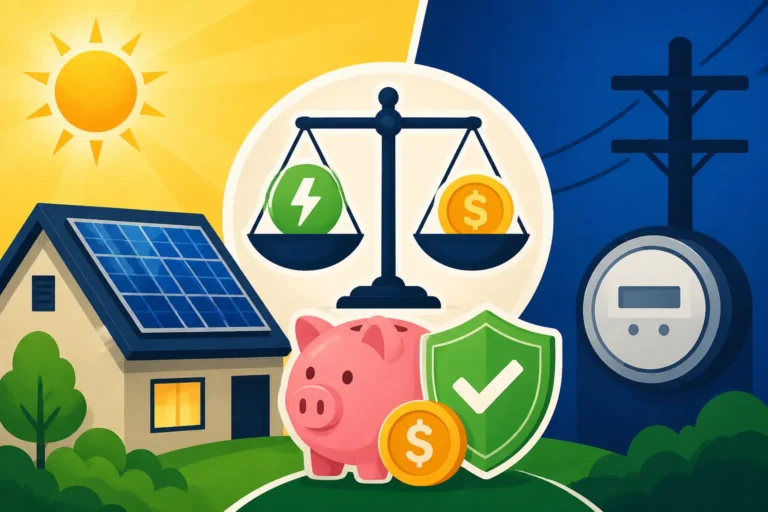
This strategy is known as "self-consumption." When you use your own stored power, you are essentially saving the full retail price of electricity (which continues to rise in Charlotte, Raleigh, and Asheville). To help homeowners make this shift, programs like "PowerPair" have been introduced. PowerPair offers significant rebates—sometimes thousands of dollars—specifically for homeowners who install solar and a battery at the same time. When you combine these utility rebates with Federal Solar Incentives That Still Exist in 2026, the upfront cost of the battery is significantly mitigated.
Beyond the financial credits, having a battery provides peace of mind. North Carolina is no stranger to extreme weather, from hurricanes on the coast to ice storms in the Piedmont. A battery ensures that even when the grid goes down, your lights stay on. When you look at Are Solar Batteries Still Eligible for Incentives in 2026?, it becomes clear that the government and utilities are pushing everyone toward a more decentralized, resilient grid. The days of "set it and forget it" solar are over; the era of the "home power plant" has arrived.
| Feature | Old Net Metering (NEM 1.0) | New Net Billing Tariff (NBT) |
|---|---|---|
| Credit Value | 1:1 Retail Rate (Full Value) | Avoided Cost Rate (Lower Value) |
| Rate Structure | Flat Rate (usually) | Time-of-Use (Variable Pricing) |
| Grid Access Fees | Minimal or None | Monthly Fixed Fees + NBCs |
| Best Strategy | Maximize System Size | Maximize Self-Consumption (Battery) |
| Payback Period | 6–9 Years | 8–11 Years (without battery) |
| Rebate Eligibility | Basic Incentives | PowerPair & Storage-specific Rebates |
Maximizing Your ROI Under North Carolina's 2026 Rules
To get the best possible return on your investment in the current climate, you need to be strategic. The first step is to size your system correctly. In the old days, we often recommended "oversizing" the system by 10-20% to account for future needs like an Electric Vehicle. Today, oversizing without a battery can actually hurt your ROI because the excess energy you sell back to Duke Energy is worth so little. You want to size your system to cover your actual daytime needs and fill your battery, rather than just pumping as much as possible into the grid.
Secondly, you must take advantage of every available "stackable" incentive. North Carolina offers excellent Solar Property Tax Exemptions by State protections. This means that while your home value might increase significantly due to the solar and battery installation, the local tax assessor in Wake or Mecklenburg County cannot raise your property taxes based on that added value. This is a hidden "rebate" that stays with you for as long as you own the home. Furthermore, make sure you understand How to Claim Remaining Solar Tax Credit Carryforward if your system is large enough that the 30% federal credit exceeds your tax liability in a single year.
Finally, work with an installer who understands the "Permission to Operate" (PTO) process in the NBT era. The paperwork for interconnecting a solar + storage system is more complex than a simple solar-only system. You need to ensure your contractor is well-versed in Duke Energy’s specific requirements for the PowerPair program and the NBT filing process. Delays in PTO can cost you hundreds of dollars in lost savings. If you are unsure about the timeline, checking What Is Permission to Operate (PTO)? can give you a realistic expectation of how long you'll be waiting after the panels are on your roof before you can flip the switch.
How to Navigate Utility-Specific Nuances
It is important to remember that North Carolina is served by multiple utilities, and the rules can vary. While Duke Energy (Carolinas and Progress) covers the vast majority of the state, those served by Dominion Energy or local Electric Cooperatives may have slightly different net metering rules. Most cooperatives in NC have also moved toward some form of "avoided cost" or "net billing" structure, though some still offer more generous terms than the big investor-owned utilities.
If you are in a rural area served by a Co-op, ask specifically about their "buy-back" rate. Some Co-ops offer a "dual meter" system where all solar production is bought by the utility at one rate, and all house consumption is sold at another. This is different from the NBT and requires a different financial calculation. Regardless of your utility, always check What Is the Solar Payback Period in North Carolina in 2026? for your specific region, as the local sunshine hours in Wilmington are slightly better than in the mountains near Boone, which subtly affects your annual production.
By staying informed and adapting to the new "Net Billing" reality, you can still achieve energy independence. The goal in 2026 is no longer just to "zero out" your bill through exports; it is to protect yourself from rising utility rates by becoming your own primary power provider. It requires more planning and a higher initial investment in storage, but the long-term security of a solar + battery home in North Carolina remains one of the best upgrades you can make for your property.
North Carolina Solar Disclaimer
The information provided in this guide is for educational purposes only and does not constitute financial, tax, or legal advice. Solar policies, utility rates, and incentive programs in North Carolina are subject to frequent changes by the North Carolina Utilities Commission and individual utility providers. Always consult with a qualified solar professional and a tax advisor to confirm current rates and eligibility for specific rebates or credits in your local area before making a purchase.