New Hampshire Solar Incentives in 2026
Thinking about going solar in the Granite State? It's easy to feel overwhelmed by all the different incentives and wonder if you're truly getting the best deal. Many homeowners in New Hampshire find themselves sifting through complex jargon, trying to figure out what programs apply to them and if solar is genuinely a smart financial move. This guide is here to cut through the confusion and lay out exactly what New Hampshire solar incentives are available, helping you understand your options and maximize your savings.
Understanding the Federal Solar Investment Tax Credit
Let's start with the big one, the federal incentive that really helps make solar an attractive option across the entire country: the Solar Investment Tax Credit (ITC). It's easy to get confused with all the changes and questions like "Is the Solar Tax Credit Gone in 2026?". But rest assured, it's still very much alive and kicking, offering a significant financial boost to homeowners who go solar.
How the Federal ITC Works for New Hampshire Homeowners
The federal solar tax credit allows you to deduct a percentage of the cost of your solar energy system from your federal taxes. For systems installed in 2026, this credit is still at a robust 30%. This isn't just a small deduction; it's a direct dollar-for-dollar reduction in what you owe to the IRS. So, if your solar system costs $25,000, you could be looking at a $7,500 tax credit. It's a massive incentive that makes a substantial difference in the overall payback period for your solar investment. This credit applies to both the cost of your solar panels and any associated equipment, like solar batteries, which are becoming increasingly popular for backup power and maximizing energy independence.
What's really great about the ITC is its broad applicability. It's not tied to your income level or specific utility, unlike some state or local programs. As long as you own your solar system (sorry, leased systems don't qualify for the homeowner directly, though the leasing company may benefit), you're eligible. It's important to remember that this is a tax credit, not a rebate. This means it reduces your tax liability. If your tax liability is less than the credit amount, you can often carry forward the unused portion of the credit to future tax years, ensuring you get the full benefit. It’s always a good idea to chat with a tax professional to understand how it specifically applies to your individual financial situation.
Eligibility and Claiming the Credit
To qualify for the federal ITC, your solar panel system must be new and placed in service during the tax year. This means the installation must be complete, and the system must be operational. The credit applies to systems installed on your primary residence or a secondary home. It covers not just the panels themselves, but also labor costs for installation, wiring, inverters, mounting equipment, and even energy storage devices like batteries when installed in conjunction with your solar system.
Claiming the credit involves filling out IRS Form 5695, "Residential Energy Credits," and attaching it to your federal income tax return. You'll need to keep good records of your solar system's cost, including invoices and receipts from your installer. The good news is that most reputable solar installers are very familiar with this process and can guide you on what documentation you'll need. This ongoing federal support for solar, extending well into the future, is a key reason why many homeowners are finding that Is Solar Worth It? – the answer is often a resounding yes.
New Hampshire State-Specific Solar Incentives and Programs
Beyond the federal push, New Hampshire offers its own suite of programs designed to encourage homeowners to embrace solar energy. While the Granite State might not have the most aggressive state-level incentives compared to some of its neighbors, there are still valuable opportunities to reduce your upfront costs and improve your long-term savings.
Net Metering in New Hampshire
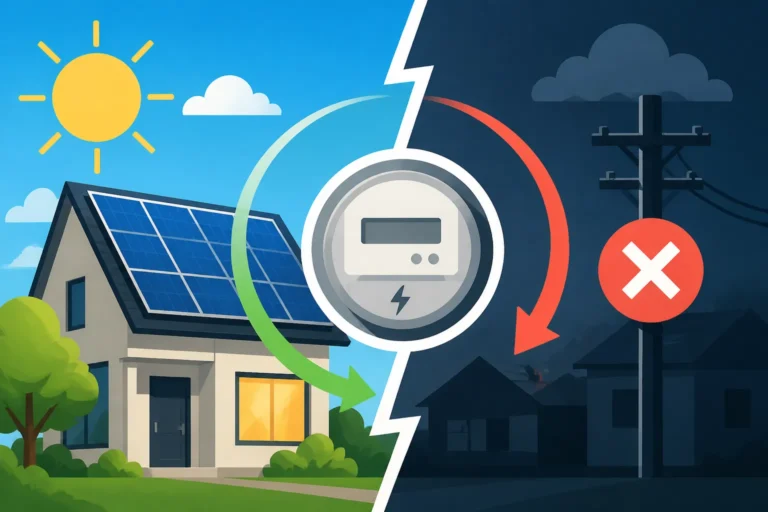
One of the most crucial incentives for any grid-tied solar system is net metering. This policy allows you to send any excess electricity your solar panels produce back to the grid and receive credits on your utility bill. Think of it like a banking system for your electricity: when your panels produce more than you use, the "extra" goes to the grid, and your meter essentially spins backward (or your digital meter logs the export). When your panels aren't producing enough (like at night or on cloudy days), you draw power from the grid, and those credits offset the cost.
New Hampshire's net metering policy is generally favorable, allowing customers to receive full retail credit for the excess electricity they send back to the grid, up to a certain system size. Specifically, the state allows net metering for systems up to 1 megawatt (MW) for residential and commercial customers. This means that for typical home solar systems, you're getting the best possible value for your surplus generation. This mechanism drastically reduces your reliance on your utility company and can lead to significant savings on your monthly electricity bills. Understanding the nuances of Net Metering Explained: How It Works by State is crucial for maximizing your solar investment.
Property Tax Exemptions for Solar
One common concern homeowners have when considering solar is whether installing panels will cause their property taxes to skyrocket. After all, a solar energy system can significantly increase your home's value, which traditionally would lead to higher property taxes. Thankfully, New Hampshire addresses this concern with a statewide property tax exemption for solar energy systems.
Under New Hampshire Revised Statutes Annotated (RSA) 72:61, eligible solar energy systems are exempt from local property taxation. This means that while your home's value may increase due to the addition of solar panels, the value attributable specifically to the solar system won't be assessed for property tax purposes. This is a huge benefit, as it removes a potential barrier to adoption and ensures that the financial gains from solar aren't eaten away by increased annual taxes. This exemption applies as long as the system is used to generate energy for heating or cooling, or for the production of electricity, and meets certain performance standards. This is a significant aspect of Solar Property Tax Exemptions by State that makes solar more financially appealing for homeowners across New Hampshire.
Other Local and Utility-Specific Programs
While statewide programs like net metering and property tax exemptions form the bedrock of New Hampshire's solar incentives, it's always a good idea to check with your specific electric utility for any additional rebates or programs they might offer. Utilities like Eversource, Liberty Utilities, and Unitil, which serve various parts of New Hampshire, sometimes have their own incentives to promote renewable energy.
For instance, some utilities might offer small upfront rebates or specific programs for energy efficiency upgrades that pair well with solar. These aren't always widely advertised, so a quick call or a visit to their website's "energy efficiency" or "renewables" section can uncover hidden gems. Additionally, some municipalities in New Hampshire might occasionally run local programs, although these are less common for direct solar installation rebates and more often focus on community solar initiatives or general energy efficiency. Always remember to ask your chosen solar installer, as they are often well-versed in all available local programs and can help you identify and apply for anything relevant. This is particularly useful when exploring Utility Solar Rebates: How to Find Yours.
Financial Considerations and Long-Term Savings
Diving into solar isn't just about the immediate incentives; it's about the long-term financial picture. When you combine federal and state benefits with the inherent savings of generating your own electricity, solar in New Hampshire often paints a very positive financial outcome.
Payback Period and Return on Investment
The payback period is the amount of time it takes for your solar system's savings to offset its initial cost. In New Hampshire, thanks to strong net metering and the federal tax credit, many homeowners can expect a reasonable payback period. While specific numbers vary based on system size, electricity usage, and installation costs, it's typically in the range of 8-12 years. After this point, the electricity your system generates is essentially free, leading to significant savings over the system's 25-30+ year lifespan.
Beyond the payback period, consider the overall return on investment (ROI). With electricity rates often increasing over time, locking in your electricity costs with solar can provide substantial savings in the long run, often amounting to tens of thousands of dollars over the lifetime of your system. Plus, a solar energy system significantly increases your home's value, and with the property tax exemption, that added value comes without the tax burden. This makes understanding Solar Panel Payback Period Explained and Are Solar Panels Worth It in 2026? vital for a complete financial assessment.
Comparing Financing Options
Investing in solar isn't a one-size-fits-all scenario, and neither are the financing options. In New Hampshire, you'll generally encounter a few main ways to pay for your system:
- Cash Purchase: This offers the highest long-term savings and the quickest payback period, as you avoid interest payments and benefit fully from all incentives upfront.
- Solar Loan: Many homeowners opt for solar loans, either secured by their home (like a home equity loan or HELOC) or an unsecured personal loan. These allow you to own the system, qualify for the federal ITC, and spread out the cost over many years. Be mindful of potential solar dealer fees that can sometimes be bundled into these loans, which can inflate the total cost.
- Power Purchase Agreement (PPA) or Lease: While these options can offer $0 down installation, they typically mean you don't own the system, and thus you don't directly benefit from the federal ITC. Instead, the third-party owner claims the incentives, and you pay them a fixed rate for the electricity produced. While this can offer immediate savings on your utility bill, the long-term financial benefits are generally less than owning the system outright. For a deep dive into these choices, check out our guide on Solar Lease vs PPA vs Buy: Which Is Best?.
Here's a quick comparison of the common financing approaches in New Hampshire:
| Feature | Cash Purchase | Solar Loan | PPA/Lease |
|---|---|---|---|
| Upfront Cost | Highest | Low to Zero | Zero |
| System Ownership | Yes | Yes | No (Third-Party Owner) |
| Federal ITC Eligibility | Yes | Yes | No (for homeowner directly) |
| Property Tax Exemption | Yes | Yes | Varies (usually applies) |
| Total Lifetime Savings | Highest | Moderate to High | Moderate |
| Ease of Sale (Home) | Generally easier | Can transfer loan | Can complicate sale |
Energy Independence and Environmental Impact
Beyond the dollars and cents, going solar in New Hampshire offers invaluable benefits in terms of energy independence and environmental stewardship. By generating your own power, you reduce your reliance on fluctuating utility rates and bolster your home's resilience against power outages, especially if you pair your system with a battery storage solution.
From an environmental perspective, every kilowatt-hour your solar panels produce means less demand for electricity generated from fossil fuels, reducing your carbon footprint and contributing to cleaner air in the Granite State. New Hampshire has a commitment to renewable energy, and homeowners who go solar play a direct role in advancing that goal, fostering a more sustainable future for everyone.
Navigating the Installation Process in New Hampshire
Getting solar panels installed on your home in New Hampshire involves more than just picking a system; it's a process that includes permits, inspections, and connecting to the grid. Knowing what to expect can make the journey much smoother.
Choosing a Reputable Solar Installer
One of the most critical steps in your solar journey is selecting a trustworthy and experienced solar installer. A good installer will not only design and install a high-quality system but also guide you through the permitting process, help you understand local incentives, and ensure your system is properly interconnected with your utility. Look for installers with a strong local presence in New Hampshire, good reviews, and certifications. Don't be afraid to get multiple quotes and ask plenty of questions, including details about equipment warranties, installation timelines, and post-installation support. You want to make sure you're getting a fair price and that you fully understand your contract. For more guidance, check out our article on How to Choose a Solar Installer.
Permitting and Interconnection in New Hampshire
Once you've chosen an installer, they will handle most of the paperwork, but it's good to understand the key stages. The first involves obtaining necessary local building and electrical permits from your city or town in New Hampshire. This ensures your installation complies with local codes and safety standards. After installation, your system will undergo inspections by local authorities.
The final crucial step is interconnection, which is the process of officially connecting your solar system to the utility grid. Your installer will submit an interconnection application to your utility (Eversource, Liberty Utilities, Unitil, etc.). Once approved and all inspections are passed, you'll receive "Permission to Operate" (PTO). This is when you can officially flip the switch and start generating your own clean electricity and benefiting from net metering. The Solar Permitting & Interconnection (PTO) Explained guide offers a more detailed look at this crucial step.
Final Thoughts on Solar in New Hampshire
The landscape of solar incentives in New Hampshire presents a compelling case for homeowners considering the switch. With the robust federal Solar Investment Tax Credit covering 30% of your system costs, combined with New Hampshire's favorable net metering policies and property tax exemptions, the financial benefits are substantial. While specific state-level rebates might be less prominent than in some other regions, the fundamental structure of incentives, coupled with rising electricity rates, makes solar a sound investment for long-term savings and increased energy independence. Take the time to research, get multiple quotes, and understand how these programs specifically apply to your home and financial situation.
Disclaimer
Please note that incentive programs, tax laws, and utility policies can change. While we strive to provide the most up-to-date information, it is always recommended to verify all details with local authorities, your utility provider, and a qualified solar professional or tax advisor before making any decisions.