Illinois Solar Incentives in 2026
If you're an Illinois homeowner tired of unpredictable energy bills and looking for a sustainable way to power your home, going solar might be a fantastic option. However, navigating the world of solar incentives can feel like deciphering a complex puzzle. This comprehensive guide is here to cut through the confusion and explain exactly what Illinois solar incentives are available in 2026, helping you understand how they can significantly reduce the cost of your solar journey.
Understanding Illinois' Commitment to Solar Energy
Illinois has long been a leader in promoting renewable energy, and its commitment continues strong. The state has set ambitious goals to increase renewable energy generation, which translates into robust incentive programs designed to make solar accessible and affordable for its residents. These programs are designed not just to encourage adoption but also to build a sustainable energy future for the state.
The Illinois Shines Program (Adjusted for 2026)
The Illinois Shines program, previously known as the Adjustable Block Program, is still the crown jewel of solar incentives in Illinois for 2026. This program is essentially how Illinois supports the growth of solar energy by providing incentives for the electricity generated by new solar installations. It does this through the purchase of Solar Renewable Energy Credits, or SRECs. When your solar panels produce electricity, they create SRECs, which represent the environmental benefits of that clean energy. Each SREC represents one megawatt-hour (MWh) of electricity generated.
Under Illinois Shines, you don't just use the power your panels generate; you also earn credits for it. These SRECs are then sold to utility companies in Illinois, like ComEd and Ameren, who are mandated to purchase a certain amount of renewable energy. The value of these SRECs can be quite substantial, offering a significant upfront payment or a series of payments over a period, typically 15 years, depending on your contract with your solar installer or a dedicated SREC aggregator. The payment structure helps offset a large portion of your initial solar investment, making the switch to solar much more financially appealing. It’s worth noting that blocks within the program close as capacity is reached, and incentive rates can adjust over time, so acting sooner rather than later often locks in better rates. If you're curious about the mechanics, you can dive deeper into SRECs Explained: Selling Solar Renewable Energy Credits.
Solar for All Program
Beyond the general homeowner incentives, Illinois also runs the "Solar for All" program, a crucial initiative aimed at ensuring that the benefits of solar energy are accessible to all residents, regardless of income. This program specifically targets low-income households and environmental justice communities, providing enhanced incentives that can make solar virtually free or significantly reduce its cost for qualifying individuals. The program often covers a substantial portion, if not all, of the installation costs for eligible participants.
Solar for All offers two main paths: the Low-Income Single-Family program and the Low-Income Community Solar program. For single-family homes, participants can receive direct installations or grants that cover the cost of their rooftop solar systems. The community solar option allows residents who may not have a suitable roof or own their home to subscribe to a local solar farm and receive credits on their electricity bill, still benefiting from clean energy savings. To qualify, households typically need to meet specific income thresholds based on the area median income. This program is a game-changer for many families who previously thought solar was out of reach, and it’s a powerful example of how states are making an effort towards energy equity. You can learn more about specific requirements and how to apply in our guide to Low-Income Solar Programs & Assistance.
Navigating the Financial Landscape of Illinois Solar
While the Illinois Shines and Solar for All programs form the backbone of state-level incentives, there are other financial considerations and benefits that can further sweeten the deal for Illinois homeowners looking to go solar in 2026. Understanding these additional avenues for savings is key to maximizing your return on investment.
State and Local Utility Rebates
In addition to state-mandated programs, individual utility companies in Illinois sometimes offer their own solar rebates or incentives. These are often less substantial than the SREC program but can still provide a nice bonus. For instance, major utilities like ComEd and Ameren Illinois, which serve vast portions of the state, occasionally roll out limited-time rebates for residential solar installations. These rebates might be fixed dollar amounts or based on the system's size.
Finding these utility-specific programs requires a bit of detective work, as they can change annually and may not always be widely advertised. The best approach is to check directly with your utility provider's website or consult with reputable local solar installers. Many installers are well-versed in all available incentives and can help you identify and apply for any rebates pertinent to your specific service area. Always ask your prospective solar installer about any local incentives beyond the state-level programs. Our guide on Utility Solar Rebates: How to Find Yours offers some great tips.
Property and Sales Tax Exemptions
Illinois offers significant tax benefits that can further reduce the financial burden of going solar. One of the most impactful is the solar property tax exemption. This means that while installing solar panels will likely increase the value of your home, this added value due to the solar energy system will not be factored into your property tax assessment. This is a huge benefit, as in many other states, an increase in home value can lead directly to higher property taxes, offsetting some of the solar savings. Illinois ensures that your property taxes remain stable even as your home becomes more valuable and energy-independent.
Furthermore, Illinois generally provides a solar sales tax exemption for eligible solar equipment. This means you won't pay state sales tax on the purchase of solar panels and related components for your residential system. Considering the significant upfront cost of a solar installation, eliminating the sales tax can result in thousands of dollars in savings. It's crucial to confirm with your solar installer that they are applying these exemptions correctly to your quote. These tax breaks are designed to encourage adoption and make solar power more financially attractive. If you're interested in the specifics, our article on Solar Property Tax Exemptions by State can provide more detail.
Maximizing Your Solar Savings in Illinois
To truly get the most out of your solar investment in Illinois, it's essential to understand how various incentives layer together. It's not just about one program; it's about strategically combining federal, state, and local benefits to achieve maximum financial advantage.
Combining State Incentives with Federal Programs
While the federal solar tax credit (officially known as the Investment Tax Credit, or ITC) has seen various iterations and discussions about its future, for 2026, it's still a significant player. The Inflation Reduction Act of 2022 solidified the ITC at 30% for systems installed through 2032. This means that if you install a solar energy system on your home in Illinois, you can claim a credit for 30% of the total cost on your federal income taxes.
This federal credit applies to the entire cost of your solar system, including equipment, installation, and even certain battery storage components, with no upper limit. The beauty of it is that it stacks on top of the Illinois Shines SREC payments and any local utility rebates. So, you're reducing your upfront costs with SRECs, potentially getting a rebate from your utility, and then claiming a substantial chunk of the remaining cost back as a federal tax credit. This combination makes solar in Illinois incredibly compelling. For a deeper understanding of federal benefits, you can explore Federal Solar Incentives That Still Exist in 2026. It’s also worth noting that specific changes for Solar Tax Credit 2026: What Happened to the Federal Credit should be reviewed as the year progresses.
Net Metering in Illinois
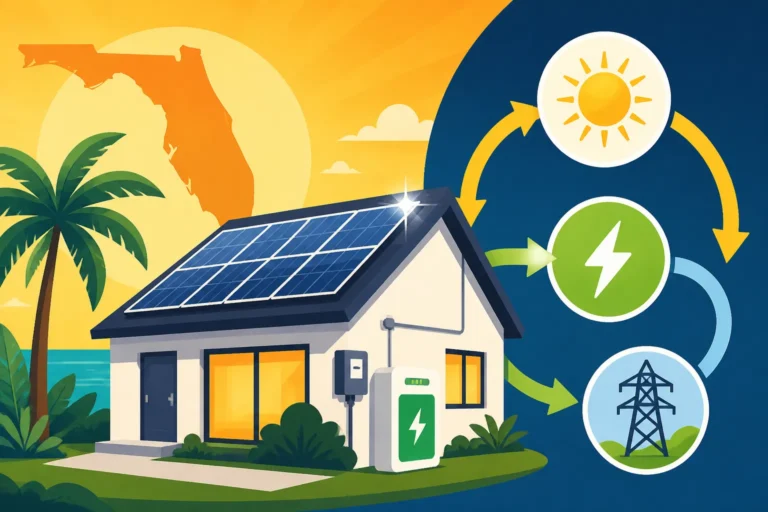
Net metering is a crucial policy that allows you to get credit for any excess electricity your solar panels generate and send back to the grid. In Illinois, net metering policies are still robust, allowing homeowners to essentially "bank" their excess solar production. When your solar panels produce more electricity than your home is consuming (which often happens on sunny afternoons), that surplus power flows back into the utility grid. Your utility meter then spins backward, or a digital meter records the credit.
Later, when your panels aren't producing enough power (like at night or on cloudy days), you draw electricity from the grid, and those banked credits are used to offset your consumption. This ensures that you're only paying for your "net" electricity usage over a billing cycle. This arrangement is vital for maximizing your savings and achieving true energy independence, as it effectively turns the grid into a giant battery for your home. Without net metering, you might have to purchase expensive battery storage to store all your excess power, which isn't always feasible for every household. Knowing the specifics of your utility's net metering rules, especially with providers like ComEd or Ameren, is important. Check out our detailed article on Net Metering Explained: How It Works by State for more insights.
Illinois Solar Incentives in 2026: At a Glance
Here’s a summary of the primary solar incentives available to Illinois homeowners:
| Incentive Program | Type of Benefit | Key Details | Estimated Value / Impact |
|---|---|---|---|
| Illinois Shines Program | Solar Renewable Energy Credits (SRECs) | Upfront or 15-year payments for solar electricity generated. Block system means rates can change. | Can offset 20-40% of system cost, depending on block and system size. SREC value can fluctuate. |
| Solar for All | Direct Installation / Grant / Community Solar | Enhanced incentives for low-income households and environmental justice communities. | Can cover a substantial portion, or even all, of the system cost for eligible participants. |
| Federal Solar Tax Credit | Tax Credit (ITC) | 30% federal tax credit for the cost of eligible solar systems, including installation and battery storage. | 30% of total system cost (e.g., $9,000 on a $30,000 system). |
| Property Tax Exemption | Property Tax Savings | Excludes the added value of a solar energy system from your property tax assessment. | Avoids potential increase in annual property taxes due to solar value. |
| Sales Tax Exemption | Upfront Cost Savings | Exempts eligible solar equipment from state sales tax. | Saves several hundred to thousands of dollars on system purchase. |
| Net Metering | Utility Bill Credits | Credits for excess electricity sent to the grid, offsetting future consumption. | Reduces monthly electricity bills, sometimes to zero, by utilizing the grid as storage. |
| Utility Rebates | Direct Rebate (Cash/Credit) | Occasionally offered by utilities like ComEd or Ameren; varies by utility and availability. | Varies widely; typically a few hundred to a couple thousand dollars if available. |
This table provides a quick reference, but remember to always consult with a qualified solar professional and your utility provider to confirm eligibility and the most current program details for your specific situation. Understanding these options is your first step towards harnessing the power of the sun and saving money in the Land of Lincoln.
Disclaimer
The information provided in this guide is for general informational purposes only and does not constitute financial, tax, or legal advice. Solar incentive programs and regulations can change frequently. Always consult with a qualified solar installer, tax professional, and your local utility provider to confirm current eligibility requirements, program details, and the most accurate financial projections for your specific situation.