Is the Enphase IQ Battery Worth It?
It's completely understandable to feel overwhelmed when thinking about adding a solar battery to your home. You've heard about the power outages, seen your electricity bills creep up, and maybe even started to wonder if being entirely reliant on the grid is really the best option. The Enphase IQ Battery promises a lot – seamless integration, backup power, and smart energy management – but the big question on everyone's mind is, "Is the Enphase IQ Battery actually worth the investment?" This guide will break down everything you need to know to make that decision for your home.
Understanding the Enphase IQ Battery System: What It Is and How It Works
When you hear about solar batteries, you might picture a massive, clunky unit taking up a lot of space. The Enphase IQ Battery is a bit different. It's an integral part of the larger Enphase Energy System, designed from the ground up to work perfectly with their microinverters, which are small inverters attached to each individual solar panel on your roof. This isn't just a battery; it's a smart, modular energy storage solution that integrates deeply with your solar production.
The Enphase Ecosystem Advantage
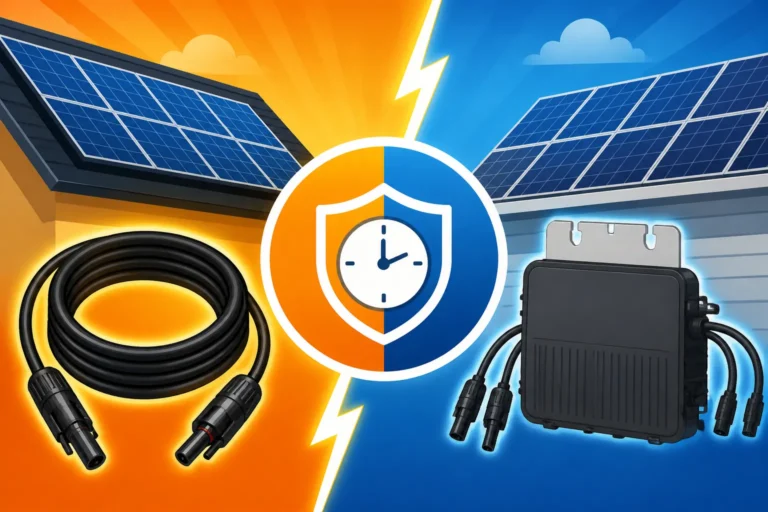
The real magic of the Enphase IQ Battery lies in its tight integration with the Enphase microinverter system. Unlike traditional string inverter setups where all panels feed into one large central inverter, Enphase uses microinverters. This means each panel operates independently, optimizing its own power output. When you add an IQ Battery, it's not just a standalone storage unit; it becomes an extension of this smart system. It stores the excess electricity generated by your solar panels during the day and makes it available when the sun isn't shining, during peak rate hours, or when the grid goes down. This "brain" of the operation, the Enphase IQ Gateway, monitors your energy production and consumption, making real-time decisions about when to charge the battery, discharge it, or send power back to the grid. This level of granular control and system-wide intelligence is a significant differentiator.
Key Features and Technology
The Enphase IQ Battery series, including models like the IQ Battery 3, 5, and the larger 10 and 30, are built with a focus on safety, modularity, and smart energy management. They utilize Lithium Iron Phosphate (LFP) chemistry, which is generally considered a safer and more stable battery chemistry compared to other lithium-ion variants. Each battery unit contains its own set of integrated IQ microinverters, converting the stored DC power to AC power directly. This architecture means there's no single point of failure within the battery system itself; if one cell or microinverter within a battery module has an issue, the rest can continue to operate. This distributed architecture is a cornerstone of Enphase's approach to solar power, extending its reliability from the panels all the way to storage.
You'll also find features like black start capability, meaning if your grid goes down and your battery is depleted, your solar panels can still kick-start the system once the sun comes up. Plus, the system is always connected to the cloud via the IQ Gateway, allowing for over-the-air software updates and continuous performance monitoring through the Enphase App. This means your system can evolve and get smarter over time, adapting to new grid services or improving its efficiency with updates.
The Distinct Advantages of Choosing an Enphase IQ Battery
When homeowners consider a solar battery, they're often looking for more than just energy storage. They want reliability, safety, and a system that makes their lives easier. The Enphase IQ Battery really shines in several key areas that address these desires.
Seamless Integration and Microinverter Compatibility
For homes already sporting an Enphase microinverter solar setup, or those considering one, the IQ Battery offers unparalleled ease of integration. It's literally designed to speak the same language as your solar panels. This means your installer won't be wrestling with compatibility issues or needing to add complex additional components to bridge different manufacturers' products. The entire system, from solar generation to energy storage and management, is orchestrated by Enphase. This singular platform approach often translates to smoother installation, more reliable operation, and a single point of contact for support if you ever need it. If you're wondering, "Is it worth adding a battery to my solar system?", especially if you already have Enphase, the answer often leans towards yes due to this smooth integration.
Enhanced Safety Features
Safety is a paramount concern for any electrical installation in your home, especially with high-capacity batteries. The Enphase IQ Battery's use of LFP (Lithium Iron Phosphate) chemistry is a big plus here. LFP batteries are known for being more thermally stable and less prone to thermal runaway (overheating that can lead to fires) than other lithium-ion battery types. Moreover, because the Enphase system is entirely AC-coupled, meaning all components communicate using alternating current, it avoids the high-voltage DC wiring runs often found in other battery systems. This significantly reduces potential fire hazards and makes installation inherently safer. Each module also has built-in rapid shutdown capabilities, which is a critical safety feature for emergency responders, allowing them to quickly de-energize your system if needed.
Modular Design and Scalability
Life changes, and so do energy needs. One of the standout features of the Enphase IQ Battery is its modular design. Instead of one giant, fixed-capacity battery, you can start with a smaller setup, like an IQ Battery 5, and easily add more units as your needs evolve. Perhaps you initially only need backup for essential circuits, but later decide you want whole-home backup or need to account for an electric vehicle charger. This flexibility means you're not locked into a capacity from day one that might become insufficient (or oversized) down the line. It's like building with LEGOs – you can expand and adapt your energy storage as your family grows or your consumption habits shift. This also allows for greater precision in sizing your system from the start, which can influence your initial solar plus battery cost.
Grid Services and Smart Management
The Enphase IQ Battery isn't just about storing power; it's about smart energy management. With rising electricity rates and the potential for time-of-use (TOU) billing, having a battery that can intelligently manage when it charges and discharges is a huge benefit. Your Enphase system can be programmed to discharge battery power during expensive peak hours, effectively shaving down your utility bill by reducing reliance on the grid when rates are highest.
Beyond just your personal bill, Enphase systems are increasingly being utilized for "grid services" programs in certain areas. This means your battery can participate in virtual power plants (VPPs) or other utility programs that pay you for allowing your battery to discharge power back to the grid during times of high demand or grid instability. This not only offers an additional revenue stream but also contributes to greater grid resilience for your community. It’s an exciting potential for future savings and earning, though availability depends on your local utility and regulations.
Key Considerations and Potential Drawbacks
While the Enphase IQ Battery offers a compelling proposition, it's crucial to look at the whole picture. No single solution is perfect for everyone, and there are some aspects where the IQ Battery might not be the ideal fit, or at least requires careful consideration.
Initial Investment Cost
Let's be realistic: adding any solar battery system to your home is a significant investment. While solar panels themselves have a payback period that makes them an attractive financial decision, batteries add to that upfront cost. The Enphase IQ Battery, with its advanced technology, modular design, and robust safety features, often comes at a premium compared to some other battery options on the market. When you're looking at your overall solar panel cost, adding storage can increase it substantially.
It's important to get detailed quotes and compare not just the battery price, but the total installed cost, including labor, permitting, and any necessary electrical upgrades. Don't forget to factor in available solar battery incentives in 2026, which can vary widely by state and even by local utility. These incentives can significantly offset the initial cost, making the investment much more palatable. Always ask your installer about all applicable federal, state, and local programs.
Capacity Limitations for Whole-Home Backup
While the Enphase IQ Battery is modular and scalable, individual units are designed with specific capacities in mind. For homes with very high energy consumption or those aiming for extended whole-home backup during prolonged outages, multiple IQ Battery units are often required. For example, an IQ Battery 5 provides 5 kWh of usable capacity. A typical home might need 10-20 kWh or more for reasonable backup during a multi-day outage, meaning you'd need several IQ Battery 5 units or one of the larger IQ Battery 10 or 30 systems.
This isn't necessarily a drawback if you plan accordingly, but it does mean more units and potentially more installation space than a single, very large battery from another manufacturer. It also means that for true off-grid independence, or for powering massive energy loads for extended periods without grid connection or solar recharge, the IQ Battery system, like most residential batteries, has its limits. Always have your installer conduct a thorough energy audit and discuss your backup expectations to properly size the system.
Dependency on Enphase Microinverters
This is perhaps the most significant "consideration" for homeowners who don't already have an Enphase solar system or aren't planning to install one. The Enphase IQ Battery is specifically designed to integrate with Enphase microinverters. If you have a string inverter system from a different brand (like SolarEdge, SMA, or others), the IQ Battery won't directly integrate without a more complex and potentially costly AC-coupling solution, or in most cases, a complete overhaul to an Enphase microinverter system for your solar array.
This isn't a flaw in the product; it's by design, creating a tightly integrated ecosystem. However, it does mean that if you're happy with your current non-Enphase solar setup, or if another inverter brand offers features you prefer, the IQ Battery might not be a viable or cost-effective option for adding storage. This is a key difference to consider when weighing options like the Tesla Powerwall vs Enphase IQ Battery, as Tesla's Powerwall can often integrate more flexibly with various inverter brands.
Is the Enphase IQ Battery Right for Your Specific Needs?
Making the decision to go solar and add battery storage is a deeply personal one, driven by your unique circumstances, priorities, and budget. The Enphase IQ Battery definitely caters to a specific homeowner profile.
Existing Enphase System Owners
If you already have solar panels equipped with Enphase microinverters, the Enphase IQ Battery is almost certainly the most straightforward and efficient choice for adding energy storage. The seamless integration, unified monitoring platform, and single-source warranty make it a natural extension of your existing investment. You're already familiar with the system, and adding a battery will enhance your energy independence without introducing new technological complexities or incompatible components. It truly completes the Enphase home energy story for these users.
Homeowners Prioritizing Safety and Modularity
For those who prioritize safety above all else, the LFP battery chemistry and AC-coupled design of the IQ Battery are major selling points. Knowing that your system has enhanced thermal stability and reduced high-voltage DC risks can provide significant peace of mind. Similarly, if you appreciate the ability to start small and expand your storage capacity over time without having to replace your entire battery system, the modularity of the IQ Battery is a huge advantage. This flexibility means your investment can grow with your needs, making it a future-proof choice for many.
Those Interested in Grid Services and Energy Management
If you live in an area with dynamic electricity pricing (like time-of-use rates) or where your utility offers programs for demand response or virtual power plants, the smart energy management capabilities of the Enphase IQ Battery can be a significant benefit. The system's ability to discharge during peak hours to save you money, or potentially earn you credits by participating in grid services, adds a layer of financial value beyond just backup power. As grid modernization continues, these smart capabilities will likely become even more valuable, and Enphase is well-positioned in this evolving landscape. Before deciding, you might want to explore topics like Net Metering Explained: How It Works by State or Utility Solar Rebates: How to Find Yours to see what additional benefits might apply in your area.
Making an Informed Decision
Ultimately, deciding if the Enphase IQ Battery is "worth it" boils down to a thorough evaluation of your specific situation. It's not a one-size-fits-all answer, but by asking the right questions and understanding your priorities, you can make a choice you'll be happy with for years to come.
Assessing Your Energy Needs
Start by truly understanding your energy consumption patterns. What are your average daily kWh usage numbers? What appliances do you absolutely need to run during a power outage? Do you have large loads like central air conditioning, an electric vehicle, or a pool pump that you want to power through a battery? This information will help your installer size the system correctly. A small IQ Battery might suffice for critical loads, while a larger, multi-unit system would be necessary for whole-home backup. Consider whether you truly need to go completely off-grid, or if backup for a few hours is enough. This helps answer the question, "Do I Need a Battery With Solar?"
| Factor | Low Energy Needs / Essential Backup Only | Moderate Energy Needs / Extended Backup | High Energy Needs / Whole-Home Backup |
|---|---|---|---|
| Typical Daily Usage | Less than 15 kWh | 15-30 kWh | More than 30 kWh |
| Primary Goal | Keep lights, fridge, internet on during short outages | Power essential plus some comforts during outages, peak shaving | Run most appliances, EV charging, extended outages |
| IQ Battery Modules | 1-2 IQ Battery 5s (5-10 kWh) | 2-4 IQ Battery 5s or 1-2 IQ Battery 10s (10-20 kWh) | Multiple IQ Battery 10s or IQ Battery 30 (20+ kWh) |
| Typical Investment | Lower upfront cost, quicker payback for essential backup | Balanced cost/benefit, good for energy independence | Higher upfront cost, maximum resilience, long-term savings |
| Ideal Candidate | Homeowners with critical loads, moderate budget | Most average-sized homes, desire more autonomy | Larger homes, high consumption, frequent outages |
Note: This table provides general guidance. Actual needs vary greatly based on specific appliance wattage and usage duration during outages.
Understanding Local Incentives
The financial viability of any solar battery often hinges on available incentives. Beyond the potential for federal tax credits that apply to solar-plus-storage systems, many states and local utilities offer their own specific programs for batteries. For instance, California has the SGIP (Self-Generation Incentive Program), while some states offer direct rebates or property tax exemptions. Researching these can significantly reduce your net cost and improve your Solar Panel Payback Period Explained. Your chosen installer should be well-versed in the incentives available in your specific area, but it never hurts to do your own homework. Don't forget to look into any state-specific solar incentives such as those in California Solar Incentives in 2026 or New York Solar Incentives in 2026.
Considering the long-term aspects is also essential. Enphase offers a solid warranty, typically 10 years, which covers both product and performance. When you think about how long solar panels last (often 25+ years), having a reliable battery with a good warranty is important for overall system longevity and peace of mind. Look into what happens as your system ages, and if you're concerned about your overall Solar ROI & 25-Year Savings Breakdown, a battery can often accelerate those savings by letting you avoid peak utility rates.
Ultimately, if you value safety, modularity, smart energy management, and seamless integration with a microinverter-based solar system, the Enphase IQ Battery is a very strong contender and likely a worthwhile investment for your home.
Disclaimer
Please note that this content is intended for informational purposes only and does not constitute financial, legal, or professional energy advice. Solar system costs, incentives, and regulations can vary significantly based on location, utility provider, system size, and individual circumstances. It is highly recommended to consult with multiple qualified local solar professionals and financial advisors to get personalized quotes and determine the best solution for your specific needs. Always verify current incentive programs and regulatory requirements with relevant authorities before making any purchasing decisions.