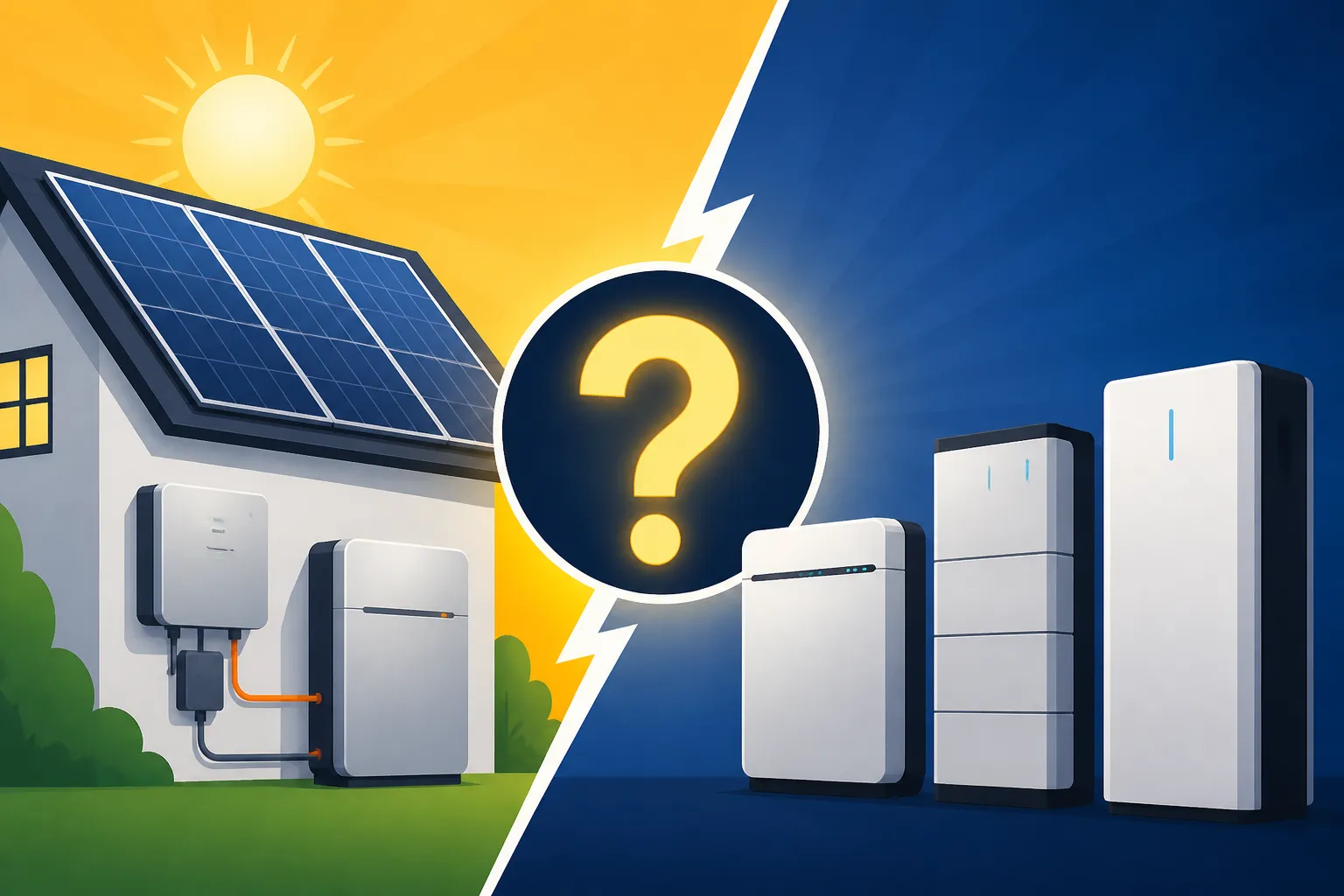
What Battery Pairs Best With Enphase Solar?
You've made a fantastic decision by choosing Enphase for your solar setup. Those microinverters are game-changers, optimizing each panel individually and giving you incredible insight into your system's performance. But, let's be real, the dream of true energy independence often includes a battery. And if you're like most homeowners, you’re probably scratching your head, wondering which battery will actually play nice with your existing Enphase system without creating a tangled mess of wires and apps. This guide is here to walk you through the nuances of battery compatibility, helping you find the perfect storage solution that integrates seamlessly with your Enphase solar.
Understanding Enphase's Unique Solar Ecosystem
Before we dive into specific battery recommendations, it's crucial to understand what makes an Enphase system tick. Unlike traditional string inverter systems, where multiple panels connect to a single, central inverter that converts DC power to AC, Enphase uses microinverters. Each individual solar panel has its own microinverter attached, converting DC power to AC power right there on the roof. This distributed architecture offers a ton of benefits, like better performance in shaded conditions, enhanced monitoring, and improved safety.
The AC-Coupled Advantage for Batteries
Because each Enphase microinverter already produces AC power directly from the solar panels, your ideal battery storage solution will typically be an AC-coupled system. This means the battery has its own integrated inverter that converts its stored DC energy into AC power, or it's designed to seamlessly accept AC power from your solar array and charge up, then discharge as AC. This approach avoids redundant DC-to-DC or DC-to-AC conversions, which can lead to efficiency losses. Trying to force a DC-coupled battery onto an AC-producing Enphase system often introduces unnecessary complexity, additional equipment, and potential efficiency drawbacks. It's like trying to fit a square peg in a round hole – possible with enough effort, but rarely ideal.
This inherent AC architecture is why you'll often hear Enphase promoting their own IQ Batteries so heavily. They are designed from the ground up to be part of this AC ecosystem, talking directly to your microinverters and the Enphase Envoy gateway (your system's brain) for a truly integrated experience. When evaluating any battery, think about how it will receive power from your Enphase system and how it will deliver power to your home – an AC-coupled design usually simplifies both these processes.
Why Integration Matters Beyond Just Power Flow
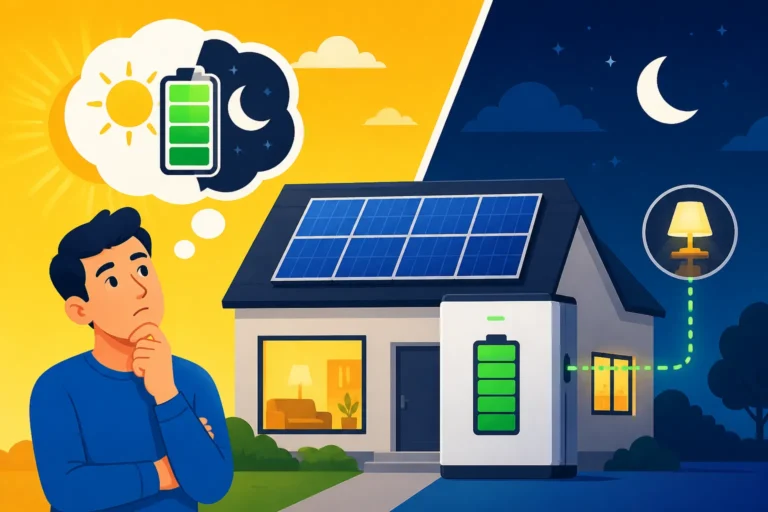
It's not just about the electrons flowing correctly; it's also about how you interact with your system. One of the biggest advantages of a well-integrated solar and battery setup is unified monitoring and control. Imagine having to check one app for your solar production and another app for your battery's charge level and discharge patterns. That quickly becomes a headache. A truly compatible battery solution will allow you to see everything – solar production, home consumption, battery charge, grid interaction, and even control your backup loads – all from a single, intuitive platform like the Enphase App.
This unified experience is more than a convenience; it's about optimizing your energy strategy. If your battery knows exactly how much solar you're producing in real-time and how much energy your home is consuming, it can make smarter decisions about when to store excess solar, when to discharge for self-consumption during peak hours, or when to prepare for a grid outage. This kind of intelligent energy management is often the difference between a good solar-plus-storage system and a truly great one.
Top Battery Choices for Enphase Solar Systems
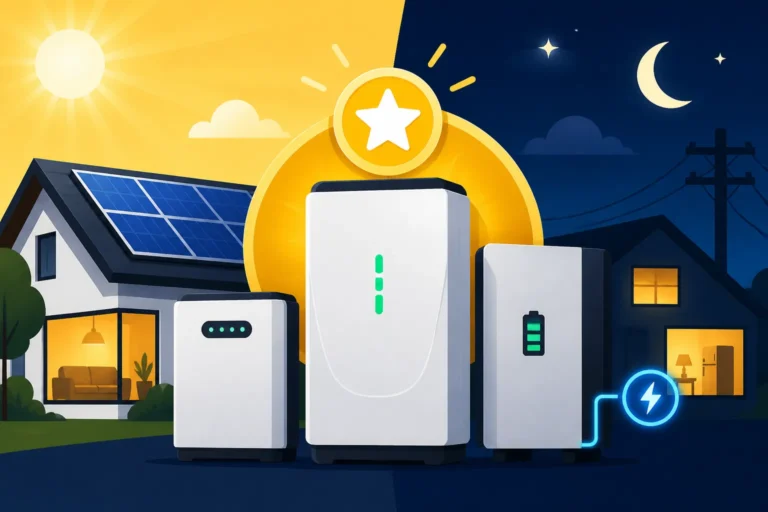
Alright, let's get down to brass tacks: which batteries are going to be your best friends with an Enphase solar setup? While many batteries can technically work, a select few truly shine when paired with Enphase.
The Enphase IQ Battery: The Obvious Best Fit
When you're asking "What battery pairs best with Enphase solar?", the most straightforward and often recommended answer is an Enphase IQ Battery. And for good reason! These batteries are purpose-built to integrate perfectly with Enphase microinverter systems. They communicate directly with your Enphase Envoy gateway and show up seamlessly within the Enphase App.
The IQ Batteries are modular, meaning you can easily scale your storage capacity by adding more units over time. They come in various sizes, like the IQ Battery 3 (3.36 kWh usable capacity), IQ Battery 10 (10.08 kWh usable capacity), and the more powerful IQ Battery 5P (5 kWh usable capacity, but with higher continuous power output for handling larger loads). This modularity is fantastic because it allows you to start smaller if your budget is tight, or expand as your energy needs evolve. Plus, the IQ Batteries are known for their grid-forming capabilities, which is a fancy way of saying they can keep your lights on and your essential appliances running even when the grid goes down, creating a stable microgrid in your home. This gives you true peace of mind during outages, and they come with a robust 10-year warranty, which covers both product and performance.
Other Notable AC-Coupled Battery Options
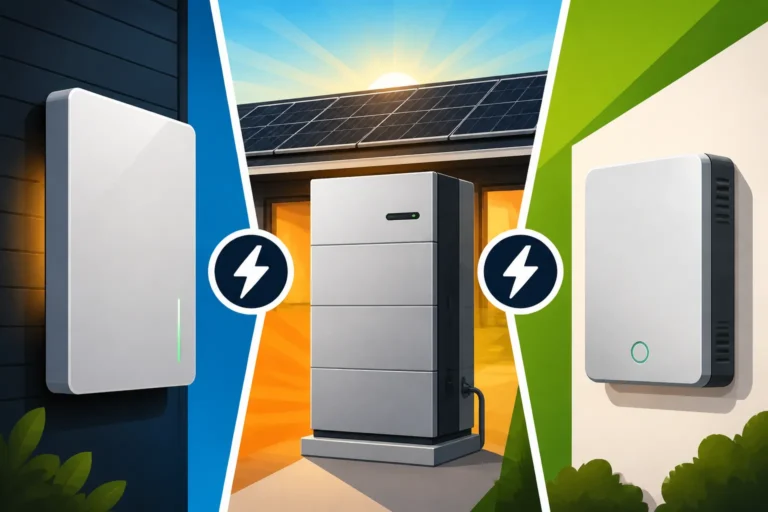
While the IQ Battery is the most natural fit, you're not entirely limited to Enphase's own brand. Several other AC-coupled batteries on the market can technically work with an Enphase solar system, though the level of integration and monitoring might vary. The key here is "AC-coupled," meaning these batteries have their own internal inverter to handle the DC-to-AC conversion.
For instance, the Tesla Powerwall 3 Review & Cost is a popular choice for homeowners looking for substantial backup power. It's an AC-coupled battery, so it can technically operate alongside an Enphase solar system. However, integrating a Powerwall means you'll typically have two separate monitoring platforms: the Enphase App for your solar production and the Tesla app for your battery status. This isn't a deal-breaker for everyone, but it does mean a slightly less unified experience. Similarly, the FranklinWH aPower Battery Review is another robust AC-coupled option that many installers are now offering. Like the Powerwall, it's designed to be a whole-home backup solution with its own inverter. While it can receive power from your Enphase solar array, you'll generally manage it through the FranklinWH app. Other options, such as the Generac PWRcell Review & Cost, also exist as AC-coupled solutions that can be paired. The critical takeaway is that while these batteries will function with an Enphase solar system, you'll need to rely on your installer to ensure proper wiring and potentially manage multiple monitoring applications.
| Battery System | Type | Capacity Range | Integration with Enphase | Monitoring | Key Feature |
|---|---|---|---|---|---|
| Enphase IQ Battery | AC-coupled | 3.36 kWh – 10.08 kWh+ | Seamless (Native) | Enphase App | Modular, grid-forming |
| Tesla Powerwall 3 | AC-coupled | 13.5 kWh (usable) | Compatible (Separate) | Tesla App | High capacity, whole-home backup |
| FranklinWH aPower | AC-coupled | 13.6 kWh (usable) | Compatible (Separate) | FranklinWH App | Whole-home backup, flexible |
| Generac PWRcell | AC-coupled | 9 kWh – 36 kWh+ | Compatible (Separate) | Generac App | Scalable, can integrate with home standby generator |
Please note that "compatible (separate)" means it works, but usually requires its own monitoring platform distinct from the Enphase App.
The Role of Your Solar Installer
Choosing the right battery isn't just about specs; it's also about finding an installer who has experience integrating that specific battery with Enphase systems. A skilled installer will ensure that the electrical hookups are correct, that any necessary communication bridges are established, and that the entire system complies with local codes and utility requirements. They can also advise you on the practicalities of a multi-brand setup, such as whether you’ll need additional components or if specific wiring is required for a seamless energy flow. This expertise is particularly important when considering a battery that isn't native to the Enphase ecosystem, as it can be the difference between a smooth operation and constant troubleshooting.
For example, while you might find parts or accessories on a marketplace like Amazon, the actual core battery system for residential solar is a complex, integrated installation that needs professional handling. Your installer will be your primary guide through this process, helping you understand the pros and cons of different battery choices for your specific Enphase array. Make sure you're asking installers about their experience with both Enphase and the specific battery brands you're considering. Don't be shy about asking about their process for integrating non-Enphase batteries and what the ongoing monitoring experience will be like.
Key Factors to Consider When Choosing Your Battery
Deciding on a battery for your Enphase solar system is a significant investment, and it’s important to look beyond just the brand name. Several critical factors should influence your decision to ensure you get a system that truly meets your needs and expectations.
Seamless Integration and Monitoring
This is a big one, and we touched on it earlier, but it's worth reiterating. The ultimate user experience for a solar-plus-storage system comes down to how well all the components "talk" to each other. With an Enphase IQ Battery, you get a single, unified view of your entire energy system – solar production, battery charge, home consumption, and even grid activity – all within the familiar Enphase App. This intuitive dashboard makes it incredibly easy to understand your energy patterns, optimize your usage, and manage your backup power settings. You can track your Solar Panel Cost Per Watt Explained and see how your battery helps offset it.
When you opt for a third-party AC-coupled battery like a Tesla Powerwall or FranklinWH system, you’ll typically have two separate monitoring apps: one for your Enphase solar and another for your battery. While both apps might offer excellent data, switching between them can be less convenient and might make it harder to get a holistic view of your energy flow at a glance. For some homeowners, this isn't a deal-breaker, especially if the third-party battery offers features or capacities that are a better fit. However, if a truly unified and effortless monitoring experience is high on your priority list, staying within the Enphase ecosystem with their IQ Batteries offers the clearest path to achieving that.
Scalability and Future Needs
Life changes, and so do energy needs. Maybe you’re starting with a smaller battery system now, but you plan to get an electric vehicle or add more energy-intensive appliances in the future. Or perhaps you're considering expanding your solar array down the road. It's smart to think about whether your chosen battery system can grow with you.
Enphase IQ Batteries excel in scalability. Their modular design means you can easily add more IQ Battery units to your existing system as your needs increase. This flexibility is a huge advantage, as it prevents you from being locked into a fixed capacity from day one. Many other battery systems, while powerful, might have different scalability options. Some allow for easy expansion, while others might require a more significant upgrade or even a complete replacement if you need substantially more storage. Understanding the maximum capacity of a specific battery's inverter, or how many battery modules can be added to its central hub, is crucial. If you're pondering How Much Does It Cost to Add a Battery to Existing Solar, checking its expandability will save you money and headaches in the long run.
Warranty and Long-Term Support
A solar battery is a long-term investment, typically designed to last 10-15 years or more. Therefore, the warranty and the reputation of the manufacturer for long-term support are incredibly important. Most reputable battery manufacturers, including Enphase, offer a 10-year warranty that covers both the product itself and its performance (i.e., that it will retain a certain percentage of its original capacity over the warranty period).
However, it's not just about the length of the warranty; it's also about who is providing that warranty and how accessible their customer service is. If you have a fully integrated Enphase solar-plus-storage system and an issue arises, you typically have one point of contact for support: Enphase (via your installer). If you have an Enphase solar system paired with a third-party battery, you might find yourself troubleshooting with two different manufacturers if a problem isn't immediately identifiable as specific to one component. Researching customer reviews and the responsiveness of warranty claims for both Enphase and any third-party battery brands you're considering can provide valuable insight into the kind of support you can expect down the line.
Installation and Integration Realities for Your Home
Once you've settled on the perfect battery, the next step is bringing it to life on your property. This involves more than just physically mounting the unit; it's about the entire process of integrating it safely and efficiently into your home's electrical system and ensuring it meets all regulatory requirements.
The Nuances of Installation Complexity and Cost
Even the most compatible battery system still requires professional installation, and the complexity can vary. For an Enphase IQ Battery, the installation process is typically streamlined for installers already familiar with Enphase solar systems. The components are designed to work together, and the electrical connections are often simplified compared to integrating disparate brands. This can sometimes translate to a more efficient installation timeline and potentially lower labor costs.
When you introduce a third-party AC-coupled battery, even if it's compatible, there might be additional steps. For example, the installer might need to ensure compatibility with your existing Enphase Envoy gateway, or install additional equipment like an automatic transfer switch (ATS) if the battery doesn't have one built-in for whole-home backup. These extra components and wiring considerations can add to the overall installation time and cost. It's crucial to get a detailed quote from your installer that clearly breaks down all labor, equipment, and any additional components needed for your chosen battery setup. Understanding the Solar Installation Timeline: What to Expect can help you anticipate how long the process will take.
Navigating Permitting and Utility Approval
Adding a battery storage system to your solar array, regardless of its brand, is a significant modification to your home's electrical infrastructure. This means it almost always requires new permits from your local building department and approval from your utility company. These aren't just bureaucratic hoops; they ensure that your system is installed safely and won't negatively impact the grid or your neighbors.
The permitting process can vary widely depending on your city and state. For instance, in some areas, a new permit might be a quick administrative task, while in others, it could involve multiple inspections and weeks of waiting. Your installer should handle this entire process for you, including submitting plans to the local authorities and applying for interconnection with your utility. It's important to understand the typical timeline for Solar Permitting & Interconnection (PTO) Explained in your area, as delays in approval can push back your system's operational date. A good installer will keep you informed every step of the way, ensuring your battery-plus-solar system is fully compliant and ready to go.
Choosing an Experienced and Reputable Dealer
Ultimately, the best battery for your Enphase solar system is only as good as the company that installs it. This isn't a DIY project, and selecting an experienced, reputable solar installer is paramount. Look for companies that have a proven track record specifically with Enphase systems and, if you're considering a third-party battery, direct experience integrating that particular brand with Enphase.
Ask potential installers about their certifications, their local references, and how long they've been in business. Don't hesitate to get multiple quotes and compare not just the prices, but also the proposed equipment, warranties, and the level of detail in their proposals. A great installer will clearly explain why they recommend a particular battery, how it will integrate with your existing Enphase setup, and what the monitoring and maintenance will look like. They should also be transparent about all costs, potential challenges, and the expected timeline from initial consultation to final Permission to operate (PTO). Choosing the right partner for your solar journey ensures that your battery performs exactly as you expect, giving you reliable power and peace of mind for years to come.
Disclaimer
The information provided in this guide is intended for general informational purposes only and does not constitute professional advice. Solar energy system design, installation, and financial incentives can vary significantly based on location, utility policies, and individual circumstances. Always consult with certified solar professionals and financial advisors before making any decisions related to your home solar or energy storage system. While efforts are made to keep information current, specific incentives, product specifications, and regulations may change.