Aptos Solar Panel Review
Choosing the right solar panels for your home can feel like navigating a maze, especially with so many brands out there promising efficiency, durability, and savings. It’s a significant investment, and you want to be sure you're making a smart choice that will power your home reliably for decades. This guide is here to provide an honest, in-depth look at Aptos solar panels, helping you understand their technology, performance, and overall value so you can decide if they’re the right fit for your solar journey.
Who is Aptos Solar and What Do They Bring to the Table?
When you’re looking into solar panels, it's not just about the wattage; it’s about the company behind them. Understanding a manufacturer's philosophy, where they come from, and what drives their innovation can give you a lot of insight into the quality and longevity of their products. Aptos Solar is one of those names that has been gaining traction, but perhaps isn't as universally recognized as some of the long-standing giants. Let's peel back the layers and see what they're all about.
Company Background and Philosophy
Aptos Solar Technology is a U.S.-based company, which is a big plus for many homeowners looking for American-made products or at least a strong North American presence. They emphasize innovation and high-performance modules. Unlike some older companies, Aptos entered the market with a fresh perspective, focusing on optimizing solar panel technology for real-world conditions. Their philosophy centers on delivering "Extreme Power" – a term they use to describe their commitment to maximizing energy production even in less-than-ideal environments. This means they're not just aiming for high peak efficiency in a lab, but consistent, reliable output when the sun isn't perfectly overhead or on cloudy days.
They're particularly known for their DNA (Dual Nano Absorber) technology, which is designed to enhance light absorption and improve overall cell efficiency. This commitment to advanced technology aims to give their panels an edge in converting sunlight into usable electricity, a critical factor for homeowners looking to maximize their energy savings. Knowing a company's roots and its core values helps you understand the dedication that goes into each panel, and Aptos certainly puts innovation at the forefront of their operations.
Key Product Lines and Technologies
Aptos Solar offers several product lines, each built around their core DNA technology, but tailored to slightly different needs or performance levels. Their panels are primarily monocrystalline, which is generally considered the more efficient choice compared to polycrystalline panels for residential applications. Most of their offerings fall into the range of 370W to 450W, making them suitable for typical residential installations.
One of their standout technologies, as mentioned, is the Dual Nano Absorber (DNA) system. This isn't just a fancy name; it's a proprietary coating applied to the solar cells that allows them to capture a broader spectrum of light. What does that mean for you? It means your panels are potentially working harder, even when the light isn't perfect – think hazy days or early mornings/late afternoons. They also incorporate half-cut cell technology, which reduces electrical resistance within the panel, further boosting efficiency and improving performance in shaded conditions. If one part of a traditional full-cell panel is shaded, the entire string of cells can be significantly impacted. With half-cut cells, only the shaded half is affected, leading to less overall power loss. These are the kinds of technical details that, while seemingly small, add up to noticeable differences in your system's overall output and your long-term savings.
Breaking Down Aptos Solar Panel Performance and Technology
When you're shelling out for a new solar system, you want to know what kind of performance you can genuinely expect, not just what's printed on a spec sheet. Aptos Solar panels, like any other brand, come with certain efficiency ratings and technology claims. But how do these translate into real-world energy production and system longevity for your home? Let's take a closer look.
Efficiency Ratings and Real-World Output
Aptos panels typically boast efficiency ratings that range from around 19.5% to over 21%, depending on the specific model. For context, most premium residential panels today fall into the 20-22% range, so Aptos is certainly competitive here. Their DNA technology, combined with half-cut cells, plays a crucial role in achieving these numbers. What's important to understand is that higher efficiency means more power generated from a smaller physical footprint. If you have limited roof space, an Aptos panel with a 21% efficiency will produce more electricity than a 19% efficient panel of the same size, meaning you might need fewer panels to meet your energy needs.
In real-world conditions, factors like temperature, shading, and the angle of your roof all influence actual output. Aptos panels are designed with good temperature coefficients, meaning they lose less efficiency as temperatures rise – a common issue for solar panels, especially in hot climates like Arizona or Texas. While no panel will consistently hit its peak efficiency 100% of the time, the technologies Aptos employs aim to minimize losses and provide consistent power. For instance, in a partially shaded scenario, the half-cut cell design can really shine, allowing the unshaded sections to continue producing power efficiently, rather than dragging down the entire panel's output. This is a significant advantage over older panel designs.
Durability, Materials, and Aesthetic Considerations
Solar panels are built to withstand the elements, and Aptos panels are no exception. They use standard high-quality materials: tempered glass on the front, a sturdy aluminum frame, and a protective backsheet. The robustness of the materials contributes to their ability to endure harsh weather conditions, from heavy snow loads to strong winds. Many Aptos models are rated for significant static and dynamic loads, which is reassuring if you live in an area prone to extreme weather.
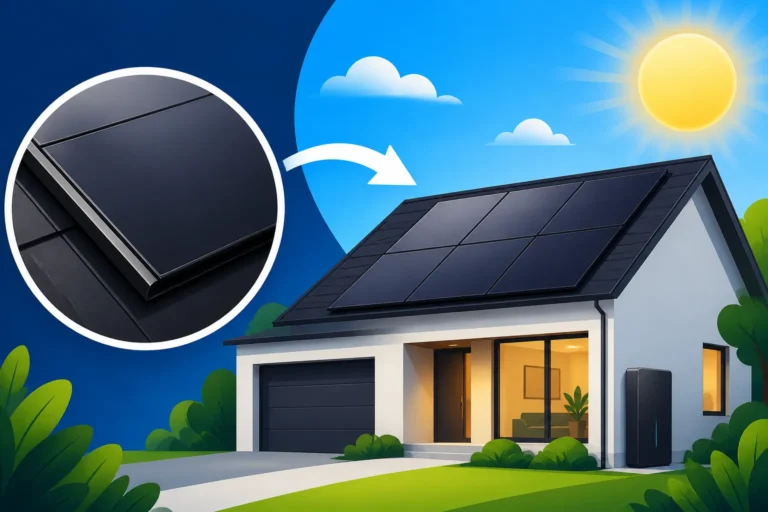
From an aesthetic standpoint, Aptos panels generally feature a sleek, all-black design for their "Black Series" modules, which is highly sought after by homeowners who want their solar array to blend seamlessly with their roofline. The absence of a white backsheet or silver frames often makes the panels less conspicuous and more visually appealing. While looks might not be the top priority for everyone, for those concerned about curb appeal, these panels offer a modern, discreet look that many find attractive.
Warranty Coverage and What It Means for You
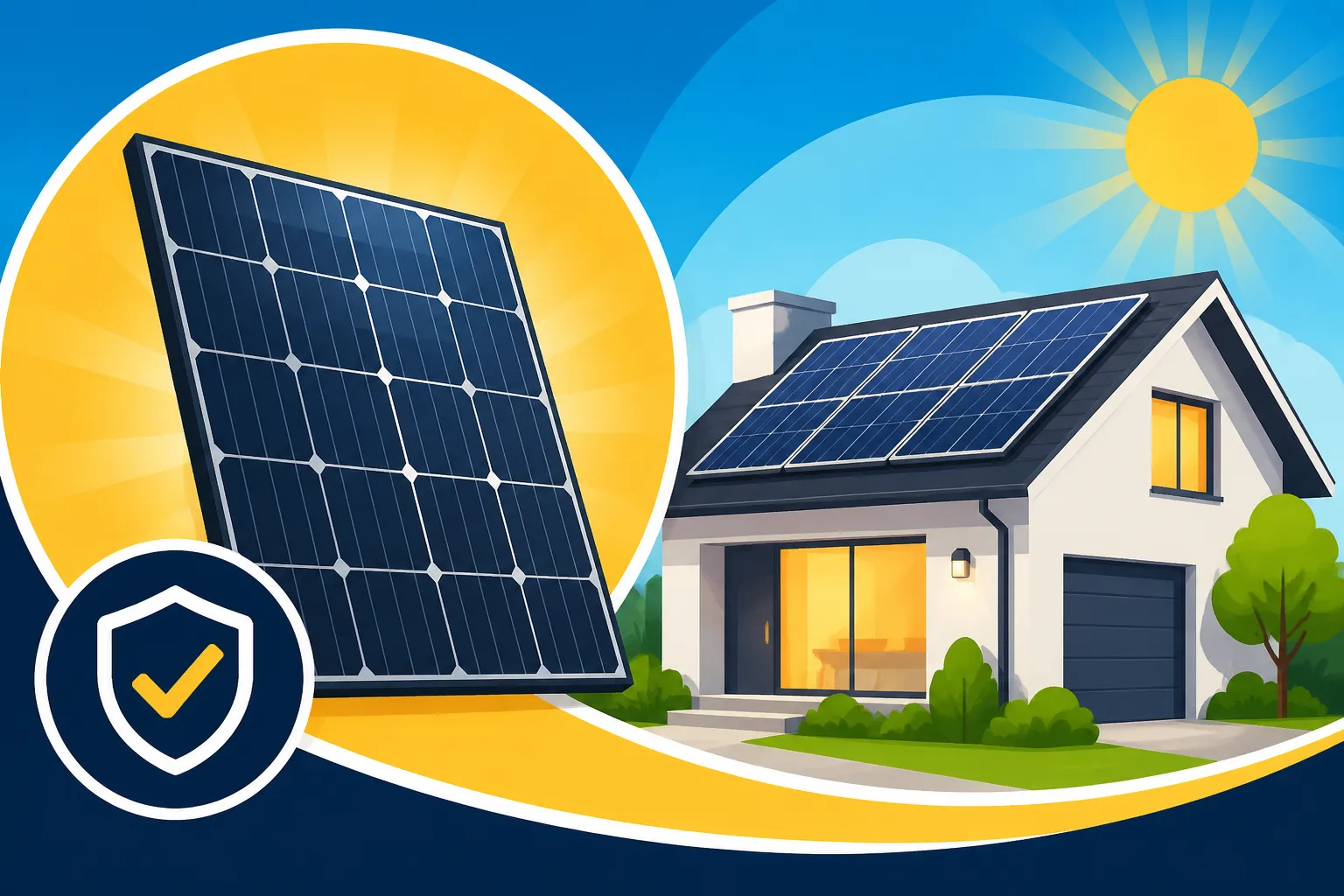
A solar panel's warranty is essentially its manufacturer's promise of performance and reliability, and it's a critical component of your investment. Aptos Solar offers a robust warranty package that typically includes a 25-year product warranty and a 30-year linear power output warranty. Let's break down what those mean:
- 25-Year Product Warranty: This covers defects in materials or workmanship. If a panel physically fails or has a manufacturing flaw within 25 years, Aptos will replace or repair it. This is a strong offering, as many standard solar panels offer 10-12 year product warranties, with premium brands extending to 25 years. Having this longer coverage provides significant peace of mind that your investment is protected for the long haul.
- 30-Year Linear Power Output Warranty: This guarantees that your panels will continue to produce a certain percentage of their original rated power over time. Solar panels naturally degrade slightly year over year. For Aptos, they typically guarantee around 90.85% of the original power output after 30 years. This means that even after three decades, your panels should still be producing over 90% of the power they did on day one, which is excellent. This kind of longevity guarantee is fantastic, ensuring that your solar savings remain strong well into the future. For comparison, many panels guarantee around 80-85% after 25 years, so Aptos's 30-year, 90.85% guarantee stands out. Understanding what these warranties cover can greatly influence your long-term return on investment, aligning with the considerations in our article on Solar Panel Payback Period Explained.
Weighing the Pros and Cons of Aptos Solar for Your Home
Every solar panel brand has its strengths and weaknesses, and Aptos Solar is no different. Making an informed decision means looking at the full picture, considering not just the impressive specs but also any potential considerations that might influence your specific situation. Let’s dive into what makes Aptos a strong contender and where you might want to ask more questions.
Advantages for Homeowners
One of the most significant advantages of choosing Aptos solar panels is their high efficiency and strong performance. Their DNA and half-cut cell technologies genuinely contribute to better energy production, especially in real-world conditions where shading or less-than-perfect sun angles are common. This means more power for your home and potentially greater savings on your electricity bill. If you have limited roof space, their ability to produce more watts per square foot is a definite plus, allowing you to get more power from a smaller array. This high output helps maximize the value of your system, which is crucial for assessing if Are Solar Panels Worth It in 2026?.
The extended warranty is another major selling point. A 25-year product warranty and a 30-year performance warranty (guaranteeing over 90% output after three decades) offer an exceptional level of confidence and protection for your investment. This isn't just a number; it reflects the manufacturer's belief in the long-term durability and reliability of their panels. Knowing your system is covered for such an extensive period can alleviate many long-term concerns about maintenance and unexpected costs.
Furthermore, their sleek, all-black aesthetic is a big win for homeowners concerned about curb appeal. Unlike panels with silver frames or white backsheets that can stand out on a roof, Aptos's darker panels tend to blend in more seamlessly, offering a modern and understated look that many homeowners prefer. Finally, being a U.S.-based company is often appealing, as it can imply easier communication, customer service, and a commitment to domestic quality standards.
Potential Drawbacks to Consider
While Aptos offers compelling benefits, there are a few points to consider. For starters, while their pricing is competitive for their performance tier, Aptos panels might not be the cheapest option upfront compared to some budget-tier brands. You're paying for advanced technology and a robust warranty, which translates to a higher initial cost per watt. This needs to be balanced against the long-term savings and superior performance, but it's an important factor for those on a tight budget.
Another point is brand recognition. While growing, Aptos Solar isn't as widely known or established as some of the global giants like Qcells, Jinko Solar, or Maxeon (SunPower). This isn't necessarily a knock on their quality, but it means fewer long-term reviews from consumers spanning decades. While their warranty is strong, the sheer volume of installations by older, larger companies sometimes provides a deeper pool of historical data for long-term reliability. When considering your choices, it’s always good to consider if Solar Panel Brands to Avoid might include less established names, but Aptos has built a solid reputation in a relatively short time.
Lastly, installer availability could be a factor. While many reputable installers carry Aptos panels, they might not be as universally stocked by every single local solar company compared to brands that have been around longer or have larger distribution networks. It's always a good idea to check if your preferred installer works with Aptos or if you'd need to seek out an installer who does.
How Aptos Panels Compare to Other Brands
When you're trying to decide on solar panels, it’s not enough to just look at one brand in isolation. You need to understand where Aptos stands in the broader market, especially against the well-known Tier 1 manufacturers and other popular choices. This comparison can highlight its unique value proposition and help you contextualize its pricing and performance.
Aptos vs. Tier 1 Manufacturers
The term "Tier 1" in solar refers to manufacturers that have invested heavily in research and development, have a fully automated manufacturing process, and have a strong financial track record. These companies include giants like Jinko Solar, Qcells, and Trina Solar, known for their massive production scale and global presence.
Aptos Solar, while not always listed among the absolute top-tier in terms of sheer production volume, certainly competes in terms of technology and warranty strength with many of these established players. For example, when comparing them to Qcells Solar Panel Review or Jinko Solar Panel Review, Aptos often matches or even slightly exceeds their product warranty lengths and performance guarantees. Qcells and Jinko are known for their consistent quality and good value, often having efficiencies in the 20-21% range. Aptos, with its DNA and half-cut cell technology, achieves similar, if not slightly better, efficiency numbers in some of its models, particularly in conditions where light might be less direct.
Where Aptos might differ is in its manufacturing scale. While they are a U.S.-based company with global manufacturing partners, they aren't producing panels at the same colossal volumes as some of the Chinese-based Tier 1 manufacturers. This doesn't inherently mean lower quality, but it can affect economies of scale and, sometimes, raw material sourcing. However, Aptos's focus on innovative technology and robust warranties suggests a commitment to high-quality output rather than just high volume.
Value Proposition in the Current Market
In today’s solar market, value is often a balancing act between initial cost, long-term performance, and warranty protection. Aptos Solar panels tend to offer a premium performance and warranty package at a competitive price point, often sitting comfortably between the absolute budget options and the ultra-premium brands like Maxeon (SunPower), which command top dollar for their industry-leading efficiency and low degradation rates. You can also explore Maxeon (SunPower) Solar Panel Review to see a comparison with another strong brand.
For homeowners, the value proposition of Aptos lies in its exceptional long-term reliability and high energy yield. The 30-year performance warranty is a standout feature, promising that your panels will continue to produce significant power for decades, translating to consistent savings. This extended guarantee directly contributes to a shorter Solar Panel Payback Period Explained compared to panels with quicker degradation or shorter warranties, as you're effectively getting more guaranteed performance over the life of your system.
If you're looking for panels that offer strong performance, advanced technology to handle varied conditions, and a peace-of-mind warranty without necessarily breaking the bank on the most expensive brands, Aptos presents a very compelling option. They bridge the gap between basic, cost-effective panels and the absolute cutting-edge, ultra-high-efficiency choices. Ultimately, the "best" value will depend on your specific needs, roof space, budget, and local incentives, which can vary significantly state by state. For instance, homeowners in California might find the value proposition shifts slightly due to California Net Metering Rules in 2026 compared to those in states with different policies.
To give you a clearer picture, here's a brief comparison table illustrating how Aptos might stack up against a couple of other popular brands in key areas:
| Feature | Aptos Solar (e.g., DNA-120-MF26-390W) | Qcells (e.g., Q.PEAK DUO BLK ML-G10+) | Jinko Solar (e.g., Tiger Neo 440W) |
|---|---|---|---|
| Module Type | Monocrystalline, Half-Cut | Monocrystalline, Half-Cut | Monocrystalline, N-Type, Half-Cut |
| Peak Power | 390W (ranges up to 450W+) | 400W (ranges up to 420W+) | 440W (ranges up to 470W+) |
| Efficiency | ~20.5% (up to 21.5%+) | ~21.4% (up to 21.7%+) | ~22.0% (up to 22.3%+) |
| Product Warranty | 25 Years | 25 Years | 12-15 Years (often upgradeable) |
| Performance Warranty | 30 Years (90.85% after 30 yrs) | 25 Years (86% after 25 yrs) | 30 Years (87.4% after 30 yrs) |
| Aesthetic | All-black, sleek | All-black, sleek | All-black, sleek |
| Key Technology | DNA, Half-Cut Cells | Q.ANTUM DUO, Half-Cut Cells | TOPCon, N-Type, Half-Cut Cells |
This table provides a snapshot, but always remember that specific model numbers and their specs can vary. Always check the datasheets for the exact panels you are considering for your home. Ultimately, the decision comes down to what factors are most important to you – whether it's the absolute highest efficiency, the longest warranty, or the most budget-friendly option. Aptos Solar definitely holds its own as a strong contender in the residential solar market.
Disclaimer
The information provided in this review of Aptos Solar panels is for general informational purposes only and is based on publicly available data, industry analysis, and common market offerings. While we strive to provide accurate and up-to-date information, solar panel technology, pricing, warranties, and availability can change rapidly. Individual performance may vary based on installation quality, geographic location, weather conditions, system design, and maintenance. We recommend consulting with multiple certified solar professionals and obtaining detailed quotes specific to your home and energy needs before making any purchasing decisions. This content is not financial or professional advice.