Solar Installation Process in Connecticut
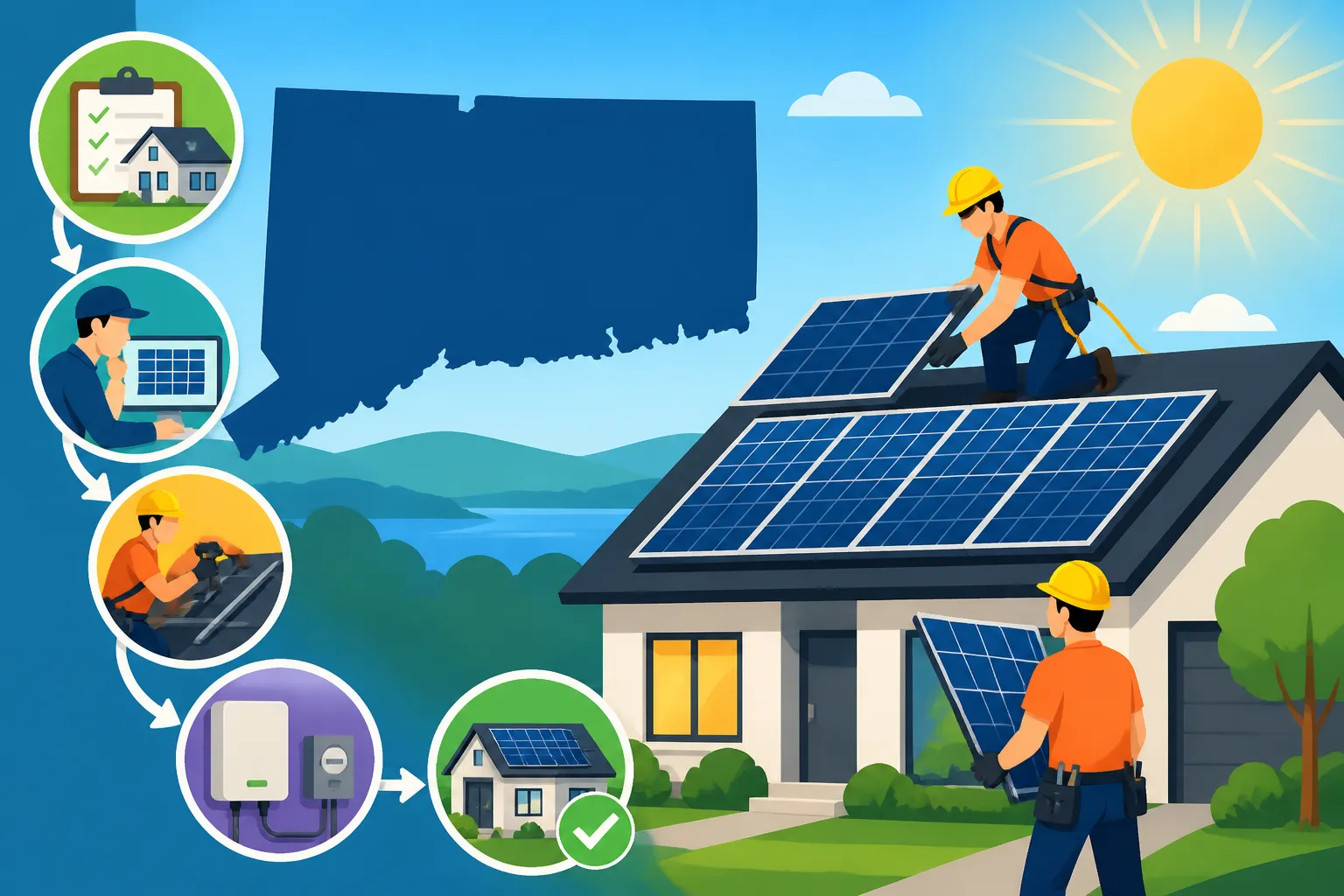
Thinking about going solar in Connecticut can feel like navigating a complex maze, especially with all the different steps involved from initial curiosity to finally flipping the switch. Many homeowners feel overwhelmed, wondering about permits, inspections, and how long it all truly takes. This guide will demystify the solar installation process in Connecticut, breaking down each phase into clear, actionable steps so you know exactly what to expect.
Kicking Off Your Solar Journey in Connecticut: Initial Steps and Planning
Embarking on the path to solar energy in Connecticut isn't just about sticking panels on your roof; it's a journey that starts long before any equipment arrives. The initial phase is all about gathering information, assessing your home's potential, and getting a clear picture of what solar can do for you. It's easy to feel rushed by eager sales pitches, but taking your time here will pay dividends.
Understanding Your Energy Needs and Site Assessment
Before you even think about specific solar panels, the first crucial step is to understand your household's electricity consumption. Dig into your past utility bills, ideally for a full year. This gives solar installers a baseline to design a system that can effectively offset your energy usage. Are you a high-usage household with central air running constantly in the summer? Or are you fairly conservative with your energy footprint? This data is vital.
Once you have a handle on your consumption, a qualified solar professional will conduct a thorough site assessment of your home. This isn't just a quick look at your roof from the ground. They'll examine your roof's orientation (south-facing is often ideal, but east/west can work too!), pitch, and overall condition. They’ll also identify any potential shading issues from nearby trees or neighboring structures that could impact panel efficiency. For instance, a beautiful old oak tree in your yard might be lovely, but if it casts a shadow over your prime roof space for most of the day, it's something that needs to be factored into the design. They'll check your electrical panel to ensure it can handle the new solar system and assess potential pathways for wiring. This detailed evaluation helps determine how many solar panels you need for your home and where they can be optimally placed.
Getting Quotes and Choosing a Reputable Installer
This stage is perhaps where many homeowners feel the most pressure, but it's also your biggest opportunity to ensure you get a quality system at a fair price. Don't settle for the first quote you receive. Reach out to at least three different solar installers. Reputable companies will offer detailed proposals that include system size, estimated production, equipment brands (panels, inverters, batteries if applicable), warranty information, and a clear breakdown of costs. Pay close attention to the fine print regarding warranties and maintenance.
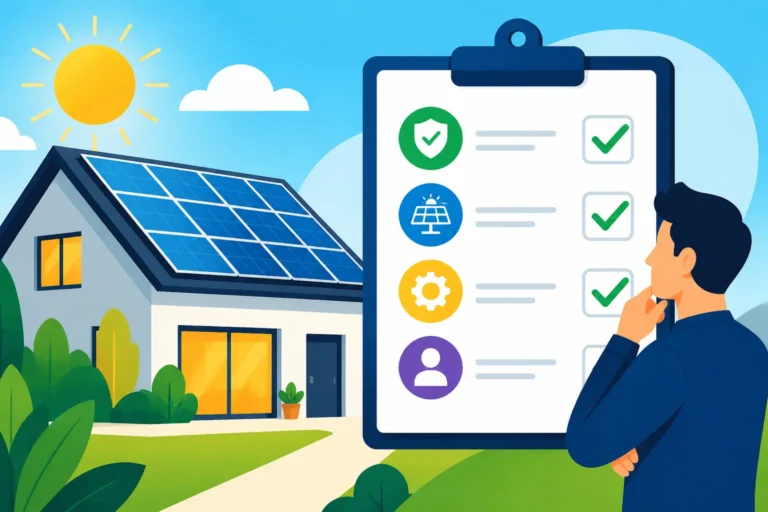
When you're comparing proposals, it's not just about the bottom line price. Look at the equipment they’re proposing – are they using high-quality, efficient panels and reliable inverters like those from Enphase or SolarEdge? Are their warranties comprehensive, covering both parts and labor for a good long run, typically 25 years for performance? Ask about their experience with installations in Connecticut specifically, and check for certifications like those from the North American Board of Certified Energy Practitioners (NABCEP). You might also consider using platforms like Modernize, which connect homeowners with pre-screened local solar professionals, taking some of the guesswork out of finding reliable contractors. This helps you avoid high-pressure solar sales tactics and ensures you're working with a trusted partner who understands the local regulations and incentives.
Navigating Connecticut’s Solar Incentives and Financing Options
Before signing on the dotted line, it’s critical to understand the financial landscape for solar in Connecticut. While the federal solar tax credit is a major player nationwide, Connecticut also offers its own incentives that can significantly reduce your overall costs.
For instance, the state has programs like the Residential Solar Investment Program (RSIP), which provides performance-based incentives (PBI) based on the electricity your system generates. This program has transitioned to an energy storage-focused incentive for new applications, encouraging homeowners to pair solar with batteries. Understanding these programs is crucial, as they can sometimes be combined with federal benefits like the Federal Solar Incentives That Still Exist in 2026 . Another key incentive that many homeowners overlook is Solar Property Tax Exemptions by State. In Connecticut, municipalities often offer exemptions that prevent your property taxes from increasing due to the added value of your solar system. Always confirm the current status of these incentives, as they can change.
When it comes to financing, you typically have a few options: outright cash purchase, solar loans, or third-party ownership agreements like solar leases or power purchase agreements (PPAs).
- Cash Purchase: This offers the highest long-term savings and return on investment, but requires significant upfront capital.
- Solar Loans: These are popular, allowing you to own your system without the large upfront cost. You pay a monthly loan payment, and the energy savings ideally offset or exceed this payment. Be wary of hidden loan costs, often called solar dealer fees.
- Lease/PPA: With these options, a third party owns the system on your roof, and you pay them a fixed monthly fee (lease) or for the power you use at a set rate (PPA). While these often involve $0 down, they typically offer fewer overall savings and you don't receive the incentives, as the system owner does. Many ask, "Should I Buy or Lease Solar in 2026?" and for most homeowners, ownership via cash or loan is financially superior.
It’s important to carefully review all financing options and understand how they impact your total Solar Panel Cost in Connecticut and long-term savings. Don't hesitate to ask your installer to walk you through all available programs and help you estimate your Solar Panel Payback Period Explained.
The Nitty-Gritty: Permitting, Installation, and Inspections
Once you’ve settled on a design, chosen an installer, and sorted out your financing, the next phase involves the more hands-on aspects of getting solar on your home. This part of the process requires patience, as it involves navigating local bureaucracy and coordinating tradespeople.
Permitting and Utility Interconnection
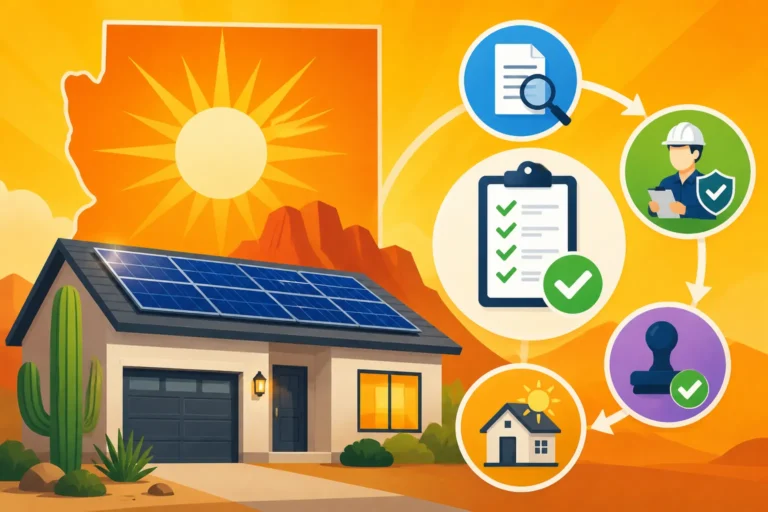
Before any physical work can begin, your solar installer will handle the complex process of securing the necessary permits. In Connecticut, this usually means obtaining a building permit from your local municipality (city or town) and an electrical permit. Each town might have slightly different requirements or timelines. For example, getting permits in a busy city like Stamford might take a bit longer than in a smaller town like Redding. Your installer will submit detailed plans, including electrical diagrams and structural analyses, to ensure everything meets local building codes and safety regulations.
Simultaneously, your installer will initiate the interconnection agreement process with your utility company, such as Eversource or United Illuminating. This is a critical step that allows your solar system to safely connect to the grid and ensures you can participate in net metering. The utility needs to approve your system design to ensure it won't negatively impact grid stability. This part of the process, including obtaining Permission to Operate (PTO), can sometimes be the longest waiting period, so managing your expectations is key. You can't legally turn on your system and start generating power until PTO is granted.
The Installation Day(s)
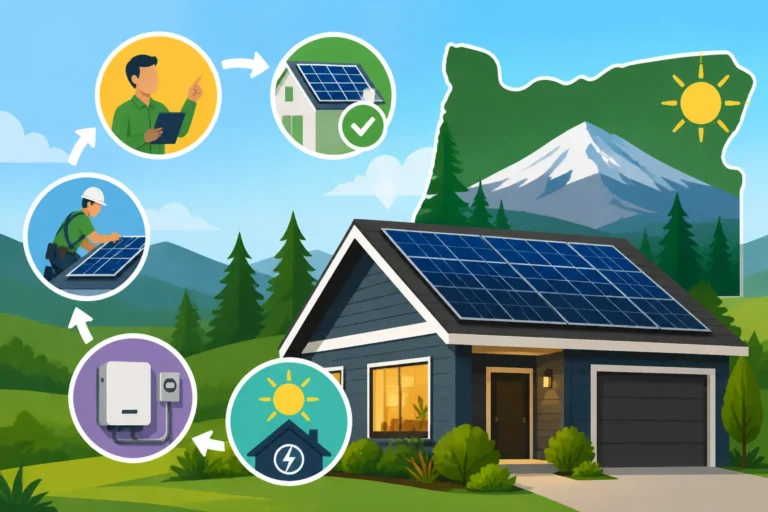
Once all permits are in hand and the utility interconnection agreement is moving forward, the actual installation can be scheduled. The physical installation process itself is usually quicker than you might imagine, often taking just one to three days, depending on the size and complexity of your system.
Here's a general idea of what happens during installation:
- Safety First: The crew will arrive, secure the work area, and ensure safety protocols are in place.
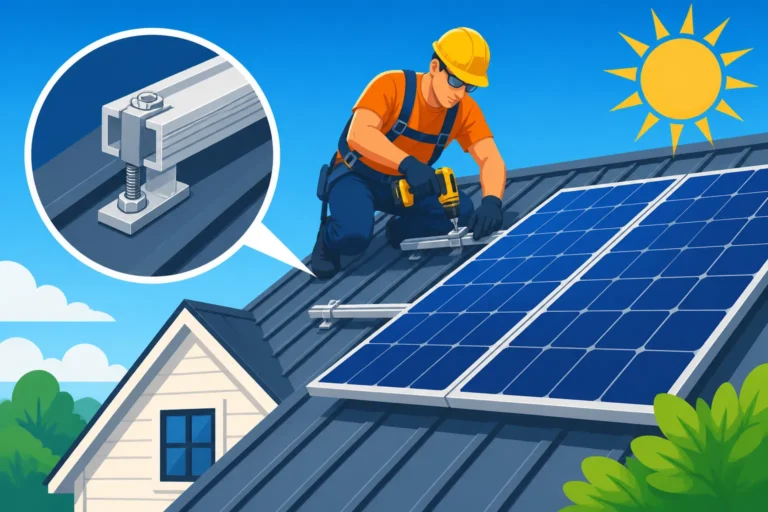
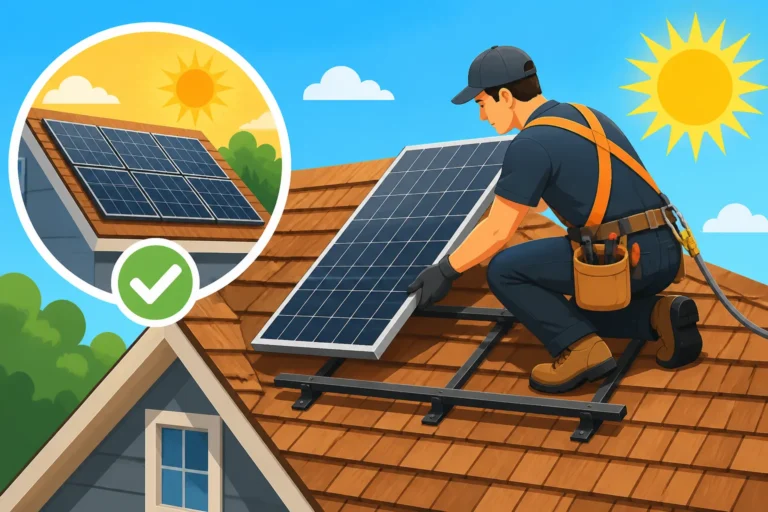
- Mounting System: They will install the racking system onto your roof. This involves attaching aluminum rails to your roof rafters, ensuring proper flashing to prevent leaks. Rest assured, professional installers know how to install solar panels on an asphalt shingle roof without compromising its integrity.
- Panel Placement: The solar panels are then carefully hoisted onto the roof and secured to the racking.
- Electrical Wiring: Electricians will connect the panels to inverters (either string inverters mounted near your electrical panel or microinverters attached directly under each panel), which convert the direct current (DC) electricity from the panels into alternating current (AC) that your home uses. They will also run conduit to connect the system to your main electrical panel.
- Grounding and Safety Checks: The entire system will be grounded according to electrical codes, and preliminary safety checks will be performed.
Throughout this process, your installer should keep you informed. Companies like Modernize emphasize working with installers who prioritize transparent communication, ensuring you’re always in the loop, from the initial consultation to flipping the switch.
Post-Installation Inspections
After the physical installation is complete, there are typically two main inspections that need to happen before your system can go live:
- Local Building Inspector: A representative from your local building department will inspect the installation to ensure it complies with all local building and electrical codes. They’ll check the structural integrity of the mounting, the wiring, the conduit, and overall adherence to the approved plans.
- Utility Inspector: Your utility company (Eversource or United Illuminating) will send an inspector to verify that the system has been installed according to their interconnection requirements and that it’s safe to connect to the grid. They'll also install or replace your electric meter with a net meter, which can track both the electricity you consume from the grid and the excess electricity your panels send back to it. Understanding Net Metering Explained: How It Works by State is key, as Connecticut has specific rules that impact your savings.
Powering Up: Activation, Monitoring, and Maintenance
You’re almost there! Once the installation is complete and all inspections are passed, you're on the cusp of producing your own clean energy. This final stage is about activation, learning how to monitor your system, and understanding its long-term care.
Permission to Operate (PTO) and System Activation
Receiving Permission to Operate (PTO) from your utility company is the green light you've been waiting for. This official approval means your solar system can now be safely and legally connected to the grid and begin generating electricity. Your installer will typically be the one to notify you when PTO has been granted. Once you have PTO, the installer will often perform the final activation, turning on your system and showing you how it works. This is a huge milestone, and it's exciting to watch your electric meter start spinning backward (or at least slow down dramatically!).
Many homeowners are curious about the timing, and generally, the entire Solar Installation Timeline: What to Expect from initial consultation to PTO can range anywhere from 2 to 6 months in Connecticut, largely depending on permit and utility processing times. Patience during this phase is truly a virtue!
Monitoring Your Solar Production
Modern solar systems come with sophisticated monitoring capabilities, allowing you to track your energy production in real-time. Most systems use an online portal or a mobile app provided by the inverter manufacturer (like Enphase Enlighten or SolarEdge Monitoring Platform). These tools allow you to see exactly how much electricity your panels are generating hour by hour, day by day, and month by month.
This monitoring is incredibly valuable:
- Track Savings: You can directly see how much power you're generating and how it correlates with your reduced utility bills.
- Performance Verification: It helps confirm that your system is performing as expected based on your installer's initial estimates.
- Troubleshooting: If there's an issue with a panel or an inverter, the monitoring system can often alert you or your installer to the problem, allowing for quick diagnosis and repair.
- Environmental Impact: It’s also a satisfying way to see the positive environmental impact of your investment, tracking avoided carbon emissions.
Your installer should walk you through how to access and interpret your monitoring data during the activation process. Don't be shy about asking questions!
Long-Term Care and Warranties
Once your system is up and running, solar panels are generally very low maintenance. However, a little care can go a long way in ensuring optimal performance and longevity.
Here are a few things to keep in mind:
- Cleaning: In Connecticut, rain and snow typically keep panels fairly clean. However, if you notice a significant buildup of dirt, pollen, or bird droppings, a gentle rinse with a hose from the ground is usually sufficient. Avoid harsh chemicals or abrasive brushes. Most homeowners find they rarely need to clean their panels, but if you're concerned about Solar Panel Maintenance & Cleaning, talk to your installer.
- Shading: Keep an eye on any trees or bushes that might grow and start casting new shadows on your panels. Regular trimming can prevent these from impacting your system’s efficiency.
- Inspections: While not usually required, some homeowners opt for an occasional professional inspection every few years to check electrical connections, racking integrity, and overall system health.
Crucially, understand your warranties. You'll typically have several:
- Product Warranty: Covers the physical panels against manufacturing defects (usually 10-12 years).
- Performance Warranty: Guarantees that the panels will produce a certain percentage of their rated power output over a set period (typically 25 years, guaranteeing around 80-85% of original output).
- Inverter Warranty: Covers your inverter(s), usually 10-12 years for string inverters and 20-25 years for microinverters.
- Workmanship Warranty: Provided by your installer, covering the quality of the installation itself (often 10 years or more).
Knowing what your warranties cover gives you peace of mind that your investment is protected for years to come. For instance, reputable brands like Qcells and Maxeon offer robust warranties that instill confidence in homeowners.
| Phase | Estimated Timeline (Connecticut) | Key Activities | Who is Responsible? |
|---|---|---|---|
| Initial Consultation | 1-2 weeks | Energy audit, site assessment, proposal generation, quote comparison | Homeowner, Solar Installer |
| Contract & Financing | 1-3 weeks | Sign agreements, finalize loan/lease, apply for incentives | Homeowner, Solar Installer, Lender |
| Design & Engineering | 2-4 weeks | Detailed system design, electrical schematics, structural analysis | Solar Installer |
| Permitting | 4-8 weeks | Apply for local building & electrical permits, utility interconnection | Solar Installer, Local Municipality, Utility Company |
| Installation | 1-3 days | Physical mounting of panels, wiring, inverter installation | Solar Installer Crew |
| Inspections | 2-4 weeks | Local building inspection, utility inspection, net meter installation | Local Municipality, Utility Company |
| Permission to Operate | 1-2 weeks | Final approval from utility to energize system, system activation | Utility Company, Solar Installer |
| Monitoring & Maintenance | Ongoing | Track production, minor cleaning, occasional checks | Homeowner, Solar Installer (for warranty issues) |
This table provides a generalized timeline. Keep in mind that unexpected delays with permitting or utility approvals can extend these estimates.
Disclaimer
Please note that the information provided in this guide is for general informational purposes only and should not be considered professional financial, legal, or energy advice. Solar incentives, regulations, and costs can change frequently. We strongly recommend consulting with qualified local solar professionals, financial advisors, and your utility company for personalized advice regarding your specific situation in Connecticut.