Will Solar Panels Damage My Roof?
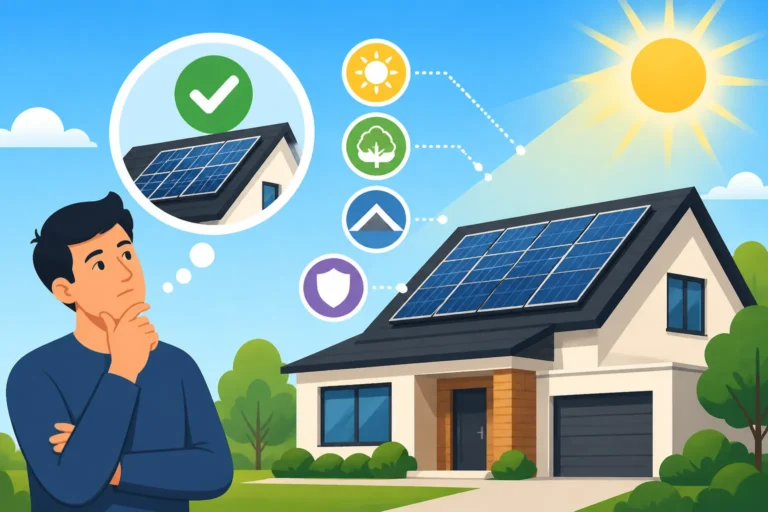
One of the biggest worries I hear from homeowners considering solar is the nagging fear: "Will putting solar panels on my roof actually damage it?" It's a completely valid concern. Your roof is a huge investment, protecting your entire home, and the idea of drilling holes into it can feel incredibly risky. But here's the good news: with a professional installation, proper planning, and a reputable installer, solar panels are designed to protect your roof, not harm it. This guide will walk you through common concerns and show you exactly how potential roof damage is avoided, giving you the peace of mind you deserve.
Understanding Common Roof Concerns Before Solar Installation
It’s natural to have a long list of questions and worries when you’re thinking about a major home upgrade like solar panels. When it comes to your roof, these concerns are particularly acute because any issue there can quickly snowball into much bigger problems for your home. Let's tackle some of the most common anxieties head-on.
Leaks and Water Intrusion
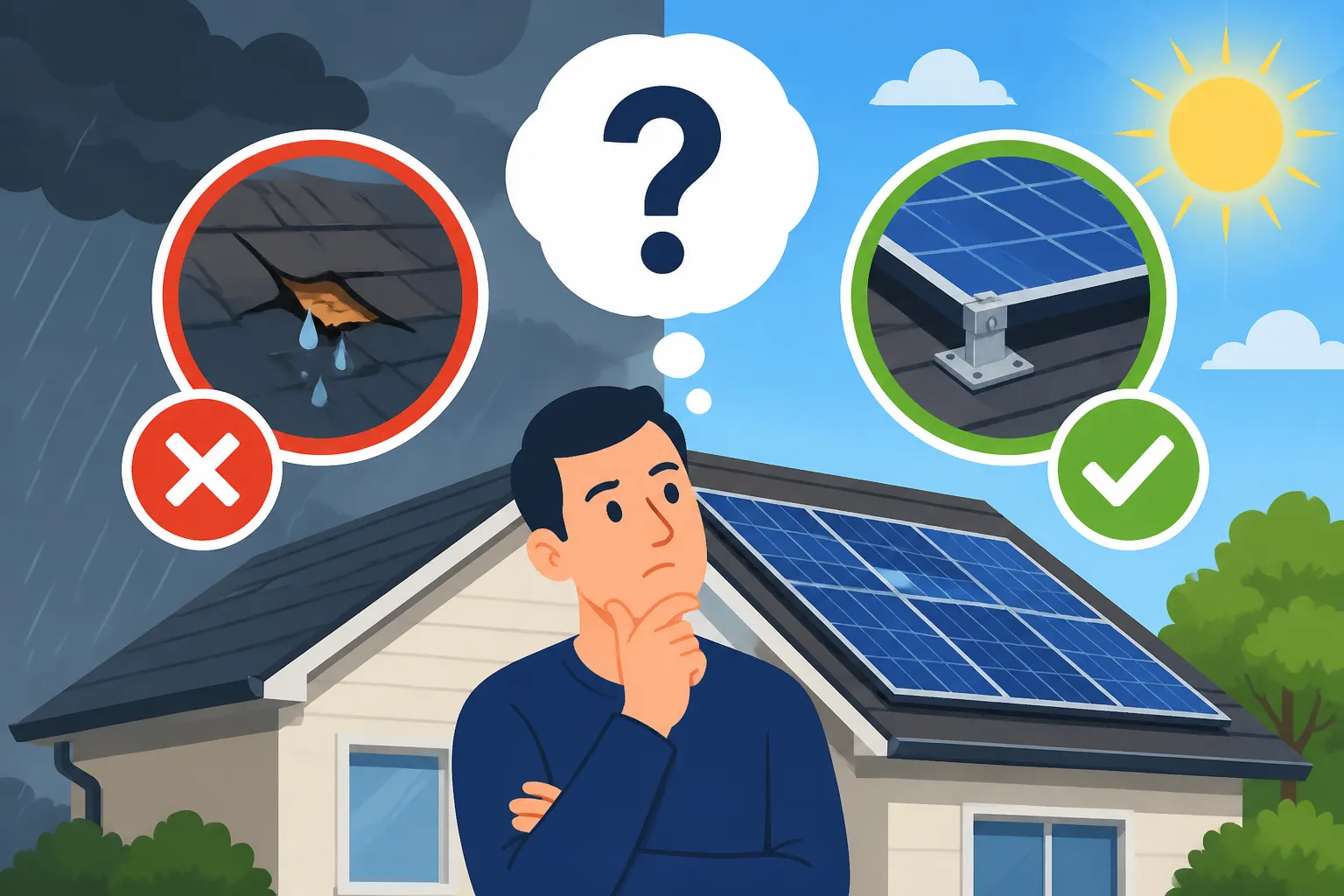
This is probably the number one fear for most homeowners, and for good reason! The thought of rainwater seeping through your roof where solar panels are mounted can conjure up nightmares of costly repairs, ruined ceilings, and mold growth. You might picture installers just haphazardly drilling holes and leaving your home vulnerable. This worry often stems from a lack of understanding about the sophisticated techniques and materials modern solar installers use to ensure watertight integrity. It’s not just about a few screws; it’s a carefully engineered system.
What many homeowners don't realize is that professional solar installations involve specific flashing and sealing techniques that are actually more robust than standard roof penetrations, like those around vents or chimneys. Every single mounting point where a lag bolt goes into your roof rafters is meticulously sealed. Installers use high-grade sealants and often integrate specialized flashing that diverts water away and creates multiple layers of protection. Think of it like adding extra waterproofing specifically designed for solar arrays. A reputable company knows that their reputation depends on not causing leaks, so they invest in proper training and materials to prevent this from ever happening.
Structural Integrity and Weight
Another significant concern is whether your roof can even handle the added weight of solar panels. Solar panels, especially modern, high-efficiency ones, aren't feather-light. Add the mounting hardware, and you've got a considerable load. People often wonder if their existing roof structure, perhaps on an older home, is strong enough, or if the panels could lead to sagging, cracks, or even a collapse. This fear is compounded by the fact that roofs also have to bear snow loads in winter and withstand high winds, especially in areas prone to severe weather like Florida or Tornado Alley.
Before a single panel is installed, a thorough structural assessment of your roof is conducted. This isn't just a quick glance; it involves a qualified professional – often a structural engineer – reviewing your home's blueprints or conducting a detailed onsite inspection. They calculate the existing dead load (the weight of the roof materials itself), the live load (potential snow or wind loads specific to your region), and then factor in the additional weight of the solar array. If any deficiencies are found, they'll recommend necessary reinforcements before installation proceeds. This might involve adding extra bracing in the attic. So, when you get a green light for solar, it's because experts have confirmed your roof is more than capable of bearing the load. This pre-emptive approach ensures your roof's long-term stability.
Aesthetic Impact and Removal
While not strictly "damage," many homeowners worry about the permanent aesthetic alteration of their roof and the potential for damage during future removal or replacement. You might wonder if the panel mounts will leave unsightly holes if the system ever needs to come off, or if the panels themselves will degrade the roofing materials underneath over time. What if you need a new roof in 10-15 years? Will removing the solar array cause more problems than it solves?
The truth is, solar panels are a significant visual change, but modern mounting systems are designed to be as minimally invasive as possible. When panels are eventually removed for roof maintenance or replacement, the mounting hardware is unbolted, and the holes are typically capped or sealed with compatible roofing materials, leaving a finish that is often as good as, if not better than, the original state. Furthermore, the area directly under the solar panels is actually protected from the elements – UV rays, hail, and harsh weather – which can surprisingly extend the life of the roofing material beneath them. It's not uncommon for sections of a roof under solar panels to look almost brand new when the panels are removed decades later, while the exposed areas show significant wear.
How Professional Solar Installation Prevents Damage
The key to preventing roof damage from solar panels lies squarely in the hands of the professionals who install them. This isn't a DIY weekend project, and for good reason. Certified installers follow stringent protocols, leverage specialized equipment, and are bound by codes and warranties that hold them accountable.
Mounting Systems and Sealing Techniques
This is where the rubber meets the road, or more accurately, where the mounts meet the roof. Professional installers use sophisticated mounting systems designed for longevity and leak prevention. These aren't just generic screws; they are typically stainless steel lag bolts that are specifically engineered for roofing applications. Each bolt is drilled into a roof rafter, not just the sheathing, ensuring a secure anchor point that distributes weight effectively.
But the real magic for preventing leaks comes from the multi-layered sealing approach. Once a pilot hole is drilled, installers typically inject a high-grade, UV-resistant sealant, like a silicone or polyurethane caulk, directly into and around the hole. Then, they install a piece of flashing – often a metal or composite material – that slides under the shingles above the penetration and extends over the penetration point, creating a waterproof skirt. This flashing then gets sealed to the roof with more sealant. This essentially creates a watertight barrier that directs any potential water runoff around the bolt and over the flashing, preventing it from ever reaching the hole. Many systems even use an additional seal, sometimes called an "L-foot seal" or "standoff," providing yet another layer of protection. This meticulous process is a far cry from a simple nail and some tar, which is why a properly installed system is incredibly durable.
Pre-Installation Roof Inspections and Repairs
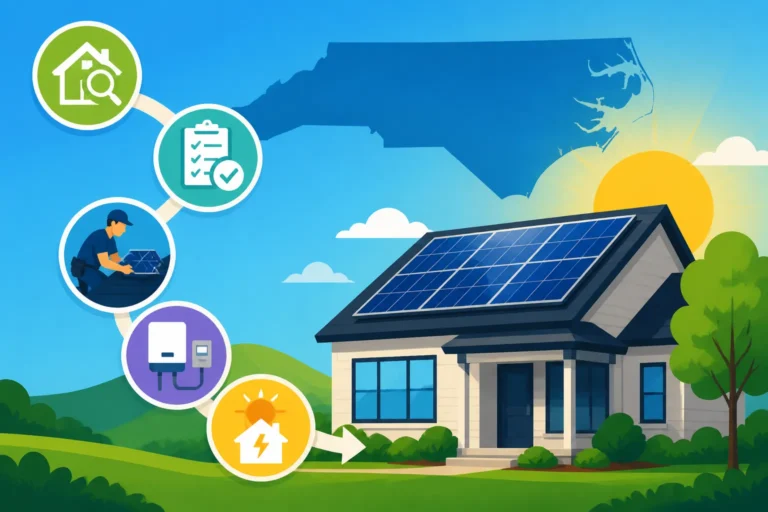
You wouldn't build a house on a shaky foundation, and the same goes for installing solar panels on a compromised roof. A critical step that all reputable solar companies undertake is a comprehensive pre-installation roof inspection. This inspection isn't just about looking for obvious leaks; it's a detailed assessment of the entire roofing structure and material. The installer will check the age of your roof, the condition of the shingles or tiles, the integrity of the decking, and even the attic for signs of water damage, rot, or insufficient bracing. They'll also measure roof pitch and assess shading.
If your roof is too old or shows significant wear (generally, if it has less than 10-15 years of useful life left), a good installer will actually recommend a roof replacement before installing solar. This might sound like an extra cost, but it's a smart long-term investment. Replacing the roof later would require temporarily removing the solar panels, which adds significant expense and hassle. Addressing roof repairs or replacements proactively ensures that the solar system is installed on a sound surface, maximizing its lifespan and preventing future headaches. Companies like Modernize often emphasize connecting homeowners with installers who prioritize these crucial pre-checks, ensuring a smooth process from the start.
The Role of Permitting and Building Codes
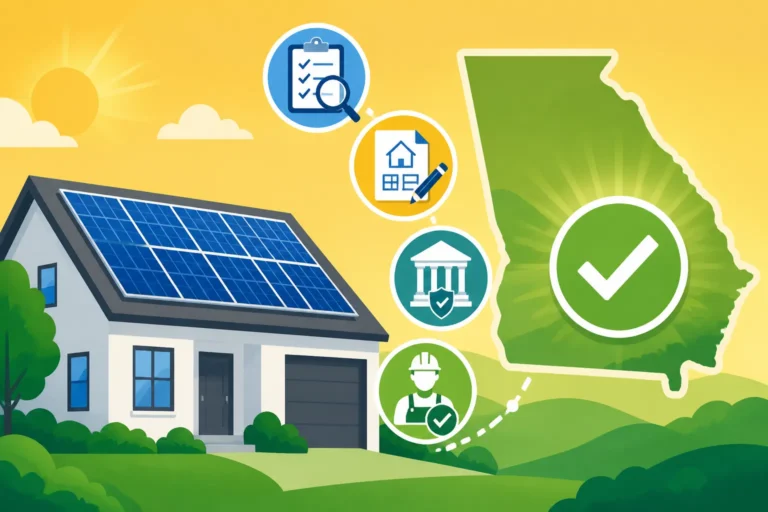
The process of going solar isn't just about picking panels and an installer; it's also about navigating a labyrinth of local permits and building codes. While this can sometimes feel like a bureaucratic hurdle, these regulations are actually your best friend when it comes to preventing roof damage and ensuring safety. Every solar installation must adhere to strict local, county, and state building codes, which include requirements for structural integrity, electrical safety, and roof penetration methods.
Before your system can even be installed, detailed plans – including structural drawings and electrical schematics – must be submitted to your local permitting office. These plans are reviewed by city or county officials, often including structural engineers and electrical inspectors, to ensure they meet all applicable codes. Once installed, the system will undergo a series of inspections by these same officials. They’ll verify that the mounting hardware is correctly installed, all penetrations are properly sealed, and the electrical work is up to code. Only after passing these rigorous inspections will you receive "Permission to Operate (PTO)", allowing your system to be connected to the grid. This multi-layered approval process acts as a robust safeguard, ensuring that your solar installation is not only safe but also won't compromise the integrity of your roof.
Choosing the Right Installer and Maintaining Your System
Even with all the preventative measures built into the solar installation process, the ultimate protection for your roof often comes down to who you choose to install your system and how you care for it afterward. This is not the time to cut corners or rush into a decision.
Vetting Solar Installers and Warranties
Choosing a reputable solar installer is perhaps the single most important step in preventing roof damage. A great installer will have certified technicians, extensive experience with various roof types, and a proven track record of quality workmanship. Look for installers with certifications like NABCEP (North American Board of Certified Energy Practitioners), which indicates a high level of expertise. Always ask for references and check online reviews. A good installer will also carry comprehensive insurance – both general liability and worker’s compensation – to protect you in case of any accidents or unforeseen damage during the installation process.
Crucially, pay close attention to the warranties offered. Most reputable installers provide a workmanship warranty, typically covering their installation work for 10-25 years. This warranty should explicitly cover roof leaks caused by their installation. If a leak were to occur due to faulty installation, this warranty ensures the installer is responsible for repairs. You might find services like Modernize to be quite helpful here, as they often vet installers and provide access to multiple quotes from pre-qualified companies in your area, making the selection process easier and more reliable. Don't be afraid to ask detailed questions about their installation process, their leak prevention methods, and what their warranty specifically covers. Understanding the details of your Solar Panel Warranties Explained can save you a lot of grief down the road.
Post-Installation Care and Monitoring
Once your solar panels are installed and humming along, the likelihood of them causing roof damage is incredibly low, especially if you followed the advice above. However, "set it and forget it" isn't quite the right mindset. While solar panels require minimal maintenance, a little proactive care can go a long way in ensuring both your system and your roof remain in top condition.
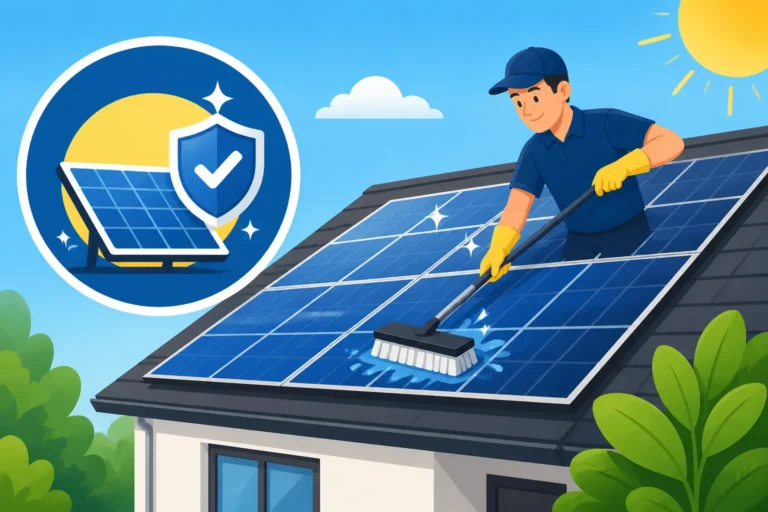
Periodically, it’s a good idea to visually inspect your roof, if it's safe to do so, or hire a professional to do it for you. Look for any loose wiring, displaced flashing, or signs of wear around the panel mounts. After severe weather events, like heavy storms or high winds, a quick check can catch any potential issues early. Most modern solar systems come with monitoring apps that allow you to track your energy production. While this primarily tells you about system performance, a sudden unexplained drop in production could sometimes hint at a physical issue, though it's rarely roof-related. Keeping your panels clean, especially in dusty areas, also ensures optimal performance, but professional cleaning is usually recommended to avoid walking on the roof yourself, which could inadvertently cause damage if done improperly. Understanding Solar Panel Maintenance & Cleaning can help you determine what's needed.
What to Do if Damage Occurs
Despite all precautions, sometimes the unexpected happens. If you suspect any roof damage after your solar installation – perhaps you notice a leak or visible issue – don't panic, but act quickly. Your first step should be to contact your solar installer immediately. Refer to your contract and the workmanship warranty. If the damage is indeed related to the installation, they should be obligated to repair it at no cost to you. Document everything with photos and notes.
If the installer is unresponsive or unwilling to honor their warranty, then you might need to involve your home insurance company. However, it's always best to try and resolve it with the installer first. This is another reason why choosing a reputable, financially stable installer is so important; they’ll be around to honor their commitments. In rare cases where an installer goes out of business, your home warranty might offer some protection, or you may need to pursue legal avenues. But let me reiterate, these situations are truly the exception, not the rule, especially with proper vetting.
Comparison of Roof Types and Solar Compatibility
To give you a better idea of how solar interacts with different roofing materials, here’s a quick overview:
| Roof Material | Pros for Solar | Potential Concerns & Mitigation | Ideal Age for Solar Installation |
|---|---|---|---|
| Asphalt Shingle | Most common, easy to install mounts, cost-effective | Shingle lifespan; proper flashing crucial to prevent leaks. Installer must use high-grade sealants. | 5-15 years |
| Metal (Standing Seam) | Excellent durability, easy clamp-on mounts (no penetrations usually), very long lifespan | Requires specialized clamps that fit the seam profile; ensures no drilling. | 0-30+ years |
| Tile (Concrete/Clay) | Aesthetically pleasing, long lasting | Fragile tiles prone to cracking during installation; requires tile flashing or lift-and-replace. Installer experience critical. | 5-20 years |
| Flat (TPO, PVC, EPDM) | Easy to angle panels for optimal sun, often less visible from ground | Requires ballast mounting or specialized low-penetration mounts to avoid leaks; drainage considerations. | 5-20 years |
| Wood Shake/Shingle | Natural aesthetic | More difficult to seal due to irregular surface; higher fire risk; often requires a full re-roof first. | Generally not recommended, or requires full replacement |
As you can see, each roof type has its nuances, and a skilled installer knows how to handle each one to ensure zero damage. The most important thing is that you confirm your chosen installer has extensive experience with your specific roof material. For more on what to consider, check out our guide on Roof Considerations for Solar Panels.
Going solar is a fantastic investment, and the potential benefits far outweigh the minimal risk of roof damage, especially when you work with experienced professionals. Don’t let unfounded fears hold you back from harnessing the power of the sun! The key is always diligence in choosing your installer and understanding the process. You can learn more about the complete process in our article on How Are Solar Panels Installed? Step by Step. Also, consider whether you Do I Need a New Roof Before Solar? if your roof is older, to streamline the entire process. And remember, platforms like Modernize can help you connect with qualified installers who prioritize roof integrity.
Disclaimer
The information provided in this guide is for general informational purposes only and does not constitute professional advice. While we strive to provide accurate and up-to-date content, solar technology, incentives, and regulations are subject to change. Always consult with certified solar professionals, structural engineers, and local authorities before making any decisions regarding your solar installation or roof modifications. Individual results and experiences may vary.