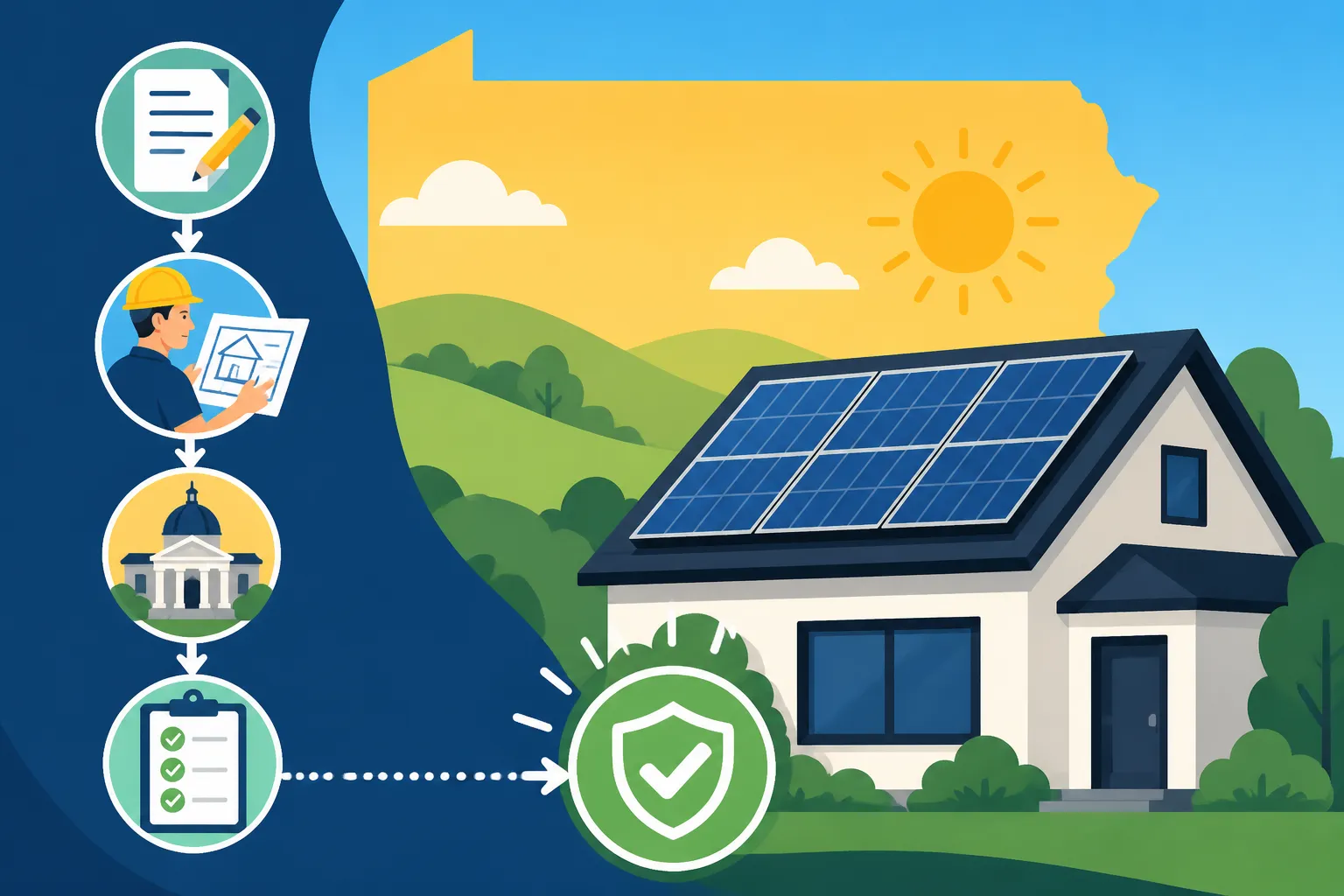
Solar Permit Process in Pennsylvania
Thinking about going solar in Pennsylvania can feel incredibly exciting, but then you hit the paperwork wall. Trying to figure out the solar permit process in Pennsylvania often feels like navigating a labyrinth, especially with each city, township, and borough having its own specific rules and forms. This guide aims to cut through that confusion, giving you a clear, step-by-step breakdown of what to expect when getting your solar panels approved in the Keystone State.
Understanding Pennsylvania's Decentralized Approach to Solar Permitting
Unlike some states with a highly centralized process, Pennsylvania's solar permitting is a bit more of a patchwork. You'll quickly discover that the specific requirements can vary dramatically depending on where you live, whether that's bustling Philadelphia, a suburban community outside Pittsburgh, or a quiet rural township in Lancaster County. This decentralization is often the first hurdle homeowners face, leading to confusion and potential delays.
The Patchwork of Local Building Codes
Each municipality in Pennsylvania has the authority to adopt and enforce its own building codes, as long as they meet or exceed the state's Uniform Construction Code (UCC). The UCC is based on the International Residential Code (IRC) and International Building Code (IBC), which do include sections on solar energy systems. However, the interpretation and supplementary requirements often differ from one town hall to the next. For instance, while one township might simply require a basic electrical permit and a structural review, another might demand extensive architectural drawings, detailed site plans, and even a public hearing for certain installations.
This means that the building department in Allentown might have slightly different forms or review timelines than the one in Erie. Your solar installer will be your best guide here, as reputable companies are typically familiar with the local permitting quirks in their service areas. They've likely navigated the specific demands of multiple jurisdictions and can anticipate what a particular building official might ask for. This local knowledge is invaluable and can save you a ton of headaches, preventing you from getting stuck in an endless loop of resubmissions.
State-Level Guidelines and Exceptions
While local jurisdictions hold significant sway, there are still overarching state-level guidelines that apply to all solar projects in Pennsylvania. The state's Uniform Construction Code does provide a baseline, ensuring a certain level of safety and structural integrity across all installations. For example, all electrical work must adhere to the National Electrical Code (NEC), which Pennsylvania adopts. This means there are consistent standards for wiring, grounding, and overcurrent protection, no matter where your home is located.
Beyond the UCC, Pennsylvania also has various incentives and regulations that indirectly influence the permit process by encouraging solar adoption. While not directly permitting rules, understanding things like how Net Metering Explained: How It Works by State operates or exploring State Solar Incentives: Complete 2026 Guide can impact your project's overall feasibility and design, which in turn feeds into the permit application. For instance, if your system design needs to meet specific criteria for a state rebate, those details must be accurately reflected in your submitted plans. Your installer will ensure all designs meet both local codes and any relevant state program requirements.
Navigating the Key Steps of the Solar Permit Application in PA
Once you've wrapped your head around the local variations, the actual application process typically follows a series of common steps. It involves preparing detailed documentation and then engaging with your local building department. Patience is key here, as each stage has its own timeline.
Initial Documentation and Design Plans
Before anything gets submitted, a substantial amount of legwork goes into preparing your application. This phase usually starts after you've chosen an installer and finalized your system design. Your installer will conduct a site survey to assess your roof's condition, shading, and structural integrity. Based on this, they'll create a detailed system design. This design package is the heart of your permit application and will include:
- Structural analysis: Engineering calculations to prove your roof can safely support the weight of the solar panels and racking. This is a critical safety component.
- Electrical schematics: Detailed diagrams showing how the solar panels, inverters, and electrical components will integrate with your home's existing electrical system and the utility grid. This includes specifications for conduit, wiring, and safety disconnects.
- Site plans: Drawings illustrating the layout of the solar panels on your roof, including setbacks from roof edges, fire access pathways, and any other relevant site details. These plans also show the location of inverters and other equipment.
- Equipment specifications: Data sheets for all major components, such as the solar panels (e.g., Qcells, REC), inverters (e.g., Enphase, SolarEdge), and mounting hardware.
- Permit application forms: The actual forms required by your specific municipality, which can vary greatly in length and detail.
Gathering all this can feel overwhelming, but this is where your solar provider truly earns their keep. Companies like those found through services like Modernize often have dedicated permitting teams that handle this entire documentation process for you, ensuring everything is accurate and complete before submission. This meticulous preparation is crucial for avoiding common delays and getting your project moving smoothly.
Submitting Your Application and Awaiting Review
With your comprehensive packet ready, the next step is submitting it to your local building department. In many Pennsylvania municipalities, this might involve an in-person visit, though some larger cities and more progressive townships now offer online submission portals. You'll pay the required permit fees at this stage, which can range from a few hundred dollars to over a thousand, depending on your system size and location.
After submission, your application enters the review phase. Building officials and plan checkers will scrutinize your documents to ensure compliance with all local and state building codes, zoning ordinances, and electrical standards. They'll be looking for things like:
- Structural adequacy: Can your roof handle the load, especially during heavy snows or high winds common in areas like the Pocono Mountains?
- Electrical safety: Is the wiring up to NEC standards? Are rapid shutdown mechanisms in place for firefighter safety?
- Zoning compliance: Are the panels visible from the street? Do they meet any height restrictions or aesthetic guidelines set by the local zoning board?
- Completeness: Are all necessary signatures, diagrams, and specifications included?
This review period can be the longest and most unpredictable part of the process, often taking anywhere from a few weeks to several months. Delays can occur if there are discrepancies in your plans, if the building department is understaffed, or if additional information is requested. This is also why choosing a reputable installer who has a good relationship with local authorities can sometimes expedite the process slightly. They know who to talk to and how to respond efficiently to any queries.
Common Challenges and Tips for a Smoother PA Solar Permit Process
Even with the best intentions and a meticulous installer, the solar permit journey can hit snags. Knowing what to watch out for and how to navigate common issues can save you significant time and frustration.
Addressing Permit Denials and Revisions
It's not uncommon for a permit application to be returned with a list of corrections or requests for more information. This isn't necessarily a "denial" in the sense that your project is dead, but rather an indication that something in the submitted plans needs to be adjusted or clarified to meet code. Common reasons for these revisions include:
- Missing information: A crucial detail, like a specific safety calculation or a manufacturer's spec sheet, might have been inadvertently omitted.
- Code discrepancies: The design might not fully align with a specific local interpretation of a building or electrical code. For example, a setback requirement from a ridge line might be different than what was initially assumed.
- Structural concerns: The engineer might request additional reinforcement or more detailed drawings to confirm the roof's capacity.
- Zoning conflicts: Perhaps the panel layout infringes on a local aesthetic ordinance or a specific height restriction.
When revisions are requested, your installer's responsiveness is paramount. They should promptly address the concerns, revise the plans, and resubmit the application. Each revision adds to the overall Solar Installation Timeline: What to Expect, so clear communication and quick action from your installer are vital. This is another area where finding a reliable solar company can make all the difference.
Working with Your Installer and Local Authorities
Effective communication is the linchpin of a smooth permitting process. From your side, make sure you understand the general timeline your installer anticipates and any potential challenges specific to your area. Don't hesitate to ask questions about the status of your application. Reputable installers will provide regular updates and manage all interactions with the local authorities on your behalf.
On the local authority side, while specific officials can be helpful, direct communication from the homeowner is usually best channeled through your installer. They are the technical experts and are better equipped to answer detailed questions about electrical codes or structural engineering. However, it can be beneficial to understand the process yourself. If you're curious about general permit requirements, many municipalities, like the City of Pittsburgh or even smaller boroughs, will have general guidelines available on their planning or building department websites. Sometimes, a quick search for "How to Get Solar Permits" for your specific county or town can yield surprising results. Being informed helps you advocate for your project if any issues arise.
The Role of Interconnection in Pennsylvania Solar Projects
Beyond the local building permit, a crucial separate step for grid-tied solar systems in Pennsylvania is the interconnection agreement with your utility company. This is essentially permission from your utility to connect your solar system to their electrical grid.
Applying for Interconnection with Your Utility
Once your building permit is secured, your installer will typically apply for interconnection on your behalf. This involves submitting another set of documents to your local utility company, such as PPL Electric Utilities, PECO, or Duquesne Light Company. These documents detail your system's size, electrical specifications, and safety features. The utility needs to ensure that your system won't negatively impact the stability or safety of their grid. They'll also verify that your system is set up for Net Metering Explained: How It Works by State, allowing you to send excess electricity back to the grid for credit.
The utility's review process varies but usually involves:
- Application submission: Your installer sends in the interconnection request with all necessary technical data.
- Technical review: The utility assesses the system's impact on the grid. For most residential systems, this is a fairly straightforward review.
- Meter upgrade (if necessary): If you don't already have a compatible net meter, the utility will schedule an appointment to install one. This special meter tracks both the electricity you draw from the grid and the excess electricity your solar panels send back.
This phase is critical, and delays here can also push back your activation date. Staying abreast of common Solar Installer Red Flags to Watch For can help you pick a company that has a strong track record of navigating both local permitting and utility interconnection with ease.
Permission to Operate (PTO) and System Activation
The final, and most exciting, step in the solar journey is receiving Permission to Operate (PTO). This is the green light from your utility company that says you can officially turn on your solar system and begin generating your own clean electricity.
Before PTO is granted, two main things usually happen:
- Final inspection: Your local building department will conduct a final inspection to ensure that the installation matches the approved plans and complies with all relevant building and electrical codes. An inspector will verify the physical installation, wiring, safety disconnects, and proper mounting.
- Utility approval: Once your final building inspection passes and the utility has completed its technical review and installed any necessary net meter, they will issue the PTO.
It's vital not to energize your system before receiving PTO. Doing so can lead to safety hazards, fines, and even a delay in getting proper credit for your generated power. Once PTO arrives, your installer will often be on hand to flip the switch and activate your system, marking the official start of your solar savings. Many homeowners find that the wait, while sometimes frustrating, is well worth it when they see their first electricity bill with significantly reduced charges. Understanding What Is Permission to Operate (PTO)? thoroughly can help manage expectations during this final stretch.
Solar Permitting Fees and Timelines in Pennsylvania
Let's talk brass tacks. What can you expect to pay for permits and how long will this whole process take? While exact figures are hard to pin down due to local variations, we can offer some general ranges and important considerations.
Average Permit Costs for Residential Solar
The cost of solar permits in Pennsylvania typically varies based on your municipality and the size of your solar system. Generally, you can expect permit fees to range from $200 to $1,500. These fees usually cover:
- Building permit: For the structural installation of the panels on your roof.
- Electrical permit: For the wiring and electrical connections.
- Zoning review fees: If your project requires any specific zoning approvals.
- Plan review fees: For the building department to review your detailed designs.
In some cities, like Pittsburgh, permit fees might be calculated based on the total project cost or the electrical load, while in smaller townships, it could be a flat fee. It's always best to ask your solar installer for a detailed breakdown of these costs, as they should be included in your overall quote. Remember, these fees are a necessary part of ensuring your system is installed safely and legally.
Here's a generalized look at potential permit fees:
| Municipality Type | Typical Permit Fee Range | Common Components Covered |
|---|---|---|
| Small Township/Borough | $200 – $500 | Building, Electrical |
| Mid-Sized City/County | $400 – $1,000 | Building, Electrical, Plan Review, Zoning (if applicable) |
| Major City (e.g., Philly) | $800 – $1,500+ | Building, Electrical, Plan Review, Expedited Review (optional) |
Typical Permitting and Interconnection Timelines
The entire process, from initial application submission to receiving PTO, can take anywhere from 4 weeks to 16 weeks or even longer in Pennsylvania. This timeline is heavily influenced by several factors:
- Local building department workload: Busy periods or understaffed departments can cause significant delays.
- Completeness of application: Incomplete applications are the leading cause of slowdowns.
- Utility company efficiency: Some utilities process interconnection agreements faster than others.
- Complexity of your system: Larger or more complex systems might require more extensive reviews.
- Number of revisions: Each time your plans need to be revised and resubmitted, it adds days or weeks to the timeline.
Your solar installer should be able to give you a realistic estimate based on their experience in your specific area. They're often on the front lines of this process, dealing directly with local officials, and can provide the most accurate expectations. While the waiting can be tough, keep in mind that these processes are in place to ensure the safety and longevity of your solar investment and the stability of the electrical grid. They are a small but essential part of realizing the long-term benefits of Solar ROI & 25-Year Savings Breakdown.
Disclaimer
The information provided in this guide is intended for general informational purposes only and does not constitute legal, financial, or professional advice. Solar permitting regulations and incentive programs are subject to change and can vary significantly by location. Always consult with qualified solar professionals, local authorities, and financial advisors for advice tailored to your specific situation.