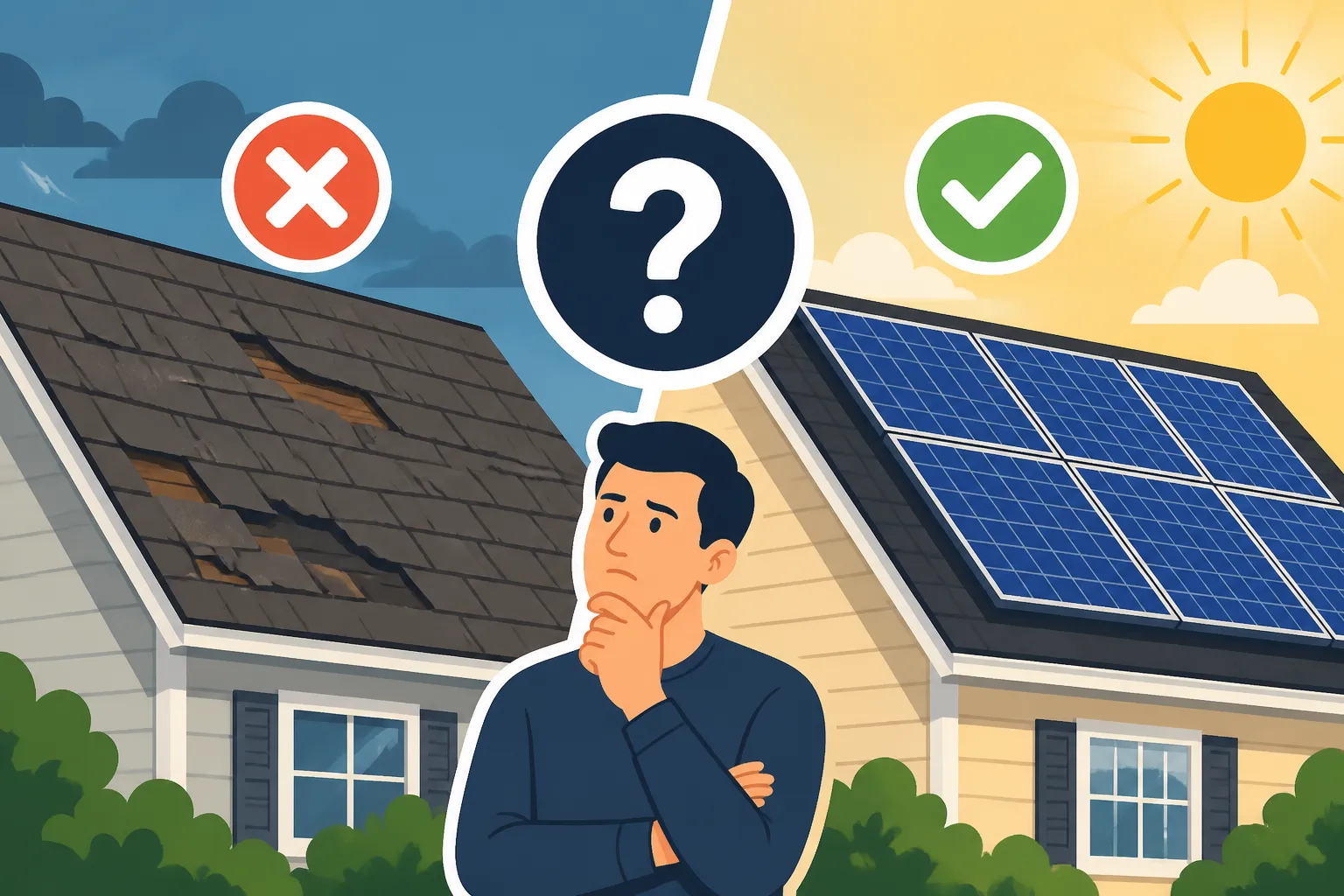
Do I Need a New Roof Before Solar?
It’s a common scenario: you’re dreaming of slashing those sky-high electricity bills with solar panels, but then a nagging thought creeps in. Your roof – bless its hard-working heart – isn't exactly brand new. The big question then becomes, "Do I really need to replace my roof before going solar?" It’s a huge concern for many homeowners, adding an unexpected layer of complexity and potential cost to an already significant investment. This guide will walk you through everything you need to know to make an informed decision, ensuring your solar journey starts on solid ground.
The Long-Term Perspective: Roof Lifespan vs. Solar Lifespan
When you decide to go solar, you're not just making a short-term commitment; you're investing in decades of clean energy. This long-term outlook is precisely why the condition of your roof becomes such a critical consideration. It’s not just about getting the panels up there, but ensuring the structure beneath them can support and protect your investment for its full lifespan.
Understanding the Lifespan Mismatch
Most quality solar panels come with performance warranties that guarantee their output for 20 to 25 years, with many systems easily lasting 30 years or more. Think about that for a moment: three decades of generating power. Now, consider your roof. While some roofing materials can certainly last that long, many common residential roofs, particularly those with asphalt shingles, have a shorter expected lifespan. A typical asphalt shingle roof might last anywhere from 15 to 30 years, depending on the quality of the materials, installation, and local climate.
The mismatch is clear: if your roof is already 10-15 years old, it might only have another 5-15 years left in it before needing replacement. If you install solar panels on a roof that's nearing the end of its life, you're setting yourself up for a costly problem down the road. You'll eventually have to pay to have your solar panels carefully removed, the new roof installed, and then the panels reinstalled – a process that can easily cost several thousand dollars and temporarily disrupt your solar production. It’s a headache and an expense most homeowners would prefer to avoid.
Why Roof Durability Matters for Solar
Beyond the sheer lifespan, the integrity of your roof plays a crucial role in the successful operation and longevity of your solar system. Solar panels are not lightweight, and they add a significant amount of weight to your roof structure. This is especially true in areas prone to heavy snow, where the cumulative weight of snow on top of the panels can put considerable stress on the underlying roof. A robust, well-maintained roof ensures that it can safely bear this additional load without developing structural issues, sagging, or creating weak points that could compromise the solar installation.
Furthermore, a sound roof provides a secure attachment point for the solar racking system. Installers drill into the roof trusses or rafters to mount the rails that hold the panels. While these penetration points are sealed to prevent leaks, a deteriorating roof surface or compromised underlying sheathing can make these seals less effective over time, increasing the risk of water intrusion. You definitely don't want to find yourself dealing with Do Solar Panels Cause Roof Leaks? because you overlooked your roof's condition. Investing in a healthy roof first protects your home and your solar investment from potential damage and expensive repairs.
Key Factors to Consider When Evaluating Your Roof
Deciding whether your roof needs replacing before solar isn't a one-size-fits-all answer. It requires a careful assessment of several factors, from its current age and condition to the materials it's made from and even the structural integrity of your home. It’s about taking a realistic look at your roof’s health today and projecting its ability to serve you for the next couple of decades.
Assessing Your Roof's Current Age and Condition
The age of your roof is arguably the most straightforward factor. As a general rule of thumb, if your asphalt shingle roof is 10-15 years old or more, it’s definitely worth a closer look. For other materials, like metal or tile, which boast longer lifespans, the age threshold might be higher. But age isn't the only indicator. A roof can be relatively young but still in poor condition due to extreme weather, faulty installation, or lack of maintenance.
You should perform a visual inspection yourself, looking for obvious signs of wear and tear:
- Missing or curled shingles: These are clear indicators of an aging asphalt roof.
- Granule loss: If you see dark spots where the protective granules have worn off, or find a lot of granules in your gutters, your shingles are deteriorating.
- Cracked or broken tiles/slates: These can compromise the roof’s weatherproofing.
- Rust on metal roofs: While metal roofs are durable, rust spots can indicate areas of weakness.
- Sagging sections: This is a serious structural concern that needs immediate attention.
- Water stains on your ceilings: This means your roof is already leaking, and installing solar before fixing it would be a mistake.
For a truly informed assessment, it's highly recommended to get a professional roofing inspection. A qualified roofer can identify underlying issues that aren’t visible from the ground and give you an accurate estimate of your roof's remaining lifespan. This is often a free service that many roofing companies provide.
Roof Materials and Solar Compatibility
The type of material your roof is made of can significantly influence its compatibility with solar panels and whether a replacement is warranted.
- Asphalt Shingles: These are the most common and generally the easiest to install solar on. However, as mentioned, their lifespan is moderate. If your asphalt roof is old, a replacement with high-quality, long-lasting shingles before solar installation is often the most cost-effective approach in the long run.
- Metal Roofs: Excellent for solar! Metal roofs often last 40-70 years and are very durable. Solar can usually be mounted directly onto standing seam metal roofs without penetrations using clamps, or on corrugated metal roofs using specialized fasteners. If you have a metal roof in good condition, you're likely good to go without replacement.
- Tile Roofs (Clay, Concrete): Tile roofs can last 50-100 years, making them ideal for supporting a solar system for its full life. However, installing solar on tile roofs is more complex and can be more expensive. Installers often need to carefully remove and replace tiles to access the underlying structure for mounting, or use specialized tile hooks. If tiles are already cracked or brittle, they might break during installation, necessitating repairs or even partial replacement.
- Slate Roofs: Like tile, slate roofs are incredibly long-lasting (up to 100 years or more) but also very delicate and expensive to work with. Solar installation on slate requires highly specialized expertise to avoid damaging the brittle material. If your slate roof is in pristine condition, it's probably fine, but any significant existing damage could lead to complex pre-solar repairs.
- Flat Roofs: Common on commercial buildings but also some residential ones. Solar panels are typically mounted on a racking system that angles them towards the sun, often using ballast (weight) to secure them rather than penetrations, though some penetration-based systems exist. If your flat roof has any drainage issues or standing water, these must be resolved before solar installation.
It's a good idea to discuss your specific roof material with prospective solar installers. They often have preferred methods and can advise on any challenges or additional costs associated with certain roof types. Some even offer integrated roofing and solar services, which can streamline the process.
| Roof Material | Typical Lifespan | Solar Compatibility Considerations |
|---|---|---|
| Asphalt Shingles | 15-30 years | Most common, easiest for solar. If nearing end of life, replace first. |
| Metal Roof (Standing Seam) | 40-70 years | Excellent. Often uses non-penetrating clamps. Ideal for long-term solar. |
| Concrete/Clay Tile | 50-100 years | Very durable. Installation can be complex; requires careful tile removal/replacement or specialized hooks. Check tile condition. |
| Slate | 75-150 years | Extremely durable but brittle. Requires specialized installers to avoid damage. High repair costs if damaged. |
| Wood Shake/Shingle | 20-40 years | Less common for new solar due to fire concerns in some areas and potential for rot. Check local codes and material condition. |
| Flat Roof (Membrane) | 15-30 years | Requires angled racking system, often ballasted. Ensure no drainage issues or pooling water before installation. |
Structural Integrity of Your Roof
This is perhaps the most critical, yet often overlooked, factor. Your roof might look fine from the outside, but the underlying structure – the trusses, rafters, and sheathing – needs to be robust enough to handle the additional weight of the solar panels, racking, and any potential snow loads. On average, solar panels add about 3-4 pounds per square foot to your roof. This might not sound like much, but distributed across a large array, it can add thousands of pounds to your existing structure.
Many solar companies will include a structural assessment as part of their site survey. This typically involves an engineer reviewing your home's blueprints, or a professional inspecting your attic to check the condition and spacing of your rafters and trusses. They’ll be looking for signs of water damage, rot, insect infestation, or any pre-existing structural weaknesses. If any issues are found, these must be addressed before solar installation can proceed. This could involve reinforcing rafters or adding new support beams. Overlooking this step could lead to dangerous structural failure, especially in areas prone to heavy snow or high winds.
When you're comparing solar quotes, make sure a structural assessment is explicitly mentioned as part of their process. If it's not, ask about it. You might even consider hiring an independent structural engineer for peace of mind, especially if you have an older home or suspect potential issues.
The Risks of Ignoring Your Roof's Condition
Skipping a necessary roof replacement or repair before installing solar panels might seem like a way to save money upfront. However, this short-sighted approach can lead to significant headaches and much larger expenses down the line, essentially canceling out many of the benefits of going solar. It's truly a case where penny-wise can be pound-foolish.
Costly Removal and Reinstallation of Panels
Imagine this: you've got your beautiful new solar array humming along, saving you money every month. Then, five or ten years down the line, your aging roof finally gives out. Now you're faced with an emergency roof replacement. To do this properly, the solar panels and their associated racking system must be carefully removed by qualified solar technicians. This isn't a simple job. It involves disconnecting electrical components, meticulously unmounting each panel, and safely storing them. Once the new roof is on, the entire system then needs to be reinstalled and reconnected to the grid.
The cost for this "remove and reset" service can vary widely, but it typically ranges from $2,000 to $6,000 or even more, depending on the size and complexity of your system. This doesn't even include the cost of the new roof itself. This unplanned expense directly eats into your solar savings and extends your overall Solar Panel Payback Period Explained. It's a situation that's easily avoidable by addressing roof issues proactively.
Potential for Roof Damage and Leaks
Installing solar panels involves making penetrations into your roof to secure the racking system. Reputable installers use flashing and sealants to make these penetrations watertight. However, if the underlying roof material is brittle, rotten, or already compromised, these seals might not hold up over time. An old, soft roof deck might not provide a secure anchor point, leading to loosening over years of wind and weather exposure. This can create pathways for water to seep into your attic and home.
Even minor leaks can cause significant damage over time, leading to mold growth, damaged insulation, ruined ceilings, and compromised structural wood. Repairing these issues after solar installation is much more complicated and expensive. Not only do you have to fix the leak and the interior damage, but you might also need to temporarily remove panels to properly access and repair the roof in the affected area, leading to further costs and disruptions. It’s a preventable nightmare that stresses the importance of a solid, healthy roof.
Impact on Warranties and Home Value
Ignoring a failing roof before solar installation can have ripple effects on both your warranties and your home's value. Many solar panel warranties, and even the workmanship warranties from your solar installer, might be voided or complicated if roof damage occurs due to a pre-existing condition of the roof itself, rather than a fault in the solar installation. It creates a murky area where neither the solar company nor your original roofer (if the warranty is expired) might take full responsibility, leaving you on the hook for repairs.
Furthermore, while solar panels generally Do Solar Panels Increase Home Value?, an old, visibly deteriorating roof can counteract that benefit. Prospective homebuyers might be wary of a home that needs a new roof and has solar panels that would need to be moved for the replacement. It can make your home harder to sell or force you to lower your asking price, negating the added value solar typically provides. A cohesive, well-maintained exterior, including a new roof and solar, presents a much stronger impression.
When You Might Not Need a New Roof Before Solar
While ensuring your roof is in tip-top shape before installing solar is often the wisest course of action, it's not always a hard-and-fast rule that every homeowner needs a brand-new roof. There are definitely scenarios where your existing roof might be perfectly adequate, allowing you to move forward with your solar dreams without the added expense and time commitment of a full roof replacement.
Your Roof is Young and in Excellent Condition
This is the ideal situation. If your roof was installed recently – say, within the last 5-10 years – and shows no signs of wear, deterioration, or damage, then a full replacement before solar is likely unnecessary. A young roof, especially one made of durable materials like architectural asphalt shingles, metal, or tile, still has plenty of life left to see your solar system through its prime.
In this scenario, a professional inspection by both a roofer and your chosen solar installer will simply confirm its excellent condition and structural integrity. They'll ensure there are no hidden issues that could surface later. Many homeowners who plan for solar during a new home build or a recent major renovation are in this lucky position, where the roof and solar lifespans align beautifully from the start. You're effectively installing two long-lasting systems at once, minimizing future disruption and maximizing your energy savings right away.
Minor Repairs Can Suffice
Sometimes, your roof isn't in perfect condition, but it's far from needing a complete overhaul. Perhaps there are a few missing shingles, some loose flashing, or a small area of localized damage that can be easily patched or repaired. In these cases, a full roof replacement would be overkill. A skilled roofer can address these minor issues, ensuring the roof is sound and watertight before the solar installation begins.
It's crucial to have these repairs done by a qualified professional who can guarantee their work. A quick DIY patch job might not stand up to the test of time or the rigors of solar installation. Getting a comprehensive assessment from a reputable roofing company is key here. They can determine if the issues are truly minor and localized, or if they're symptoms of a more widespread problem that does warrant a full replacement. If repairs are minor, getting them done before the solar crew arrives will prevent any delays and ensure a smooth installation process for your new solar array.
Long-Lasting Roof Materials in Good Shape
Certain roofing materials are inherently designed for longevity, often outliving the typical 25-30 year lifespan of a solar panel system. If your home boasts a well-installed, high-quality metal roof, slate, or tile roof that is still in good condition, a replacement before solar is rarely needed. These materials can last 50, 75, or even 100 years, making them perfectly suited to host solar panels for their entire operational life.
Even if these roofs are a couple of decades old, their inherent durability means they often have many more years of service left. However, the caveat here is "in good shape." A 30-year-old tile roof with widespread cracking or a metal roof with significant rust damage would still need attention. For these materials, the focus shifts from age to visible damage or wear. Always get a thorough professional assessment, as installation on these materials can be more specialized and costly due to their unique properties, but you'll benefit from their long-term resilience.
Coordinating Your Roof and Solar Projects
Deciding to replace your roof before or in conjunction with solar installation can seem like a logistical challenge. However, with careful planning and communication, it can actually be a streamlined process that ensures the longevity and efficiency of your entire home energy system. Many homeowners find that tackling both projects at once, though a bigger upfront investment, offers significant benefits in the long run.
Finding the Right Contractors
When you’re planning a roof replacement and a solar installation, you essentially have two main approaches to finding contractors:
- Separate Contractors: You hire a dedicated roofing company for the new roof and a separate solar installer for the panels. The key here is coordination. You'll need to clearly communicate the timeline and scope of work between both parties. Ensure your solar installer is aware that a new roof is going on and that the roofing company understands the precise requirements for solar panel attachment points and potential conduit runs. Some homeowners prefer this as it allows them to select specialists in each field. Platforms like Modernize can help you connect with qualified roofing and solar professionals in your area, allowing you to get multiple quotes and ensure seamless integration of the two projects.
- Integrated "Roof-and-Solar" Companies: Some companies specialize in both roofing and solar installations. This can be an attractive option as it simplifies communication, project management, and scheduling. You're dealing with one point of contact for the entire exterior upgrade, which can lead to a smoother, more efficient process. Companies that offer both services often have a deep understanding of how solar integrates with various roofing materials and can provide a comprehensive warranty covering both the roof and the solar installation.
No matter which route you choose, always verify licenses, insurance, and read customer reviews. Don't hesitate to ask for references. This dual project often represents a substantial investment, so due diligence is paramount.
Planning the Timeline and Logistics
Timing is everything when you're doing both a new roof and solar. Ideally, the new roof should be installed and fully cured before the solar panels go up. The exact timeline will depend on the roofing material and local weather conditions. For example, asphalt shingles need some time to "settle" and seal properly, especially in warmer weather.
Here's a typical (simplified) coordination process:
- Initial Assessment: Get quotes from both roofers and solar installers. The solar installer will assess your energy needs and system size, while the roofer evaluates your current roof and proposes replacement options.
- Roofing Project: Schedule the roof replacement. This can take anywhere from a few days to a couple of weeks, depending on the size of your home and the complexity of the roof.
- Roof Inspection/Curing: Once the new roof is installed, allow for any necessary curing time. A final inspection by both the roofer and solar installer is a good idea to confirm everything is ready.
- Solar Installation: The solar installer will then proceed with the installation of the racking, panels, and electrical components. This phase typically takes 1-3 days for a residential system, not including the permitting and interconnection steps.
Clear communication with your chosen contractors about these steps is vital to avoid delays. Confirm who is responsible for what, especially concerning permits for both projects. Remember that the full Solar Installation Timeline: What to Expect extends beyond just the physical installation, including permitting and utility interconnection, which can add weeks or months.
Maximizing Benefits and Streamlining the Process
Undertaking a roof replacement and solar installation simultaneously, or back-to-back, offers several advantages. Firstly, it allows the solar installers to work on a fresh, clean surface, potentially simplifying their job and ensuring a more secure, durable installation. Secondly, it means you won't have to deal with the disruption of having construction crews on your roof twice within a short period. You get all the mess and noise out of the way at once.
Consider high-efficiency solar panels and quality roofing materials that complement each other. For example, selecting a light-colored, reflective roofing material can actually help keep your attic cooler, which in turn can improve the efficiency of your solar panels slightly, as solar panels perform best when cooler. Additionally, by combining these projects, you’re setting up your home for decades of low-maintenance, energy-efficient living. It's a strategic move to optimize your home's long-term performance and reduce future hassles. You might even find installers offering slight discounts when bundling services or allowing for more favorable financing terms for the combined project.
Financial Considerations for Combining Projects
Let’s be honest, the thought of paying for a new roof and solar panels at the same time can feel daunting. It’s a significant investment, no doubt. But looking at the numbers from a long-term perspective often reveals that combining these projects can be a financially savvy move, allowing you to maximize savings and return on investment over the decades.
Understanding the Cost of a New Roof
The How Much Do Solar Panels Cost? 2026 Guide is one thing, but a new roof is another. The cost of a new roof varies dramatically based on your location, the size and complexity of your roof, and the materials you choose. For an average-sized home (around 1,500-2,000 square feet), a new asphalt shingle roof can range from $8,000 to $20,000. Higher-end materials like metal, tile, or slate can push costs to $25,000, $40,000, or even more. These figures often include labor, materials, and old roof removal.
While this upfront cost might sting, remember the "remove and reset" expense mentioned earlier. If your roof fails 5-10 years into your solar journey, that unexpected removal and reinstallation fee, plus the new roof cost at that time, could easily match or exceed the cost of doing it all upfront. Think of the new roof as foundational infrastructure for your solar power plant. It’s a necessary investment to protect your primary energy investment. Getting multiple quotes for your roofing project, just as you would for solar, is essential to ensure you're getting a fair price.
Impact on Solar ROI and Long-Term Savings
Incorporating the cost of a new roof into your overall solar project does affect your immediate Is Solar Worth It in 2026? calculation, but it can actually enhance your long-term return on investment (ROI). By installing solar on a new, durable roof, you virtually eliminate the risk of needing to pay for panel removal and reinstallation for 25-30 years. This uninterrupted production and avoidance of future major expenses directly contribute to greater net savings over the system's lifetime.
Consider a scenario where you avoid a $5,000 panel removal/reinstallation fee, plus the added electricity costs during the downtime, by proactively replacing your roof. That $5,000 directly translates into a higher ROI for your solar system. Moreover, a new roof can also improve your home's energy efficiency by offering better insulation, which can further reduce your overall energy consumption even before your solar panels kick in. This holistic approach ensures maximum energy savings and a stable, worry-free solar experience for decades.
Financing Options for Combined Projects
The good news is that financing a combined roof and solar project is often more feasible than you might think. Many homeowners opt for a home equity loan or a home equity line of credit (HELOC) to cover large home improvement projects. These loans often come with favorable interest rates, as your home serves as collateral. The interest on such loans may even be tax-deductible.
Another popular option is a solar loan. While specifically designed for solar panel installations, some lenders or installers may allow for the inclusion of necessary roof upgrades if they are part of the overall solar project. You might find that bundling the cost of a new roof into a single solar loan package makes the overall process simpler and potentially allows you to benefit from attractive solar-specific financing terms. Some reputable companies even offer specialized financing for such combined endeavors. For instance, when you connect with solar providers through services like Modernize, they can often help you explore financing options that might cover essential roof upgrades as part of your comprehensive solar solution. Always compare interest rates, loan terms, and any associated fees to find the best fit for your financial situation.
Making the Right Decision for Your Home
The decision of whether to replace your roof before going solar is a significant one, impacting both your upfront costs and your long-term energy savings. There’s no single right answer for everyone, as it truly depends on the unique characteristics of your home and your financial situation. The most important thing is to make an informed choice based on accurate assessments and a clear understanding of the implications.
The Importance of Professional Assessments
You simply cannot overstate the value of getting multiple professional opinions. Start with your chosen solar installer. During their site survey, they will inspect your roof and give you an initial assessment. However, it's also highly advisable to get an independent opinion from at least one, if not two, reputable roofing contractors.
A roofing professional can:
- Accurately assess the remaining lifespan of your current roof.
- Identify any underlying issues (e.g., rotten decking, damaged flashing) that a solar installer might not specifically focus on.
- Provide a detailed quote for any necessary repairs or a full replacement, giving you a clear picture of potential costs.
- Advise on the best roofing materials for solar integration and longevity in your climate.
Having both the solar installer's perspective on what their system needs and the roofer's expert opinion on your roof's health will provide you with the most comprehensive picture. They can tell you exactly What Roofs Are Best for Solar Panels? based on your home’s specifics.
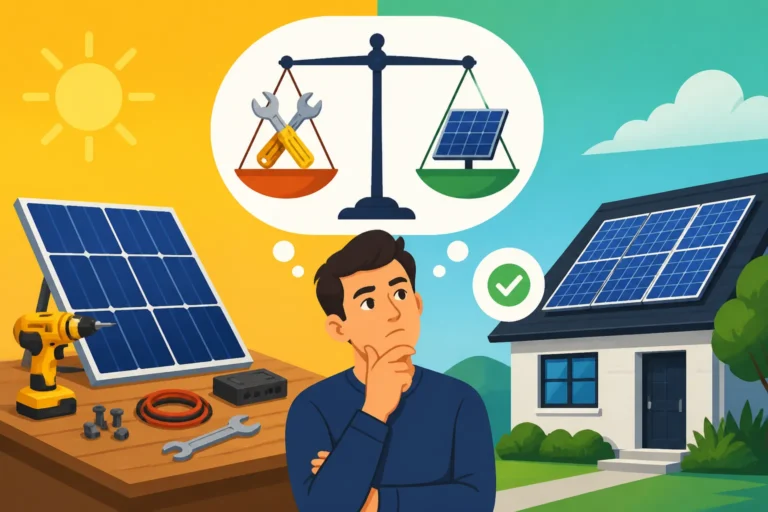
Weighing the Pros and Cons
Let's break down the general advantages and disadvantages of each path:
Option 1: Replacing Your Roof Before Solar (or at the Same Time)
Pros:
- Long-Term Peace of Mind: You won't have to worry about roof failure for decades, aligning perfectly with your solar panel warranty.
- Avoids Future Costs: No expensive "remove and reset" fees for solar panels down the line.
- Optimal Installation: Solar panels are installed on a fresh, sturdy surface, minimizing the risk of leaks or structural issues.
- Enhanced Home Value: A new roof combined with solar can significantly boost curb appeal and resale value.
- Potential for Integrated Warranties: Some companies offer combined roof and solar warranties.
Cons:
- Higher Upfront Cost: The combined expense is substantial.
- Longer Project Timeline: Requires more coordination and time to complete both projects.
- Potential for Decision Fatigue: More choices to make about materials, colors, and contractors.
Option 2: Installing Solar on Your Existing Roof (Without Replacement)
Pros:
- Lower Initial Cost: You save the immediate expense of a new roof.
- Faster Installation: If the roof is ready, solar can go up more quickly.
- Simpler Process: Only dealing with one major contractor.
Cons:
- Risk of Future "Remove and Reset" Costs: If the roof fails within the solar panels' lifespan, you'll incur significant additional expenses.
- Potential for Leaks/Damage: Higher risk of issues if the roof has hidden weaknesses.
- Warranty Complications: Potential disputes over whether roof damage is due to original roof condition or solar installation.
- Reduced Long-Term ROI: Future expenses will eat into your solar savings.
Prioritizing Your Home's Long-Term Health
Ultimately, thinking long-term is key. Your home is one of your most valuable assets, and installing solar panels is a significant upgrade. It makes sense to ensure the foundation for that upgrade – your roof – is equally robust and ready for the decades of service ahead. While the initial investment for a new roof and solar panels might seem substantial, viewing it as a comprehensive home energy solution will yield far greater peace of mind, uninterrupted energy savings, and a healthier home for many years to come. Don't be afraid to ask for advice from multiple sources, including solar installers and roofing specialists, to ensure you're making the best decision for your specific circumstances.
Disclaimer
The information provided in this article is for general informational purposes only and does not constitute professional advice. Homeowners should always consult with qualified roofing contractors and solar professionals for assessments specific to their property and local building codes. Project costs and savings can vary widely based on location, system size, and individual circumstances.