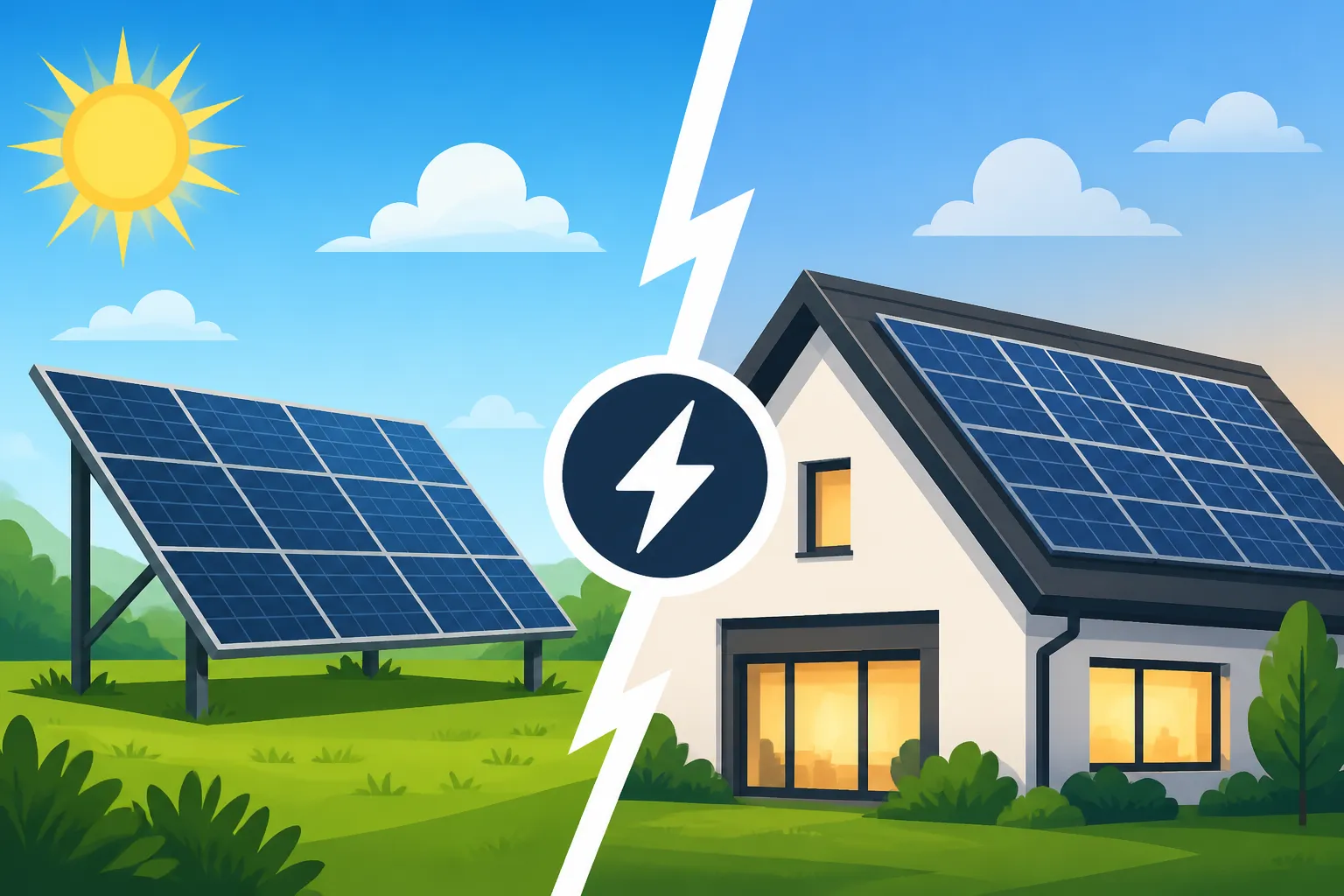
Ground-Mount vs Roof-Mount Solar
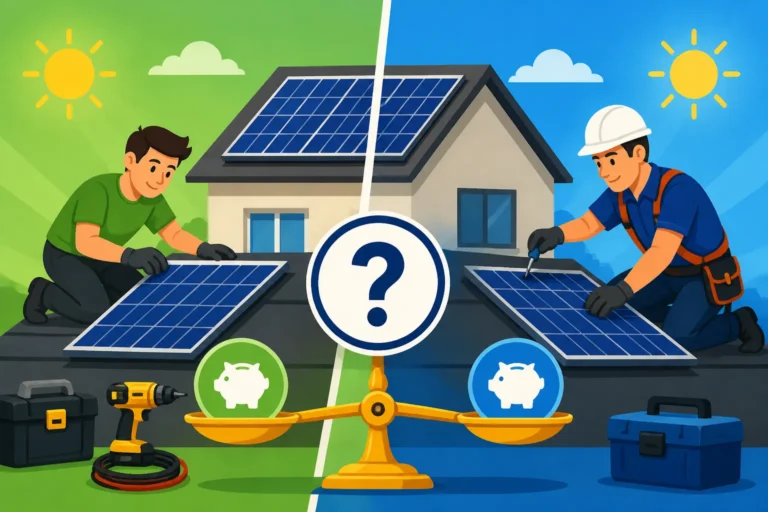
Deciding to go solar is a fantastic step toward energy independence and lower utility bills, but then you're hit with a big question: where do these panels actually go? Many homeowners grapple with the choice between putting solar panels on their roof or installing them on the ground. This guide is here to walk you through the nitty-gritty details of both ground-mount and roof-mount solar options, helping you understand the unique challenges and benefits of each so you can confidently choose the best path for your specific home and needs.
The Fundamental Question: Where Will Your Solar Go?
When you first start exploring solar, the image that usually comes to mind is sleek panels neatly arranged on a rooftop. It's the most common setup, and for good reason – it's often the most straightforward. However, for a significant number of homeowners, a roof isn't always the ideal, or even possible, location for their solar array. This might be due to an older roof, excessive shade, a complex roofline, or simply a desire to keep their roof clear. That's where ground-mounted solar systems come into play, offering a different set of advantages and considerations.
The "where" of your solar installation isn't just about aesthetics; it impacts everything from efficiency and cost to maintenance and property value. It's a foundational decision that influences the entire solar journey, from the initial site assessment to the long-term performance of your system. Understanding the nuances of each option from the outset can save you a lot of headaches, unexpected expenses, and even regrets down the line. It's about aligning your energy goals with the realities of your property.
This choice can feel overwhelming, especially with all the technical jargon flying around. But let's break it down into manageable pieces, looking at what each option entails and how it might fit into your life. Whether you're envisioning a discrete rooftop array or a freestanding system in your yard, we'll cover what you need to know to make an informed decision that feels right for you.
Delving into Roof-Mounted Solar Systems
Roof-mounted solar is the classic choice for a reason. For many homes, it's the most practical and cost-effective way to generate electricity directly where it's consumed. The panels integrate with your existing structure, often going unnoticed from the street, and they leverage space that isn't typically used for much else.
The Clear Advantages of Roof Solar
One of the biggest appeals of roof-mounted solar is its efficiency in using existing space. Your roof is already there, serving a purpose, and by adding solar panels, you're essentially turning a dormant area into a power-generating asset. This means you don't need to sacrifice precious yard space for the array, which can be a huge plus, especially for urban or suburban homes with smaller lots. Imagine trying to fit a 20-panel system in a backyard that's already home to a playset, a garden, and a patio – it quickly becomes impractical.
Another significant benefit is the reduced installation complexity and often, the lower upfront cost. While there are still permits and inspections, the groundwork (literally) for a roof mount is less extensive than digging trenches and pouring concrete for a ground mount. The electrical connection is also typically shorter and simpler, as the inverter is usually installed near your main service panel, often in the garage or basement, and the wiring run from the roof is quite direct. This streamlined process generally leads to a quicker installation timeline and fewer labor costs.
Furthermore, roof-mounted systems often benefit from being out of sight, out of mind. They blend into the architectural design of your home, and unless you're specifically looking for them, they can be quite discreet. This can be important for homeowners who are concerned about the visual impact of solar on their property's curb appeal. They also face less risk of vandalism or accidental damage from lawnmowers or playful pets compared to ground-mounted systems.
Common Hurdles and Limitations
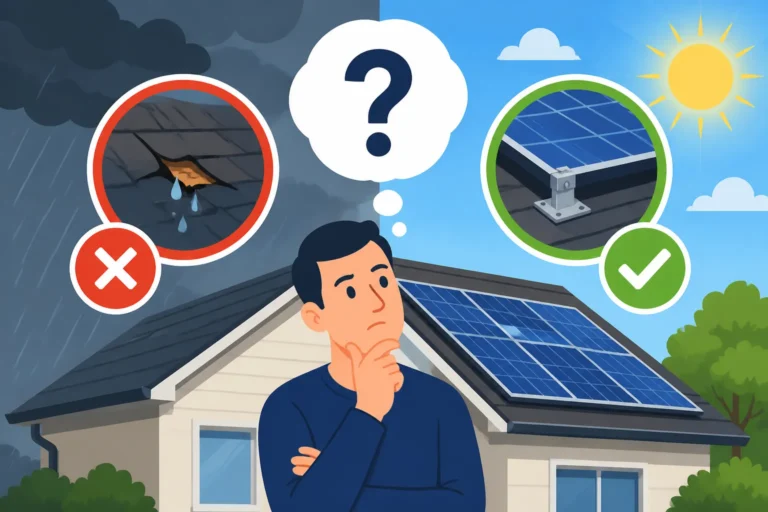
Despite the many advantages, roof-mounted solar isn't a one-size-fits-all solution. One of the primary limitations is the condition and suitability of your existing roof. An old roof nearing the end of its lifespan is a major red flag. Most solar panels are designed to last 25-30 years, and if your roof needs replacing in the next five to ten years, you'll incur the significant expense of having the panels removed and reinstalled, essentially paying for labor twice. This is why many installers recommend getting a new roof before solar if yours is older than 10-15 years. You can learn more about Roof Age: When to Replace Before Solar to guide your decision.
Shading is another critical factor. Trees, taller buildings, or even architectural features like chimneys can cast shadows on your roof throughout the day, significantly reducing the efficiency of your solar panels. Even a small amount of consistent shade on just a few panels can drastically impact the overall production of a string inverter system. While microinverters or power optimizers can mitigate this by allowing individual panels to perform independently, excessive shading can still make a roof location suboptimal, no matter the technology. The direction and pitch of your roof also play a huge role; a south-facing roof in the Northern Hemisphere is generally ideal, but not every home has that perfect orientation.
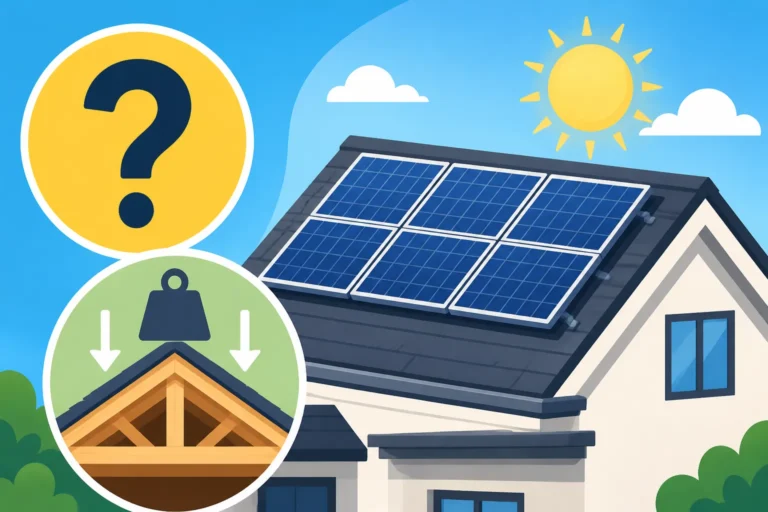
Lastly, the structural integrity of your roof needs to be able to support the added weight of the panels and mounting hardware, especially in areas prone to heavy snow loads or high winds. A qualified installer will conduct a thorough structural assessment during the site visit to ensure your roof can safely accommodate the system. If your roof isn't up to par, structural reinforcements could add unexpected costs and complexity.
Exploring Ground-Mounted Solar Systems
While roof-mounted systems are more common, ground-mounted solar offers a compelling alternative for many homeowners. These freestanding structures can be a game-changer when your roof isn't suitable or when you have ample land to spare. They provide a level of flexibility and performance that rooftop arrays simply can't match in certain scenarios.
The Undeniable Benefits of Ground Solar
The biggest advantage of a ground-mounted system is the ultimate flexibility it provides in terms of placement and orientation. Unlike a roof, which has a fixed pitch and direction, a ground array can be positioned to capture optimal sunlight throughout the day and year. This often means facing the panels directly south (in the Northern Hemisphere) and tilting them at the perfect angle for maximum energy production, free from the constraints of your roofline or shading issues. If you live in an area with challenging roof conditions, a ground-mount system often allows you to achieve significantly higher energy output and overall system efficiency.
Another substantial benefit is the ease of access for maintenance and cleaning. Imagine trying to clean snow off your roof panels in winter or scrubbing away stubborn bird droppings from panels three stories up. With ground-mounted panels, maintenance is far simpler and safer. You can easily reach them with a brush or hose, or even clear snow to ensure year-round optimal performance. This improved accessibility can extend the lifespan of your panels by making regular care less of a chore and more of a routine task. This also comes into play when discussing Solar Panel Maintenance & Cleaning.
Furthermore, ground-mount systems offer more options for future expansion. If your energy needs increase down the road – say, you get an electric vehicle or add a new wing to your home – it's often much simpler to add more panels to an existing ground array than it is to squeeze them onto an already maximized roof. This scalability provides a comforting degree of future-proofing for your energy investment. The modular nature of ground mounts also allows for customization; some homeowners opt for tracking systems that follow the sun across the sky, maximizing energy capture throughout the day, though these come with additional cost and complexity.
Potential Drawbacks and Considerations
While ground-mounted solar offers incredible flexibility, it's not without its own set of challenges. The most immediate concern for many homeowners is the land requirement. These systems take up significant space in your yard, which might not be feasible for properties with small lots or those who value every square foot of their landscape. A typical 6 kW system, for instance, might require a ground area of around 300-400 square feet, which is a considerable footprint to dedicate.
Cost is another major factor. Ground-mounted solar systems generally have a higher upfront installation cost compared to roof-mounted systems. This is due to several additional components and labor-intensive processes. You'll need substantial racking systems, often made of galvanized steel or aluminum, to hold the panels securely. There's also the excavation work for the footings, pouring concrete, and potentially trenching for underground electrical conduits to connect the array to your home's electrical system. This added civil work can significantly drive up the overall price tag, influencing your overall How Much Do Solar Panels Cost? 2026 Guide.
Lastly, ground-mounted systems are more visible and can have a greater aesthetic impact on your property. While some people appreciate the modern look, others might find a large array detracting from their landscape design. Homeowners associations (HOAs) often have stricter rules for ground-mounted systems than for rooftop installations, so it’s crucial to check local regulations and covenants early in the process. Depending on your local climate, ground mounts can also be more susceptible to debris buildup from wind or potential damage from landscaping activities if not properly protected.
Deciding Factors: What Really Matters for Your Home?
Choosing between ground-mount and roof-mount solar isn't a decision to be taken lightly. It involves weighing various aspects of your home, property, and personal priorities. What works perfectly for one family in a sprawling rural setting might be completely unfeasible for another in a compact suburban neighborhood. It's about finding the right balance that suits your unique circumstances.
Site Assessment and Solar Feasibility
The very first step in determining the best solar option is a thorough site assessment. This is where a qualified solar installer comes to your property, examines your roof, surveys your yard, and assesses potential shading issues. They’ll look at factors like your roof's age, condition, pitch, and orientation. For ground mounts, they'll evaluate the available unshaded land, soil conditions, and proximity to your home's electrical panel.
This assessment will reveal critical information. For example, if your home has an ideal, south-facing roof that's relatively new and free of obstructions, a roof-mounted system might be the clear winner. However, if your roof is north-facing, heavily shaded by mature trees, or made of a material that's difficult to mount panels on (like slate or certain types of tile), a ground-mount option might quickly become more attractive. Don't be afraid to ask for detailed explanations during this phase; a good installer will walk you through all the pros and cons specific to your property. Services like Modernize can connect you with experienced solar professionals who can provide these crucial assessments.
Aesthetic Preferences and Property Value
How your solar system looks on your property can be a significant concern for many homeowners. Roof-mounted systems are often seen as less intrusive, blending into the existing structure. Manufacturers have also made great strides in design, offering sleek, low-profile panels that integrate more seamlessly than older models. However, some homeowners simply prefer a clean roofline and would rather have their panels tucked away in the yard.
Conversely, a ground-mounted array, while potentially offering better performance and easier maintenance, is undeniably more visible. While some homeowners view it as a statement of their commitment to sustainability, others might worry about its impact on their home's curb appeal or resale value. It's worth considering how potential buyers might perceive a ground array versus a rooftop system if you plan to sell your home in the future. The impact of solar on Do Solar Panels Increase Home Value? is a complex topic, and placement can certainly be part of that conversation.
Local Regulations and HOA Rules
Before you get too far into dreaming about your ideal solar setup, you absolutely must investigate local zoning ordinances, building codes, and any homeowners' association (HOA) rules. These regulations can be incredibly specific and vary widely from one municipality to another, or even within different neighborhoods of the same town.
HOAs, in particular, can have very strict guidelines regarding exterior modifications, including the placement and visibility of solar panels. While many states have "solar access laws" that protect a homeowner's right to install solar, HOAs can still impose reasonable restrictions on aesthetics or placement. For ground-mounted systems, there might be setback requirements from property lines, restrictions on height, or even specific fencing requirements. Ignoring these regulations can lead to costly delays, rework, or even legal battles, so it's always best to be proactive and get all necessary approvals before installation begins.
Installation Journeys: What's Different?
While both roof-mount and ground-mount solar systems share the common goal of harnessing the sun's energy, their installation processes diverge significantly, especially in the early stages. Understanding these differences can help you manage expectations regarding timelines, site disruption, and specific technical requirements.
The Roof-Mount Installation Process
The installation of roof-mounted solar panels typically begins after the design and permitting phases are complete. The first on-site step usually involves securing the mounting hardware directly to your roof rafters. This requires careful penetration of the roof surface, which is then sealed to prevent leaks. Installers will typically use flashing and sealants to maintain the integrity of your roof, a critical detail that any reputable installer will prioritize. This phase can take anywhere from a few hours to a couple of days, depending on the size and complexity of your system and roof.
Once the racking is installed, the solar panels themselves are lifted onto the roof and secured to the racking system. This is often the most visually dramatic part of the installation. Electrical wiring then connects the panels to the inverters (either microinverters on the back of each panel or a central string inverter nearby) and then to your home's main electrical panel. Finally, a new utility meter (often a net meter) might be installed, and the entire system undergoes inspection by local authorities and the utility company before you receive Permission to Operate (PTO). This entire on-site installation, once components are on hand, typically spans 1-3 days for most residential systems. The full Solar Installation Timeline: What to Expect can vary widely based on permitting and utility approvals.
The Ground-Mount Installation Process
Ground-mounted solar installations involve more extensive site preparation and civil work. The first major difference is the need for trenching and concrete work. Footings must be dug and poured to create a stable foundation for the racking system, similar to how a deck or fence might be installed. These footings need to withstand the weight of the panels, wind loads, and any snow accumulation. Trenches are also dug to run conduit for the electrical wiring from the ground array to your home's electrical service panel. These trenches are then buried, ideally leaving minimal visible impact once complete.
After the foundations are set and trenches are in place, the racking structure itself is assembled, which often involves heavy-duty steel or aluminum components. This structure is typically more robust than rooftop racking to ensure stability for the freestanding array. Once the frame is up, the solar panels are then bolted onto the racking. The electrical connections are made, running through the underground conduit to your home. This process is generally more labor-intensive and can involve more equipment (like trenchers or small excavators) than a roof-mount installation. The full installation, excluding permitting, might take anywhere from 3-7 days, depending on the system size, site conditions, and complexity of the electrical run. For a deeper dive, check out Ground-Mount vs Roof-Mount Solar.
The Financial Picture: Costs, Incentives, and ROI
The financial implications are a major consideration for any homeowner contemplating solar. While both ground-mount and roof-mount systems offer significant long-term savings on electricity bills, their upfront costs, eligibility for incentives, and overall return on investment (ROI) can differ. Understanding these nuances is crucial for budgeting and assessing the true value proposition of your chosen system.
Comparing Upfront Costs
Generally speaking, ground-mounted solar systems tend to have a higher upfront cost per watt than roof-mounted systems. This isn't because the panels themselves are more expensive, but rather due to the increased labor and materials required for the foundation, racking, and electrical trenching. For instance, a typical roof-mount system might range from $2.50 to $3.50 per watt before incentives, while a comparable ground-mount system could be in the range of $3.00 to $4.50 per watt or even higher. These figures can fluctuate based on location, system size, and specific site conditions.
For example, installing a 7 kW system might cost around $21,000 for a roof mount (at $3.00/watt) but could jump to $28,000 for a ground mount (at $4.00/watt). These are just ballpark figures, of course, and can vary wildly based on factors like soil composition, distance from the main electrical panel, and the complexity of the ground chosen. It's always a good idea to get multiple quotes and compare them thoroughly. This is where services like Modernize can be particularly helpful, allowing you to easily gather bids from various qualified installers.
Leveraging Solar Incentives and Rebates
Regardless of whether you choose roof-mount or ground-mount, both types of solar installations are generally eligible for the same array of financial incentives. The most significant of these is the federal solar tax credit, which currently offers a 30% credit for systems installed through 2032. This credit applies to the total cost of your system, including installation, so a higher-cost ground-mount system would result in a larger dollar amount from the tax credit, even if the percentage remains the same. Understanding Federal Solar Incentives That Still Exist in 2026 is key to maximizing your savings.
Beyond the federal credit, you might also qualify for state and local incentives. Many states offer their own tax credits, property tax exemptions (meaning your home value increase from solar won't raise your property taxes), or sales tax exemptions. Utility companies also sometimes offer direct rebates for installing solar. For instance, in some areas with strong solar programs, you might also benefit from Solar Renewable Energy Credits (SRECs), which allow you to sell credits for the clean energy your system produces. Be sure to investigate State Solar Incentives: Complete 2026 Guide for your specific region, as these programs can significantly reduce your net costs and improve your overall ROI.
Understanding Return on Investment (ROI)
The return on investment for solar panels, whether roof-mounted or ground-mounted, is primarily driven by the savings on your electricity bills over the system's lifespan. Since ground-mount systems often achieve higher efficiency due to optimal orientation and tilt, they could potentially generate more electricity than a roof-mount system of the same size, depending on the roof's conditions. This increased generation translates to greater savings and potentially a faster payback period, helping to offset their higher upfront cost.
The payback period for solar, which is the time it takes for your energy savings to equal your initial investment, typically ranges from 6 to 12 years, but this varies significantly by state, electricity rates, and incentive availability. For a deeper analysis, consider looking into Solar Panel Payback Period Explained. While a ground-mount might take a bit longer to break even due to its higher initial cost, its potential for superior energy production could narrow that gap over time. It’s a complex calculation, so work with your installer to get a detailed financial projection for both options tailored to your specific energy usage and local market.
| Feature | Roof-Mount Solar | Ground-Mount Solar |
|---|---|---|
| Location | On existing roof structure | Freestanding in yard/land |
| Space Use | Utilizes otherwise unused roof space | Requires dedicated land footprint |
| Upfront Cost | Generally lower (fewer materials, less labor) | Generally higher (foundations, extensive racking, trenching) |
| Installation Time | Typically quicker (1-3 days on-site for panels) | Longer (3-7 days on-site for foundations, racking, trenching) |
| Flexibility | Limited by roof size, pitch, orientation, shading | High flexibility for optimal tilt & orientation, less shading impact |
| Aesthetics | Blends into home, less visible from street | More visible, can impact landscape design |
| Maintenance | More challenging/hazardous to access, professional cleaning often needed | Easier and safer to access for cleaning & maintenance |
| Shading Issues | Highly susceptible to roof obstructions, trees, chimneys | Easier to avoid shade; can be placed in full sun |
| Roof Impact | Requires roof penetrations, roof condition critical | No impact on roof integrity |
| Scalability | Limited by available roof space | Easier to expand system size in the future |
| Soil Requirements | Not applicable | Requires stable soil for foundations, trenching for electrical |
| HOA/Local Rules | Generally less restrictive (but still check) | Can be more restrictive (setbacks, height, visibility) |
Looking Ahead: Maintenance, Durability, and Aesthetics
Beyond the immediate considerations of cost and installation, choosing between roof-mount and ground-mount solar also involves looking at the long-term aspects of system ownership. How will your system hold up over decades? What kind of ongoing effort will it require? And how will it ultimately impact the look and value of your home?
Longevity and Durability of Each System
Both roof-mounted and ground-mounted solar panels are built to last, typically coming with performance warranties that guarantee a certain output for 25 years or more. The panels themselves are durable, designed to withstand various weather conditions, including hail, high winds, and heavy snow. However, the mounting system and environmental factors can influence their longevity and performance.
Roof-mounted systems' longevity is tied to the roof's durability. If the roof degrades, it could necessitate panel removal and reinstallation, potentially shortening the operational lifespan without additional costs. The penetrations made for mounting, while carefully sealed, also introduce a tiny, but present, risk of future leaks if not maintained properly over decades. Ground-mounted systems, conversely, rely on the stability of their foundational footings and the strength of their racking. Being lower to the ground, they might be more susceptible to ground-level debris, but also less exposed to extreme wind forces experienced at roof height. Both systems benefit from high-quality components and professional installation, which are key to ensuring they stand the test of time.
Maintenance and Accessibility Differences
One of the most practical differences between the two systems comes down to maintenance. Roof-mounted panels are, by nature, less accessible. While solar panels generally require minimal maintenance, occasional cleaning is beneficial, especially in dusty areas or if you experience significant pollen or bird droppings. Cleaning roof panels often requires specialized equipment, safety harnesses, or hiring professionals, adding an extra layer of effort and expense. If an individual panel or inverter needs servicing, accessing it on a roof can also be more complex and costly.
Ground-mounted systems shine in this regard. Their accessibility makes cleaning a breeze – often just a hose and a soft brush can do the trick. If a component needs to be checked or replaced, technicians can service it quickly and safely without needing to scale your roof. This ease of maintenance can contribute to better long-term performance, as you're more likely to keep them clean and address any issues promptly. It also makes tasks like clearing snow, which can significantly reduce winter production, much more feasible. This is a big plus for homeowners who prefer a hands-on approach or want to minimize future service costs.
Impact on Home Value and Aesthetics
The aesthetic impact of solar panels on your home is subjective, but it can play a role in property value and buyer perception. Well-installed roof-mounted panels that blend seamlessly with the roofline can be seen as an attractive upgrade, signaling a modern, energy-efficient home. Many studies suggest that Do Solar Panels Increase Home Value? by a significant margin, often recoupling or exceeding the initial investment, assuming they are owned (not leased). A clean, well-integrated rooftop system is generally viewed favorably.
For ground-mounted systems, the aesthetic considerations are different. While some appreciate the visual statement, others might find a large array detracting from their garden or yard. Creative landscaping, such as planting shrubs or building a small fence around the array, can help integrate it more harmoniously into the landscape. However, it's important not to shade the panels with such additions. While ground mounts still add significant value through energy savings, their visual prominence might require more thought if you're concerned about future resale, particularly in neighborhoods with strict aesthetic standards.
Making the Right Choice for Your Unique Situation
At the end of the day, there's no universal "better" option between ground-mount and roof-mount solar. The ideal choice is deeply personal and dependent on a multitude of factors specific to your property, your priorities, and your long-term goals. It's about weighing the benefits and drawbacks within your own context.
When Roof-Mount Solar Shines
Roof-mounted solar is typically the go-to solution for homes with a strong, relatively new roof that offers ample unshaded space with good sun exposure, ideally facing south or close to it. If your property has a smaller lot and you want to preserve your yard space for other activities, or if you prefer a discreet, integrated look for your solar system, then roof-mount is likely your best bet. It also usually comes with a lower upfront cost, making it a financially attractive option for many. If you're pondering How Many Solar Panels Do I Need for My Home?, a professional assessment can tell you if your roof can even fit them.
Consider the practicalities: if your roof is relatively new (less than 10-15 years old) and has no major structural or shading issues, a roof-mount system will leverage existing infrastructure efficiently. It avoids the need for extensive landscaping changes, trenching, or dedicating valuable yard space. For a deep dive into what makes a roof suitable, check out Roof Considerations for Solar Panels. It's a pragmatic choice for the majority of homeowners who want reliable solar energy without significant property alterations.
When Ground-Mount Solar is the Superior Option
Ground-mounted solar becomes an incredibly strong contender, or even the only viable option, when your roof presents significant challenges. This includes roofs that are old and need replacing soon, those with complex designs, multiple obstructions like dormers or chimneys, or roofs with heavy shading from trees or nearby buildings. If your home has a north-facing roof that gets minimal sun, a ground mount allows you to achieve optimal orientation.
It's also ideal for properties with abundant, open land where you don't mind dedicating a section of your yard to the array. If maximizing energy production is your absolute top priority, and you want the flexibility to perfectly orient and tilt your panels, a ground mount offers unparalleled performance. Homeowners who prioritize easy maintenance and access for cleaning will also find ground mounts more appealing. Finally, if you anticipate expanding your system in the future or adding a Solar Plus Battery Cost storage solution, the scalability of a ground-mount system can be a huge advantage. For example, if you live in a rural area in Texas with plenty of open space and older trees that shade your roof, a ground-mount system could give you far better performance than a compromised rooftop array.
Getting Expert Advice and Quotes
The best way to make an informed decision is to consult with experienced solar professionals. They can conduct a thorough site assessment, discuss your specific energy needs, and provide detailed proposals for both roof-mounted and ground-mounted options. Don't hesitate to ask for multiple quotes to compare not just prices, but also equipment, warranties, and proposed designs.
Remember, a good solar installer will explain everything clearly, without high-pressure sales tactics, and help you understand the long-term financial and practical implications of each choice. Resources like Modernize are designed to connect homeowners with qualified, pre-vetted solar installers in their area, making the process of gathering comprehensive proposals much smoother. Taking the time to do your research and get personalized expert advice will ensure you choose the solar solution that perfectly aligns with your home and lifestyle.
Disclaimer
Please note that the information provided in this guide is for general informational purposes only and does not constitute professional advice. Solar system costs, incentives, and regulations can vary significantly based on your specific location, property characteristics, and the policies of your local utility and government. It is crucial to consult with qualified solar professionals and financial advisors to get personalized recommendations and ensure compliance with all local codes and requirements.